

Last August, IKEA Philippines engaged with Better World Smokey Mountain, a newly opened community center operated by the San Miguel Foundation, which shares a similar goal of improving the lives of many Filipino people. Through this partnership, IKEA Philippines provided and assembled home furnishings for the classrooms and library of Better World Smokey Mountain community… Continue reading Help Create a Better World with IKEA Soft Toys
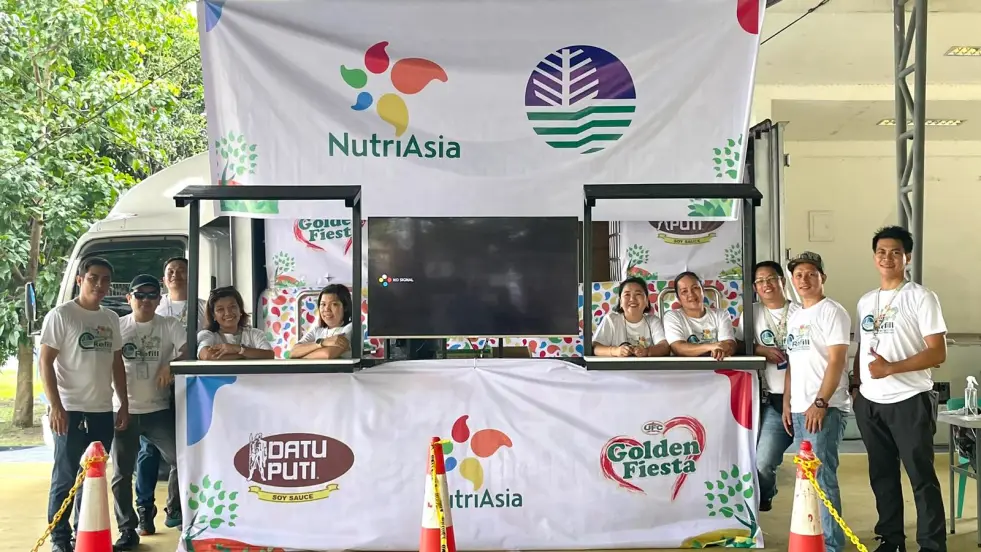
NutriAsia, the country’s top producer of condiments and sauces, continues its support of Refill Revolution; a project by the Department of Environment and Natural Resources EMB 3 that aims to help reduce Filipinos’ single-use plastics consumption. At Refill Revolution, residents get to recycle their single-use plastic bottles by reusing and filling it with their choice… Continue reading NutriAsia and DENR renews partnership for Refill Revolution

Encouraging your child to try new foods without pressure
Food routines in Australia often look familiar: a lunchbox packed on Sunday night, an after-school “arvo” snack, or sausages and salad at a weekend barbecue. A child may still reject a new vegetable while enjoying a trusted pasta shape. Encouraging your child to try new foods without pressure begins with accepting that curiosity, refusal and changing preferences belong at family meals.
Pressure can make eating a contest. Repeated demands, threats or rewards tied to “one more bite” can damage trust and turn ordinary food into something your child wants to escape. The goal is not to win a bite at any cost, but to keep mealtimes warm while your child learns what they enjoy.
A useful division of responsibility is simple: adults decide what is served, when it is served and where the family eats; children decide whether to taste it and how much to eat. Familiarity often grows through repeated, calm exposure, so a food rejected today can be offered again without becoming a daily argument.
The Australian Dietary Guidelines for Children and Adolescents encourage a wide variety of foods, which fits the multicultural meals common in cities such as Sydney, Melbourne and Brisbane. A relaxed family meal can include different cuisines, textures and traditions without expecting any child to eat every dish.
Why pressure can work against you
Children are often good at detecting adult anxiety about their choices. If every meal includes bargaining over broccoli, a refusal becomes an easy way to gain control or end the discussion. Praise for finishing can also make children focus on pleasing the adult rather than noticing their own hunger and fullness.
Stress has a physical effect too. Some children feel nauseated, tighten their mouth or swallow quickly when they expect an argument. Eating under that pressure is not a reliable test of whether they dislike the food, and pressuring them can make familiar foods less appealing as well.
Keep comments neutral and brief. “This is pumpkin; I’ll put some on your plate” communicates an offer without demanding a response. Accepting a refusal without disappointment gives your child room to stay connected to the family meal, even when they do not try the new dish.
Make mealtimes feel safe
Predictability helps. Serve meals at roughly the same times, include at least one familiar food and let everyone choose where to sit when practical. A small separate plate can reduce the visual pressure of a large serving, but an adult should still make sure children receive an appropriate portion and supervise younger children while they eat.
Your own language shapes the atmosphere. Avoid labelling foods as healthy or unhealthy, describing a child as difficult, or announcing that they will like something before they have tasted it. Ordinary statements are usually less pressure than enthusiastic persuasion.
If your child becomes upset, acknowledge the feeling without changing the boundary: “You do not want the peas today, and that is okay.” Adults can keep serving a variety while children remain responsible for their choices. For more relaxed shared-meal ideas, family meal inspiration offers a helpful place to start.
Build familiarity before novelty
Australia’s food market gives families plenty of ways to explore without making every purchase a test. Woolworths and Coles stock broad ranges of fresh produce, Aldi offers seasonal fruit and vegetables, and local greengrocers or weekend markets can introduce unfamiliar varieties. Let your child choose one colourful item to bring home, even if it becomes an ingredient in a shared dish rather than a separate serving.
The form matters as much as the ingredient. A child who dislikes whole carrots may accept grated carrot in pancakes, cooked pumpkin in a risotto or carrot soup. Mushrooms can be finely chopped into mince, peas can be mashed, and peppers can be roasted until soft. Repeated exposure in a format the child can manage is often easier than presenting an entirely new food in one unfamiliar dish.
Food sold in packages in Australia must comply with FSANZ’s ingredient and allergen-labelling rules, so check labels carefully rather than relying on colour or packaging. Introduce common allergens at home in an age-appropriate form unless a healthcare professional advises otherwise. If an allergy is suspected, seek medical guidance before the food is served.
Respond to what you notice
Watch for signs of genuine interest, such as looking, touching, smelling or asking about a food. Curiosity does not always end in a bite, and it should not be treated as a promise. A child may need several encounters with the same ingredient before they are ready to put it in their mouth.
Matching your response to the moment keeps pressure low while preserving routine. The following comparison shows how common reactions can be handled without rewards, threats or bargaining.
| What you notice | Pressure-based response | Low-pressure response |
|---|---|---|
| Looks at the food but does not eat it | Repeatedly encourages another bite | Leave a small portion nearby and carry on the meal |
| Pushes it away or cries | Insists the child finish or promises a reward | Acknowledge the feeling and serve a familiar option |
| Takes one tentative bite | Demands praise or another food in exchange | Give a calm acknowledgement and keep serving normally |
| Eats one food and rejects everything else | Restricts the whole meal to that favourite | Offer the accepted food alongside other familiar choices |
These responses are guides, not scripts. Development, hunger, tiredness and the setting all affect a child’s willingness to explore. If an approach feels controlling, simplify it and return to the steady offer of familiar and new foods.
Small routines that make trying easier
Repeated actions can take the spotlight off the child’s decision. Keep the language simple and let the same choices appear naturally rather than turning them into a lesson. These routines widen familiarity without asking for an immediate taste.
- Include one new ingredient in a shared meal without asking anyone to taste it.
- Offer the same food in two forms across a week, such as raw and cooked.
- Keep a small “maybe later” plate for foods a child does not want to touch.
- Let the child choose between two suitable vegetables at the shop.
One familiar food stays on the menu while the new item becomes simply one part of the shared meal. Use brief prompts when a child is ready to interact with what is served.
- “Would you like a little or a big helping?” applies to food the child already accepts.
- “Would you like to smell, touch or taste it?” gives the child a smaller way to engage.
- “You can leave it, and I can serve it again another day.”
- “You did not like the texture today, and that is fine.”
A routine works best when it is sustainable. If the same new food appears every evening for weeks with no interest, it may be time to vary the recipe or accept that this food is not a favourite right now. The wider goal is a child who can approach meals with curiosity rather than fear.
Invite children in without adding pressure
Participation builds positive memories without requiring children to become mini-chefs. Suitable jobs include washing produce, stirring batter, tearing herbs, choosing a basket at the market or setting places. Children can make real decisions about the menu, such as choosing between two vegetables, while adults retain control over preparation and safety.
Keep the contribution age-appropriate and separate it from the reward for eating. Saying “you may taste the sauce after you stir it” can still feel like a bargain. A better approach is to let the child join because the activity itself is interesting, then offer the same food to everyone.
For practical parenting ideas beyond the kitchen, the WonderMomma parenting guides cover routines that support family life and child development. Family recipes can also become a record of your child’s growing tastes: photograph the first time they willingly try a dish, then revisit it months later without expecting the same reaction.
Recognise when more support may be needed
Most changes in appetite are temporary and linked to growth, routine or a phase of asserting independence. A brief period of selective eating does not automatically signal a disorder. Keep offering suitable foods, maintain familiar nutrition and avoid turning every meal into a discussion about the problem.
Seek advice if avoidance is severe, lasts for weeks, causes distress or affects growth, sleep, school and social activities. A paediatrician can assess growth and medical causes, while a paediatric dietitian can help build a safe eating plan. Feeding difficulties involving pain, gagging, chewing or swallowing may also warrant assessment by a speech pathologist.
Allergic reactions need prompt medical attention. Follow the child’s allergy plan, use a prescribed adrenaline autoinjector if indicated, and call Triple Zero (000) for signs such as breathing difficulty, throat swelling, faintness or widespread hives. With support from adults who remain calm and consistent, children can learn that new foods are safe to encounter and that their preferences are worthy of respect.

Mercato Centrale, in collaboration with Indian Women in Enterprise Philippines (I-We), is set to host "The Great Indian Fiesta" to mark 75 years of friendship between India and the Philippines. The dynamic two-day event is scheduled to take place on September 30 to October 1, 2023, at Paseo De Roxas Street, Makati City. Aiming to… Continue reading Mercato Centrale Partners with I-We to Host ‘The Great Indian Fiesta’, Commemorating 75 Years of India-Philippines Friendship

My stomach would usually start growling at 10 am even after taking a big breakfast. This is probably because I am a morning person and I move a lot throughout the day hence snacking is something that I can't avoid. This potatoes and chicken wrap recipe is easy to prepare and would keep me full… Continue reading Potato and Chicken Wrap
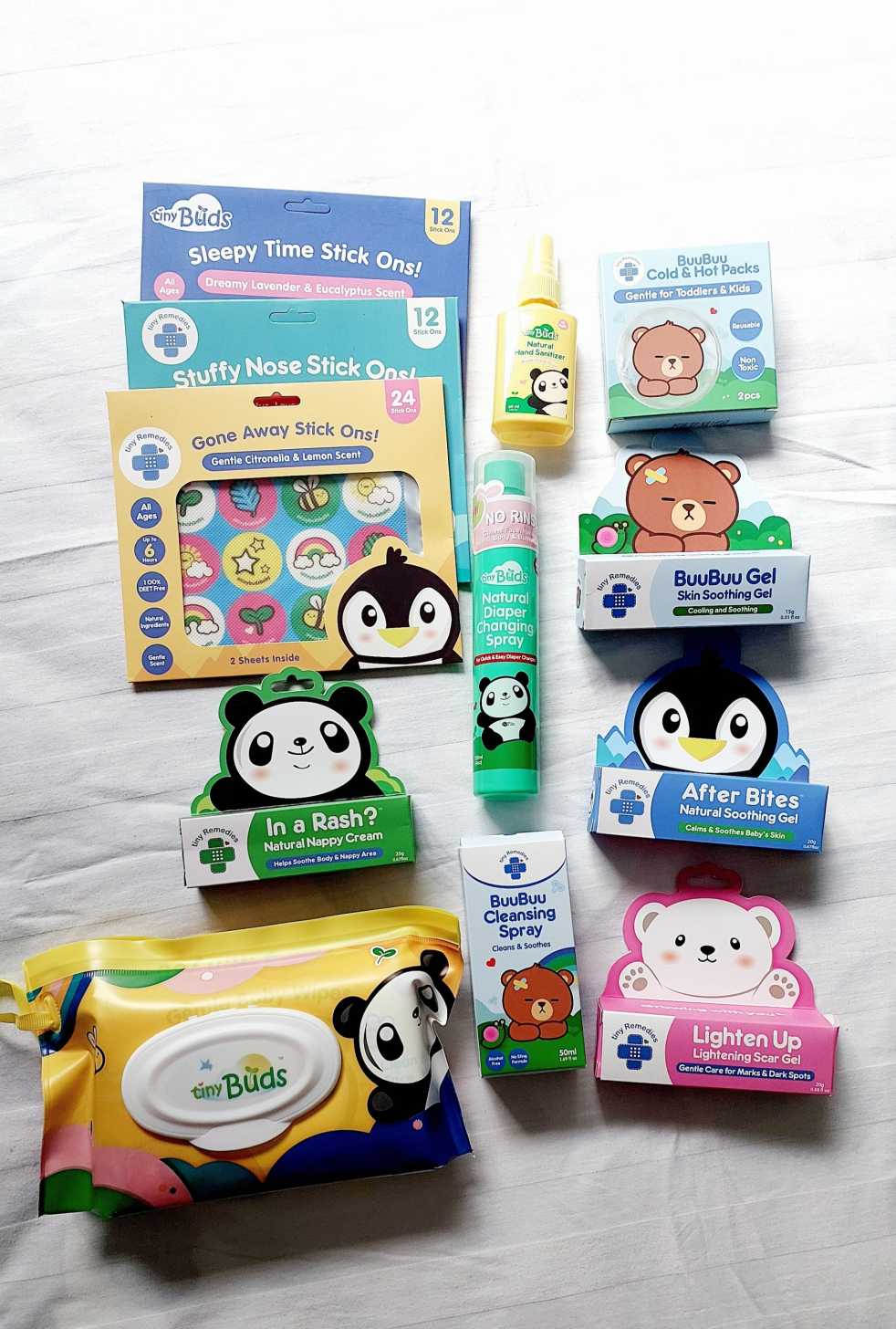
Your baby’s skin is more delicate than most, this is why you have to choose products that are designed for sensitive skin. Tiny Buds is a pioneer in integrating natural ingredients into baby care and today has over 50 innovative natural baby care essentials and is one of the Top Baby Personal Care brands. Here… Continue reading Product Review: Tiny Buds Baby Naturals Baby Essentials
Where your child goes to school is a big decision and shouldn’t be taken lightly. Given how their education can impact their future, you might be tempted to take control and decide for them. However, you might be doing more damage than helping them in the long run. Your job as parents is to support… Continue reading HOW TO CHOOSE THE BEST SCHOOL FOR YOUR CHILD
As poet and philosopher Rumi once eloquently said, “raise your words, not your voice. It is rain that grows flowers, not thunder.” Parenting is a challenging journey, and the truth is that nobody has everything figured out. One parenting style might suit others best, and some might favor other methods. However, children respond better to… Continue reading A SIMPLE GUIDE TO GENTLE PARENTING

Whether you’re a new mom to be, mom of a toddler, mom who have school-aged kids, you’re bound to have so many questions. Let's start with your baby's skin. Infant skin has unique needs; gentle care is essential to prevent damage to the skin barrier, which can lead to irritation. When caring for infant skin,… Continue reading Keeping Baby’s Diapered Skin Healthy
As parents, we want to give our child the best possible start in life and that begins with nurturing their intelligence. Throughout history, the notion of success has been linked to academic intelligence. However, there has been an increased awareness on the importance of emotional intelligence. This question gets at the heart of the never-ending… Continue reading IQ or EQ, which one is a better predictor of your child’s success?
 wondermomma.net