

Last August, IKEA Philippines engaged with Better World Smokey Mountain, a newly opened community center operated by the San Miguel Foundation, which shares a similar goal of improving the lives of many Filipino people. Through this partnership, IKEA Philippines provided and assembled home furnishings for the classrooms and library of Better World Smokey Mountain community… Continue reading Help Create a Better World with IKEA Soft Toys
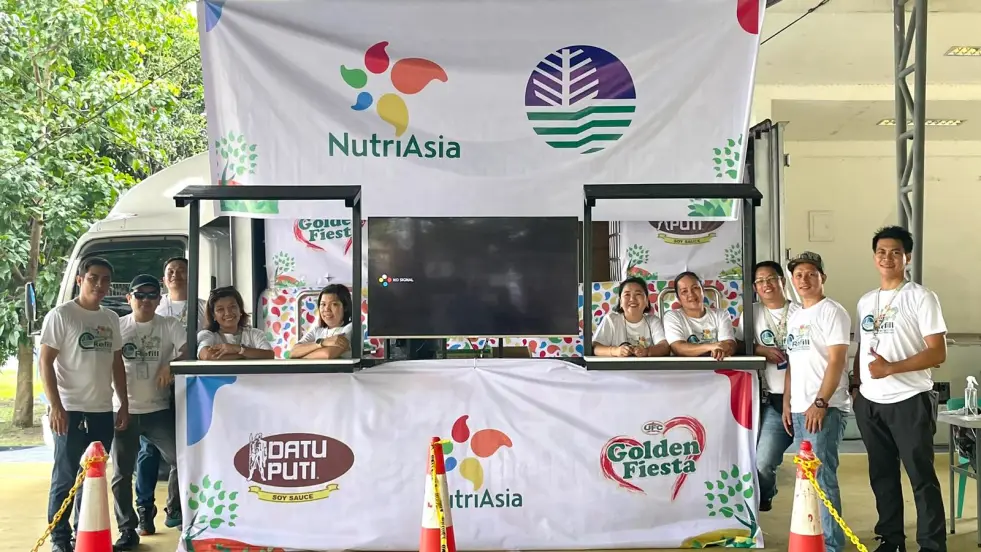
NutriAsia, the country’s top producer of condiments and sauces, continues its support of Refill Revolution; a project by the Department of Environment and Natural Resources EMB 3 that aims to help reduce Filipinos’ single-use plastics consumption. At Refill Revolution, residents get to recycle their single-use plastic bottles by reusing and filling it with their choice… Continue reading NutriAsia and DENR renews partnership for Refill Revolution

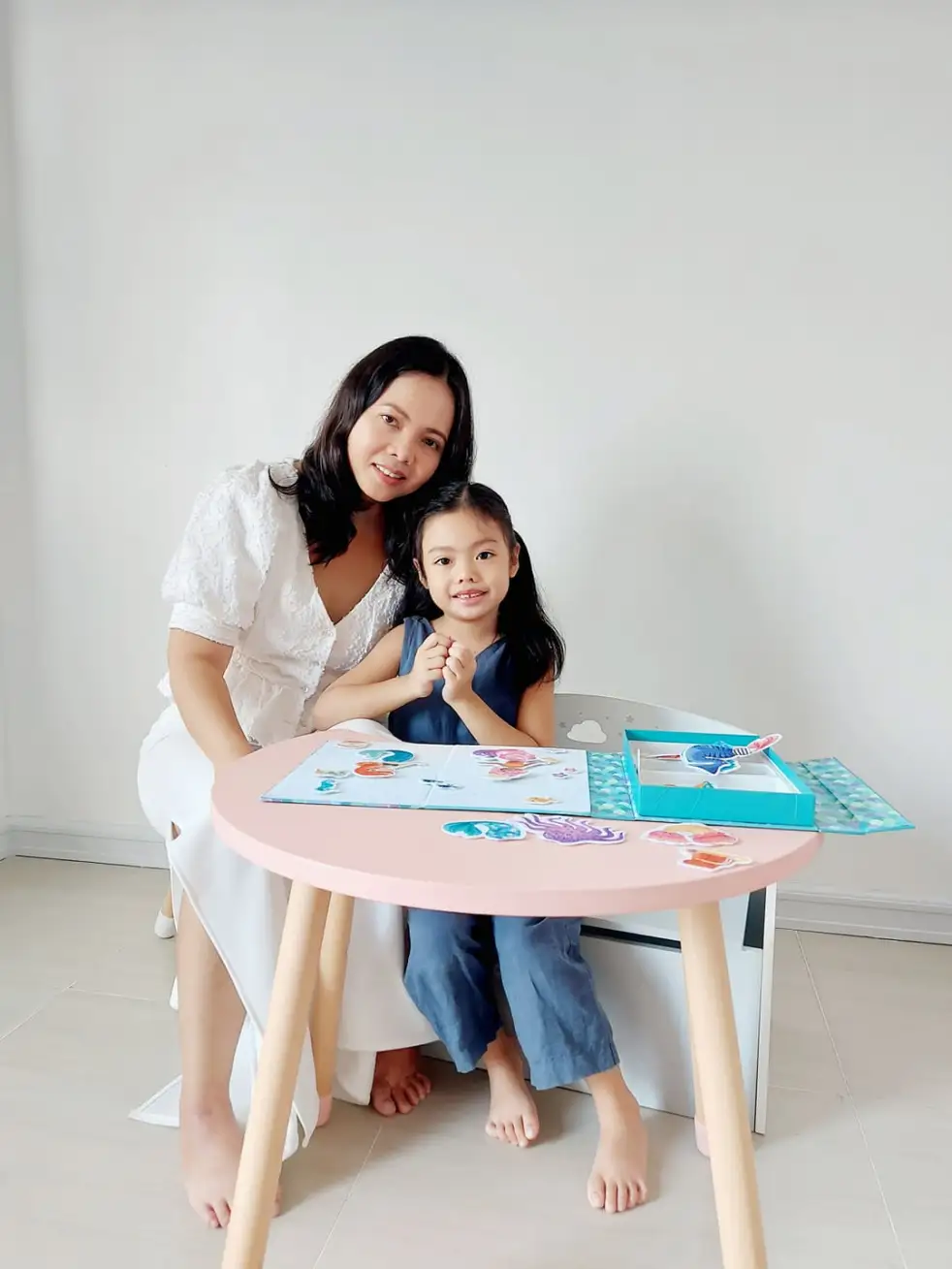
Encouraging independent play in young children
Independent play is the time when a child chooses an activity, uses materials in their own way, and works through problems without an adult directing every step. For a toddler, this may mean filling a bowl with wooden spoons; for a five-year-old, it might be building a road system from boxes and blocks. Across ages, the shared feature is purposeful, self-directed exploration.
Encouraging it does not mean leaving a child unsupported or expecting constant concentration. Adults still prepare the environment, notice interests, model play, and offer comfort when needed. The balance changes with age, temperament, skills, and daily family life. In busy Australian households, where many children attend childcare or preschool and families regularly use council facilities, play can build confidence, communication, movement, and problem-solving.
What independent play looks like
The basic pattern is simple: an adult makes space, the child decides what to do, and the adult notices what the child is learning. Children might repeat the same action many times, such as posting lids into containers, because repetition strengthens motor skills and early concepts about size, weight, and order.
Self-directed play can happen alone, beside other children, or with an adult nearby. A parent might sit in the same room while the child builds, join a pretend game, or simply listen when invited. This combination of autonomy and connection gives children the freedom to experiment while preserving the security of responsive care.
Observe before changing anything. Watch what your child returns to, what they imitate, and where their attention naturally settles. A strong interest in water may lead to pouring games; fascination with people may produce puppet shows; repeated lining up of objects may suggest an interest in patterns and measurement.
Make the home easy to explore
Begin by giving children access to materials without making every interaction an adult-led lesson. Store toys in open, reachable containers, keep a clear area for building, and leave some objects out long enough for children to become familiar with them. Availability matters more than having a large collection.
Safe household objects can be powerful play materials. Cups, spoons, cardboard boxes, fabric scraps, pots, and plastic containers invite sorting, carrying, cooking, and imaginary games. Check for sharp edges, small loose parts, toxic substances, and anything that could be swallowed. Adults should also supervise children closely with batteries, magnets, buttons, and small seeds.
Many families in Sydney, Melbourne, Brisbane, and other cities live in units or compact suburban homes. Verandahs, balconies, small patches of grass, and local council playgrounds can provide valuable spaces for movement and social play. Even when outdoor areas are limited, neighbourhood walks, sandbox visits, and courtyard games can expand a child’s world.
Follow the child's interests
Children are more likely to sustain play when it reflects something already meaningful to them. If a child enjoys animals, provide toy figures, picture books, matching games, and opportunities to make animal sounds. If they are interested in vehicles, use boxes as garages or build routes for a favourite car. Familiar interests provide a secure entry into new skills.
Notice the difference between a short-lived interest and a developing fascination. Repeated drawing, collecting shells, dressing up, or checking insects may deserve a little extra time and material. Follow the play rather than immediately directing it toward a learning objective. Curiosity grows when children feel that their choices have been taken seriously.
Australia’s culturally diverse communities offer many opportunities for this kind of responsive play. Children can use home languages in stories, songs, and pretend conversations while learning English through interaction. Local libraries, council-run playgroups, and community centres also provide free or low-cost settings where families can share ideas and observe how children play with different materials.
Support without taking over
Step-by-step assistance can prevent frustration, but solving every problem can leave a child with little to discover. Instead of taking over a tower that keeps falling, describe what is happening and offer one idea: “The base looks uneven; what could make it wider?” This invites thinking without taking control.
Wait before rescuing a child who seems stuck. A short pause allows them to try another strategy, change their mind, or discover that persistence pays off. Adults can support the process by remaining calm and available. Redirecting immediately toward a toy or activity may end the struggle, yet it can also interrupt the child’s motivation and sense of competence.
Allow enough time for play to become messy, slow, or repetitive. Boredom is uncomfortable for adults because it looks unproductive, yet quiet periods often prompt imagination. Safe risks, such as climbing low playground equipment or balancing along a path, also help children learn judgement. Supervision should stay appropriate to the child’s age, the environment, and the actual level of danger.
Choose open-ended play materials
The best materials can be used in several ways and do not require a specific result. Wooden blocks, scarves, cardboard tubes, play dough, magnets, and nesting cups work for different children at different times. Familiar objects often produce more inventive play than expensive items with fixed instructions.
Avoid filling every available space with equipment. Too many choices can make it difficult for a child to decide where to begin, while constant novelty may encourage shallow activity. Rotate a small selection, notice what gets used, and let unused items remain available. The local market includes independent toy shops, Australian designers, large retailers, online sellers, and op shops, so families can choose between new, used, or homemade options.
Check age guidance, warnings, and care instructions before use. Products must satisfy the Australian Consumer Law, and certain goods are covered by specific mandatory safety standards. Parents should also check current ACCC product recalls and remove recalled items promptly. An Australian-made label or attractive packaging does not by itself guarantee that a product is suitable for a particular child.
Build Australian routines for indoor and outdoor play
Outdoor play supports balance, coordination, curiosity, and social negotiation. Local playgrounds, school grounds, ovals, beaches, bushland paths, and nature strips can become recurring places for exploration. Families can build a loose routine around regular park visits, a weekly outdoor activity, or play that happens while waiting for a friend.
Australian conditions require practical preparation. Check the UV index and arrange daytime play for when it is cooler. Cancer Council Australia recommends shade, protective clothing, a broad-brimmed hat, and broad-spectrum sunscreen on exposed skin. Drinking water, suitable footwear, insect protection, and checks for heat or bushfire danger help adults keep play comfortable and safe.
The timing and setting of play matter as much as the toys. After a busy school or childcare day, children may prefer quiet construction before becoming active again. Families can combine indoor play during the hottest part of the day with early-morning or late-afternoon outings. Approved early learning and child care services in Australia are guided by the National Quality Framework, while the Child Care Subsidy supports many families’ use of formal care.
Adjust as your child grows
Children’s play becomes more complex as their attention, movement, language, and social abilities develop. The following comparison shows common play patterns and useful forms of adult support at different stages.
| Stage | Common play patterns | Helpful support |
|---|---|---|
| Birth to 18 months | Looking, grasping, dropping, mouthing, and exploring sounds | Floor time, safe sensory objects, songs, and responsive conversation |
| 18 to 36 months | Filling, stacking, pushing, matching, and simple pretend play | Pots, blocks, large puzzles, dress-up items, and repeated stories |
| 3 to 4 years | Drawing, sorting, puppet play, building, and early cooperation | Open-ended materials, simple rules, outdoor play, and peer time |
| 5 to 8 years | Complex construction, collecting, stories, games, and organised challenges | Project spaces, building materials, cooperative play, and carefully supervised real tools |
Children develop at different rates, so the sequence matters less than their engagement and growing skills. A child who rarely plays, loses previously acquired abilities, or shows marked changes in movement, communication, or social interaction may need additional support. Parents can speak with an early childhood educator, general practitioner, paediatric occupational therapist, or other appropriate professional.
Independent play does not need to fill every hour or look impressive from the outside. Its value lies in the child’s growing sense that they can initiate an idea, test what happens, and find a way forward. When families protect those pockets of time, play becomes a powerful daily foundation for confidence, curiosity, and connection.

Mercato Centrale, in collaboration with Indian Women in Enterprise Philippines (I-We), is set to host "The Great Indian Fiesta" to mark 75 years of friendship between India and the Philippines. The dynamic two-day event is scheduled to take place on September 30 to October 1, 2023, at Paseo De Roxas Street, Makati City. Aiming to… Continue reading Mercato Centrale Partners with I-We to Host ‘The Great Indian Fiesta’, Commemorating 75 Years of India-Philippines Friendship

My stomach would usually start growling at 10 am even after taking a big breakfast. This is probably because I am a morning person and I move a lot throughout the day hence snacking is something that I can't avoid. This potatoes and chicken wrap recipe is easy to prepare and would keep me full… Continue reading Potato and Chicken Wrap
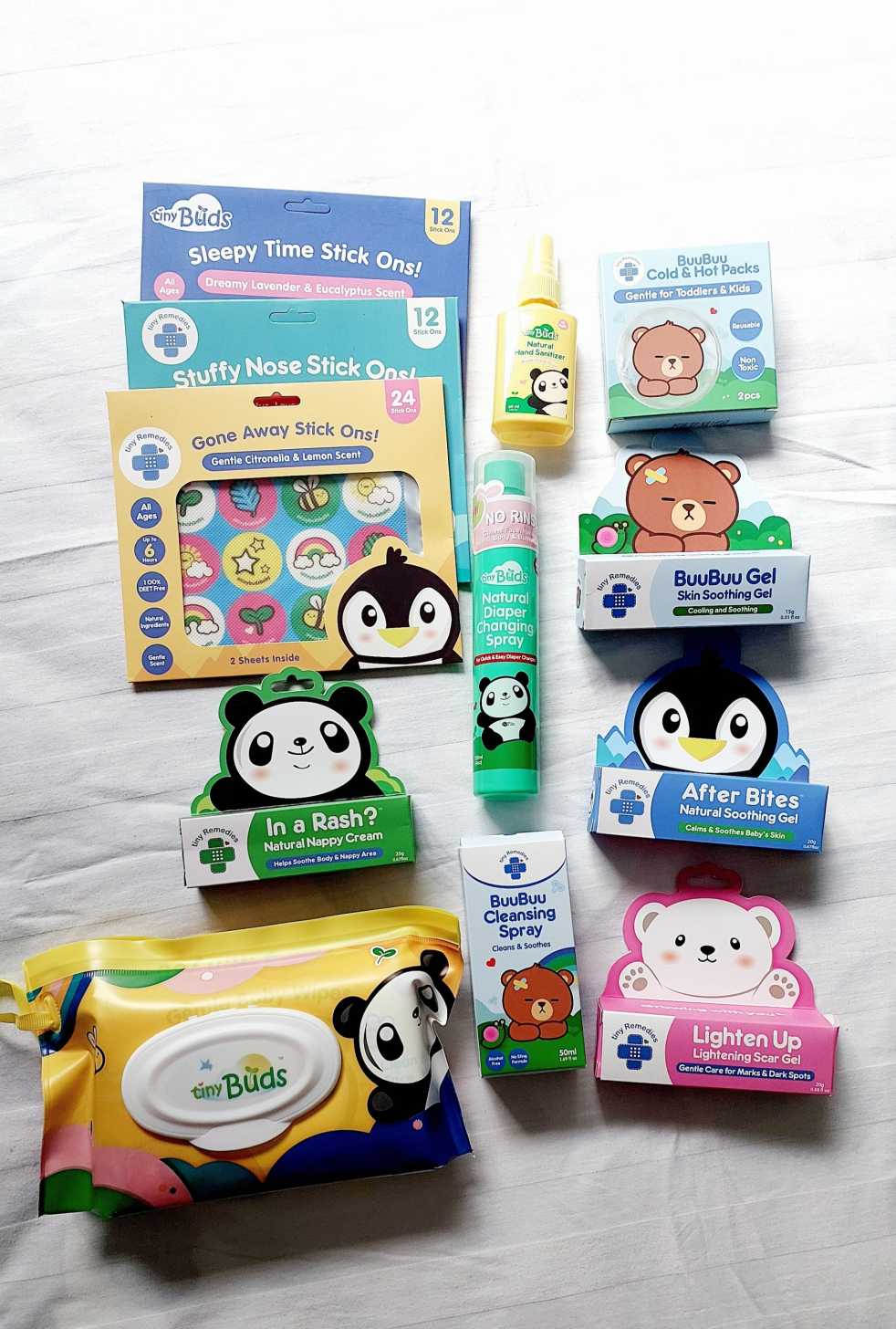
Your baby’s skin is more delicate than most, this is why you have to choose products that are designed for sensitive skin. Tiny Buds is a pioneer in integrating natural ingredients into baby care and today has over 50 innovative natural baby care essentials and is one of the Top Baby Personal Care brands. Here… Continue reading Product Review: Tiny Buds Baby Naturals Baby Essentials
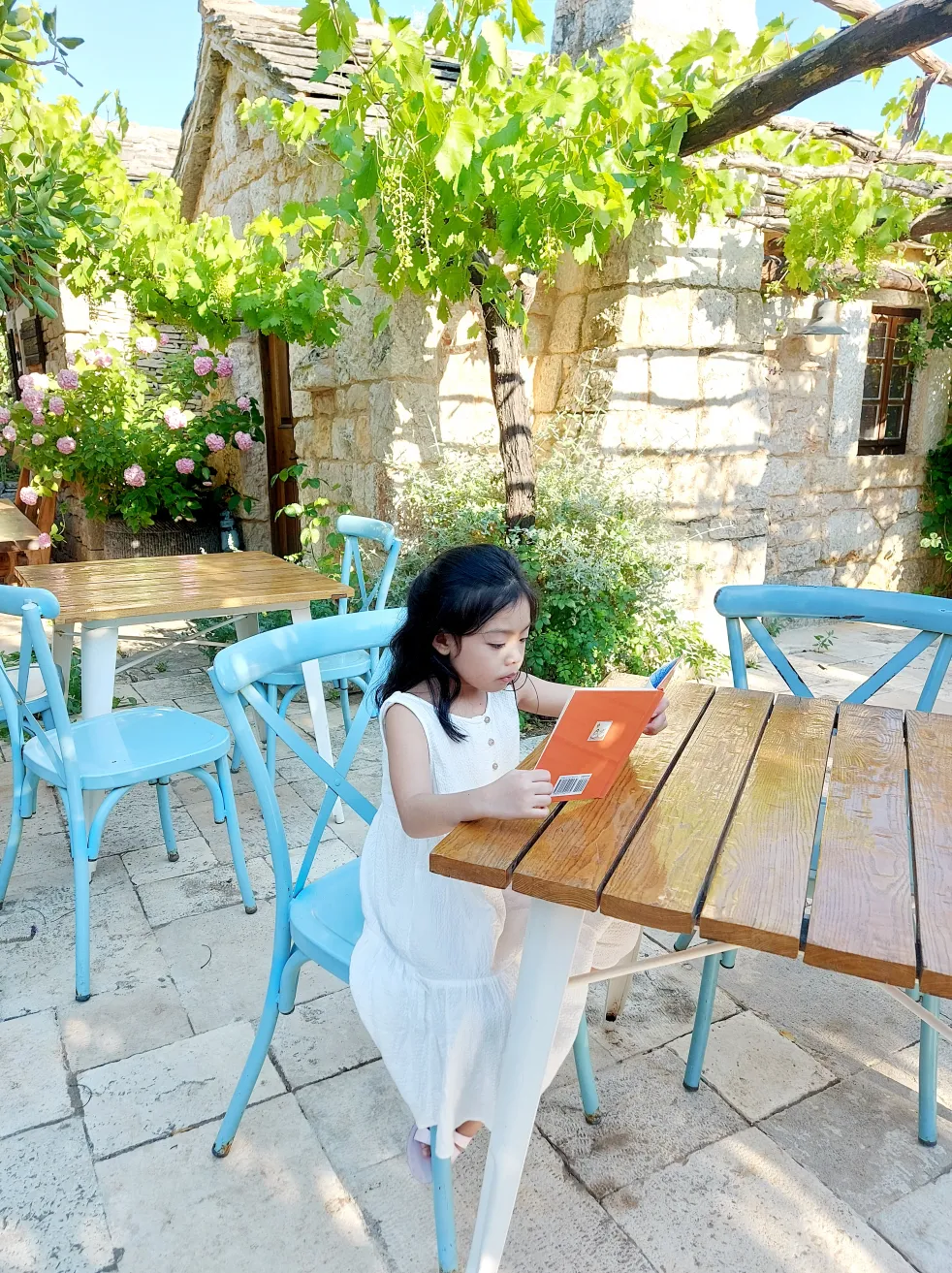
Where your child goes to school is a big decision and shouldn’t be taken lightly. Given how their education can impact their future, you might be tempted to take control and decide for them. However, you might be doing more damage than helping them in the long run. Your job as parents is to support… Continue reading HOW TO CHOOSE THE BEST SCHOOL FOR YOUR CHILD
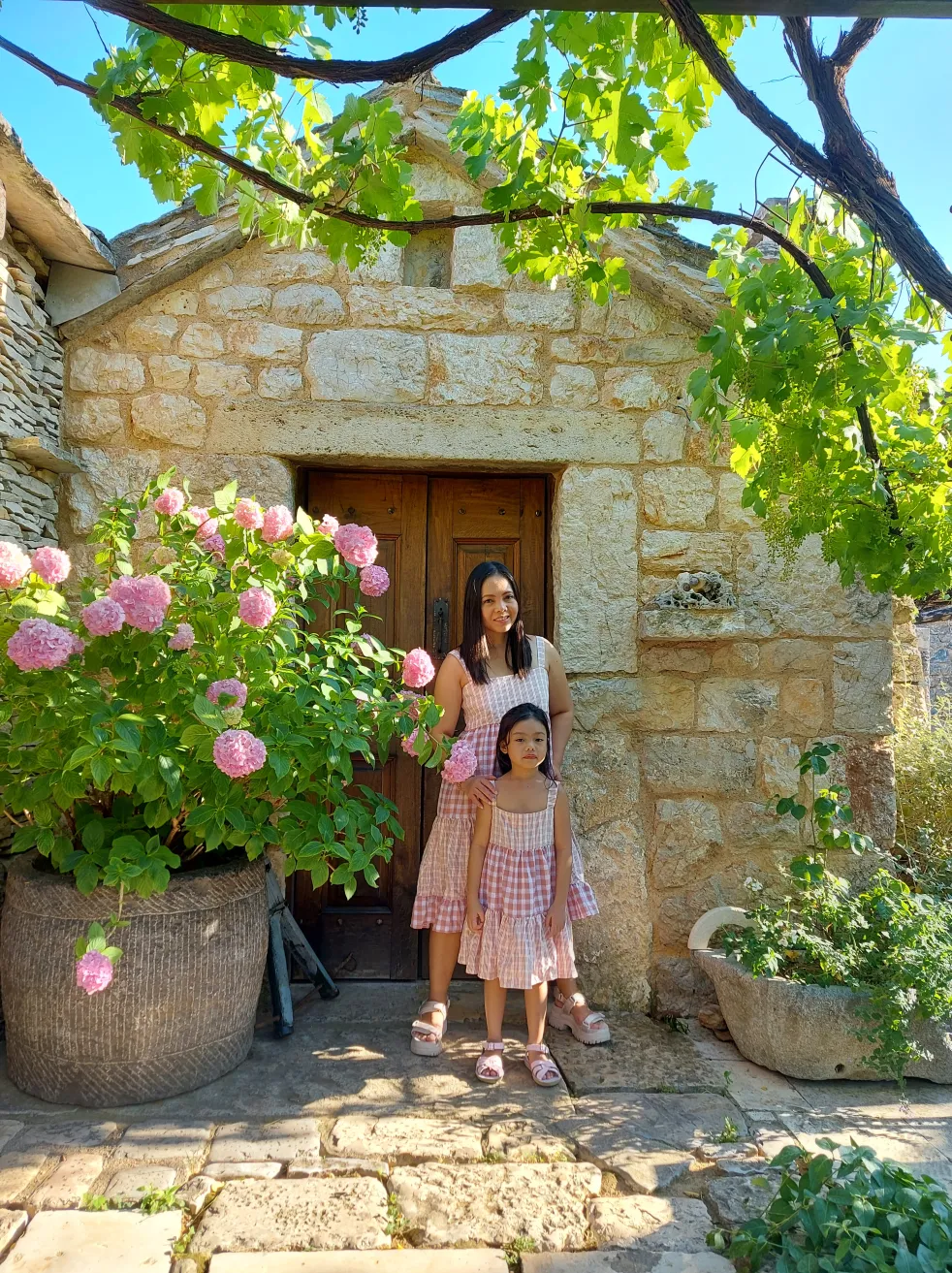
As poet and philosopher Rumi once eloquently said, “raise your words, not your voice. It is rain that grows flowers, not thunder.” Parenting is a challenging journey, and the truth is that nobody has everything figured out. One parenting style might suit others best, and some might favor other methods. However, children respond better to… Continue reading A SIMPLE GUIDE TO GENTLE PARENTING

Whether you’re a new mom to be, mom of a toddler, mom who have school-aged kids, you’re bound to have so many questions. Let's start with your baby's skin. Infant skin has unique needs; gentle care is essential to prevent damage to the skin barrier, which can lead to irritation. When caring for infant skin,… Continue reading Keeping Baby’s Diapered Skin Healthy
As parents, we want to give our child the best possible start in life and that begins with nurturing their intelligence. Throughout history, the notion of success has been linked to academic intelligence. However, there has been an increased awareness on the importance of emotional intelligence. This question gets at the heart of the never-ending… Continue reading IQ or EQ, which one is a better predictor of your child’s success?
 wondermomma.net