
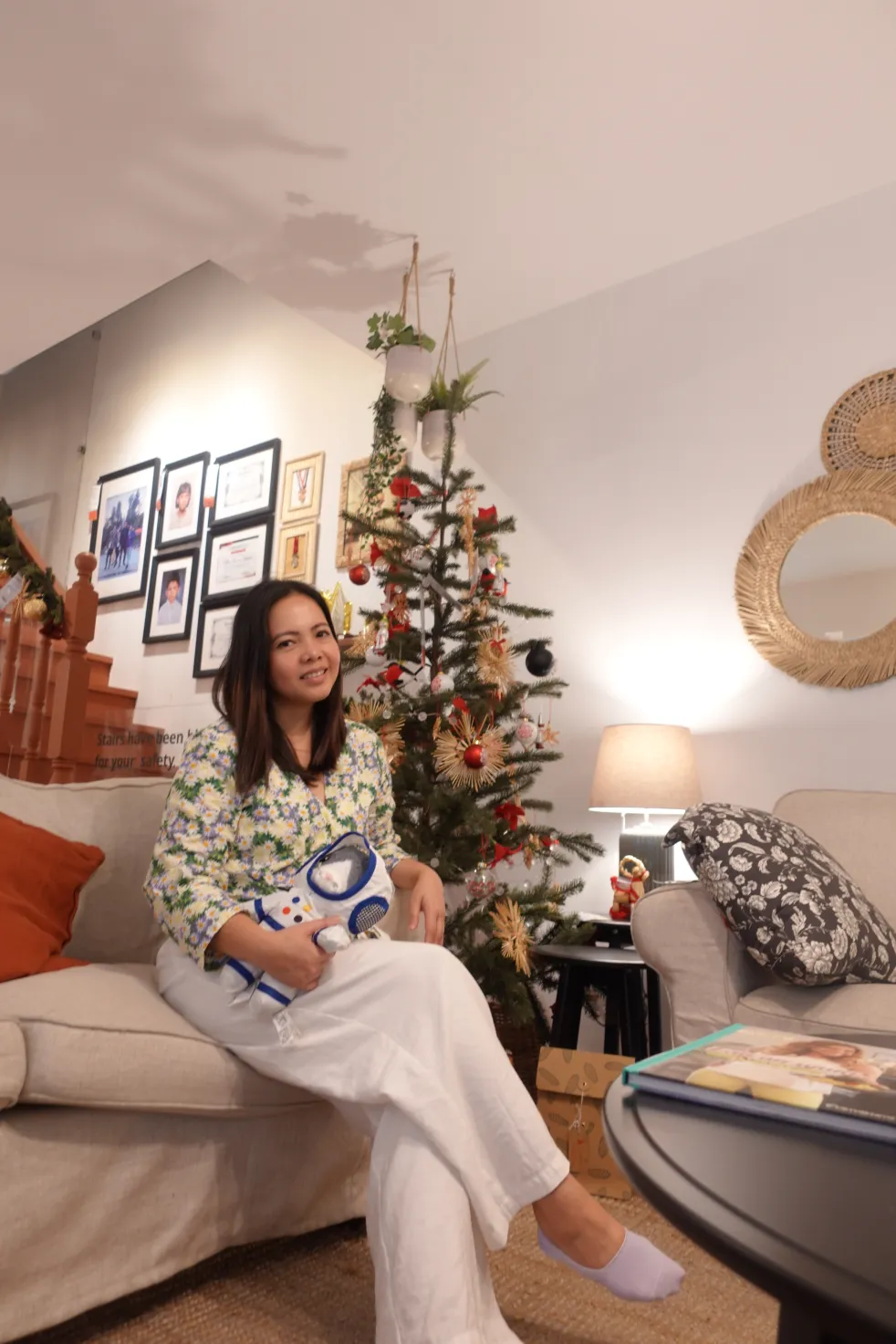
Last August, IKEA Philippines engaged with Better World Smokey Mountain, a newly opened community center operated by the San Miguel Foundation, which shares a similar goal of improving the lives of many Filipino people. Through this partnership, IKEA Philippines provided and assembled home furnishings for the classrooms and library of Better World Smokey Mountain community… Continue reading Help Create a Better World with IKEA Soft Toys
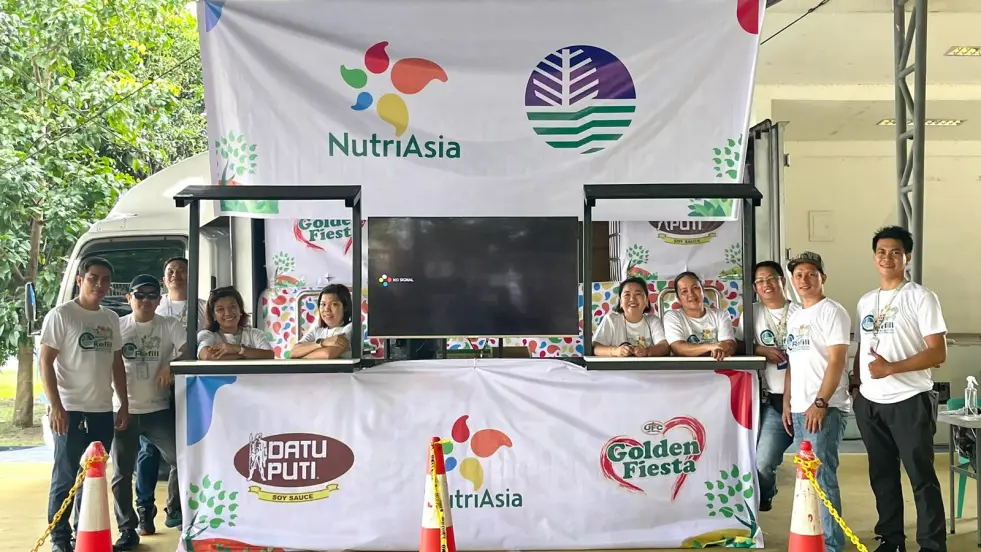
NutriAsia, the country’s top producer of condiments and sauces, continues its support of Refill Revolution; a project by the Department of Environment and Natural Resources EMB 3 that aims to help reduce Filipinos’ single-use plastics consumption. At Refill Revolution, residents get to recycle their single-use plastic bottles by reusing and filling it with their choice… Continue reading NutriAsia and DENR renews partnership for Refill Revolution

Easy no-sew fabric toys for babies using scraps
A basket of fabric offcuts can become a collection of simple sensory toys for a baby, without a sewing machine, complicated patterns or expensive materials. Soft cotton shirts, flannelette, fleece and worn-out muslin wraps can provide different colours, textures and sounds for supervised play.
These homemade baby toys suit families who enjoy practical, low-waste projects. Before making anything, however, think like a product tester: babies pull, chew, twist and rub everything against their faces. Strong knots, washable materials and close adult supervision matter more than decorative details. For further family-friendly ideas, WonderMomma parenting offers a useful source of inspiration for everyday life with children.
Choose safe scraps and simple supplies
Use fabric that is clean, colourfast and free from peeling prints, strong perfumes or traces of household chemicals. Cotton is a good starting point because it is soft, breathable and easy to wash. Fleece works well for a cosy texture, while terry cloth adds gentle bumps that small hands can explore. Avoid fabric with sequins, beads, metal studs, long fringes or glued decorations.
You will need fabric scissors, a ruler, a washable marker and, for some projects, clean cardboard to make a template. A small amount of fabric-safe, non-toxic adhesive may be useful for adult preparation, but glue should never be relied on for a part a baby can pull or chew. If a project needs a cord, keep it very short and securely enclosed; loose loops and long ties can create a strangulation risk.
Australian homes often have a warm summer laundry routine, especially in Brisbane, Darwin and Perth, so washable toys should dry completely before returning to the play space. In cooler Melbourne or Hobart weather, allow extra drying time indoors rather than storing a damp toy in a nappy bag.
Make a knotted sensory square
Cut two or three squares of fabric in different textures, each roughly the size of an adult hand. Round the corners with scissors, stack the pieces and make small cuts around the edge at regular intervals. Tie neighbouring strips together in firm double knots to create a soft, fringed sensory square.
Choose short fringe strips rather than long ribbons. Test every knot by pulling hard in several directions, then trim any sharp or uneven ends. A baby can grasp the square, scrunch it, wave it and compare the cool smoothness of cotton with the stretch of fleece. Contrasting colours such as black and white, navy and cream, or red and white can be easier for very young babies to notice.
This toy is especially convenient for pram outings or tummy-time sessions on a play mat. Keep it within reach while an adult is present, and inspect it after each wash. If a knot loosens or the fabric starts to fray, remove the toy immediately rather than repairing it while it remains in regular use.
Turn scraps into a soft fabric ball
A lightweight fabric ball can be made by cutting several large circles or irregular rounded pieces from old clothing. Place the scraps together, gather them into a loose bundle and wrap one larger piece around the outside. Tie the outer fabric securely underneath with a series of tight knots, then tuck the ends into the bundle.
The finished ball should be soft enough to compress easily in one hand and large enough that it cannot fit fully into a baby’s mouth. Avoid filling it with rice, dried beans, plastic pellets or bottle caps. Those materials can escape through a tear, become choking hazards or make the toy too heavy for a young child.
For a sensory variation, use one layer of crinkly food packaging only when it is fully enclosed between robust fabric layers and checked frequently. A safer alternative is to choose fabric with natural texture, such as corduroy or towelling. Rolling the ball slowly across the floor encourages visual tracking, while placing it just within reach can motivate early stretching and grasping.
Create a tag-style comfort cloth
A tag blanket can be made without stitching by layering two soft squares and tying narrow fabric tabs around the edge. Cut tabs from cotton or satin-like fabric, keeping each one short and wide enough to resist pulling. Place the tabs between the layers so only a small portion is visible, then knot the outer edges together through both layers.
Use a limited number of tabs and pull-test each one firmly. Babies often focus on labels and loops, so the toy must not contain long strips that can wrap around fingers, wrists or the neck. Do not add wooden rings, plastic animals or decorative clips unless they are specifically designed for infant use and attached according to the manufacturer’s safety instructions.
This small comforter can be useful during a nappy change or while settling in a cot, but it should not be left loose in a sleep space for a young baby. Safe sleeping guidance in Australia recommends keeping cots free of loose items, including soft toys and comfort cloths, particularly when an infant is unattended. Use the cloth for awake, supervised moments and remove it before sleep.
Add gentle texture without risky parts
Babies do not need flashing lights or complicated features to stay interested. Folded layers, raised seams made from tied fabric strips and different fabric weights provide plenty of tactile information. A piece of smooth cotton beside a square of waffle knit can encourage a baby to rub, pinch and transfer the toy between hands.
You can make a simple sensory flap by folding a square of fabric over itself and securing the edges with tight knots. Place a contrasting colour inside so it appears when the flap is lifted. For a crinkle effect, use a purpose-made washable crinkle insert or leave the feature out. Never use thin plastic bags, cling film or packaging that can tear into small pieces.
Rotate two or three homemade toys rather than presenting a whole basket at once. This keeps the play area manageable in an Australian apartment, terrace house or family room and makes it easier to notice damage. At playgroup or childcare, label a handmade item clearly and check the centre’s policy before bringing it, since shared toys need more frequent cleaning and inspection.
Wash, inspect and store them carefully
Before the first play session, wash fabric toys with a fragrance-free detergent and rinse them thoroughly. Follow the fabric care label where one exists, and avoid fabric softener if it leaves a coating that could irritate sensitive skin. Let every toy dry fully, preferably in sunlight or good airflow, and wash it again after spit-up, food spills or contact with a sick child.
Inspect the toy before each use for loose threads, stretched knots, holes, colour transfer and rough edges. The Australian Competition and Consumer Commission provides safety guidance for products intended for children, and mandatory toy safety requirements apply to many toys for children up to 36 months. A homemade item may not have been assessed like a commercial product, so parents need to make conservative choices and stop using anything that deteriorates.
Keep scraps and finished toys away from pets, older siblings who may add small decorations, and direct heat from heaters or fireplaces. In summer, never leave fabric toys in a hot car, where heat can accelerate material breakdown and create an unpleasantly warm surface for a baby. Store clean items in a breathable basket rather than a sealed damp bag, ready for supervised play and regular washing.

Mercato Centrale, in collaboration with Indian Women in Enterprise Philippines (I-We), is set to host "The Great Indian Fiesta" to mark 75 years of friendship between India and the Philippines. The dynamic two-day event is scheduled to take place on September 30 to October 1, 2023, at Paseo De Roxas Street, Makati City. Aiming to… Continue reading Mercato Centrale Partners with I-We to Host ‘The Great Indian Fiesta’, Commemorating 75 Years of India-Philippines Friendship

My stomach would usually start growling at 10 am even after taking a big breakfast. This is probably because I am a morning person and I move a lot throughout the day hence snacking is something that I can't avoid. This potatoes and chicken wrap recipe is easy to prepare and would keep me full… Continue reading Potato and Chicken Wrap
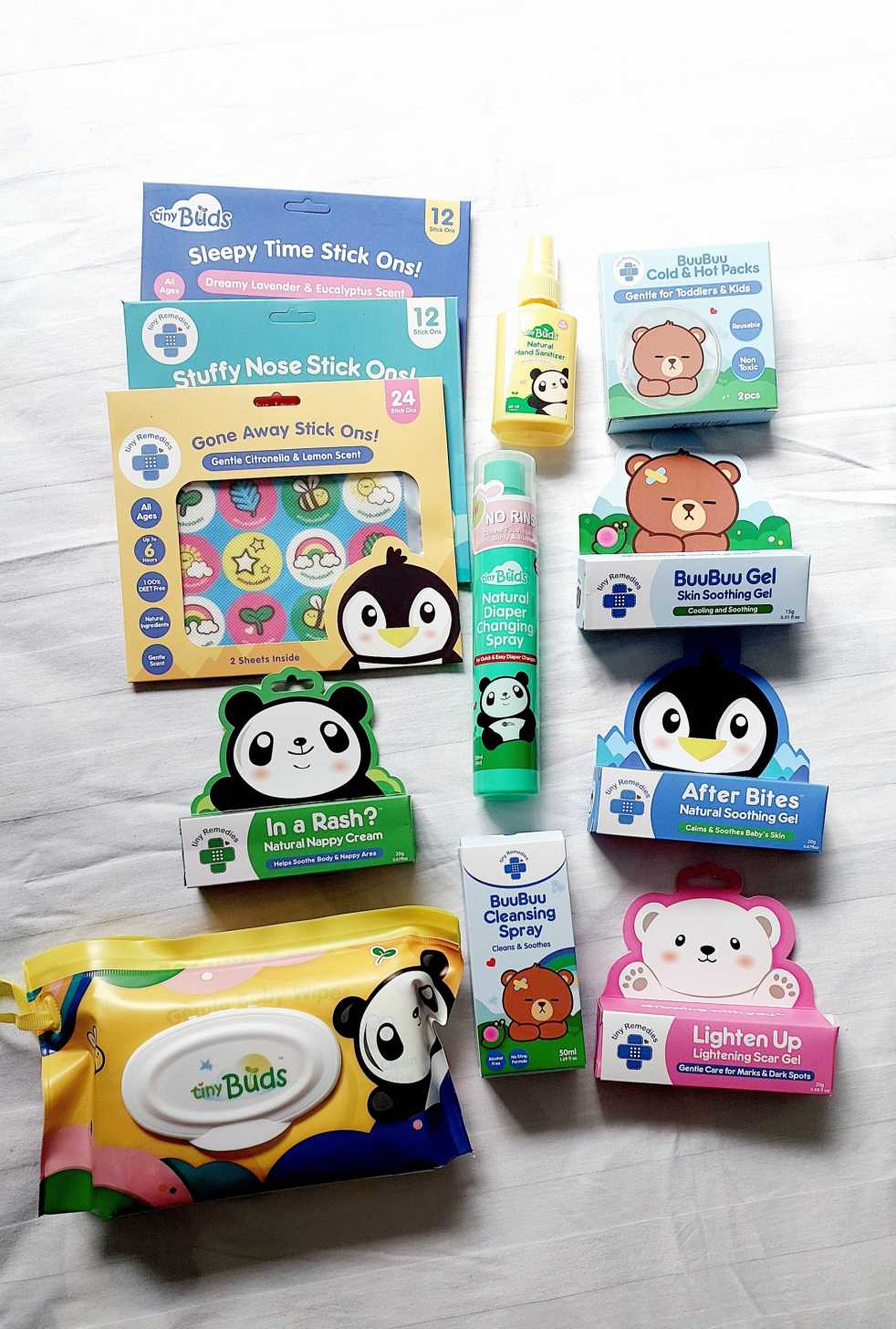
Your baby’s skin is more delicate than most, this is why you have to choose products that are designed for sensitive skin. Tiny Buds is a pioneer in integrating natural ingredients into baby care and today has over 50 innovative natural baby care essentials and is one of the Top Baby Personal Care brands. Here… Continue reading Product Review: Tiny Buds Baby Naturals Baby Essentials
Where your child goes to school is a big decision and shouldn’t be taken lightly. Given how their education can impact their future, you might be tempted to take control and decide for them. However, you might be doing more damage than helping them in the long run. Your job as parents is to support… Continue reading HOW TO CHOOSE THE BEST SCHOOL FOR YOUR CHILD
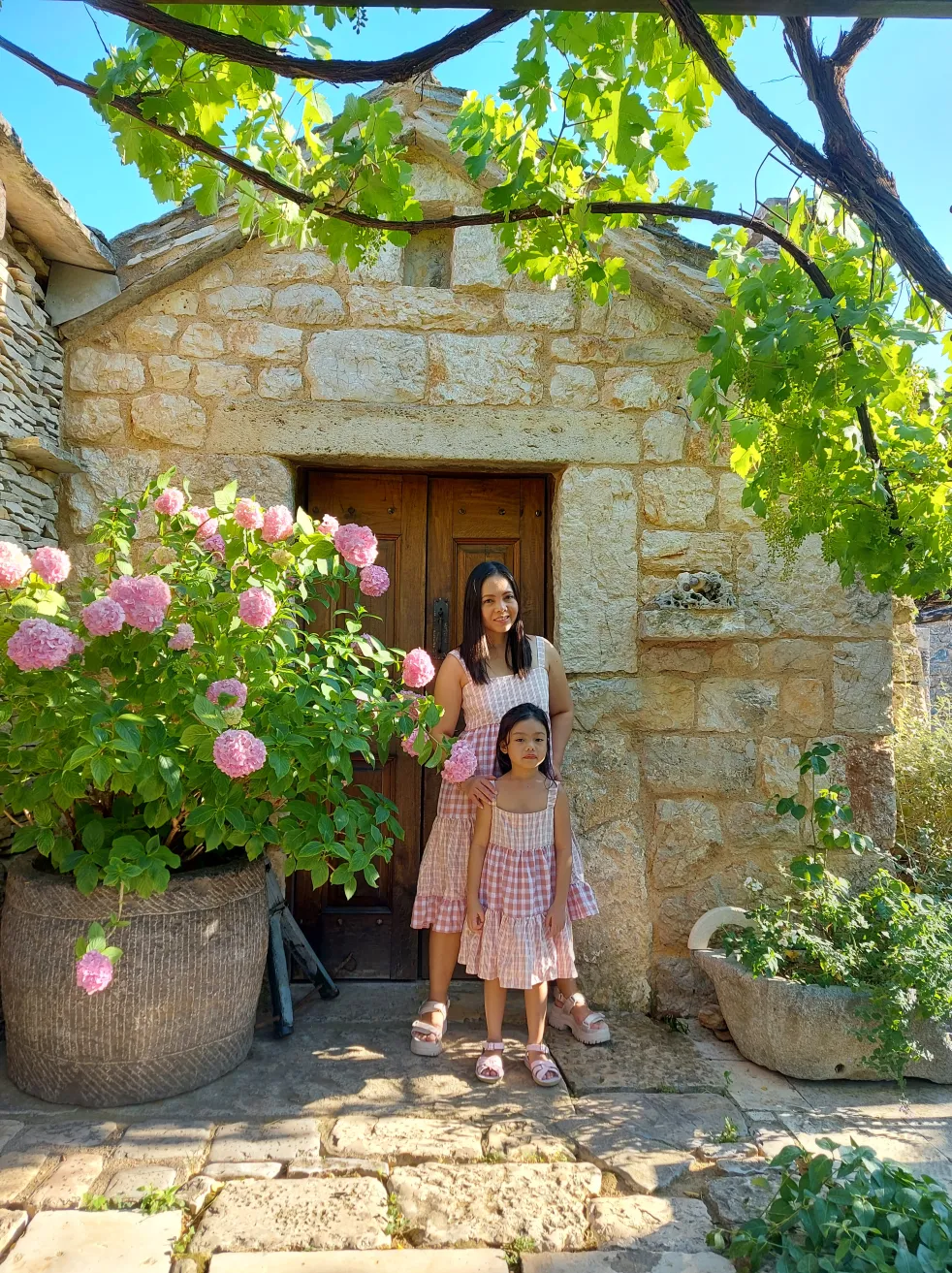
As poet and philosopher Rumi once eloquently said, “raise your words, not your voice. It is rain that grows flowers, not thunder.” Parenting is a challenging journey, and the truth is that nobody has everything figured out. One parenting style might suit others best, and some might favor other methods. However, children respond better to… Continue reading A SIMPLE GUIDE TO GENTLE PARENTING
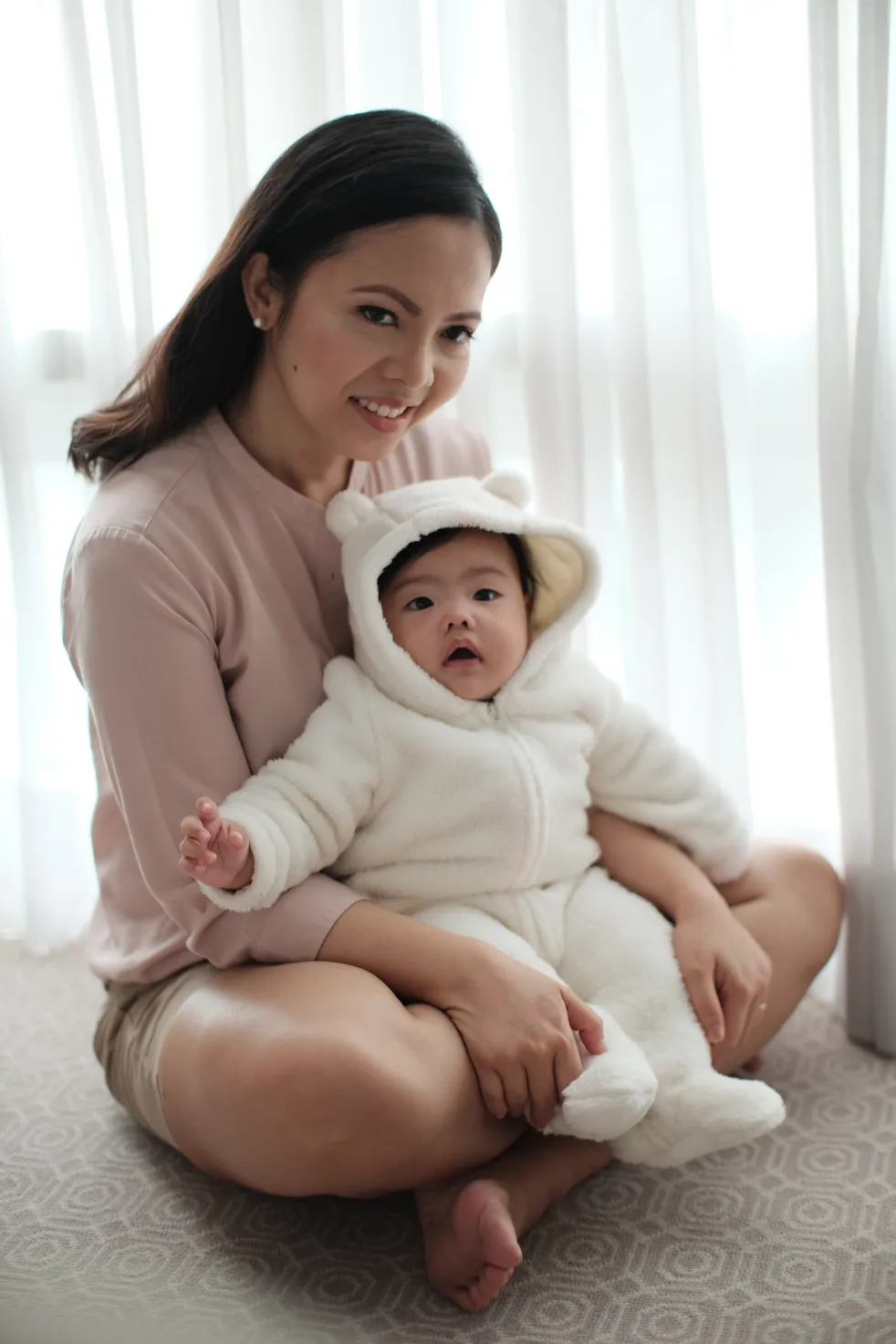
Whether you’re a new mom to be, mom of a toddler, mom who have school-aged kids, you’re bound to have so many questions. Let's start with your baby's skin. Infant skin has unique needs; gentle care is essential to prevent damage to the skin barrier, which can lead to irritation. When caring for infant skin,… Continue reading Keeping Baby’s Diapered Skin Healthy
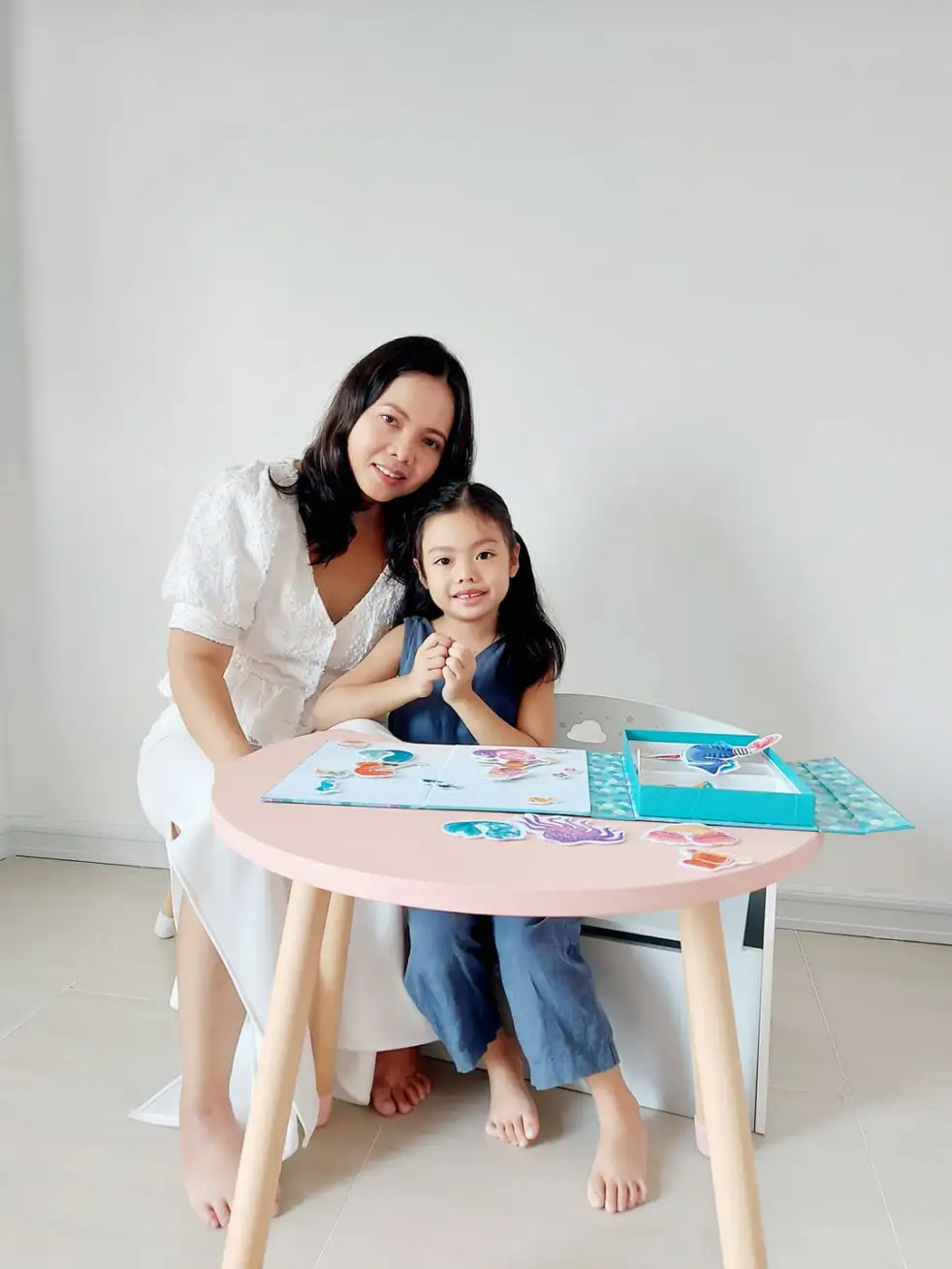
As parents, we want to give our child the best possible start in life and that begins with nurturing their intelligence. Throughout history, the notion of success has been linked to academic intelligence. However, there has been an increased awareness on the importance of emotional intelligence. This question gets at the heart of the never-ending… Continue reading IQ or EQ, which one is a better predictor of your child’s success?
 wondermomma.net