

Last August, IKEA Philippines engaged with Better World Smokey Mountain, a newly opened community center operated by the San Miguel Foundation, which shares a similar goal of improving the lives of many Filipino people. Through this partnership, IKEA Philippines provided and assembled home furnishings for the classrooms and library of Better World Smokey Mountain community… Continue reading Help Create a Better World with IKEA Soft Toys
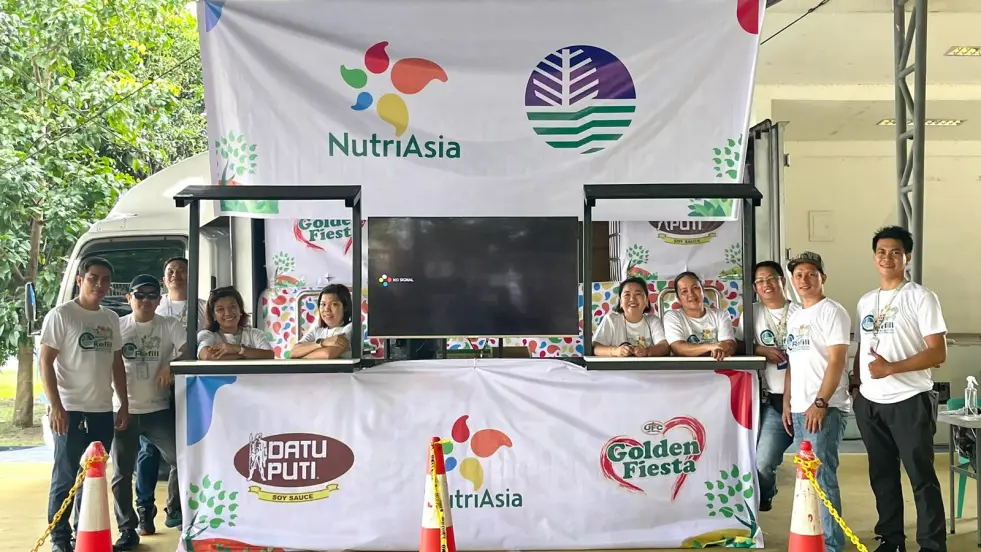
NutriAsia, the country’s top producer of condiments and sauces, continues its support of Refill Revolution; a project by the Department of Environment and Natural Resources EMB 3 that aims to help reduce Filipinos’ single-use plastics consumption. At Refill Revolution, residents get to recycle their single-use plastic bottles by reusing and filling it with their choice… Continue reading NutriAsia and DENR renews partnership for Refill Revolution

Easy Filipino Lunchbox Ideas For Australian School Days
Packing easy lunchbox ideas for Filipino kids that aren’t instant noodles can feel like a daily puzzle. Children often want familiar flavours, while parents need food that travels well, stays safe and can be eaten quickly during a short school break. Filipino-inspired meals offer plenty of practical choices beyond noodles, from rice balls and chicken skewers to sweet corn fritters.
For families in Australia, lunch also needs to suit school rules and the local climate. A meal packed before the school run in Sydney may sit through a warm morning, while children in Melbourne might need something comforting on a cooler day. An insulated lunch bag, frozen ice brick and leak-resistant containers make a noticeable difference.
Portion size matters as much as the recipe. Younger children may manage a small rice ball, sliced fruit and two chicken pieces better than one large serving. Older children can take a fuller meal with vegetables, protein and a snack. Dividing food into separate compartments keeps textures appealing and helps children choose what to eat first.
The recipes below use ingredients commonly found at Coles, Woolworths and Filipino or Asian grocery shops. They can be prepared in batches, adjusted for allergies and served warm or cold, making them suitable for Australian primary school lunchboxes.
| Lunchbox meal | Best served | Preparation shortcut | Helpful addition |
|---|---|---|---|
| Chicken adobo rice balls | Cold or room temperature | Use leftover adobo chicken | Cucumber sticks |
| Tuna and corn fritters | Cold or gently warm | Make and freeze a batch | Mandarin segments |
| Filipino-style egg sandwich | Chilled | Boil eggs the night before | Cherry tomatoes |
| Vegetable lumpia rolls | Room temperature | Bake instead of deep-frying | Banana |
| Chicken barbecue skewers | Cold or warm | Cook extra at dinner | Brown rice and peas |
Rice-Based Meals Children Can Hold
Chicken adobo rice balls are an easy way to turn leftovers into a tidy school lunch. Shred cooked adobo chicken and mix it with a little of its sauce, then combine it with cooled rice. Shape the mixture into small balls or triangles using damp hands. Wrapping each piece in a small strip of nori is optional, but it can make the lunch more exciting for children who enjoy sushi-style snacks.
Keep the flavour mild by reducing the vinegar and pepper in the family adobo recipe. Add finely grated carrot or steamed peas to the rice for extra colour and fibre. Pack the rice balls in a chilled container and include fruit separately so the rice does not become wet. If your child attends a school with a strict no-seafood policy, skip any fish sauce and check every packaged ingredient.
Mini sinangag cups are another useful option when there is leftover rice in the refrigerator. Stir-fry it with egg, spring onion and finely chopped vegetables, then press it into silicone muffin cups. Once cool, each portion can be lifted out easily and eaten without cutlery. These small servings work well during a busy lunch period or a NSW-style Crunch & Sip routine when food needs to be simple and quick.
Protein-Rich Fillings For Small Appetites
Tuna and corn fritters provide a soft, portable alternative to a sandwich. Mix canned tuna, corn kernels, egg, a little flour and grated cheese, then cook small spoonfuls in a lightly oiled pan. Choose tuna in springwater if you prefer a milder taste, and drain it thoroughly so the fritters hold together. They can be frozen between sheets of baking paper and thawed in the refrigerator overnight.
An egg sandwich with a Filipino twist is also easy to prepare. Mash boiled eggs with a small amount of mayonnaise or plain yoghurt, then add a pinch of garlic powder and finely sliced spring onion. Spread the filling between wholemeal bread and cut it into fingers or small squares. For schools that restrict eggs or mayonnaise, replace the filling with mashed avocado and shredded roast chicken.
Children who enjoy sweeter flavours may prefer peanut-free banana and oat muffins with a little grated cheese on the side. Australian schools frequently manage nut allergies, and some campuses in Melbourne, Brisbane and Perth ask families to avoid all nut products. Sunflower-seed spread or cream cheese can provide a similar satisfying texture without relying on peanut butter. Always check the individual school’s food policy before packing shared-style snacks.
Filipino Snacks With More Vegetables
Baked vegetable lumpia can bring the familiar crunch of spring rolls without the mess of deep-frying. Fill wrappers with finely chopped cabbage, carrot, green beans and a little cooked chicken or tofu. Brush lightly with oil and bake until golden. For a lunchbox, pack the rolls whole rather than with dipping sauce, which can make the wrapper soggy. A small sealed container of sweet chilli sauce is suitable only if your child’s school allows it.
Corn and cheese fritters are another child-friendly way to include vegetables. Combine corn, grated zucchini, egg and flour, then cook small rounds until firm. Squeeze excess liquid from the zucchini first, as moisture can make the fritters difficult to turn. These are particularly handy for families shopping at local farmers’ markets or buying frozen Australian corn when fresh produce is expensive.
Serve vegetable snacks with fruit that travels well, such as a banana, apple wedges brushed with lemon juice or seedless grapes. In hot areas such as Darwin or Brisbane, frozen grapes can help keep the lunchbox cool, although they should be cut lengthways for younger children. Soft foods should be packed in age-appropriate pieces to reduce choking risks.
Chicken And Fish Options For Busy Mornings
Filipino-style chicken barbecue skewers can be made without adding a sugary bottled marinade. Marinate small pieces of chicken in soy sauce, calamansi or lemon juice, garlic and a touch of brown sugar, then cook thoroughly on a grill or pan. For younger children, remove the meat from wooden skewers before packing it. Older children can eat the pieces from short, blunt lunchbox picks if their school permits them.
Cook extra chicken at dinner and use it in wraps the next day. Combine shredded chicken with lettuce, grated carrot and a little yoghurt dressing, then roll it tightly in a wholemeal tortilla. A tortilla is often easier to manage than a sandwich for children who spend lunch outdoors. In Australia, where lunch breaks may take place on open ovals or under shaded areas, a compact wrap reduces crumbs and spills.
Fish cakes made with canned salmon, potato and parsley are another useful freezer meal. Shape them into small patties, coat lightly with breadcrumbs and bake until cooked through. Salmon is readily available in Australian supermarkets, while canned sardines or mackerel can offer a lower-cost alternative if your child accepts their stronger flavour. Cool cooked seafood promptly, refrigerate it and pack it with an ice brick.
Packing Food Safely And Keeping It Appealing
Food safety is essential when lunch sits in a school bag for several hours. Cooked rice, chicken, eggs, fish and dairy should be chilled before packing and kept cold with at least one frozen brick. The Australian food-safety guideline commonly described as the “danger zone” is between 5°C and 60°C, where bacteria can multiply quickly. An insulated lunch bag should stay out of direct sun and come home for washing each afternoon.
Use small silicone cups to separate rice, protein, vegetables and fruit. This prevents a juicy mandarin or cucumber from soaking bread and gives children visible choices. Bento-style boxes are convenient, but a divided container is not automatically leakproof or cold enough, so it still needs an ice pack. Pack water in a reusable bottle and avoid sending sugary drinks as an everyday item.
A familiar dip can make vegetables more inviting. Try a mild yoghurt-garlic dip, mashed avocado or a small amount of banana ketchup, depending on your family’s preferences. Keep sauces in a secure mini container and avoid foods that become sticky during hot weather. Families looking for more practical meal planning and parenting ideas can browse family lunchbox ideas alongside these Filipino-inspired options.
Finally, rotate textures rather than repeating the same meal every day. A rice ball on Monday, fritters on Tuesday, a wrap on Wednesday and lumpia on Thursday gives children variety without requiring completely new recipes. Label containers, practise opening them before school starts and choose food your child already enjoys at home. That combination makes Filipino flavours feel familiar, manageable and well suited to the Australian school routine.

Mercato Centrale, in collaboration with Indian Women in Enterprise Philippines (I-We), is set to host "The Great Indian Fiesta" to mark 75 years of friendship between India and the Philippines. The dynamic two-day event is scheduled to take place on September 30 to October 1, 2023, at Paseo De Roxas Street, Makati City. Aiming to… Continue reading Mercato Centrale Partners with I-We to Host ‘The Great Indian Fiesta’, Commemorating 75 Years of India-Philippines Friendship

My stomach would usually start growling at 10 am even after taking a big breakfast. This is probably because I am a morning person and I move a lot throughout the day hence snacking is something that I can't avoid. This potatoes and chicken wrap recipe is easy to prepare and would keep me full… Continue reading Potato and Chicken Wrap
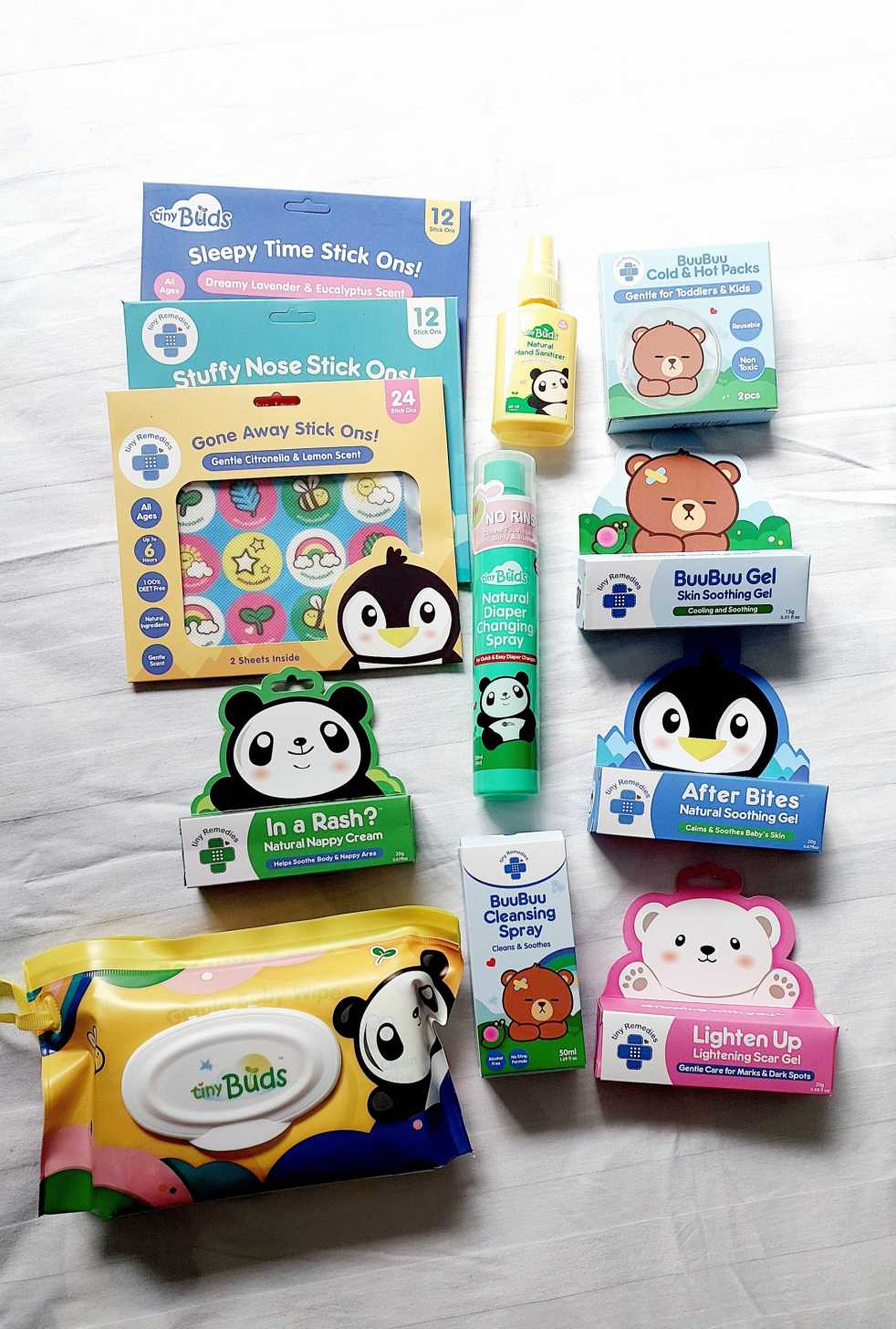
Your baby’s skin is more delicate than most, this is why you have to choose products that are designed for sensitive skin. Tiny Buds is a pioneer in integrating natural ingredients into baby care and today has over 50 innovative natural baby care essentials and is one of the Top Baby Personal Care brands. Here… Continue reading Product Review: Tiny Buds Baby Naturals Baby Essentials
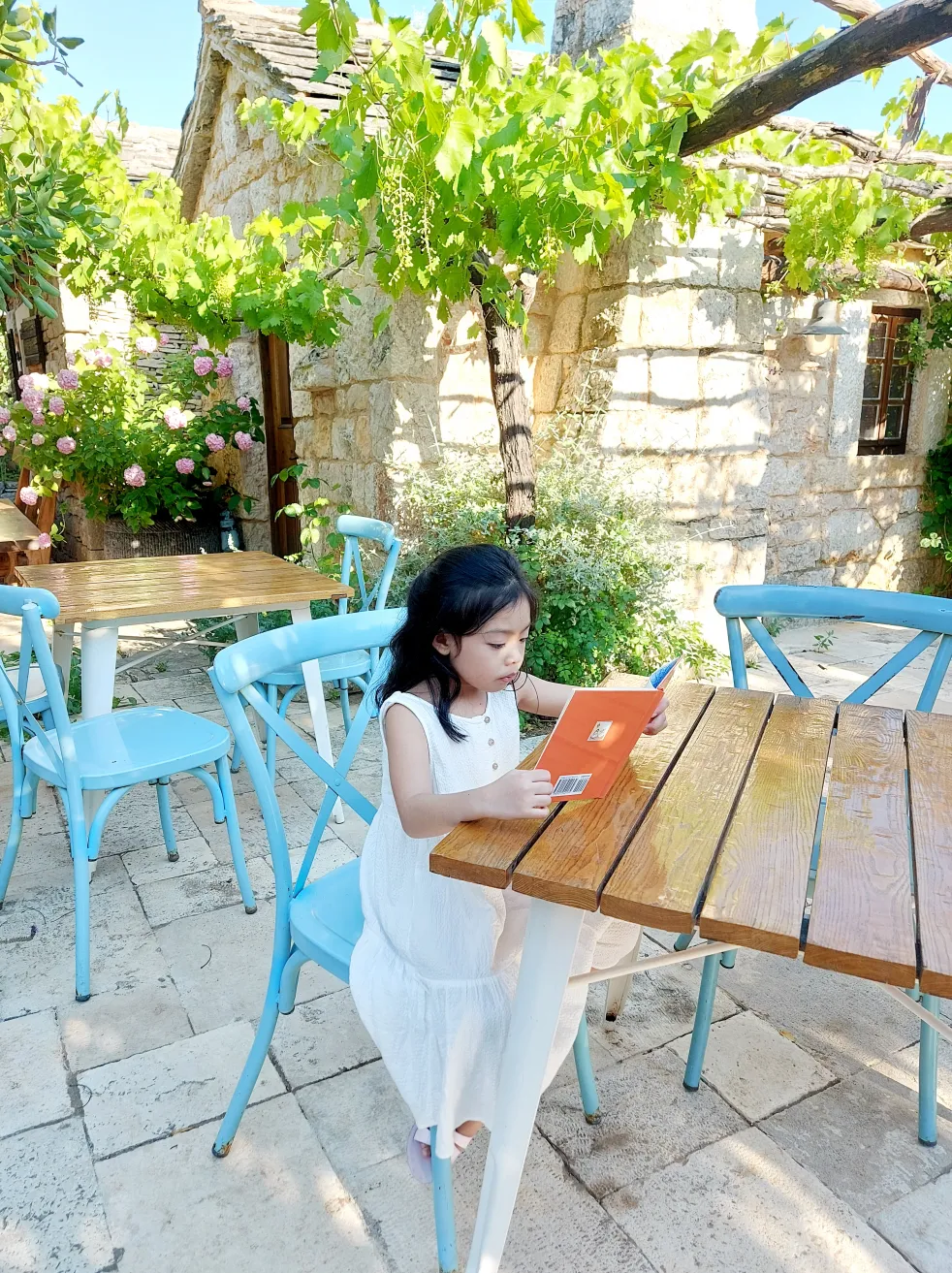
Where your child goes to school is a big decision and shouldn’t be taken lightly. Given how their education can impact their future, you might be tempted to take control and decide for them. However, you might be doing more damage than helping them in the long run. Your job as parents is to support… Continue reading HOW TO CHOOSE THE BEST SCHOOL FOR YOUR CHILD
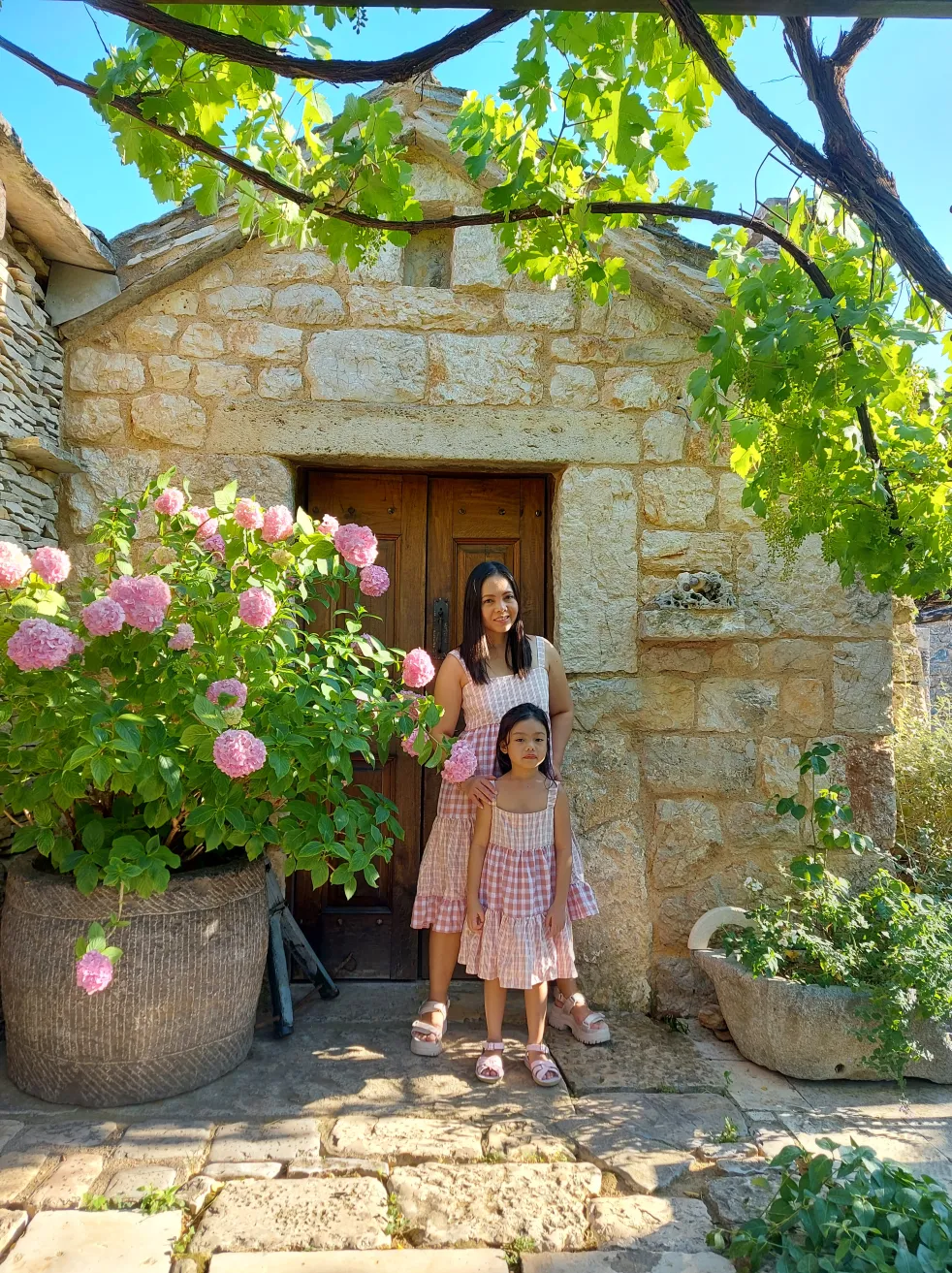
As poet and philosopher Rumi once eloquently said, “raise your words, not your voice. It is rain that grows flowers, not thunder.” Parenting is a challenging journey, and the truth is that nobody has everything figured out. One parenting style might suit others best, and some might favor other methods. However, children respond better to… Continue reading A SIMPLE GUIDE TO GENTLE PARENTING

Whether you’re a new mom to be, mom of a toddler, mom who have school-aged kids, you’re bound to have so many questions. Let's start with your baby's skin. Infant skin has unique needs; gentle care is essential to prevent damage to the skin barrier, which can lead to irritation. When caring for infant skin,… Continue reading Keeping Baby’s Diapered Skin Healthy
As parents, we want to give our child the best possible start in life and that begins with nurturing their intelligence. Throughout history, the notion of success has been linked to academic intelligence. However, there has been an increased awareness on the importance of emotional intelligence. This question gets at the heart of the never-ending… Continue reading IQ or EQ, which one is a better predictor of your child’s success?
 wondermomma.net