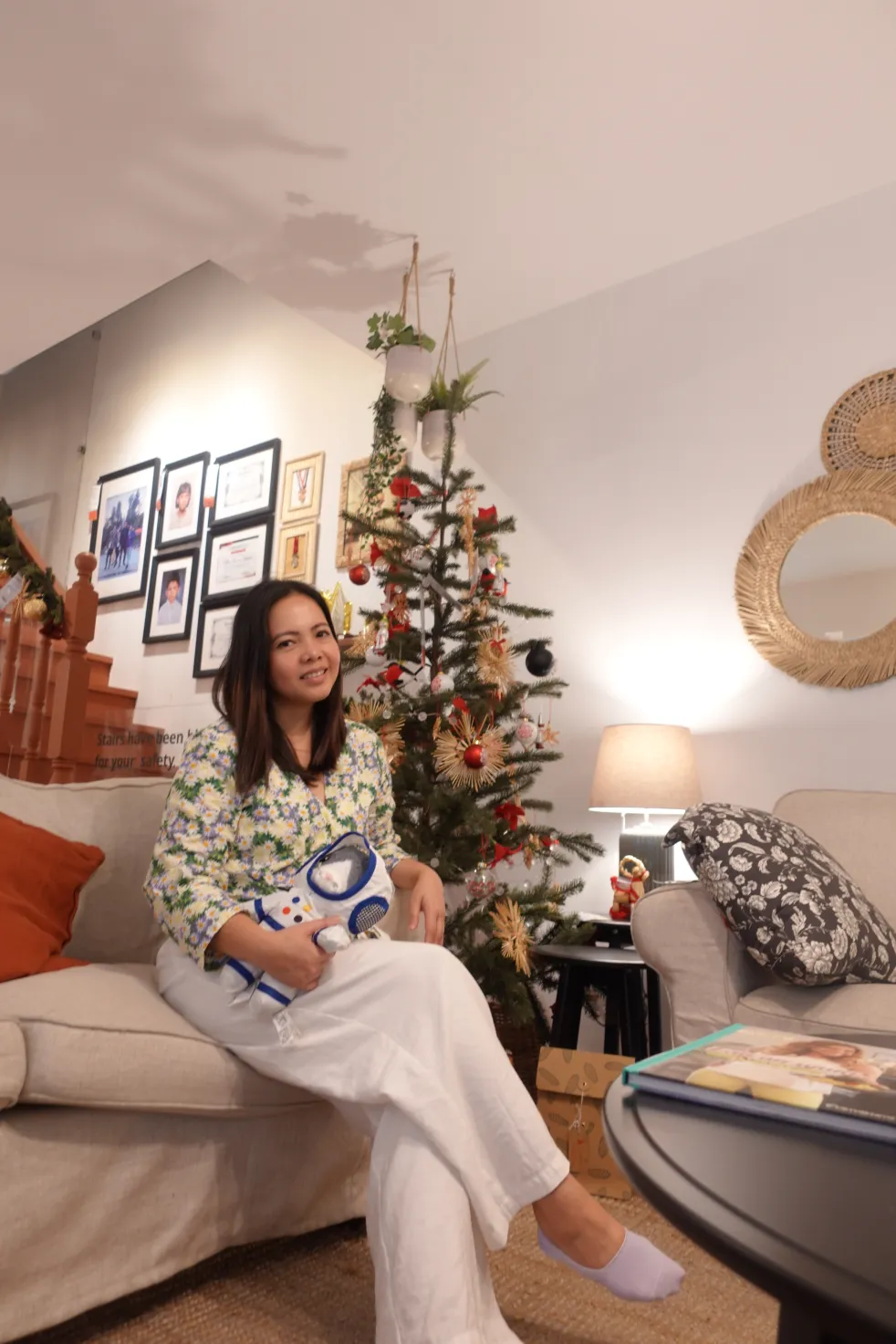
Last August, IKEA Philippines engaged with Better World Smokey Mountain, a newly opened community center operated by the San Miguel Foundation, which shares a similar goal of improving the lives of many Filipino people. Through this partnership, IKEA Philippines provided and assembled home furnishings for the classrooms and library of Better World Smokey Mountain community… Continue reading Help Create a Better World with IKEA Soft Toys
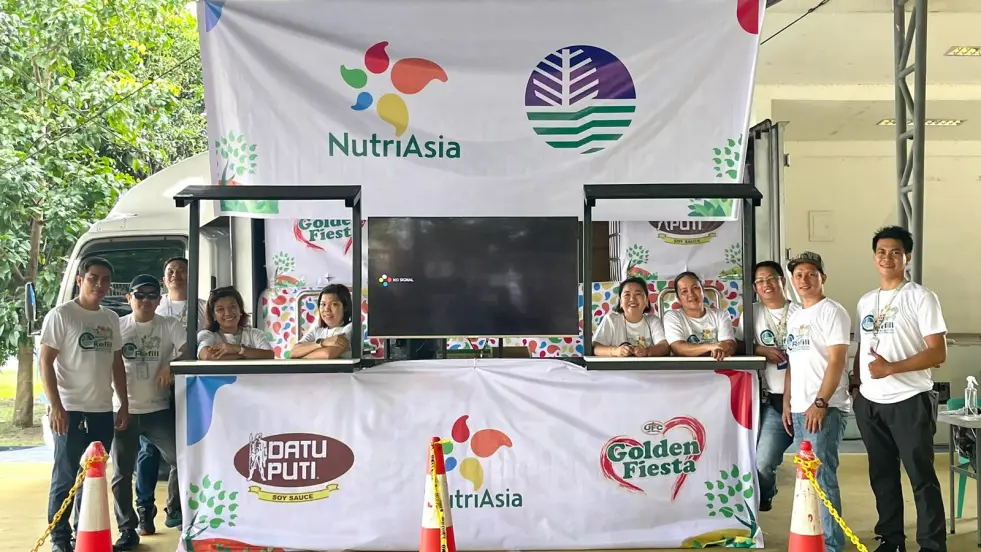
NutriAsia, the country’s top producer of condiments and sauces, continues its support of Refill Revolution; a project by the Department of Environment and Natural Resources EMB 3 that aims to help reduce Filipinos’ single-use plastics consumption. At Refill Revolution, residents get to recycle their single-use plastic bottles by reusing and filling it with their choice… Continue reading NutriAsia and DENR renews partnership for Refill Revolution
Easy DIY Musical Instruments for Babies Using Recycled Materials
Babies are natural sound explorers. A cardboard tube becomes a drumstick, a sealed container makes a gentle shaker, and a wooden spoon can turn an ordinary kitchen moment into a small music session. These simple discoveries support listening, movement, early communication and cause-and-effect learning without requiring expensive baby toys.
Homemade instruments are especially useful when they are designed around a baby’s stage of development. Young babies may watch and listen, while older babies can grasp, shake, tap and crawl towards a sound. The activity can stay simple: sing a familiar song, copy your child’s rhythm or pause so they can respond.
For Australian families, recycled craft materials are usually easy to find at home, from clean cereal boxes and yoghurt tubs to paper bags and delivery cartons. Recycling rules vary between councils in places such as Brisbane, Perth and Melbourne, so check local guidance before placing leftover materials in a household bin.
The safest creations are large, smooth, securely closed and easy for an adult to inspect. A homemade musical instrument should be used during awake, supervised play rather than placed in a cot or left within reach when a baby is alone. The following ideas focus on quiet, low-cost sound play with practical safety in mind.
| Instrument | Recycled materials | Sound and skill | Suitable use |
|---|---|---|---|
| Soft box drum | Cereal box, paper and tape | Gentle tapping and turn-taking | Seated or tummy-time play |
| Sealed shaker | Large food tub and dry pasta | Grasping, shaking and listening | Close adult supervision |
| Rain stick tube | Cardboard tube and paper | Slow rolling and sound tracking | Floor play with an adult |
| Lid tambourine | Large plastic lids and sturdy card | Rhythm and visual attention | For older babies, supervised |
| Spoon rhythm set | Wooden spoon and cardboard box | Cause and effect | Shared lap or floor activity |
Safe Materials For Baby Music
Begin with materials that are clean, dry and free from sharp edges. A large plastic food container, a sturdy cardboard box, plain paper, masking tape and a wooden spoon are useful starting points. Wash containers thoroughly and allow them to dry completely so leftover food does not attract mould or become a hygiene concern.
Avoid glass, metal cans with exposed rims, polystyrene, brittle plastic and anything that flakes when scratched. Do not use materials that have held cleaning products, medicines or chemicals. Small craft decorations, beads, bells, bottle tops and dried beans can become choking hazards if a container opens or breaks.
Button batteries deserve particular caution. They can cause severe internal injuries if swallowed, and Australian product safety rules require warning, design and disposal measures for products that contain them. The simplest approach for baby crafts is to avoid batteries entirely and choose hand-made sounds.
If an instrument is torn, cracked, damp or loose, remove it immediately. Families can find broader baby-care and play ideas through WonderMomma family resources while keeping homemade projects suited to the child’s current abilities.
A Gentle Box Drum
A cereal box makes a lightweight first drum. Empty it, flatten any sharp corners and cover the outside with plain paper. Secure the paper with wide tape on the back rather than adding stickers, glitter or glued decorations that a baby might pull away.
Place the box on the floor and tap it with your open palm. Show a slow beat, then pause. Babies learn through repetition, so a short pattern such as tap-tap, pause, tap can be more engaging than constant noise. If the sound seems too loud, place a folded tea towel inside the box or tap more softly.
For a younger baby, hold the box steady and let them watch your hand. A baby who can sit may pat the surface with an open hand. Older babies can experiment with a wooden spoon, but an adult should remain close because spoons can be pushed into mouths or used to hit nearby faces.
Shakers From Food Containers
A sealed shaker can be made from a large, strong food tub with a screw-top lid. Put in a small amount of dry rice or pasta, leaving plenty of empty space so the sound stays gentle. Close the lid firmly, then cover the join with several layers of strong tape.
Do not hand a baby a shaker filled with loose grains, tiny pasta shapes or bottle caps. Test the container yourself by twisting, squeezing and dropping it from a low height. If the lid shifts, the plastic splits or the tape peels, discard the project rather than repairing it for infant use.
Sit near your baby and move the shaker slowly from side to side so they can track the sound. Offer one instrument at a time and allow a quiet pause after each shake. This turns noise into a listening game and helps a baby notice that their movement creates an effect.
Cardboard Tube Sound Play
A cardboard postal tube or thick kitchen-roll tube can create a rolling or tapping instrument. Cover both ends securely with several layers of paper and tape, then check that no cardboard fibres or pointed edges are exposed. Never leave the tube open if a baby might mouth it.
For a soft rain-like sound, an adult can hold and tilt the closed tube while the baby watches. A few large, securely fixed internal dividers made from cardboard can change the sound, but they must not be loose. Keep the instrument long enough that it cannot fit fully into a child’s mouth.
In a Sydney or Melbourne apartment, this activity works well on a play mat because it creates less noise than hard plastic toys. Roll the tube slowly towards your baby, stop before it reaches them, and wait for a look, reach or crawl. This encourages anticipation without turning the activity into a race.
Homemade Rhythm Games
A wooden spoon and a sturdy cardboard box offer several sound combinations without adding small parts. An adult can tap the spoon on the box, the floor or their own palm, then invite the baby to copy the movement. Keep the tempo relaxed and avoid tapping directly beside the baby’s ears.
You can add singing, clapping and simple words such as “tap,” “stop,” “again” and “soft.” These repeated cues support early language because babies hear the same sounds alongside predictable actions. A baby does not need to keep a beat; exploring volume, speed and pauses is the learning experience.
For an older baby who can sit securely, place two large, lightweight objects in front of them and demonstrate one at a time. Avoid giving two rigid objects that could be swung at another child. If siblings join in, create space between them and make turn-taking part of the game.
Cleaning, Storage And Local Safety
Wash reusable plastic containers before crafting and wipe instruments after play. Cardboard should be replaced when it becomes wet or heavily chewed. Store finished items in a closed cupboard, away from pets and younger siblings who may be able to dismantle them.
Australian recycling systems differ by council, and soft plastic packaging may not belong in kerbside bins. Check the instructions for your local area before disposing of tape-covered cardboard or mixed-material crafts. Buying fewer single-use craft supplies and reusing safe household packaging can make the activity more economical as well as reducing waste.
If a homemade item is made for sale, a market stall or a giveaway at a community event, different responsibilities may apply under the Australian Consumer Law. Homemade does not automatically mean compliant, and children’s products may need to meet relevant mandatory standards. For family use, careful supervision remains essential, but commercial distribution calls for professional safety and legal checks.
Practical Guidelines For Safer Sound Play
- Choose containers and parts too large to fit completely into a baby’s mouth.
- Inspect every seam, lid, edge and taped section before each play session.
- Keep button batteries, magnets, beads, bells and loose grains out of baby instruments.
- Use soft tapping and keep loud sounds away from a baby’s ears.
- Stay within arm’s reach while a baby shakes, rolls or mouths the instrument.
- Replace cardboard items as soon as they become damp, torn or heavily chewed.
- Put homemade instruments away after play rather than leaving them in a cot or pram.
The best DIY instrument is one that matches the child’s age, movement and curiosity. A baby may prefer watching a parent tap a box to holding anything themselves, and that is perfectly useful play. With a few safe recycled materials, music becomes a shared everyday experience built around listening, connection and discovery.

Mercato Centrale, in collaboration with Indian Women in Enterprise Philippines (I-We), is set to host "The Great Indian Fiesta" to mark 75 years of friendship between India and the Philippines. The dynamic two-day event is scheduled to take place on September 30 to October 1, 2023, at Paseo De Roxas Street, Makati City. Aiming to… Continue reading Mercato Centrale Partners with I-We to Host ‘The Great Indian Fiesta’, Commemorating 75 Years of India-Philippines Friendship

My stomach would usually start growling at 10 am even after taking a big breakfast. This is probably because I am a morning person and I move a lot throughout the day hence snacking is something that I can't avoid. This potatoes and chicken wrap recipe is easy to prepare and would keep me full… Continue reading Potato and Chicken Wrap
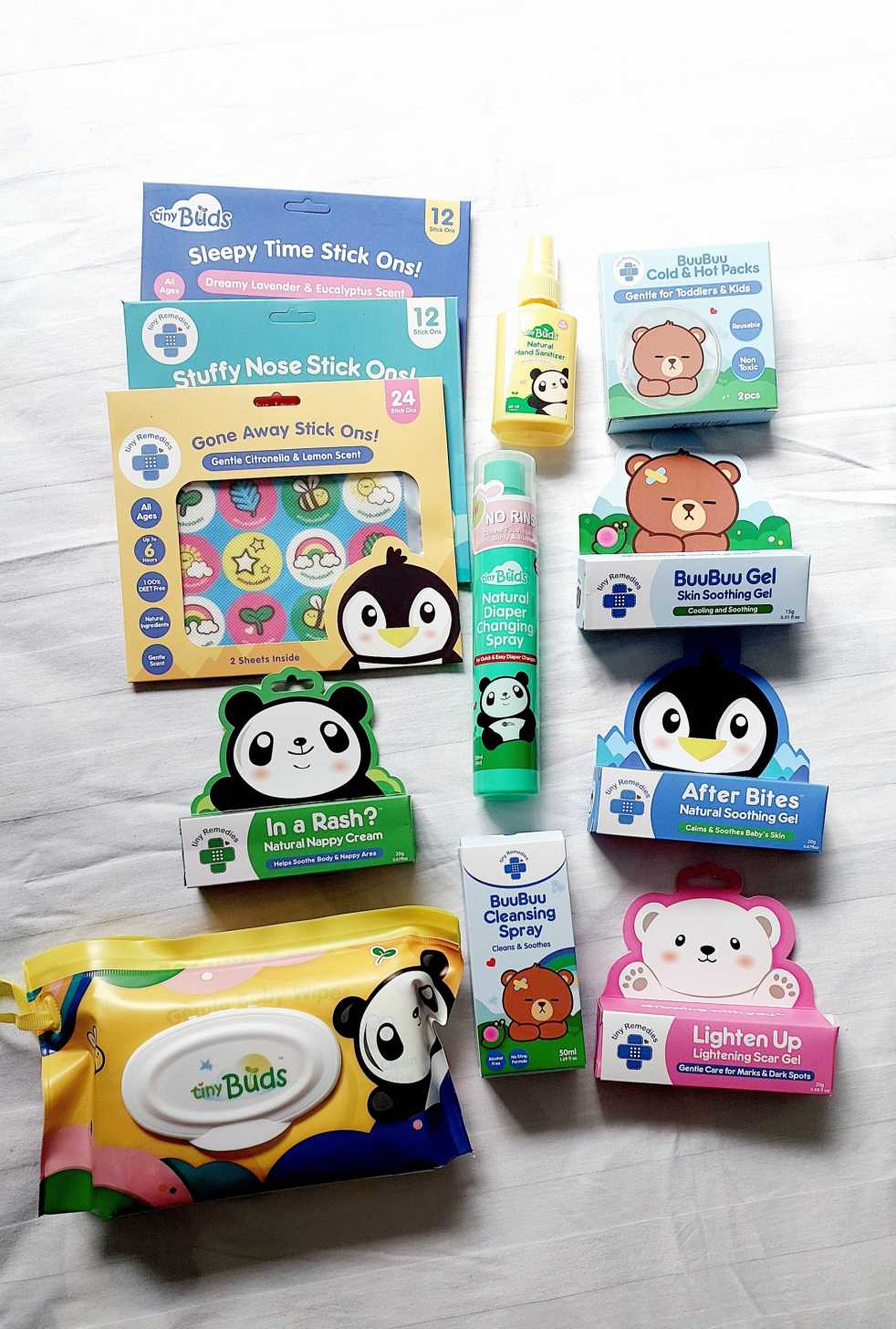
Your baby’s skin is more delicate than most, this is why you have to choose products that are designed for sensitive skin. Tiny Buds is a pioneer in integrating natural ingredients into baby care and today has over 50 innovative natural baby care essentials and is one of the Top Baby Personal Care brands. Here… Continue reading Product Review: Tiny Buds Baby Naturals Baby Essentials
Where your child goes to school is a big decision and shouldn’t be taken lightly. Given how their education can impact their future, you might be tempted to take control and decide for them. However, you might be doing more damage than helping them in the long run. Your job as parents is to support… Continue reading HOW TO CHOOSE THE BEST SCHOOL FOR YOUR CHILD
As poet and philosopher Rumi once eloquently said, “raise your words, not your voice. It is rain that grows flowers, not thunder.” Parenting is a challenging journey, and the truth is that nobody has everything figured out. One parenting style might suit others best, and some might favor other methods. However, children respond better to… Continue reading A SIMPLE GUIDE TO GENTLE PARENTING
Whether you’re a new mom to be, mom of a toddler, mom who have school-aged kids, you’re bound to have so many questions. Let's start with your baby's skin. Infant skin has unique needs; gentle care is essential to prevent damage to the skin barrier, which can lead to irritation. When caring for infant skin,… Continue reading Keeping Baby’s Diapered Skin Healthy
As parents, we want to give our child the best possible start in life and that begins with nurturing their intelligence. Throughout history, the notion of success has been linked to academic intelligence. However, there has been an increased awareness on the importance of emotional intelligence. This question gets at the heart of the never-ending… Continue reading IQ or EQ, which one is a better predictor of your child’s success?
 wondermomma.net