
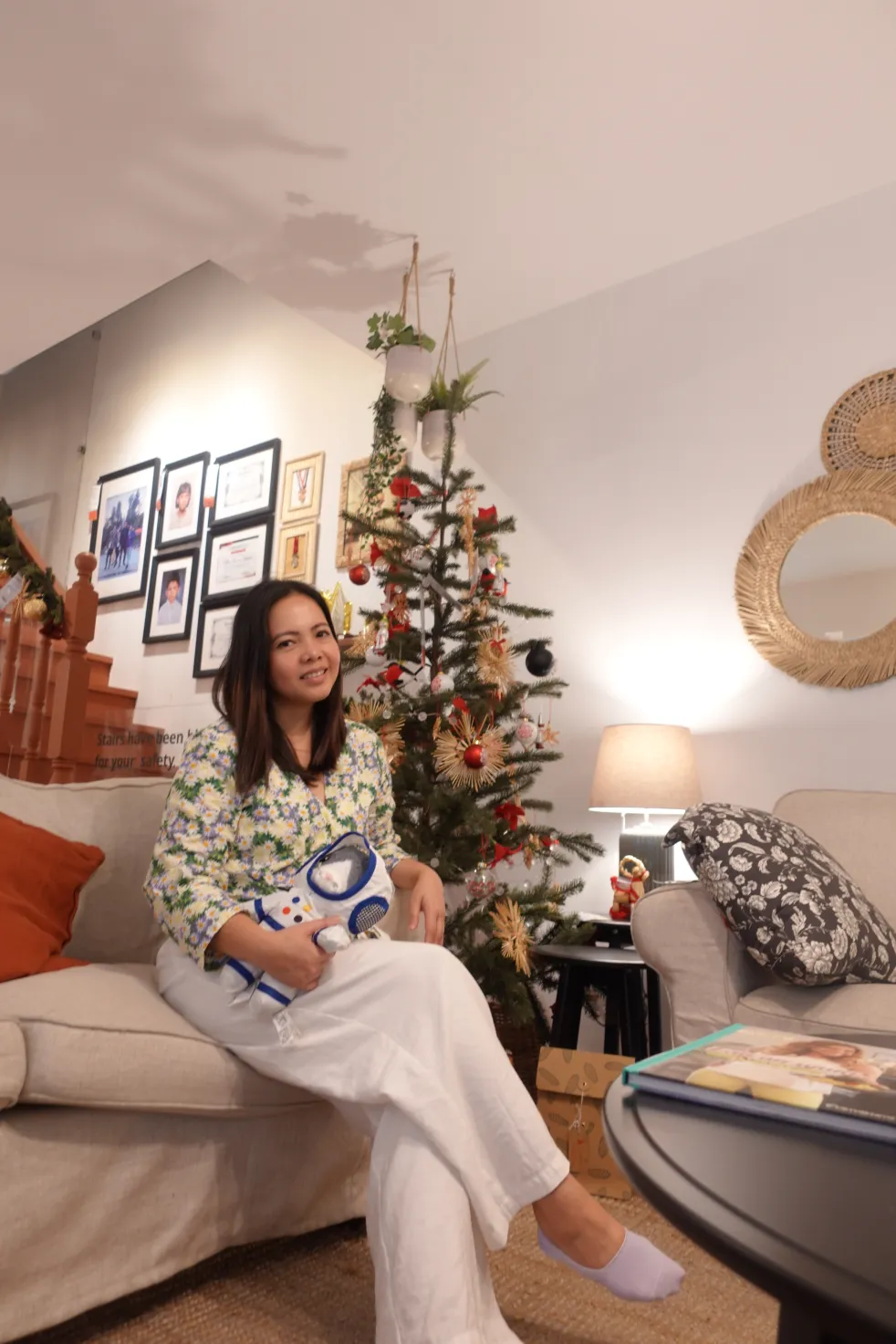
Last August, IKEA Philippines engaged with Better World Smokey Mountain, a newly opened community center operated by the San Miguel Foundation, which shares a similar goal of improving the lives of many Filipino people. Through this partnership, IKEA Philippines provided and assembled home furnishings for the classrooms and library of Better World Smokey Mountain community… Continue reading Help Create a Better World with IKEA Soft Toys
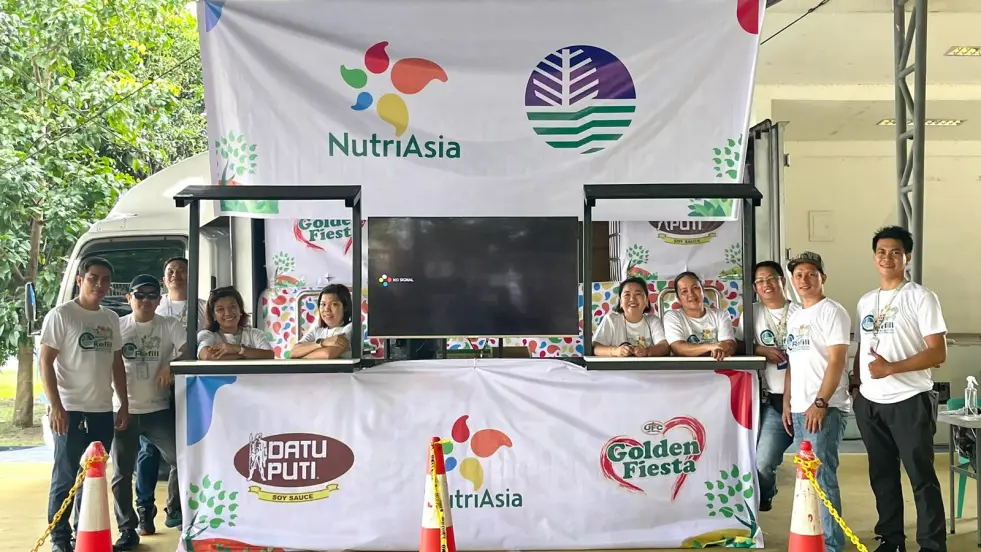
NutriAsia, the country’s top producer of condiments and sauces, continues its support of Refill Revolution; a project by the Department of Environment and Natural Resources EMB 3 that aims to help reduce Filipinos’ single-use plastics consumption. At Refill Revolution, residents get to recycle their single-use plastic bottles by reusing and filling it with their choice… Continue reading NutriAsia and DENR renews partnership for Refill Revolution

Easy DIY Busy Boards for Toddlers Using Household Items
Toddlers learn through touch, movement, repetition, and curiosity. A homemade busy board gives little hands a safe way to practise everyday skills such as fastening, pulling, turning, matching, and opening. It can also provide a screen-free activity during quiet play, travel preparation, or a busy afternoon at home.
The best sensory boards do not need expensive Montessori materials or specialist tools. Many useful components are already in a family home: fabric scraps, large buttons, ribbons, plastic containers, cardboard tubes, measuring cups, and old clothing fasteners. With thoughtful preparation, these ordinary objects can become an engaging fine-motor activity.
A DIY activity board should always match your child’s age and abilities. Toddlers need close supervision, especially when a project includes small parts, cords, magnets, batteries, or items that could break. The goal is purposeful exploration in a safe, relaxed setting rather than a complicated craft project.
Why busy boards support early learning
A busy board encourages toddlers to use their hands with intention. When a child twists a lid, pushes a switch, or pulls a zipper, they are developing hand strength, finger control, hand-eye coordination, and bilateral coordination. These skills support later activities such as drawing, dressing, feeding, and using classroom tools.
The board also introduces practical life skills. A child can learn how a buckle works before using one on a bag, or practise fastening a large zip before dressing independently. Repeated attempts help toddlers understand cause and effect while building patience and confidence.
Sensory play is another benefit. Different textures, sounds, and types of movement give children opportunities to compare soft and rough surfaces, quiet and noisy objects, and easy and challenging actions. Keep the experience playful and follow your child’s interest rather than expecting them to complete every feature.
Choosing a safe base and materials
A sturdy wooden board is a popular base, but thick corrugated cardboard, a firm plastic tray, or a large unused cutting board may work as well. The surface should be smooth, stable, and free from sharp edges, peeling paint, splinters, and loose staples. Sand wooden edges carefully and cover corners with strong fabric tape if needed.
Choose large, durable pieces that cannot fit through a toddler’s mouth. Avoid loose beads, coins, small bells, detachable magnets, button batteries, safety pins, and fragile plastic. Long cords and ribbons can create a strangulation risk, so avoid them or keep them very short and securely stitched. Never include an electrical outlet, real plug, sharp tool, or working lock that could trap fingers.
Before giving the board to your child, pull firmly on every attachment and inspect it regularly. Check for cracked plastic, loose screws, frayed fabric, and peeling adhesive. A homemade toy needs ongoing maintenance, particularly when it is used by an enthusiastic toddler.
Household objects that work well
Begin with a small collection of items that offer different actions. A large zipper from an old bag can provide open-and-close practice, while a wide fabric strap and plastic buckle can teach fastening. Large hook-and-loop tape offers an easier starting point for younger toddlers.
Plastic jar lids can be attached securely for twisting practice, provided the lids are oversized and firmly fixed. A clean, empty tissue box can become a peekaboo flap, and a cardboard tube can create a simple posting activity for large fabric squares or soft scarves. Do not use objects that can splinter, shatter, or release sharp edges.
Texture squares made from denim, fleece, cotton, and corduroy add variety. A silicone baking brush, a large textured hair roller, or a clean rubber mat can also provide interesting surfaces. Keep the board uncluttered: a few well-spaced activities are easier for small hands to explore than a crowded collection of gadgets.
Simple board ideas for different skill levels
For a beginner board, attach a large zipper, a wide buckle, a flap with hook-and-loop tape, and one oversized lid. Demonstrate each action slowly, then let your toddler experiment. If a child struggles, make the first step easier by partly opening the zipper or leaving the buckle unfastened.
An intermediate board can include a large shoelace threaded through wide holes, a chunky toggle, a soft pouch with a flap, and a set of nesting plastic cups. Use a thick cord with sealed ends, keep the holes widely spaced, and supervise closely. The activity should involve pulling and threading without creating a loop around the child’s neck or wrist.
For a sensory variation, add fabric swatches, a crinkly layer sealed inside fabric, and a section of smooth silicone. Sound-making features should be gentle and securely enclosed. Avoid loud squeakers or anything that could be bitten open. A board can also include a simple colour-matching task using large fabric patches attached permanently to the surface.
| Household item | Skill practised | Safer way to attach or use it |
|---|---|---|
| Large zipper | Pulling and dressing skills | Stitch or screw it securely to a fabric panel |
| Wide plastic buckle | Hand strength and fastening | Use a short, flat strap with no loose loop |
| Jar lid | Twisting and cause-and-effect learning | Fix the lid base firmly and check for cracks |
| Fabric scraps | Texture recognition and sensory exploration | Sew edges or attach them flat |
| Hook-and-loop tape | Opening, closing, and grasping | Use broad strips with rounded corners |
| Cardboard flap | Object permanence and pretend play | Reinforce the hinge with strong fabric tape |
| Large plastic cups | Posting, stacking, and matching | Use unbreakable cups without small handles |
How to make a homemade activity board
Start by sketching the layout on paper. Leave enough space around each item for a toddler’s fingers, and place the easiest activities near the centre. Heavy or raised pieces should be attached low on the board so the surface remains stable when touched.
If using wood, pre-drill holes before adding screws, and cover screw heads with secure caps or strong tape. If using cardboard, glue alone may not withstand repeated pulling, so reinforce attachments with fabric, tape, or stitching. Allow all adhesives, paint, and sealants to dry fully in a well-ventilated area before the board comes near a child.
Introduce one or two features at a time. Sit beside your toddler and model the action without taking over. Simple words such as “pull,” “turn,” “open,” and “close” connect movement with language. Some children will focus on one fastener for several days, while others will move quickly from one activity to another.
Matching activities to your toddler
Younger toddlers often enjoy large, simple actions. A flap to lift, a soft patch to touch, or a broad strip of hook-and-loop tape can be more satisfying than a difficult buckle. Choose features that give immediate feedback, such as a lid that turns or a zipper that opens smoothly.
Older toddlers may be ready for two-step tasks. They can open a pouch, find a large fabric shape, and match it to a colour on the board. They may also enjoy sorting large objects into attached pockets, practising a simple shoe fastener, or helping to “repair” a pretend bag with a buckle.
Watch for frustration, fatigue, or repetitive chewing. Those signs mean the activity needs a break, a simpler feature, or closer supervision. Rotate the board every few weeks by covering one section with a removable fabric panel or changing the order of familiar tasks. Novelty can renew interest without requiring a completely new toy.
Practical tips for everyday play
A busy board works best when it is available for short, relaxed periods. It can be placed on the floor during supervised floor play or secured to a low, stable surface. Never attach it to a crib, cot, high chair, stroller, or car seat, where loose parts or straps could become hazardous.
These recommendations help keep homemade activity boards enjoyable and age-appropriate:
- Inspect every feature before each play session, especially after vigorous pulling or chewing.
- Choose large parts, rounded edges, washable materials, and secure stitching or screws.
- Stay within arm’s reach when the board includes fasteners, fabric strips, or moving components.
- Clean the surface regularly with child-safe methods, and discard anything cracked or frayed.
- Stop using the board when your child outgrows the level of supervision it requires.
A busy board should complement active play, books, music, outdoor movement, and real participation in family routines. Toddlers also learn by helping to wipe a table, place clothes in a basket, or open a safe container with an adult nearby. The homemade board is one useful tool among many, not a replacement for connection and conversation.
Gather a few sturdy household items, prepare a simple design, and build one small section at a time. With regular safety checks and patient play, an ordinary board can become a meaningful invitation for your toddler to explore, practise, and grow. Share the finished activity with your family, and save this guide for your next screen-free play session.

Mercato Centrale, in collaboration with Indian Women in Enterprise Philippines (I-We), is set to host "The Great Indian Fiesta" to mark 75 years of friendship between India and the Philippines. The dynamic two-day event is scheduled to take place on September 30 to October 1, 2023, at Paseo De Roxas Street, Makati City. Aiming to… Continue reading Mercato Centrale Partners with I-We to Host ‘The Great Indian Fiesta’, Commemorating 75 Years of India-Philippines Friendship

My stomach would usually start growling at 10 am even after taking a big breakfast. This is probably because I am a morning person and I move a lot throughout the day hence snacking is something that I can't avoid. This potatoes and chicken wrap recipe is easy to prepare and would keep me full… Continue reading Potato and Chicken Wrap
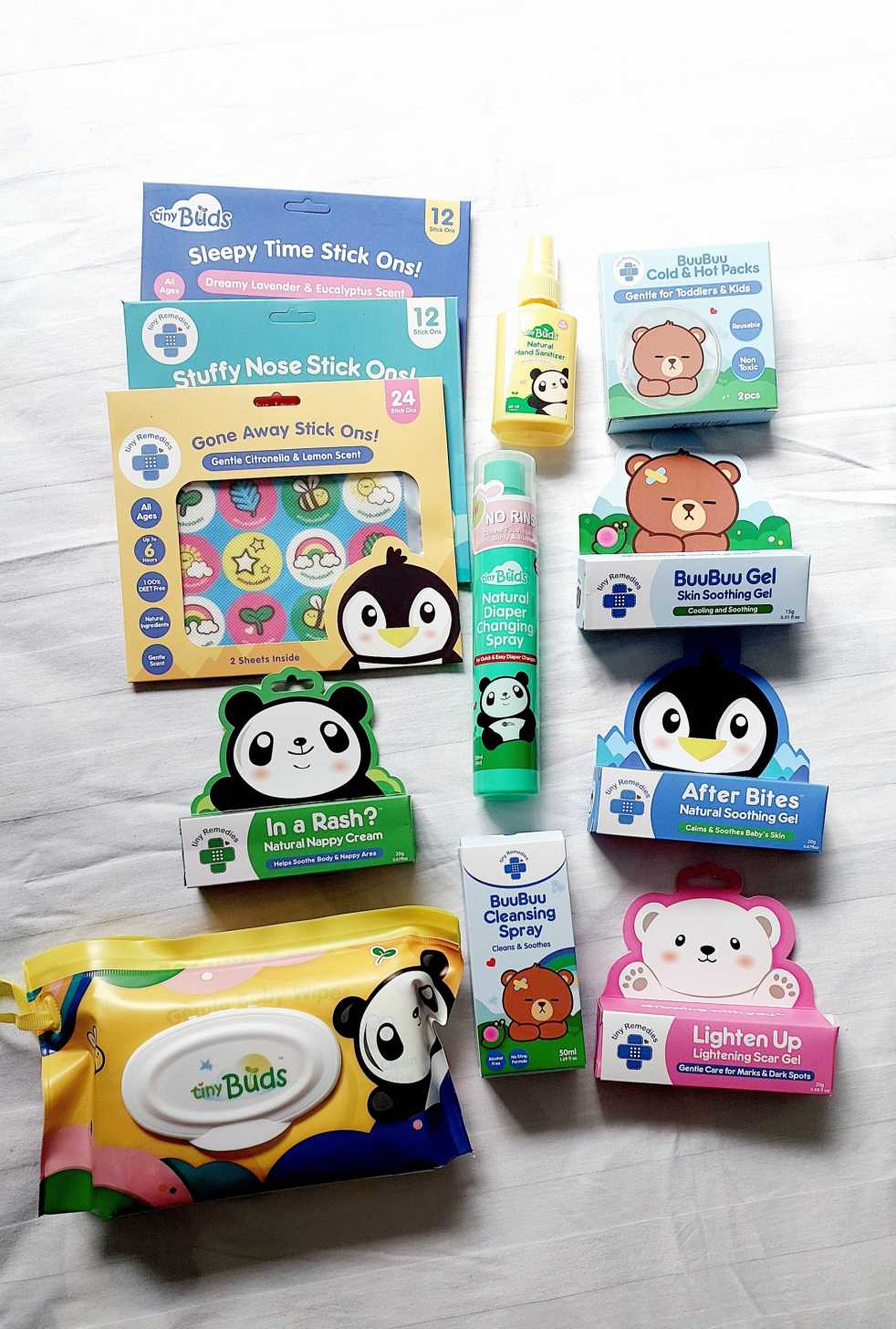
Your baby’s skin is more delicate than most, this is why you have to choose products that are designed for sensitive skin. Tiny Buds is a pioneer in integrating natural ingredients into baby care and today has over 50 innovative natural baby care essentials and is one of the Top Baby Personal Care brands. Here… Continue reading Product Review: Tiny Buds Baby Naturals Baby Essentials
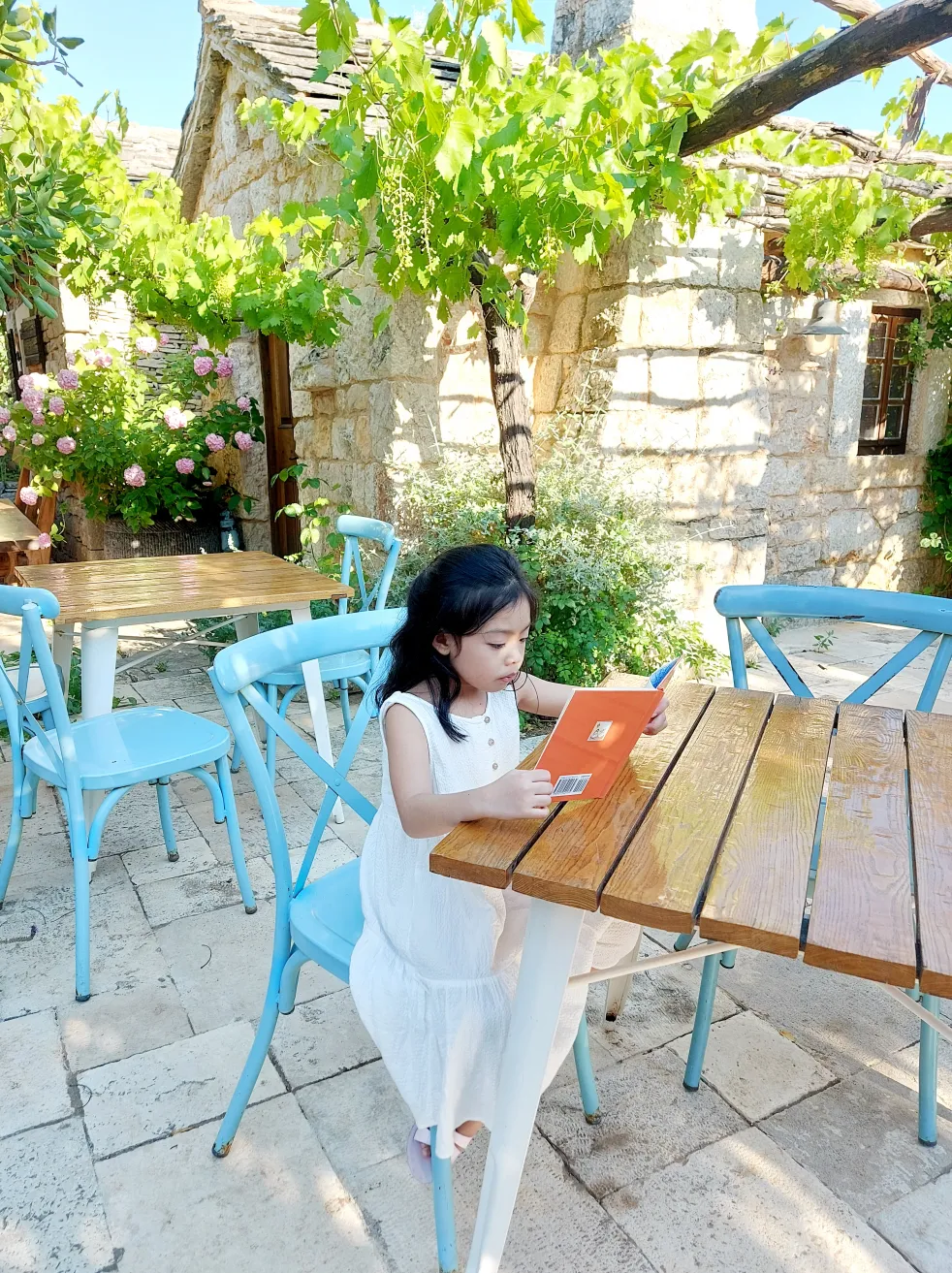
Where your child goes to school is a big decision and shouldn’t be taken lightly. Given how their education can impact their future, you might be tempted to take control and decide for them. However, you might be doing more damage than helping them in the long run. Your job as parents is to support… Continue reading HOW TO CHOOSE THE BEST SCHOOL FOR YOUR CHILD
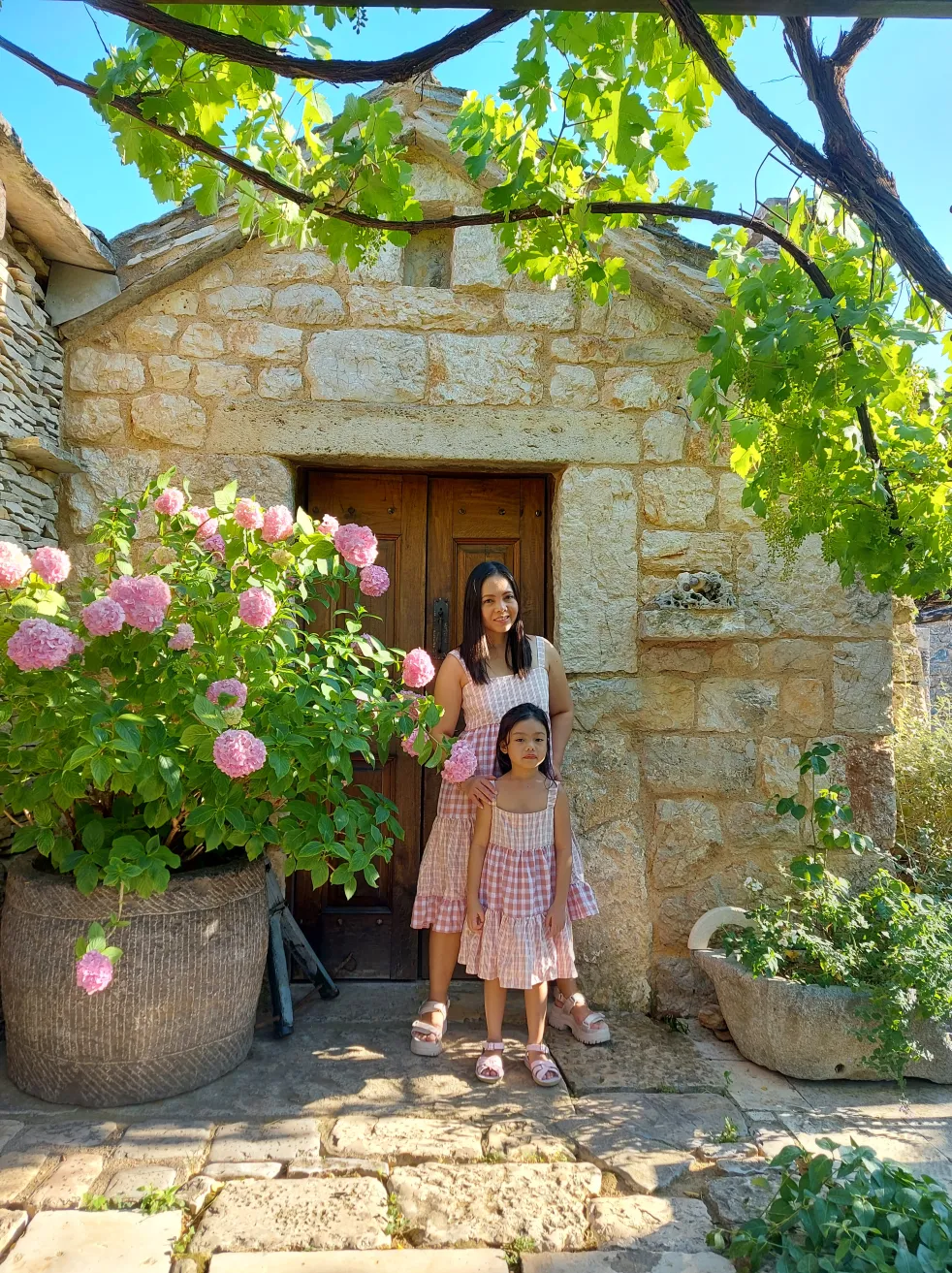
As poet and philosopher Rumi once eloquently said, “raise your words, not your voice. It is rain that grows flowers, not thunder.” Parenting is a challenging journey, and the truth is that nobody has everything figured out. One parenting style might suit others best, and some might favor other methods. However, children respond better to… Continue reading A SIMPLE GUIDE TO GENTLE PARENTING

Whether you’re a new mom to be, mom of a toddler, mom who have school-aged kids, you’re bound to have so many questions. Let's start with your baby's skin. Infant skin has unique needs; gentle care is essential to prevent damage to the skin barrier, which can lead to irritation. When caring for infant skin,… Continue reading Keeping Baby’s Diapered Skin Healthy
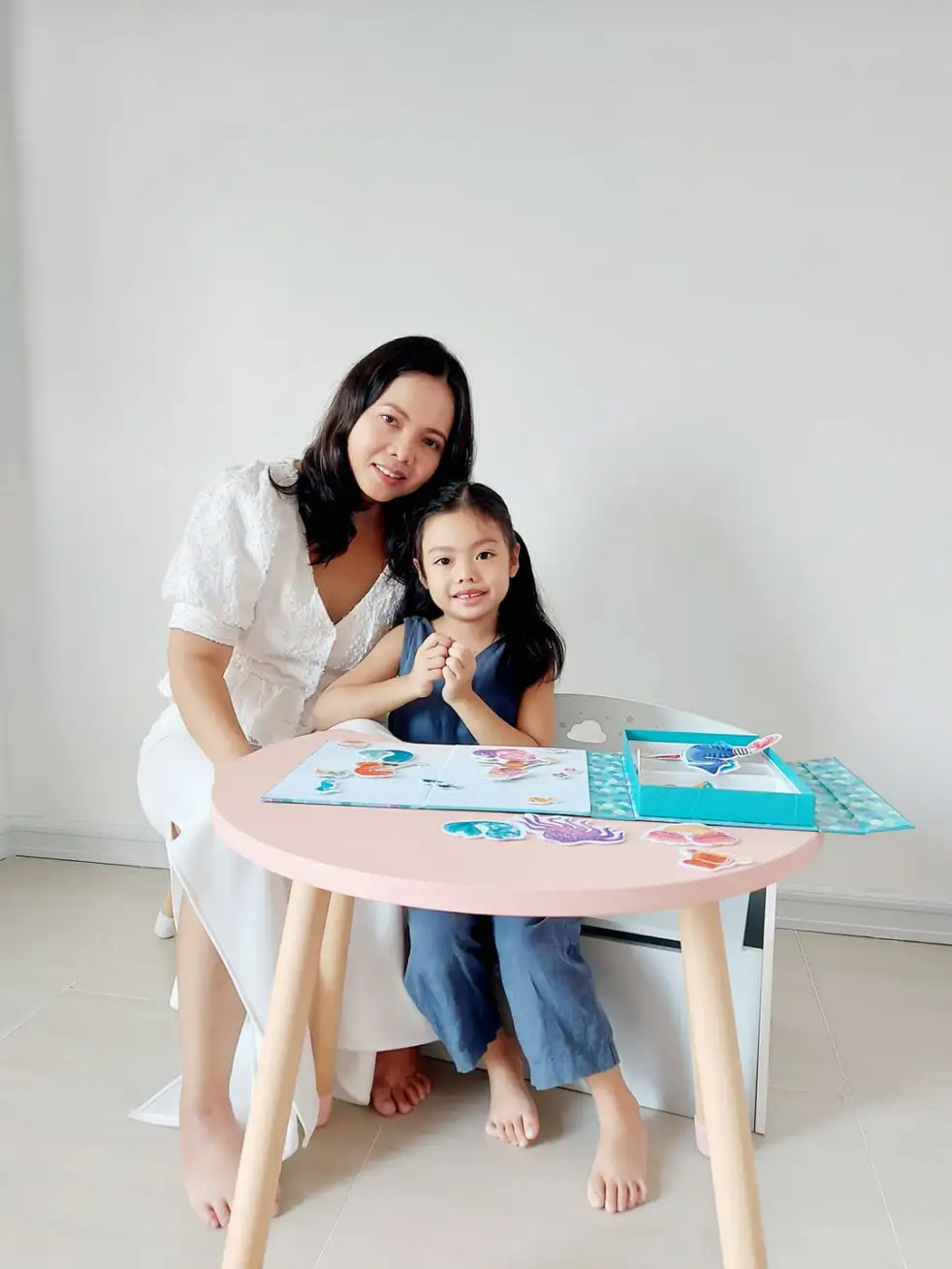
As parents, we want to give our child the best possible start in life and that begins with nurturing their intelligence. Throughout history, the notion of success has been linked to academic intelligence. However, there has been an increased awareness on the importance of emotional intelligence. This question gets at the heart of the never-ending… Continue reading IQ or EQ, which one is a better predictor of your child’s success?
 wondermomma.net