
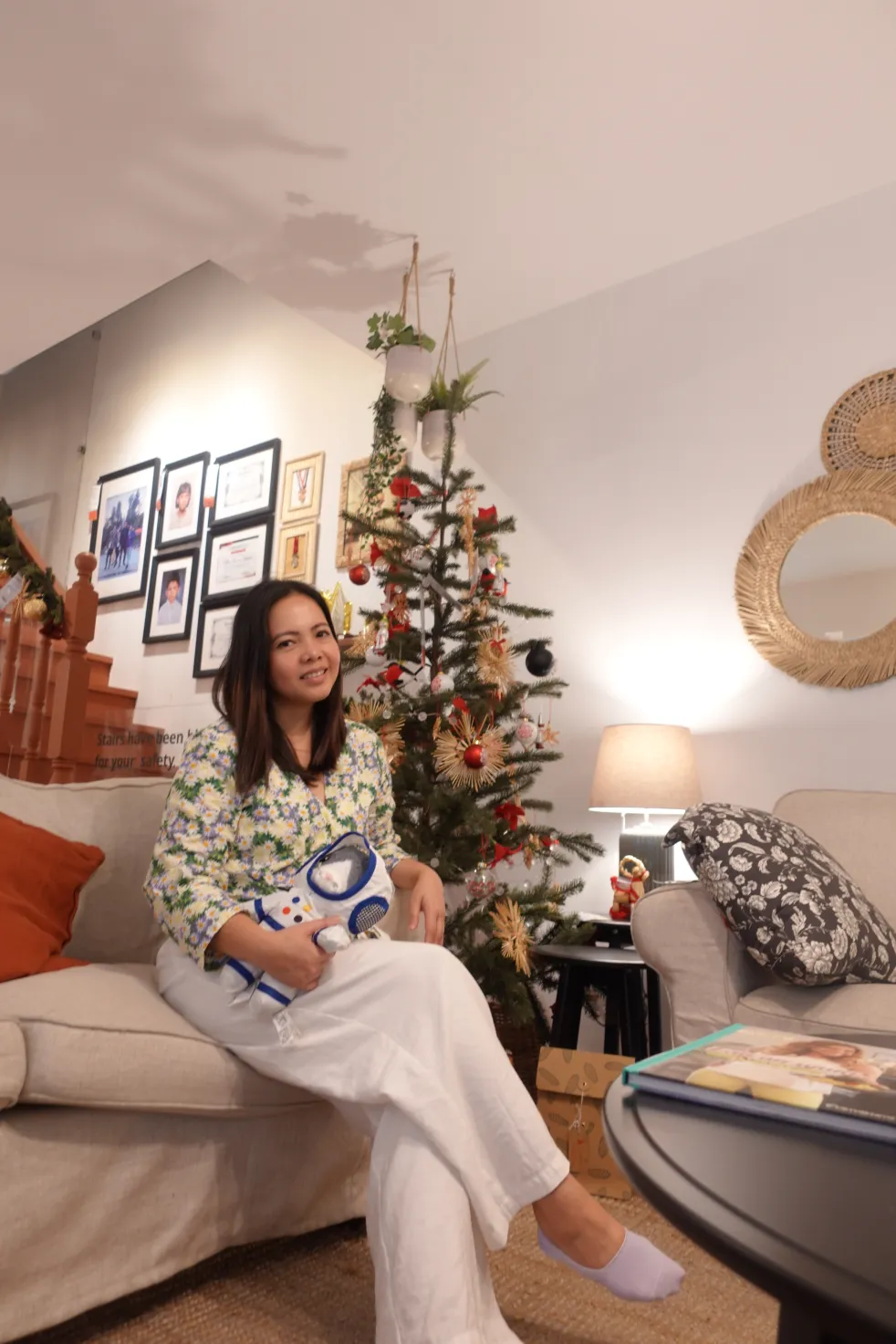
Last August, IKEA Philippines engaged with Better World Smokey Mountain, a newly opened community center operated by the San Miguel Foundation, which shares a similar goal of improving the lives of many Filipino people. Through this partnership, IKEA Philippines provided and assembled home furnishings for the classrooms and library of Better World Smokey Mountain community… Continue reading Help Create a Better World with IKEA Soft Toys
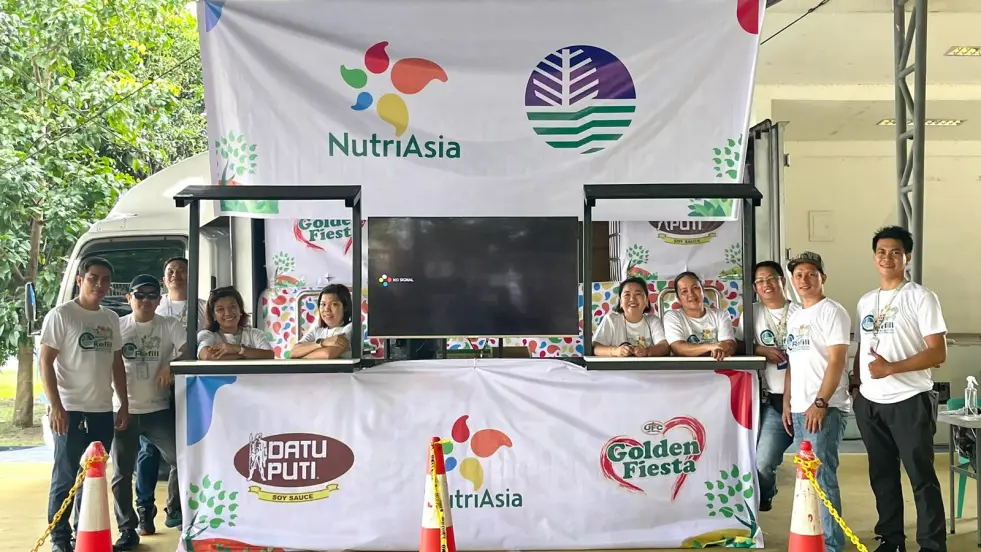
NutriAsia, the country’s top producer of condiments and sauces, continues its support of Refill Revolution; a project by the Department of Environment and Natural Resources EMB 3 that aims to help reduce Filipinos’ single-use plastics consumption. At Refill Revolution, residents get to recycle their single-use plastic bottles by reusing and filling it with their choice… Continue reading NutriAsia and DENR renews partnership for Refill Revolution

Easy art projects for kids using recycled materials
Creative play does not require a trip to the craft store. A clean cereal box, an empty tissue roll, a paper bag, or a few bottle caps can become the starting point for imaginative artwork at home. Easy art projects for kids using recycled materials give children a chance to experiment while families reduce household waste.
These activities suit a wide range of ages and can be adapted for toddlers, preschoolers, and school-age children. The goal is not to produce perfect decorations. It is to let children cut, glue, paint, arrange, and tell stories through the things they make.
For families in the Philippines, recycled craft materials are often easy to find around the home, from cardboard food packaging to delivery boxes and plastic containers. With basic supervision and a small creative space, ordinary items can become meaningful family projects.
Why recycled craft activities matter
Art made from reused materials helps children see potential in everyday objects. A box is no longer just packaging; it can become a bus, a house, a robot, or a puppet theatre. This shift encourages flexible thinking, problem-solving, and imaginative play.
Hands-on crafting also supports child development. Tearing paper strengthens hand muscles, drawing improves early mark-making skills, and placing small objects builds hand-eye coordination. Older children can practise measuring, planning, and making design decisions before they begin.
There is also a gentle environmental lesson. Children learn that some items can be repaired, reused, or transformed instead of thrown away immediately. Keep the conversation simple and positive by focusing on caring for the home and community rather than making children feel guilty about waste.
Prepare a safe and simple craft space
Start by collecting clean, dry materials in a small basket or box. Useful supplies include cardboard, egg cartons, paper bags, magazines, newspapers, paper towel rolls, fabric scraps, yarn, bottle caps, popsicle sticks, and empty food containers. Wash containers thoroughly and allow them to dry before use.
Adults should remove sharp edges, staples, loose plastic film, and small pieces when young children are involved. Bottle caps, beads, buttons, and tiny scraps can be choking hazards, so keep them away from children who still explore objects with their mouths. Scissors should match the child’s age and ability.
Cover the work surface with old newspaper or a reusable mat. Non-toxic glue, washable paint, crayons, and child-safe markers are enough for most projects. Working near an open window or outdoors is helpful when using paint, but children should always be supervised around art materials.
Quick project ideas from paper and cardboard
A cardboard box can become a colourful pretend-play vehicle. Help your child cut windows and doors, then let them add paper wheels, drawn controls, and a name for the bus, jeepney, rocket, or delivery truck. A smaller box can become a doll bed, shop counter, or puppet stage.
For a simple paper roll animal, cover an empty tissue roll with coloured paper or paint. Add ears, wings, whiskers, or scales from scrap paper. Children can make a whole collection of animals and use them in a homemade story about a farm, forest, or underwater world.
Magazine pages and old calendars are excellent for collage. Invite children to tear or cut pictures and arrange them into a garden, family portrait, city scene, or dream holiday. Tearing paper is easier for younger children, while older children can explore colour combinations and overlapping shapes.
| Recycled material | Easy creation | Skills encouraged | Helpful adult support |
|---|---|---|---|
| Cereal box cardboard | Puppet theatre or animal mask | Cutting, storytelling, role play | Draw cutting lines and handle difficult sections |
| Tissue roll | Animal, flower, or telescope | Fine motor control, imagination | Secure small decorations |
| Egg carton | Caterpillar, flower garden, or paint palette | Pattern recognition, painting | Trim rough edges |
| Paper bag | Hand puppet or book cover | Communication, drawing, dramatic play | Help with folding and glue |
| Bottle caps | Mosaic, counting picture, or wheel | Sorting, matching, early maths | Supervise closely with young children |
| Delivery box | Dollhouse, vehicle, or shop | Planning, construction, creative play | Cut openings safely |
Turn containers into playful creations
Empty yoghurt cups, tin cans, and plastic tubs can be transformed into useful or decorative objects. A yoghurt cup may become a flower pot for a small plant, a pencil holder, or a miniature drum. Cover it with paper, paint patterns, or add a child’s name using large letters.
A clean plastic bottle can become a simple sensory shaker when filled with large, securely sealed items such as coloured paper strips or dry pasta. An adult must glue or firmly tape the lid and check it regularly. For a less risky alternative, decorate the outside of the bottle as a fish, rocket, or colourful character without placing anything inside.
Egg cartons offer many possibilities because their sections already create interesting shapes. Paint each cup to make a caterpillar, cut the cups apart to form flowers, or use the carton as a paint-mixing tray. Children can practise repeating colours and patterns while making their designs.
Tin cans need extra care because their edges may be sharp. Adults can prepare them by removing the lid completely and covering the rim securely, or choose sturdy plastic containers instead. Safety should come before the finished artwork.
Add natural and fabric materials
Recycled art can include safe natural objects gathered during a walk or from the garden. Fallen leaves, small twigs, seed pods, and smooth stones can become parts of a nature collage. Children may arrange leaves into faces, insects, trees, or imaginary creatures, then add drawn details with crayons.
Check natural materials for insects, mould, sharp points, and dirt before bringing them indoors. Avoid picking protected plants or taking items from places where collecting is not allowed. A short walk around the neighbourhood or garden can become both a materials hunt and an opportunity to notice local plants.
Old clothing and fabric offcuts are useful for texture-based art. A worn T-shirt can provide soft strips for weaving, tassels, or hair for a paper character. Children can glue fabric pieces onto cardboard to make a tactile picture, although sewing and hot glue should be handled by an adult.
Combining smooth cardboard, rough fabric, crinkly paper, and natural textures makes artwork more engaging for young children. Describe the textures aloud—soft, bumpy, scratchy, smooth, or fluffy—to build vocabulary during play.
Make the activity easier for different ages
Toddlers benefit from short, open-ended activities with large materials. Offer two or three choices, such as a paper plate, large crayons, and a glue stick. They can make lines, dots, prints, and simple collages while an adult names colours and shapes. The finished result may look abstract, and that is perfectly appropriate.
Preschoolers often enjoy pretend play and simple construction. They can decorate paper bags as puppets, create cardboard houses, or make a paper plate sun. Adults can demonstrate one step, then allow the child to decide where the eyes, windows, or decorations should go.
School-age children are ready for projects with several stages. Encourage them to sketch a plan, estimate how much material they need, and think about how pieces will attach. They might design a recycled-material marble maze, a miniature community, or a board game using cardboard and bottle caps.
Let children take ownership of their work. Avoid correcting unusual colour choices or rearranging pieces to make the project look more polished. Asking, “Tell me about what you made,” supports language development and shows that their ideas matter.
Build a regular family art habit
A recycled craft activity does not need to fill an entire afternoon. Ten to twenty minutes can be enough for a child to decorate a paper roll or begin a collage. Keep a small “maker box” available so children can start creating without searching through the whole house.
You can connect projects to family life and learning. Make cardboard food stalls after discussing community helpers, create paper sea creatures during a lesson about ocean care, or design homemade decorations for a birthday or Filipino holiday celebration. These connections make art feel relevant rather than like an isolated task.
Use finished creations for play, storytelling, or display. A child’s puppet can become part of a bedtime story, while a cardboard shop can support pretend buying and selling. When artwork has a second purpose, children often return to it and develop the idea further.
Helpful habits for enjoyable crafting
- Choose clean, dry, non-toxic materials that suit your child’s age.
- Prepare difficult cutting, hole-punching, and trimming before the activity begins.
- Offer choices without taking over the design.
- Reuse scraps by sorting them into paper, cardboard, fabric, and large safe decorations.
- Praise curiosity, effort, and storytelling instead of focusing on a perfect result.
Recycled art is a small way to make family time more creative, practical, and connected to everyday life. Gather a few safe household materials, clear a corner of the table, and let your child turn an ordinary object into something completely new. Share the finished creations with family and friends, and keep the maker box ready for the next burst of imagination.
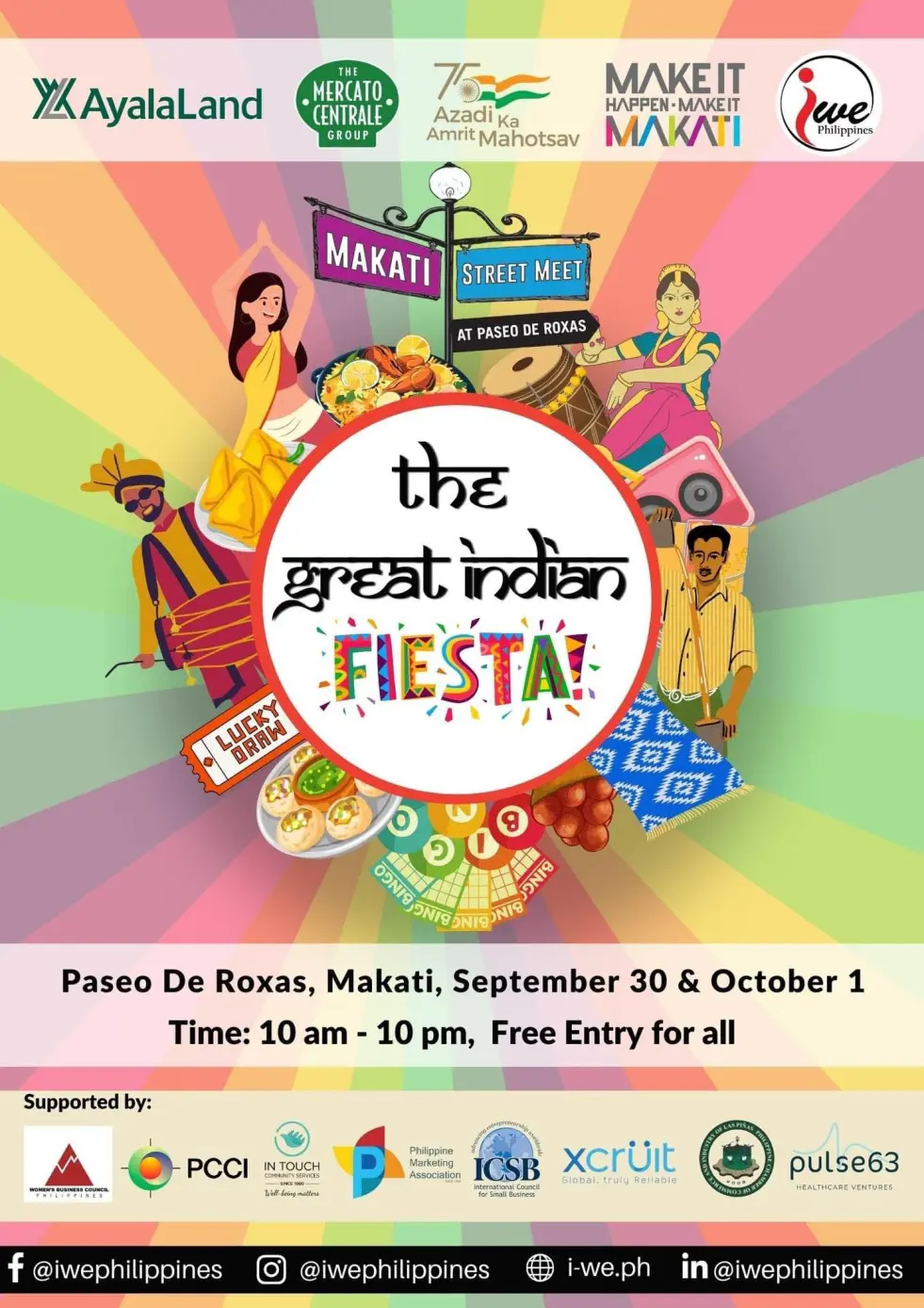
Mercato Centrale, in collaboration with Indian Women in Enterprise Philippines (I-We), is set to host "The Great Indian Fiesta" to mark 75 years of friendship between India and the Philippines. The dynamic two-day event is scheduled to take place on September 30 to October 1, 2023, at Paseo De Roxas Street, Makati City. Aiming to… Continue reading Mercato Centrale Partners with I-We to Host ‘The Great Indian Fiesta’, Commemorating 75 Years of India-Philippines Friendship

My stomach would usually start growling at 10 am even after taking a big breakfast. This is probably because I am a morning person and I move a lot throughout the day hence snacking is something that I can't avoid. This potatoes and chicken wrap recipe is easy to prepare and would keep me full… Continue reading Potato and Chicken Wrap
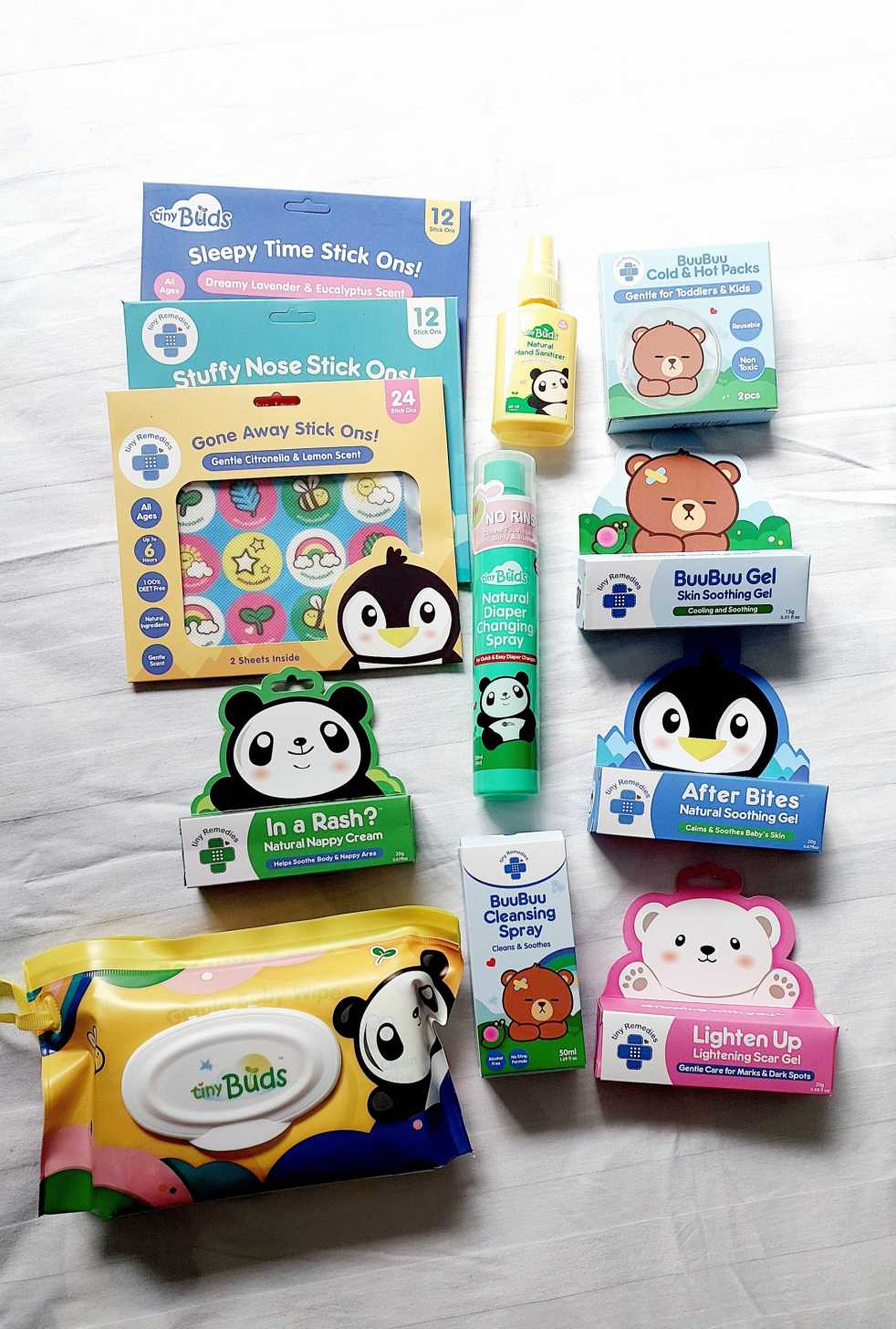
Your baby’s skin is more delicate than most, this is why you have to choose products that are designed for sensitive skin. Tiny Buds is a pioneer in integrating natural ingredients into baby care and today has over 50 innovative natural baby care essentials and is one of the Top Baby Personal Care brands. Here… Continue reading Product Review: Tiny Buds Baby Naturals Baby Essentials
Where your child goes to school is a big decision and shouldn’t be taken lightly. Given how their education can impact their future, you might be tempted to take control and decide for them. However, you might be doing more damage than helping them in the long run. Your job as parents is to support… Continue reading HOW TO CHOOSE THE BEST SCHOOL FOR YOUR CHILD
As poet and philosopher Rumi once eloquently said, “raise your words, not your voice. It is rain that grows flowers, not thunder.” Parenting is a challenging journey, and the truth is that nobody has everything figured out. One parenting style might suit others best, and some might favor other methods. However, children respond better to… Continue reading A SIMPLE GUIDE TO GENTLE PARENTING
Whether you’re a new mom to be, mom of a toddler, mom who have school-aged kids, you’re bound to have so many questions. Let's start with your baby's skin. Infant skin has unique needs; gentle care is essential to prevent damage to the skin barrier, which can lead to irritation. When caring for infant skin,… Continue reading Keeping Baby’s Diapered Skin Healthy
As parents, we want to give our child the best possible start in life and that begins with nurturing their intelligence. Throughout history, the notion of success has been linked to academic intelligence. However, there has been an increased awareness on the importance of emotional intelligence. This question gets at the heart of the never-ending… Continue reading IQ or EQ, which one is a better predictor of your child’s success?
 wondermomma.net