
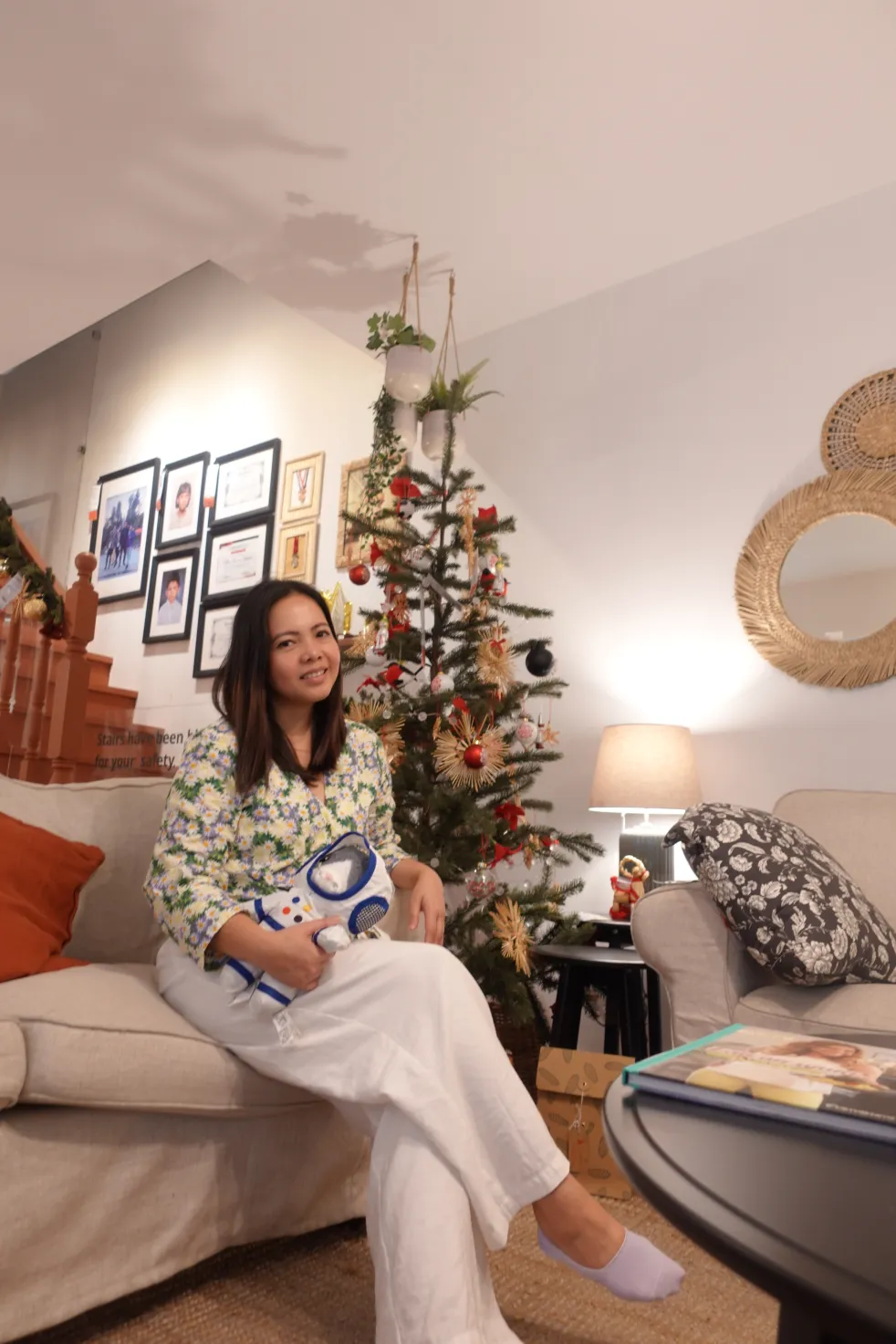
Last August, IKEA Philippines engaged with Better World Smokey Mountain, a newly opened community center operated by the San Miguel Foundation, which shares a similar goal of improving the lives of many Filipino people. Through this partnership, IKEA Philippines provided and assembled home furnishings for the classrooms and library of Better World Smokey Mountain community… Continue reading Help Create a Better World with IKEA Soft Toys
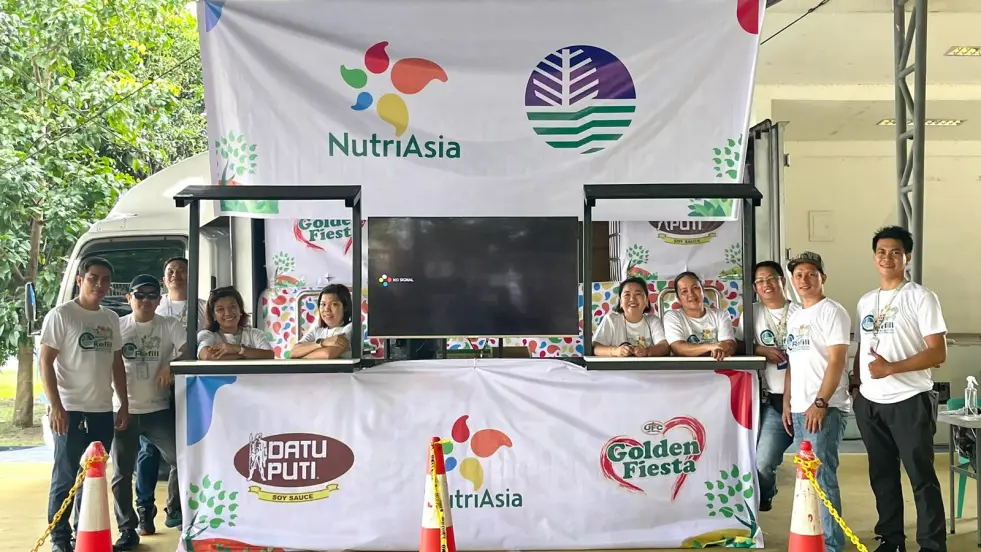
NutriAsia, the country’s top producer of condiments and sauces, continues its support of Refill Revolution; a project by the Department of Environment and Natural Resources EMB 3 that aims to help reduce Filipinos’ single-use plastics consumption. At Refill Revolution, residents get to recycle their single-use plastic bottles by reusing and filling it with their choice… Continue reading NutriAsia and DENR renews partnership for Refill Revolution

Calm down jars and sensory tools that actually work for Aussie kids
When the summer heat drags on past bedtime and the kids have spent the day bouncing off the walls, every parent in the land knows that tired-and-wired feeling. Sensory tools have quietly become a go-to for families who want a calm-down corner that actually works, without resorting to another episode of Bluey. From glittery discovery bottles to squishy fidget tubes, these handmade aids can turn a wobbly afternoon into a moment of quiet focus, and they cost very little to put together with supplies you can grab at Bunnings, Kmart or even the local Woolies.
Whether you are raising a kindy kid in Melbourne, wrangling a toddler through the long summer holidays in Brisbane, or simply trying to bridge the gap between school pickup and arvo tea, sensory play offers a soft landing for big feelings. The best part is that most of these tools are things you can make on the kitchen bench with the kids beside you, turning regulation into a shared activity rather than a lecture.
Why sensory tools matter for little Aussie minds
Children's nervous systems are still learning how to land softly after a burst of energy, excitement or frustration. A sensory tool gives their brain something concrete to focus on, which helps the body shift out of fight-or-flight and back into a calm, alert state. Visual tools like glitter jars invite the eyes to track slow-moving particles, which mimics the kind of focused breathing that therapists often teach. Tactile tools, from slime to dry rice, give small hands a job to do so the mind has less room to spiral.
Australian child psychologists frequently recommend sensory tools for children who experience big transitions, such as starting school, welcoming a new sibling, or recovering from the overstimulation of a busy weekend at the footy. They are also useful for kids who simply need a reset between home and the world outside, especially during the long, hot afternoons of January when routines slip and tempers run short. The beauty of a homemade tool is that you can tailor it to your child — a child who loves the ocean might find a sea-themed bottle more soothing than a glittery one, and a child who adores trucks will happily dig through a tray of dried lentils for ages.
The glitter calm jar: a step-by-step
A calm down jar, sometimes called a glitter jar or a mind jar, is one of the easiest sensory projects you can make with the family. You will need a clear plastic or glass bottle with a tight lid, warm water, clear glue, fine glitter in a couple of colours, and a drop of food colouring. The ratio is roughly one part glue to three parts water; more glue means a slower, more mesmerising fall. For a younger child, a sturdy plastic bottle from Bunnings or a Kmart craft kit works better than glass, especially once it inevitably ends up on the floor.
Start by squeezing the glue into the bottle, then top up with warm water and stir to combine. Add a generous pinch of glitter, a drop of food colouring for a soft tint, and a sprinkle of sequins or tiny plastic stars if you have them lying around. Seal the lid with super glue or a hot glue gun to make it tamper-proof for little hands, then shake it well. The first time you tip the jar, the glitter will fall slowly, giving your child a focal point while they take three deep breaths. Many Aussie parents tuck one into the kitchen drawer, the car glovebox, or the holiday travel bag for long drives down the coast.
Sensory bottles, discovery tubes and soothing sights
Glitter jars are only the beginning. Sensory bottles can be filled with a huge range of materials to create different effects: oil and water for a lava-lamp swirl, colourful beads in baby oil for a heavy, slow cascade, or magnetic shapes that children can guide with a wand on the outside. A discovery tube is a similar idea, but tends to be longer and thinner, perfect for little hands to roll back and forth across the lounge room floor. You can find affordable empty tubes at Kmart, Spotlight, or the craft aisle of Big W.
A quick safety note: every bottle and tube should be sealed permanently and checked regularly for cracks. For under-threes, keep them for adult-led calm-down time rather than free play. Older children will quickly learn to flip the bottle, watch the glitter settle, and then return to whatever they were doing. Many mums in our community chat report that the bottles work a treat during the witching hour before dinner, when the kids are hungry, tired and starting to unravel after a long day at kindy or day care.
If you are weighing up which sensory tools to start with, the comparison below shows how they differ at a glance.
| Tool | Best for | Age range | Prep time | Cost (AUD) |
|---|---|---|---|---|
| Glitter calm jar | Visual focus, big feelings | 3+ | 10 min | $3–$5 |
| Discovery bottle | Travel, car, waiting rooms | 2+ (with supervision) | 10 min | $4–$7 |
| Tuff spot tray | Tactile play, messy exploration | 18 months+ | 15 min | $8–$20 |
| Breathing buddy | Bedtime, transitions | 2+ | 20 min | $5–$10 |
| Weighted lap pad | Focus, sleep, sensory seekers | 3+ | None | $25–$45 |
Texture trays, tuff spots and messy play
Texture trays, also known as discovery bins or tuff spots, take sensory play off the bench and onto the floor. A tuff spot is a shallow plastic tray that you can fill with anything from dry rice and pasta to shaving foam, kinetic sand, or cloud dough. The name comes from the brand, but Aussie parents use the term loosely for any large, shallow container that keeps the mess contained. You can pick one up at Bunnings, Kmart or even a cheap second-hand one on Marketplace.
Once you have a tray, the world opens up. Hide small toys inside dried lentils for a treasure hunt, scoop and pour with cups and spoons for a calming pre-bed routine, or add a few drops of essential oil for an extra sensory layer. Some families rotate the contents weekly — oats one week, water beads the next, then coloured rice dyed with food colouring for a festive feel. For summer play outdoors, swap the dry materials for water and a few drops of food colouring; it keeps the kids cool during a Brisbane heatwave and gives the lawn a free watering at the same time.
Breathing buddies, weighted cuddles and quiet corners
Not every sensory tool needs to be made from scratch. Weighted lap pads, soft breathing buddies, and small fidget toys can sit alongside your DIY jars in a dedicated calm-down corner. A breathing buddy is a simple stuffed toy or cushion that a child places on their tummy while lying down, watching it rise and fall as they breathe. You can make one at home by stuffing a small fabric pouch with polyfill and a few dried lavender buds, or buy one ready-made from an Aussie maker on Etsy or at a local market.
Weighted toys are a little more of an investment, but the gentle pressure can be very regulating for sensory seekers, especially during the long, sticky summer nights when sleep is hard to come by. A calm-down corner itself does not need to be fancy: a floor cushion, a low bookshelf with picture books, a basket of fidgets, and a torch for shadow play is often enough. The goal is to give your child a predictable, cosy space to retreat to when feelings get loud.
Stocking your sensory kit from Aussie stores
Building a sensory toolkit does not have to blow the budget. The cheapest supplies are often hiding in your pantry and laundry already: dried rice, lentils, oats, water beads, food colouring, and clear dish soap all have a part to play. For the rest, Bunnings Warehouse is a goldmine for plastic bottles, tubs and silicone moulds, while Kmart and Big W stock affordable craft kits, sensory tubes and tuff spots. Spotlight is a good stop for glitter, sequins and felt, and your local Woolworths or Coles will cover the food colouring, glue and quick-grab extras.
If you prefer to support small Aussie businesses, platforms like Madeit and Instagram are home to a thriving community of mums and makers who sew weighted lap pads, pour soy wax for sensory play, and curate calm-down kits. School holiday craft sessions at Bunnings on a Saturday morning are also a free, screen-free way to involve the kids in putting their own tools together. Many libraries in Sydney, Melbourne and regional centres run free sensory play sessions for little ones, which is a great way to try a few ideas before investing in your own kit.
A few practical tips to keep in mind as you build your collection:
- Start with one or two tools and watch how your child uses them before adding more.
- Always seal sensory bottles permanently with glue and check lids regularly for wear and tear.
- Choose a calm-down corner that is quiet, cool and free from screens, especially during the long summer evenings.
- Rotate textures weekly to keep curiosity alive and prevent the novelty from wearing off.
- Involve the kids in making the tools, because the process of building a calm down jar is half the regulation.

Mercato Centrale, in collaboration with Indian Women in Enterprise Philippines (I-We), is set to host "The Great Indian Fiesta" to mark 75 years of friendship between India and the Philippines. The dynamic two-day event is scheduled to take place on September 30 to October 1, 2023, at Paseo De Roxas Street, Makati City. Aiming to… Continue reading Mercato Centrale Partners with I-We to Host ‘The Great Indian Fiesta’, Commemorating 75 Years of India-Philippines Friendship

My stomach would usually start growling at 10 am even after taking a big breakfast. This is probably because I am a morning person and I move a lot throughout the day hence snacking is something that I can't avoid. This potatoes and chicken wrap recipe is easy to prepare and would keep me full… Continue reading Potato and Chicken Wrap
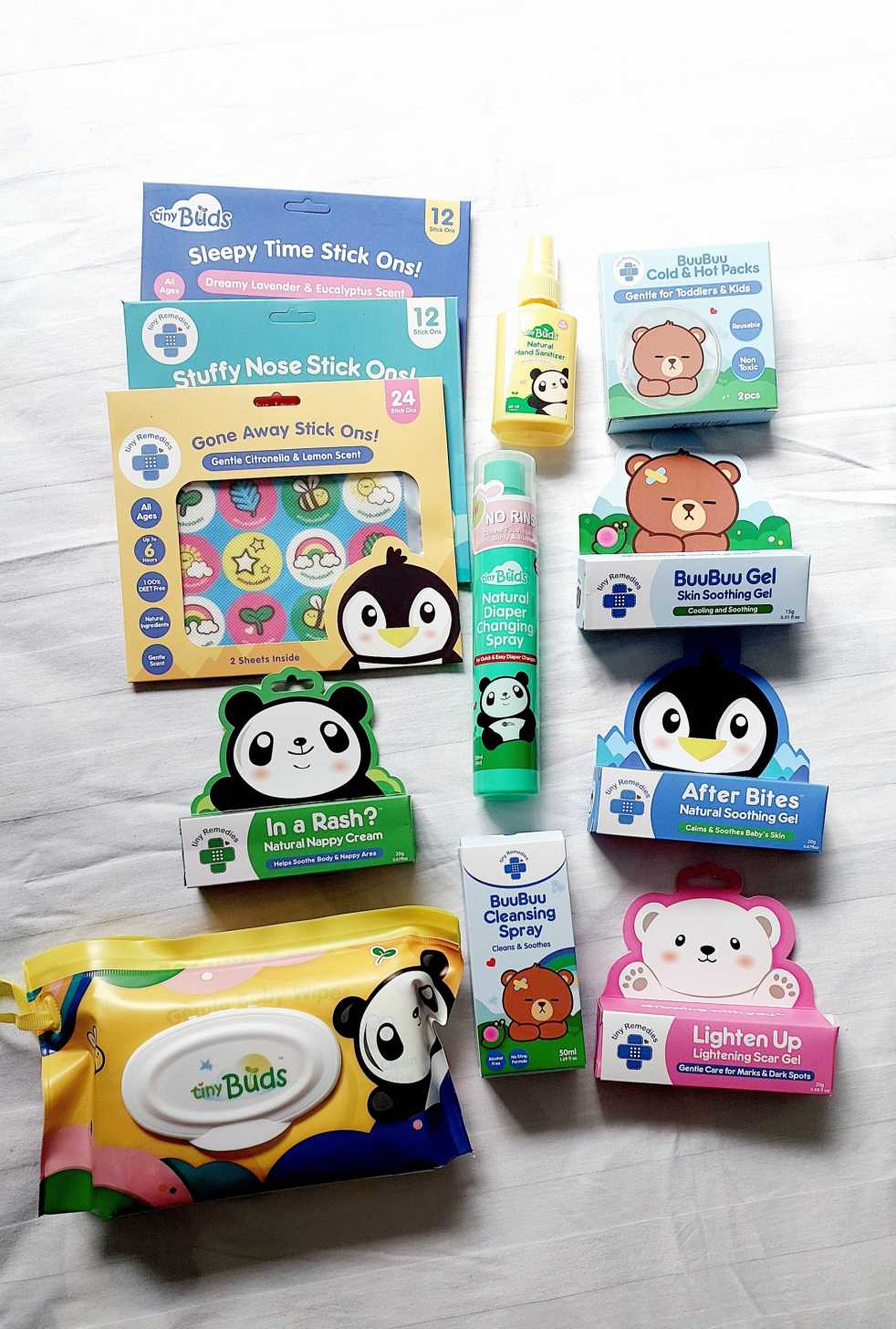
Your baby’s skin is more delicate than most, this is why you have to choose products that are designed for sensitive skin. Tiny Buds is a pioneer in integrating natural ingredients into baby care and today has over 50 innovative natural baby care essentials and is one of the Top Baby Personal Care brands. Here… Continue reading Product Review: Tiny Buds Baby Naturals Baby Essentials
Where your child goes to school is a big decision and shouldn’t be taken lightly. Given how their education can impact their future, you might be tempted to take control and decide for them. However, you might be doing more damage than helping them in the long run. Your job as parents is to support… Continue reading HOW TO CHOOSE THE BEST SCHOOL FOR YOUR CHILD
As poet and philosopher Rumi once eloquently said, “raise your words, not your voice. It is rain that grows flowers, not thunder.” Parenting is a challenging journey, and the truth is that nobody has everything figured out. One parenting style might suit others best, and some might favor other methods. However, children respond better to… Continue reading A SIMPLE GUIDE TO GENTLE PARENTING
Whether you’re a new mom to be, mom of a toddler, mom who have school-aged kids, you’re bound to have so many questions. Let's start with your baby's skin. Infant skin has unique needs; gentle care is essential to prevent damage to the skin barrier, which can lead to irritation. When caring for infant skin,… Continue reading Keeping Baby’s Diapered Skin Healthy
As parents, we want to give our child the best possible start in life and that begins with nurturing their intelligence. Throughout history, the notion of success has been linked to academic intelligence. However, there has been an increased awareness on the importance of emotional intelligence. This question gets at the heart of the never-ending… Continue reading IQ or EQ, which one is a better predictor of your child’s success?
 wondermomma.net