

Last August, IKEA Philippines engaged with Better World Smokey Mountain, a newly opened community center operated by the San Miguel Foundation, which shares a similar goal of improving the lives of many Filipino people. Through this partnership, IKEA Philippines provided and assembled home furnishings for the classrooms and library of Better World Smokey Mountain community… Continue reading Help Create a Better World with IKEA Soft Toys
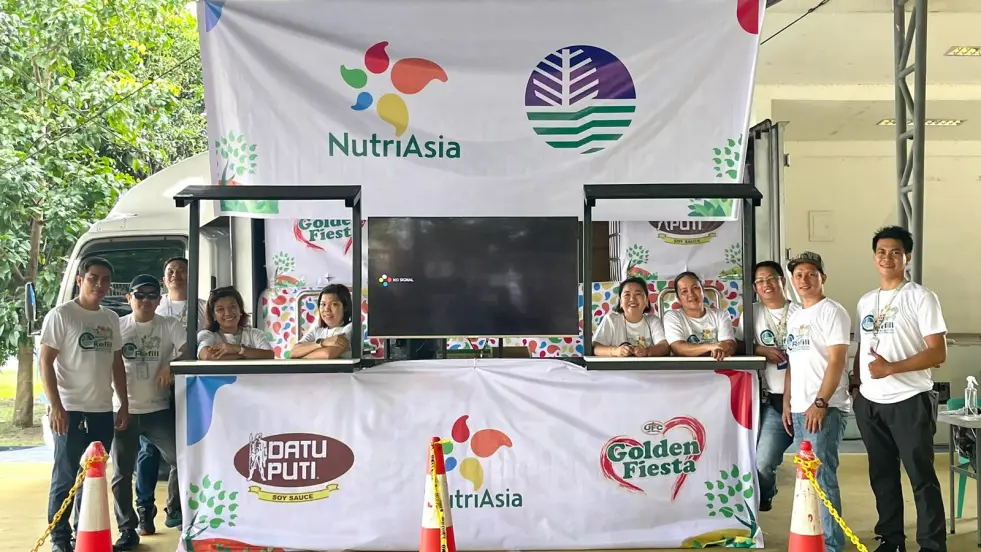
NutriAsia, the country’s top producer of condiments and sauces, continues its support of Refill Revolution; a project by the Department of Environment and Natural Resources EMB 3 that aims to help reduce Filipinos’ single-use plastics consumption. At Refill Revolution, residents get to recycle their single-use plastic bottles by reusing and filling it with their choice… Continue reading NutriAsia and DENR renews partnership for Refill Revolution

Wholesome Homemade Baby Food for Every Weaning Stage
Watching your baby take their very first spoonful of food is one of those small moments that stays with you forever. The mash lands on the chin, the tongue pushes it out, and then — usually after a few patient attempts — a wide-eyed look of discovery follows. Homemade meals give you full control over what goes into those tiny tummies, and they tend to be far cheaper than the glossy jars lining the baby aisle at Coles and Woolworths.
This guide walks through DIY baby food recipes for every stage of weaning, from the thinnest first purees around six months through to the chunkier toddler plates served alongside the rest of the family. You'll find Australian-specific tips on seasonal produce, local food safety guidance and pantry staples you can pick up at any major supermarket or weekend farmers market from Sydney to Perth.
First Smooth Purees Around Six Months
When your baby shows the classic signs of readiness — sitting with support, good head control and a genuine interest in your dinner — it's time to start with single-ingredient smooth purees. Australian guidance from the National Health and Medical Research Council recommends exclusive breastfeeding or formula until around six months, with solids introduced afterwards while milk feeds continue.
The texture at this stage should be almost liquid, similar to thickened milk. Steamed pear, sweet potato or carrot pureed with a little cooled boiled water works beautifully. Banana can be mashed straight from the peel with no cooking required, which makes it a perfect early option for busy parents in Brisbane's warm climate who want something fuss-free.
Many mums and dads I speak to in Melbourne and Adelaide prefer to batch-cook on a Sunday afternoon. Steam a selection of vegetables, blend them with breastmilk or formula for extra familiarity, and freeze portions in ice-cube trays. The 30-millilitre cubes thaw quickly in the fridge overnight, ready for the next morning's feed.
Thicker Mashes and Mixed Combinations from Seven Months
Once your baby manages a full cube without grimacing, you can move on to slightly thicker textures and pair ingredients together. This is where mealtimes start getting interesting. Apple and pear combined with a touch of baby rice or oats introduces new flavours while keeping the familiar sweetness babies tend to love.
Iron-rich options become especially important once your little one is past six months, as the natural stores from birth begin to drop. Pureed beef, lamb or lentils blended with root vegetables delivers that all-important mineral in a gentle, baby-friendly form. Locally produced lean beef is widely available year-round, so you won't struggle to find quality protein at your local butcher or supermarket.
A simple weeknight combination could be lentil and pumpkin, with a splash of olive oil and a pinch of mild herbs like parsley. Blend until smooth but with a little body left — your baby is learning to use their tongue in new ways, so a slightly thicker consistency helps build those oral motor skills. For more family-tested recipe ideas, WonderMomma gathers gentle, mum-approved combinations worth bookmarking.
Soft Lumps and Finger Foods for Curious Eaters
By nine to ten months, many babies are ready for soft lumps and graspable pieces. This is the stage where baby-led weaning truly shines, though spoon-feeding still has its place. Steamed broccoli florets the size of your thumb, ripe avocado wedges, banana rounds and slow-cooked pumpkin sticks all encourage self-feeding and the development of the pincer grasp.
Texture variety is the goal. Offer something smooth alongside something chunky at the same meal so your baby can experience different mouthfeels. A breakfast of mashed banana with fingers of soft pear, for example, hits both notes without doubling your workload in the kitchen.
If you're in Sydney or coastal Queensland, tropical fruits like mango and pawpaw are in season during the warmer months and make wonderfully messy first finger foods. Just slice them into manageable strips rather than round coins, which can be a choking hazard for younger babies still mastering chewing.
Family-Style Meals from Eleven Months
Around eleven to twelve months, your baby will probably want whatever you are eating — and often from your plate. This is the perfect window to start adapting family meals rather than cooking separate dishes. A slow-cooked bolognese with finely minced beef, a mild chicken curry with reduced spice, or a lentil dhal can all be served to your little one with the heat dialled back and the salt kept to a minimum.
Australian Dietary Guidelines recommend keeping added salt very low for children under one, so season with herbs, garlic, lemon and mild spices instead. Cumin, mild paprika and turmeric are all gentle enough for tiny palates and bring variety to the weekly rotation.
Pasta shapes like orzo, small shells and risoni are easy to grasp and swallow. Toss them with a little butter or olive oil and finely grated vegetables such as zucchini or carrot hidden in the sauce. You'll be surprised how much a one-year-old can eat when they are allowed to feed themselves at their own pace from a sectioned plate.
Toddler Plates for Hungry Explorers
Once your child passes the twelve-month mark, whole cow's milk can become the main drink and meals can largely mirror the family's. Toddlers burn through enormous amounts of energy and often seem to graze rather than eat full meals, so offering two to three small plates across the day works better than three large ones.
Mini vegetable frittatas baked in a muffin tin, salmon and pea risotto, and chicken meatballs with hidden zucchini are all firm favourites and they freeze brilliantly in single portions. Keep a stash of these freezer meals for those evenings when the school run and toddler meltdown collide.
Snack plates also become part of life. Think sliced strawberries, cheese cubes, wholegrain crackers and thin strips of pita with hummus. Offering a mix of protein, fruit and carbohydrate keeps energy levels steadier between bigger meals — especially useful during long mornings at the playground or beach.
Pantry Staples and Smart Storage Hacks
Stocking a baby-friendly pantry is easier than it sounds. Keep tins of brown lentils, cannellini beans and chickpeas in the cupboard; a bag of rolled oats in the freezer; and a rotating supply of seasonal fruit and vegetables from your local greengrocer or farmers market. Queen Victoria Market in Melbourne and The Rocks Markets in Sydney are great weekend spots for picking up ripe, locally grown produce.
Cooked baby food keeps in the fridge for up to forty-eight hours in sealed containers. Beyond that, freeze it. Silicone ice-cube trays with lids are a popular choice because they stack neatly in the freezer, and labelled freezer bags make defrosting a one-minute job. Always write the date on the bag so you use the oldest portions first.
Time-Saving Batch Basics
- Steam and blend a mix of root vegetables, then freeze in labelled silicone trays for the week ahead.
- Cook a large pot of porridge with fruit, portion into small containers and reheat with extra milk when needed.
- Roast a tray of bone-in chicken thighs for the family, then shred the leftovers for baby's lunch the next day.
- Keep ripe bananas in the freezer for emergency sweet mash or simple smoothie bases.
Storage Smarts for Busy Parents
- Use breastmilk or formula cubes to thin purees instead of water for extra nutrition and flavour.
- Cool food fully before transferring to the freezer to avoid ice crystals forming.
- Store jars and containers at the back of the fridge, where temperatures stay coldest and most consistent.
- Discard any uneaten portion from the bowl after a meal rather than refrigerating it again.
| Stage | Typical Age | Ideal Texture | Example Foods | Feeding Style | Key Nutrients |
|---|---|---|---|---|---|
| 1 | Around 6 months | Smooth, thin puree | Pear, sweet potato, banana | Spoon-fed | Vitamin A, C, gentle fibre |
| 2 | 7-8 months | Thicker mash, single lumps | Lentil and pumpkin, apple and oat | Spoon-fed or pre-loaded spoon | Iron, zinc, complex carbs |
| 3 | 9-10 months | Soft finger foods, soft lumps | Avocado wedges, broccoli florets, banana rounds | Baby-led weaning with spoon meals | Healthy fats, vitamin C, folate |
| 4 | 11-12 months | Minced, chopped family foods | Mild bolognese, pasta shapes, dhal | Self-feeding with utensils | Protein, iron, variety of vitamins |
| 5 | 12+ months | Toddler-sized portions | Mini frittatas, meatballs, snack plates | Mostly self-fed | Calcium, protein, fibre |
Safety, Allergens and the FSANZ Guidelines
Food Standards Australia New Zealand, known as FSANZ, sets the rules around labelling, additives and safety thresholds for food sold across Australia and New Zealand. While home-cooked food sits outside these labelling requirements, the underlying principles around introducing common allergens early are worth following at home.
The Australasian Society of Clinical Immunology and Allergy currently advises introducing common allergens — egg, peanut, sesame, fish, wheat and soy — before twelve months, ideally while baby is still having breastmilk or formula. Start with tiny amounts, wait a day or two and watch for any reaction. Smooth peanut butter thinned with a little warm water and stirred into porridge is an easy early introduction.
Avoid honey until twelve months because of the risk of botulism, and never add salt, sugar or honey to baby food for infants. Hard round foods like whole grapes, whole nuts and raw carrot coins should always be sliced lengthwise for children under five. If you are ever worried about a reaction, call triple zero (000) or head to your nearest emergency department, and discuss any ongoing concerns with your GP or child health nurse at your local clinic.

Mercato Centrale, in collaboration with Indian Women in Enterprise Philippines (I-We), is set to host "The Great Indian Fiesta" to mark 75 years of friendship between India and the Philippines. The dynamic two-day event is scheduled to take place on September 30 to October 1, 2023, at Paseo De Roxas Street, Makati City. Aiming to… Continue reading Mercato Centrale Partners with I-We to Host ‘The Great Indian Fiesta’, Commemorating 75 Years of India-Philippines Friendship

My stomach would usually start growling at 10 am even after taking a big breakfast. This is probably because I am a morning person and I move a lot throughout the day hence snacking is something that I can't avoid. This potatoes and chicken wrap recipe is easy to prepare and would keep me full… Continue reading Potato and Chicken Wrap
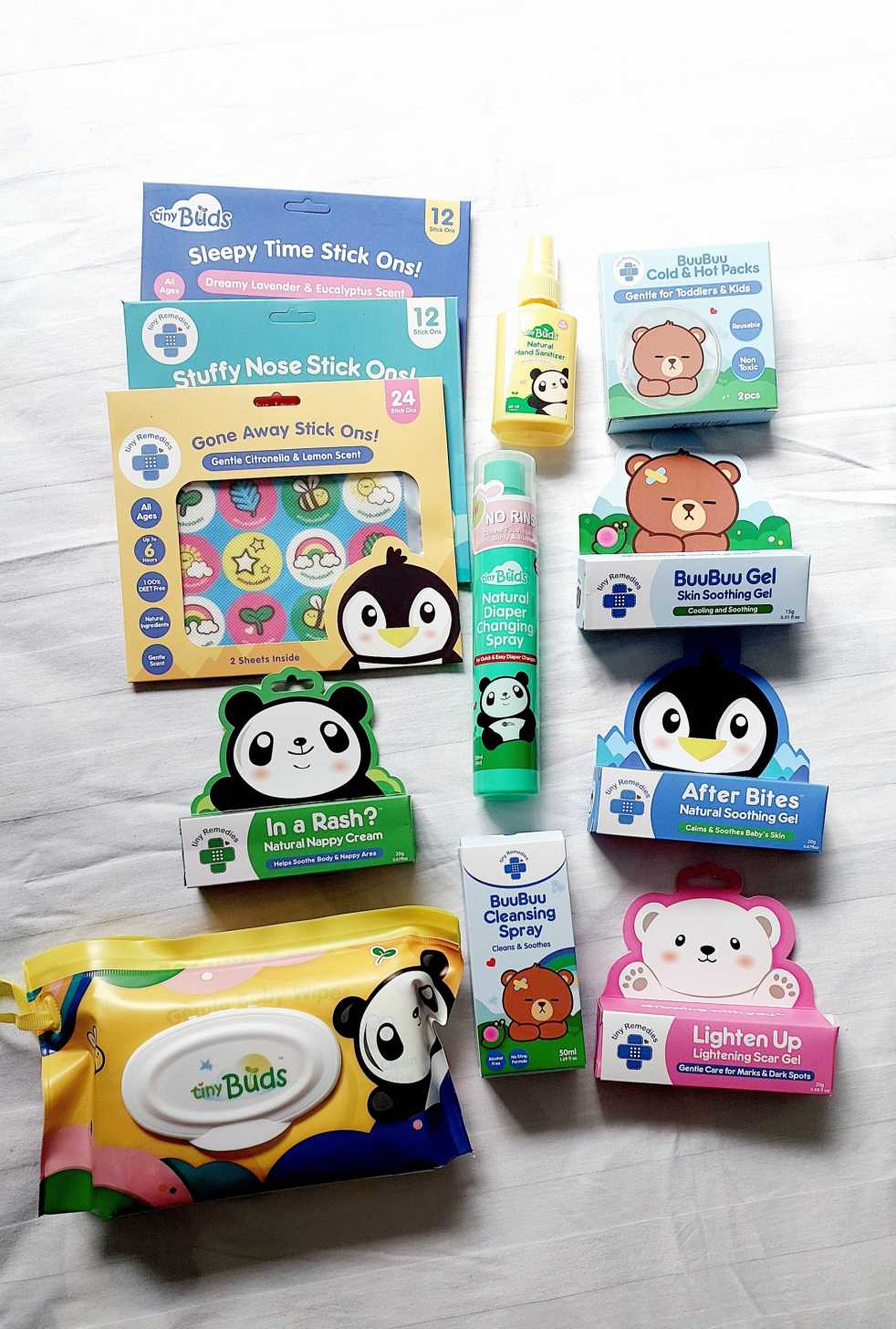
Your baby’s skin is more delicate than most, this is why you have to choose products that are designed for sensitive skin. Tiny Buds is a pioneer in integrating natural ingredients into baby care and today has over 50 innovative natural baby care essentials and is one of the Top Baby Personal Care brands. Here… Continue reading Product Review: Tiny Buds Baby Naturals Baby Essentials
Where your child goes to school is a big decision and shouldn’t be taken lightly. Given how their education can impact their future, you might be tempted to take control and decide for them. However, you might be doing more damage than helping them in the long run. Your job as parents is to support… Continue reading HOW TO CHOOSE THE BEST SCHOOL FOR YOUR CHILD
As poet and philosopher Rumi once eloquently said, “raise your words, not your voice. It is rain that grows flowers, not thunder.” Parenting is a challenging journey, and the truth is that nobody has everything figured out. One parenting style might suit others best, and some might favor other methods. However, children respond better to… Continue reading A SIMPLE GUIDE TO GENTLE PARENTING

Whether you’re a new mom to be, mom of a toddler, mom who have school-aged kids, you’re bound to have so many questions. Let's start with your baby's skin. Infant skin has unique needs; gentle care is essential to prevent damage to the skin barrier, which can lead to irritation. When caring for infant skin,… Continue reading Keeping Baby’s Diapered Skin Healthy
As parents, we want to give our child the best possible start in life and that begins with nurturing their intelligence. Throughout history, the notion of success has been linked to academic intelligence. However, there has been an increased awareness on the importance of emotional intelligence. This question gets at the heart of the never-ending… Continue reading IQ or EQ, which one is a better predictor of your child’s success?
 wondermomma.net