
Last August, IKEA Philippines engaged with Better World Smokey Mountain, a newly opened community center operated by the San Miguel Foundation, which shares a similar goal of improving the lives of many Filipino people. Through this partnership, IKEA Philippines provided and assembled home furnishings for the classrooms and library of Better World Smokey Mountain community… Continue reading Help Create a Better World with IKEA Soft Toys

NutriAsia, the country’s top producer of condiments and sauces, continues its support of Refill Revolution; a project by the Department of Environment and Natural Resources EMB 3 that aims to help reduce Filipinos’ single-use plastics consumption. At Refill Revolution, residents get to recycle their single-use plastic bottles by reusing and filling it with their choice… Continue reading NutriAsia and DENR renews partnership for Refill Revolution

Nightmares and night terrors: what Australian parents need to know
Nothing rattles a parent like a scream at 2am from the room at the back of the house. One child is sitting up in the cot, sobbing about something chasing them. Another is standing in the hallway, eyes wide but glassy, calling out as if they are somewhere else entirely. Both scenes look the same in the dark, but they come from very different parts of sleep and need very different responses.
Understanding the difference is the first step, because a nightmare is a bad dream the child remembers, while a night terror is a body-wide alarm that switches on with no story attached. Neither means you have parented badly or that something is wrong with your child, and both are more common than most families expect.
This guide covers what triggers these episodes, what to do in the middle of the night, how to rebuild a settled routine, and where Australian families can get professional support when home strategies are not enough. It also covers the small practical things that help in between, from keeping a bedroom cool during a January night to knowing which helpline to ring at 3am.
Telling nightmares and night terrors apart
A nightmare is a frightening or upsetting dream that surfaces during the lighter, dream-rich part of sleep, usually in the second half of the night. The child wakes properly, often frightened and confused, and can tell you exactly what happened: a monster under the bed, a falling dog, a scene from something they watched on a screen. Waking them is usually easy and the memory stays with them.
Night terrors happen in deep, slow-wave sleep in the first third of the night. The child may bolt upright, scream, sweat, breathe fast, and look awake without actually being conscious. Try to wake one and you meet resistance: they seem confused, may push you away, and usually remember nothing in the morning. Terrors most often appear between ages three and seven, run in families, and can repeat at almost the same clock time each night.
These episodes differ again from sleep paralysis, where a child wakes unable to move, and from ordinary night waking, where a child is simply awake and wanting company. Another pattern worth noting is the early morning start: a child who goes to bed at seven and wakes at five, hungry and cranky, is far more likely to have a bad dream than a terror.
What sets off a bad night of sleep
Tiredness is the biggest lever. Young children need roughly ten to thirteen hours of sleep across the night and any daytime naps, and when that budget slips, the brain becomes twitchy and dreams turn strange. Skip the arvo nap and bedtime slides from 7.30pm to 8.40pm, and you may get an hour of extra wakefulness and a wrecked night. An empty stomach can do the same job by pulling a child into waking too early.
Australian summer adds its own complications. In January and February, nights in Sydney, Melbourne or Brisbane can stay above 20 degrees well past midnight, and a hot bedroom is a recipe for broken sleep. Lightweight cotton bedding, a fan and blackout blinds to block the early sun go a long way. Long summer daylight pushes bedtimes later too, and the end of daylight saving in early April can scramble everyone's body clock for a few days.
Then come the everyday triggers: a sweet afternoon treat, a fizzy drink at dinner, a stimulating game right before bed, or a big emotional event like starting kindy, a new sibling, moving house or an argument at school. Fevers and some medicines can also stir up night terrors, which is why a child who has them only while sick is usually less of a worry than one who has them every week.
What to do in the middle of an episode
Your own reaction sets the tone. Stay calm and keep your voice low and even, because a parent who panics or shouts confirms to the child that something dangerous is happening. Turn on a dim light rather than the overhead, and keep a hand on them. With a night terror, do not force your child awake; they are not properly conscious and may become more agitated. Wait it out, guide them gently, and make sure they are safe first.
Check the room before you check the dream. Night terrors can send a child climbing over the cot rail or bolting for the front door, so gate the stairs, keep the bedroom door shut and clear anything they might trip over. If they are thrashing, sit beside the cot and sing or hum until the waves pass. For a nightmare, a cuddle, a cool drink of water and a quiet word is usually all it takes.
Keep the wake-up short. Long, bright, overstimulating mornings after a 2am episode often become the second half of the problem. Say only "you are safe, I am here" at 2am and leave the questions for breakfast. Ring 000 if an episode involves injury, breathing that stops, or movements that last several minutes and look like a seizure.
Building a routine that calms the night
Consistency beats perfection. A fixed wake time matters more than a perfectly calm bedtime, because a child who catches up on sleep by sleeping until nine on Saturday is likely to be overtired by Sunday night. Keep the same wind-down each evening: a bath, pyjamas, a feed, a familiar story, then a dim light and a quiet voice. A thirty-minute buffer is usually enough.
Comfort objects do real work. A soft toy, a blanket that smells like home, or a dream catcher gives a child something to hold when a dream has shaken them. If the nightmare has monsters in it, turn the idea around and put a friendly monster on the bed instead, and there are plenty of DIY Halloween costumes you can put together at home from old fabric and cardboard.
Keep a simple sleep diary for two weeks: bedtime, time of each episode, what happened during the day before, and how long it took to settle. Patterns show up quickly and tell you whether the trigger is a late afternoon nap, a busy day or a particular hour of the night. If traffic on the main road keeps the house awake, a fan or a white-noise app takes the edge off; if your child snores loudly, mention it to your GP rather than treating it as a habit.
When to get help and who to call in Australia
Most night terrors fade with age, and most nightmares become less frequent as a child gains better words for fear. A few signs deserve a medical opinion: episodes several times a week, injuries, extreme sleepiness during the day, or snoring, gasping, sleeping with the mouth open and drooling on the pillow. Those last signs point towards enlarged tonsils and adenoids and sleep apnoea, which can masquerade as night-time disruption and are treatable.
A GP is the right starting point. They can review medications, look for reflux or iron deficiency, check growth and refer on if needed. For a child who is anxious or whose nightmares are tied to family stress, a psychologist trained in child sleep can write a plan, and through a Medicare Mental Health Treatment Plan families can access subsidised sessions, with more available for children under 25. Melatonin is not something you buy over the counter for a child in Australia: it is a Schedule 4 poison, so it needs a prescription or supply by a pharmacist under the arrangements where you live, and it should be discussed with your GP first.
If you need someone to talk to tonight, the free national lines are staffed around the clock: Kids Helpline on 1800 11 14 11, Mental Health on 1800 595 212, and Healthdirect on 1800 022 022 for general health advice.
| Where to start | What they can help with | Access and cost in Australia |
|---|---|---|
| Local GP | Rules out illness, checks growth and development, issues referrals | Medicare-covered; an MBS referral is needed for specialists and many psychologists |
| Paediatrician | Assesses recurring episodes and daytime sleepiness, can order a sleep study | Referral from your GP; Medicare rebates apply in public and private care |
| Child psychologist | Night-time anxiety, recurring nightmares, family stress, tailored sleep plan | Subsidised sessions through a Mental Health Treatment Plan, with extra sessions for under-25s |
| ENT or sleep clinic | Snoring, blocked nose, enlarged tonsils and adenoids, sleep apnoea | Usually needs a GP referral; sleep studies run in hospital or private sleep labs |
| Helplines | Same-night guidance when your GP is closed | Free, 24-hour, and staffed by counsellors and clinicians |
Calmer days make for calmer nights
These episodes rarely come from nowhere; they grow out of a full day. A child who has had enough outdoor play, predictable meals and bedtime, and someone patient to listen at dinner is less likely to wake up frightened at midnight. On hot days, front-load active play to the morning or the cooler arvo, and keep the last hour before bed quiet and low-key.
Emotions during the day spill into the night, so make room for them. Name what happened, avoid dismissing worries as silly, and keep a set time earlier in the day for questions so the same worries are not replayed at 8pm. School worries, a friendship falling over and a new sibling in the house all deserve a conversation rather than a blanket sent back to the cot.
Both conditions are usually temporary. Night terrors tend to fade by the time a child reaches seven or eight, and nightmares become rarer as the world gets bigger and more familiar. Watch the trend rather than the single worst night: if sleep is settling, daytime mood is brighter and the family is coping, you are doing the right thing. If episodes are climbing, injuries are happening or your own sleep is falling apart, that is the moment to ring your GP and ask for more support.

Mercato Centrale, in collaboration with Indian Women in Enterprise Philippines (I-We), is set to host "The Great Indian Fiesta" to mark 75 years of friendship between India and the Philippines. The dynamic two-day event is scheduled to take place on September 30 to October 1, 2023, at Paseo De Roxas Street, Makati City. Aiming to… Continue reading Mercato Centrale Partners with I-We to Host ‘The Great Indian Fiesta’, Commemorating 75 Years of India-Philippines Friendship

My stomach would usually start growling at 10 am even after taking a big breakfast. This is probably because I am a morning person and I move a lot throughout the day hence snacking is something that I can't avoid. This potatoes and chicken wrap recipe is easy to prepare and would keep me full… Continue reading Potato and Chicken Wrap
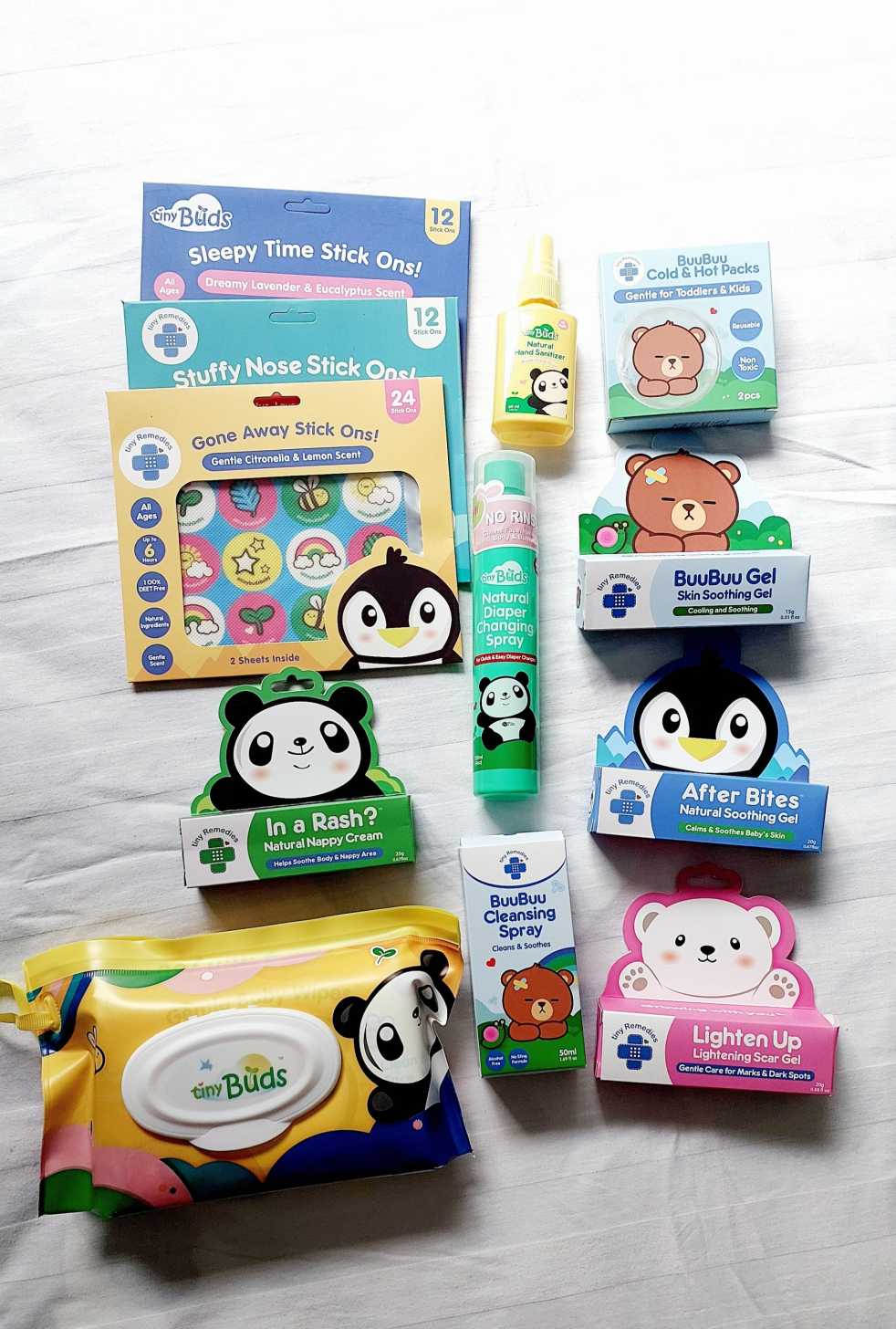
Your baby’s skin is more delicate than most, this is why you have to choose products that are designed for sensitive skin. Tiny Buds is a pioneer in integrating natural ingredients into baby care and today has over 50 innovative natural baby care essentials and is one of the Top Baby Personal Care brands. Here… Continue reading Product Review: Tiny Buds Baby Naturals Baby Essentials
Where your child goes to school is a big decision and shouldn’t be taken lightly. Given how their education can impact their future, you might be tempted to take control and decide for them. However, you might be doing more damage than helping them in the long run. Your job as parents is to support… Continue reading HOW TO CHOOSE THE BEST SCHOOL FOR YOUR CHILD
As poet and philosopher Rumi once eloquently said, “raise your words, not your voice. It is rain that grows flowers, not thunder.” Parenting is a challenging journey, and the truth is that nobody has everything figured out. One parenting style might suit others best, and some might favor other methods. However, children respond better to… Continue reading A SIMPLE GUIDE TO GENTLE PARENTING
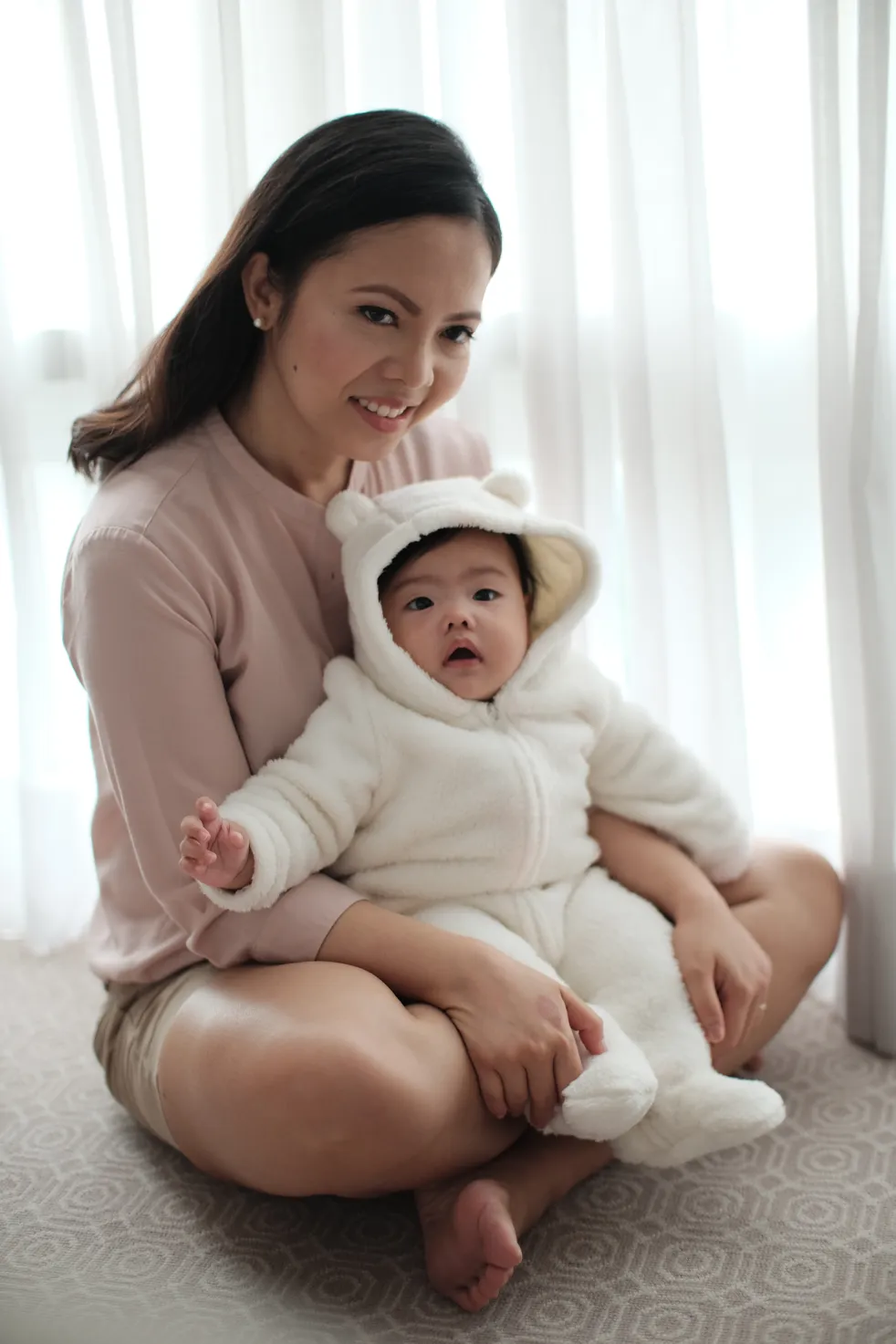
Whether you’re a new mom to be, mom of a toddler, mom who have school-aged kids, you’re bound to have so many questions. Let's start with your baby's skin. Infant skin has unique needs; gentle care is essential to prevent damage to the skin barrier, which can lead to irritation. When caring for infant skin,… Continue reading Keeping Baby’s Diapered Skin Healthy
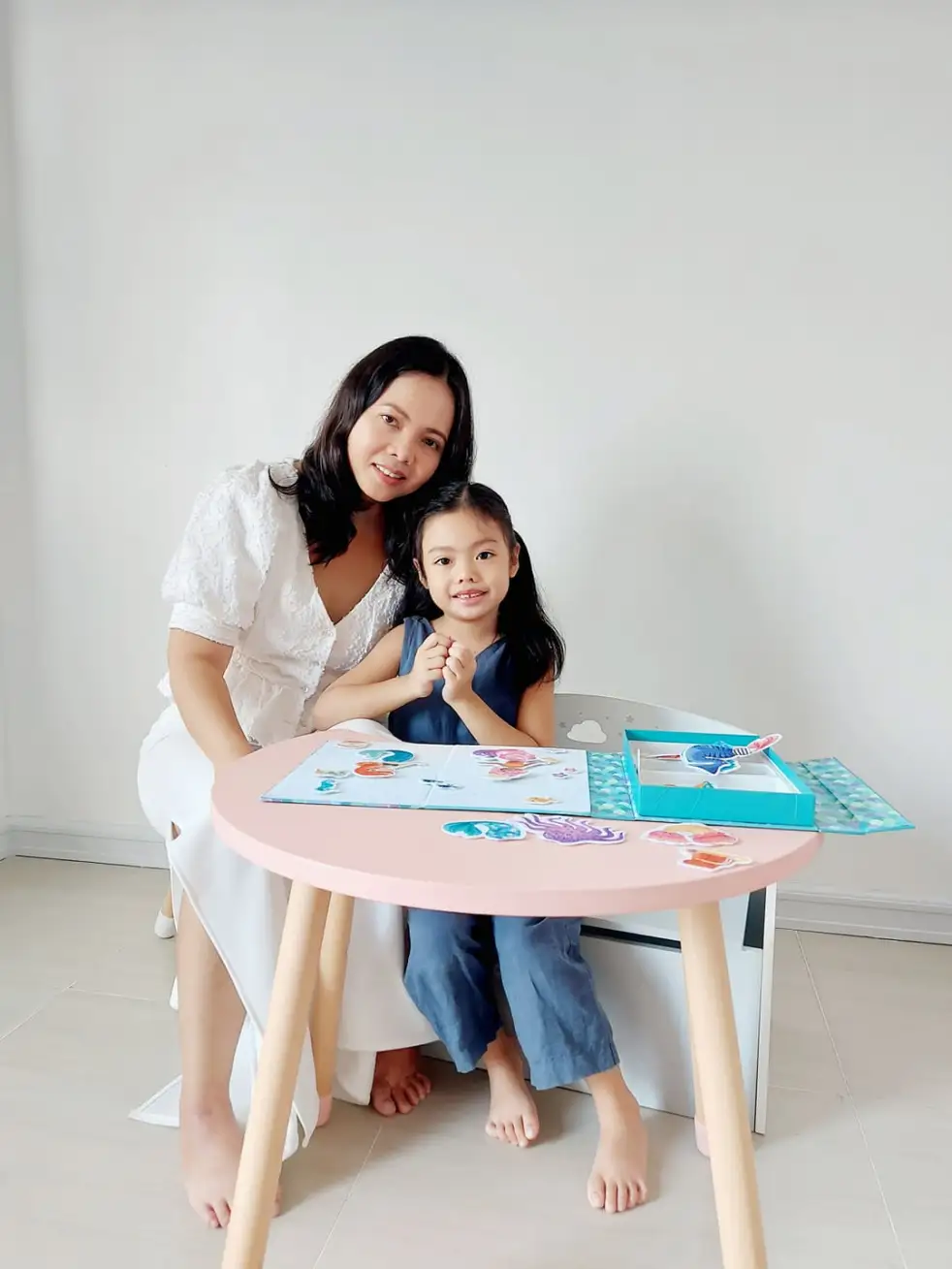
As parents, we want to give our child the best possible start in life and that begins with nurturing their intelligence. Throughout history, the notion of success has been linked to academic intelligence. However, there has been an increased awareness on the importance of emotional intelligence. This question gets at the heart of the never-ending… Continue reading IQ or EQ, which one is a better predictor of your child’s success?
 wondermomma.net