

Last August, IKEA Philippines engaged with Better World Smokey Mountain, a newly opened community center operated by the San Miguel Foundation, which shares a similar goal of improving the lives of many Filipino people. Through this partnership, IKEA Philippines provided and assembled home furnishings for the classrooms and library of Better World Smokey Mountain community… Continue reading Help Create a Better World with IKEA Soft Toys
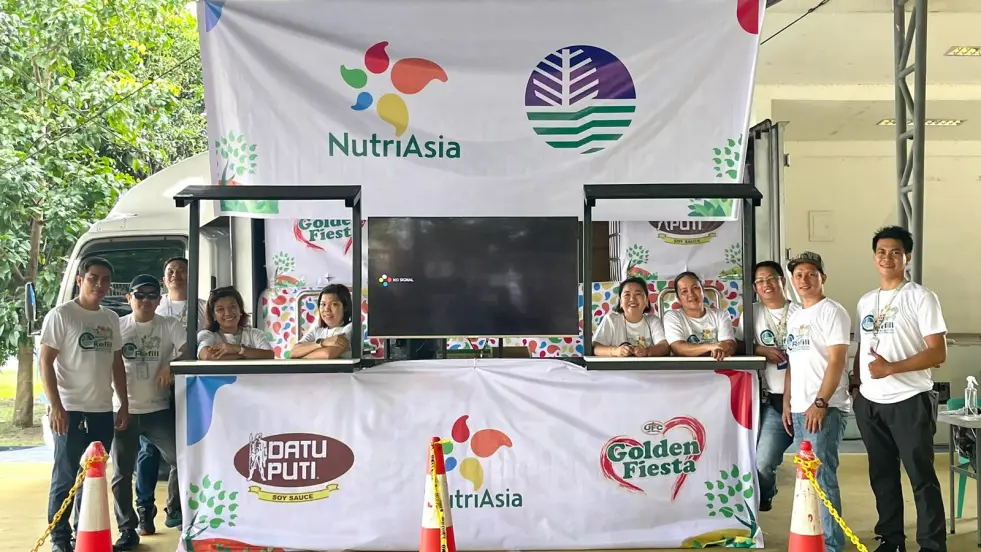
NutriAsia, the country’s top producer of condiments and sauces, continues its support of Refill Revolution; a project by the Department of Environment and Natural Resources EMB 3 that aims to help reduce Filipinos’ single-use plastics consumption. At Refill Revolution, residents get to recycle their single-use plastic bottles by reusing and filling it with their choice… Continue reading NutriAsia and DENR renews partnership for Refill Revolution

Helping Children Manage Separation Anxiety at School Drop-Off
School drop-off can bring big emotions, even for a child who seemed excited about starting kindy, Prep or a new term. Tears, clinging, stomach aches and repeated requests for “one more cuddle” are common signs that the separation feels overwhelming rather than a sign that school is going badly.
A child may be adjusting to a new classroom, unfamiliar routines, a different teacher or the simple fact that a parent leaves and returns later. Separation anxiety can also appear after a family change, illness, holiday break or a move between childcare settings. The aim is not to stop every tear immediately, but to help your child feel safe enough to move through the goodbye.
Australian families may face extra practical pressure at the school gate, from Melbourne’s winter mornings to busy drop-off zones in Sydney or Brisbane. A predictable plan, a warm relationship with educators and calm, consistent language can make the transition easier for children and parents alike.
Understand What Is Behind The Tears
Separation anxiety is often strongest when a child cannot yet picture what happens after a parent leaves. “Mum comes back after lunch” may sound clear to an adult, but time is still an abstract idea for many preschoolers. They may need concrete markers such as snack time, outdoor play or the arrival of a familiar grown-up.
Look for patterns rather than judging the behaviour. Does distress happen only on Mondays, after a poor night’s sleep or when the classroom is noisy? Is your child comfortable once you have gone, or do they remain upset for a long period? Information from the teacher can help distinguish a difficult goodbye from ongoing distress throughout the day.
Children may also absorb adult tension. A rushed parent who repeatedly checks the clock or changes the goodbye plan can unintentionally communicate that school is unsafe. You do not need to appear cheerful when you feel emotional, but a steady voice and confident movements can provide reassurance.
Prepare Before The First Bell
Talk about the school day in simple, positive and realistic terms. Mention who will greet your child, where their bag goes and what happens after you leave. Avoid promising that they will not feel sad. Instead, explain that missing someone is allowed and that teachers can help while they wait for collection.
Practise short separations before the first day or after a long holiday. A child might spend time with a grandparent, attend a play session without you or stay with a trusted friend while you run a brief errand. Return when promised so your child learns that separation has a reliable ending.
Role-play the routine with toys, drawings or a pretend school bag. You can include everyday details such as applying sunscreen, putting on a broad-brimmed hat and carrying a water bottle, which are familiar parts of many Australian school days. If your family is preparing for a new baby, pet or household change, prepare children for pets can also support broader conversations about gentle transitions and caring for others.
Build A Calm Drop-Off Routine
A short, repeatable ritual helps children know what to expect. Keep the words and order similar each morning, even if the setting changes slightly. A routine might include:
- One hug, one reassuring sentence and a wave
- Placing the bag and drink bottle in the same spot
- Walking your child to a nominated educator
- Leaving after the agreed goodbye, without returning to restart it
Allow enough time for breakfast, getting dressed and traffic, especially around crowded school zones in inner Sydney, Perth or Adelaide. Rushing can heighten distress before you reach the gate. If possible, prepare clothing and bags the night before and keep the morning sequence visible with simple pictures.
The goodbye should be warm but firm. Try, “You are safe, and your teacher is ready for you. I will come after afternoon tea.” Avoid sneaking away, as discovering that you have vanished can make future drop-offs more frightening. Avoid stretching the farewell with repeated promises, negotiations or returns for another hug once you have left.
Match The Response To The Child
Different children need different forms of support. Some settle when given a practical job, such as carrying the class clipboard or placing a note in a special pocket. Others need a quiet corner, a familiar educator or a small comfort item approved by the school. Ask what helps your child recover once they are inside rather than relying only on what works at home.
| Child’s likely need | Helpful response | Example language | What to avoid |
|---|---|---|---|
| Predictability | Use the same sequence daily | “First bag away, then a hug, then I leave” | Changing the plan without warning |
| Connection | Offer a brief, focused ritual | “Our hands squeeze three times” | A long, emotional farewell |
| Control | Give two acceptable choices | “Walk in or hold the teacher’s hand?” | Asking whether they want to attend |
| Sensory comfort | Reduce noise and stimulation | “We’ll wait by the quiet gate” | Pushing into a crowded room |
| Reassurance | Name the reunion point | “I’ll return after your story” | Promising an exact time the child cannot track |
For some children, a family photo, small fabric heart or note in their lunchbox can act as a bridge between home and school. Check the centre or school policy first, especially where objects may be lost or become a distraction. In Australia, early learning services may have different rules from primary schools, so agree on the plan with staff.
Praise the coping action rather than demanding bravery. “You felt sad and still walked in with your educator” is more useful than “You were a big boy and didn’t cry.” Tears can happen alongside progress, and a child may need several weeks of repetition before the routine feels ordinary.
Use Words That Create Security
Keep explanations brief and concrete during the emotional moment. A distressed child may not be able to process a long lecture about school benefits. Kneel to their level, acknowledge the feeling and state what will happen next: “You wish I could stay. I’m going to give you a hug, then Ava will help you wash your hands.”
Avoid threats, shame and comparisons with siblings or classmates. Statements such as “Everyone else is fine” can make a child feel isolated. Saying “You’re too old for this” may increase embarrassment without building confidence. Calm boundaries are kinder: “I won’t stay in the classroom, but I will help you get to your teacher.”
At home, use books and stories to explore missing someone, trying a new place and reuniting later. Let your child draw the school routine or make up an ending for a teddy who feels nervous. These conversations work best when your child is calm, rather than immediately before the morning departure.
Work Closely With The School Team
Share useful information with the teacher: your child’s calming strategies, sleep patterns, recent changes and the words used at home. Ask the educator to tell you what happens after you leave and whether your child joins an activity. A quick message through the school’s approved communication channel can prevent unnecessary uncertainty, while frequent checking may keep your own worry active.
Agree on one handover person where possible. A familiar teacher, education support worker or outside-school-hours-care educator can greet your child and guide them to a known activity. If your child attends before-school care, practise the handover there so the school day does not begin with several separate goodbyes.
School policies differ across states, sectors and settings. A government primary school in regional Victoria may manage arrivals differently from a long-day-care centre in Canberra or an independent school in the Gold Coast area. Ask about late arrivals, comfort objects, phone updates and when staff will contact you if distress continues.
Know When Extra Support Helps
Most children gradually settle as trust and familiarity grow, but ongoing or intense anxiety deserves attention. Speak with the teacher or centre director if your child remains highly distressed for a long period after you leave, cannot participate in daily activities or shows strong physical symptoms such as repeated headaches, vomiting or sleep disruption.
Support may be useful when anxiety begins affecting family life, attendance, friendships or eating. Start with your GP, child and family health nurse or another qualified health professional. They can consider hearing, sleep, developmental and emotional factors and refer your family to an appropriate psychologist or paediatric service if needed.
Keep a simple record for two weeks: the morning routine, level of distress, time taken to settle, sleep and any changes at home. This gives professionals and educators a clearer picture than a single difficult morning. With consistent support, many children learn that goodbye is temporary, school is a safe place and their trusted adults return as promised.

Mercato Centrale, in collaboration with Indian Women in Enterprise Philippines (I-We), is set to host "The Great Indian Fiesta" to mark 75 years of friendship between India and the Philippines. The dynamic two-day event is scheduled to take place on September 30 to October 1, 2023, at Paseo De Roxas Street, Makati City. Aiming to… Continue reading Mercato Centrale Partners with I-We to Host ‘The Great Indian Fiesta’, Commemorating 75 Years of India-Philippines Friendship

My stomach would usually start growling at 10 am even after taking a big breakfast. This is probably because I am a morning person and I move a lot throughout the day hence snacking is something that I can't avoid. This potatoes and chicken wrap recipe is easy to prepare and would keep me full… Continue reading Potato and Chicken Wrap
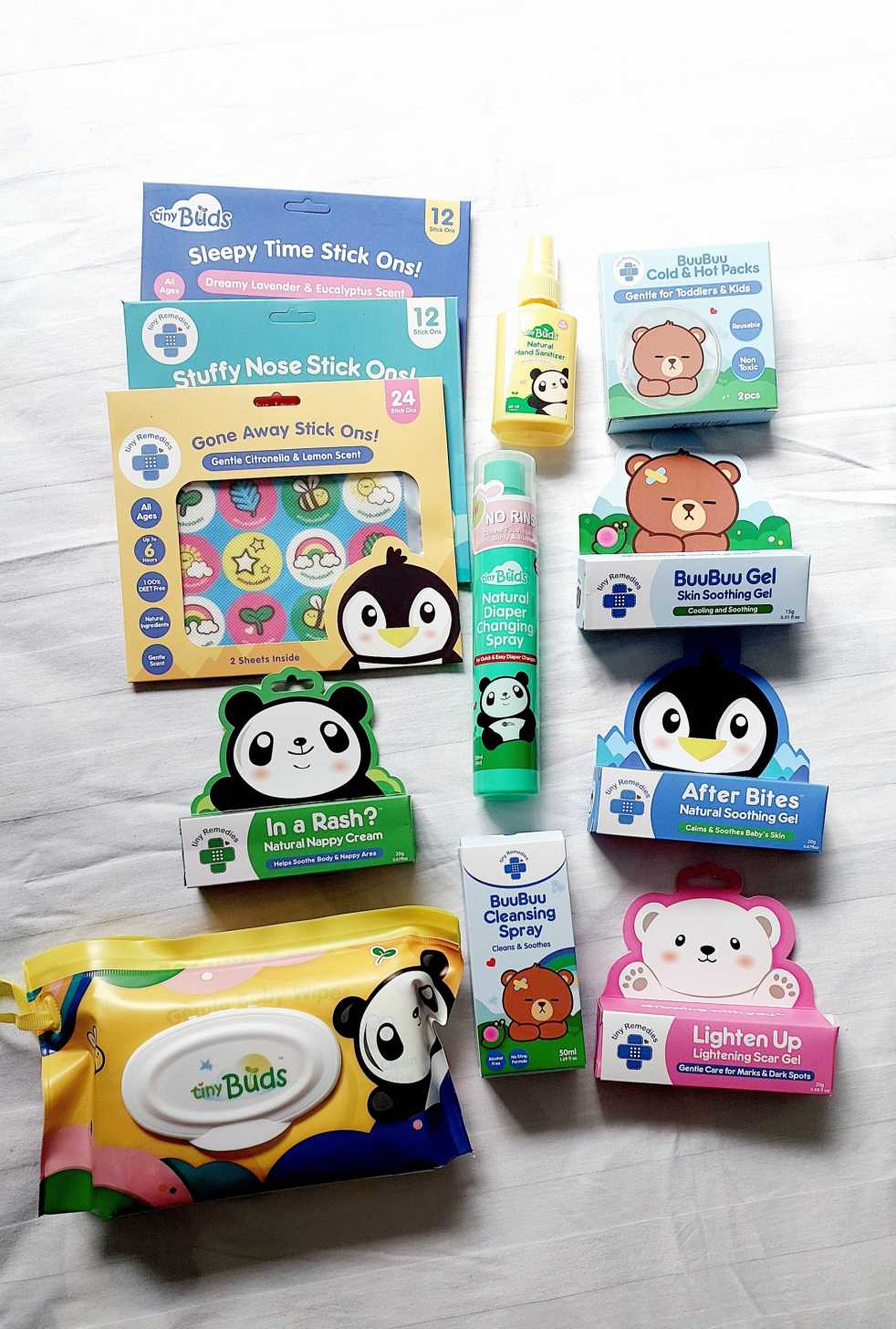
Your baby’s skin is more delicate than most, this is why you have to choose products that are designed for sensitive skin. Tiny Buds is a pioneer in integrating natural ingredients into baby care and today has over 50 innovative natural baby care essentials and is one of the Top Baby Personal Care brands. Here… Continue reading Product Review: Tiny Buds Baby Naturals Baby Essentials
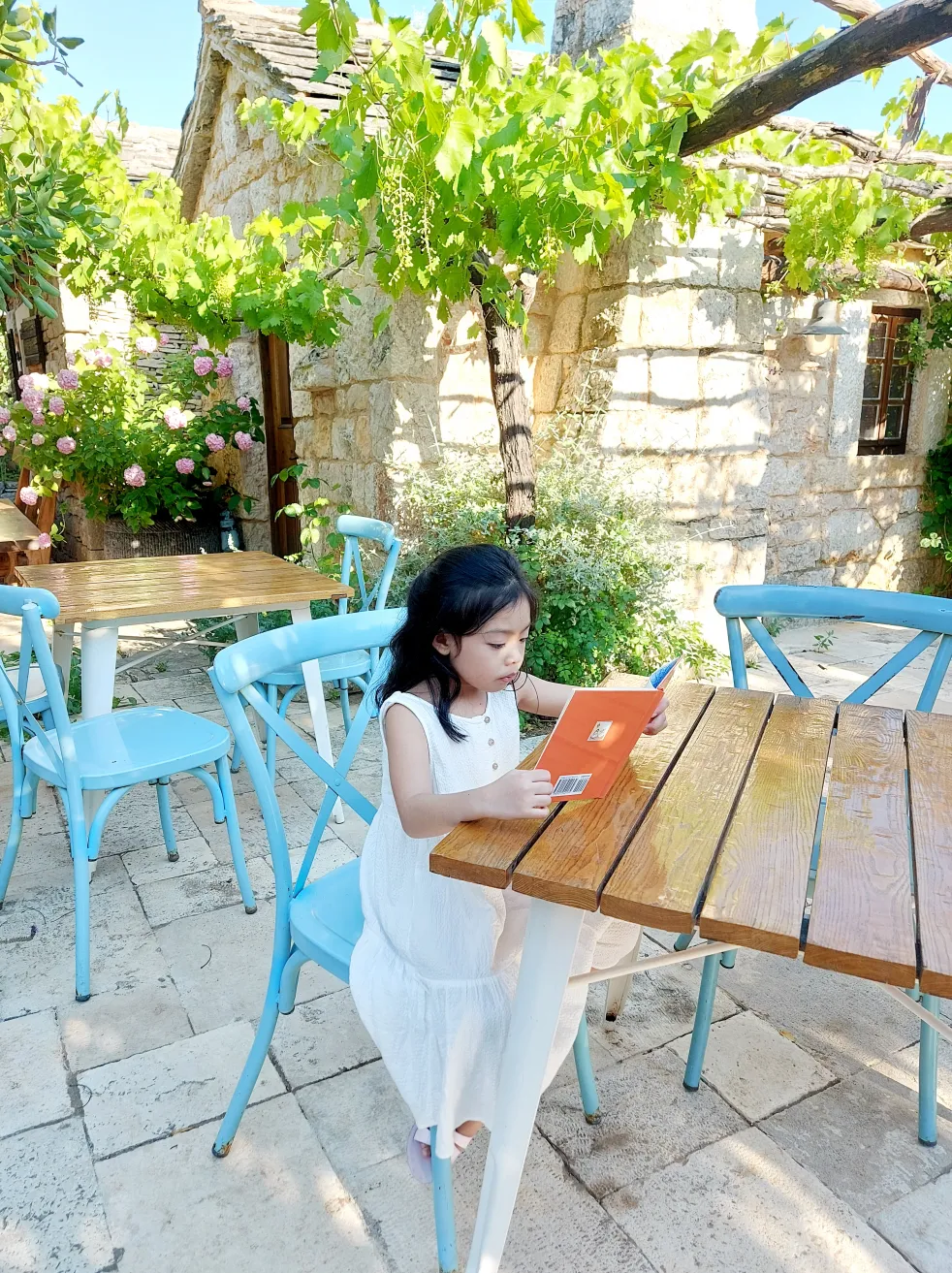
Where your child goes to school is a big decision and shouldn’t be taken lightly. Given how their education can impact their future, you might be tempted to take control and decide for them. However, you might be doing more damage than helping them in the long run. Your job as parents is to support… Continue reading HOW TO CHOOSE THE BEST SCHOOL FOR YOUR CHILD
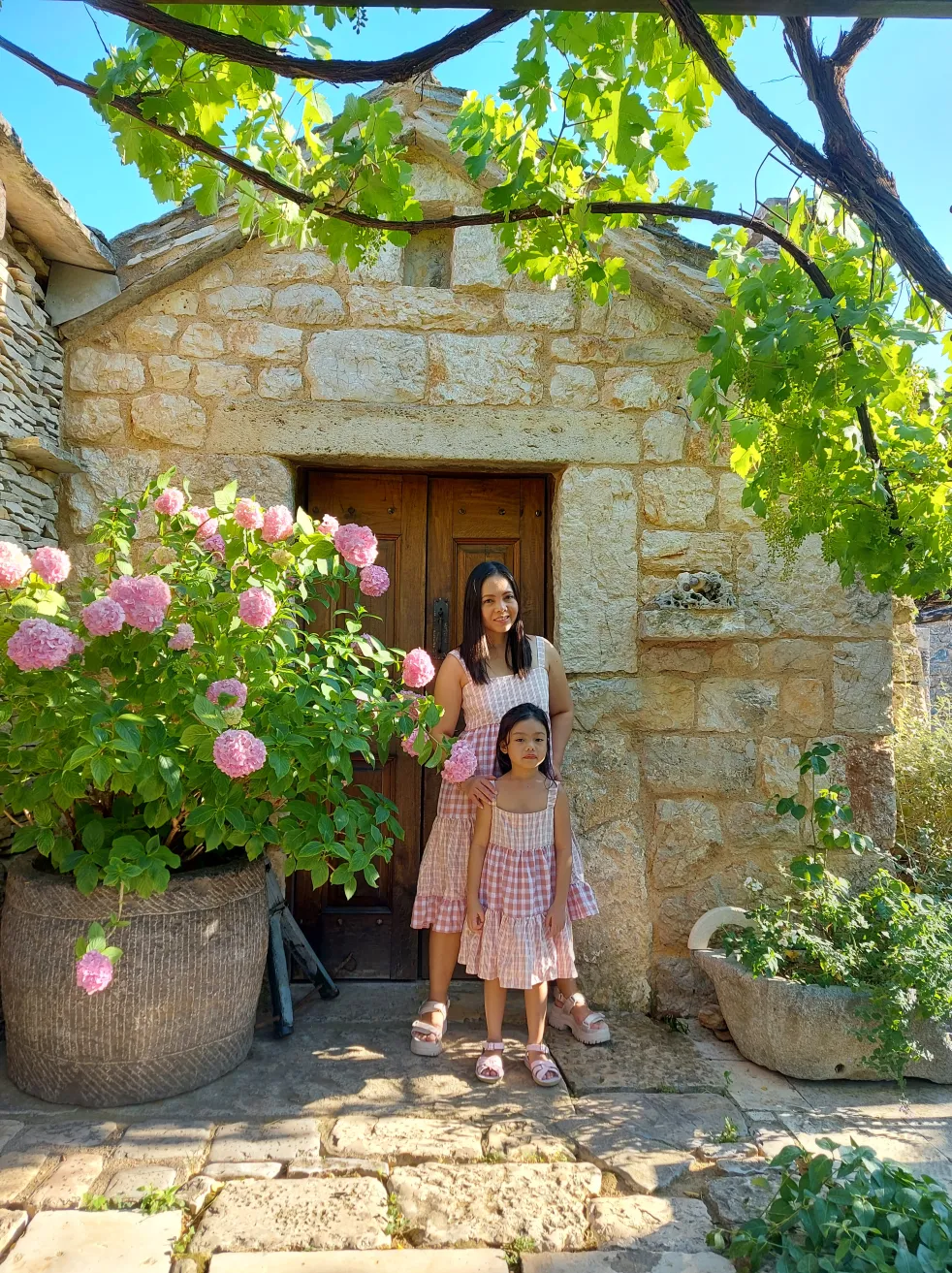
As poet and philosopher Rumi once eloquently said, “raise your words, not your voice. It is rain that grows flowers, not thunder.” Parenting is a challenging journey, and the truth is that nobody has everything figured out. One parenting style might suit others best, and some might favor other methods. However, children respond better to… Continue reading A SIMPLE GUIDE TO GENTLE PARENTING

Whether you’re a new mom to be, mom of a toddler, mom who have school-aged kids, you’re bound to have so many questions. Let's start with your baby's skin. Infant skin has unique needs; gentle care is essential to prevent damage to the skin barrier, which can lead to irritation. When caring for infant skin,… Continue reading Keeping Baby’s Diapered Skin Healthy
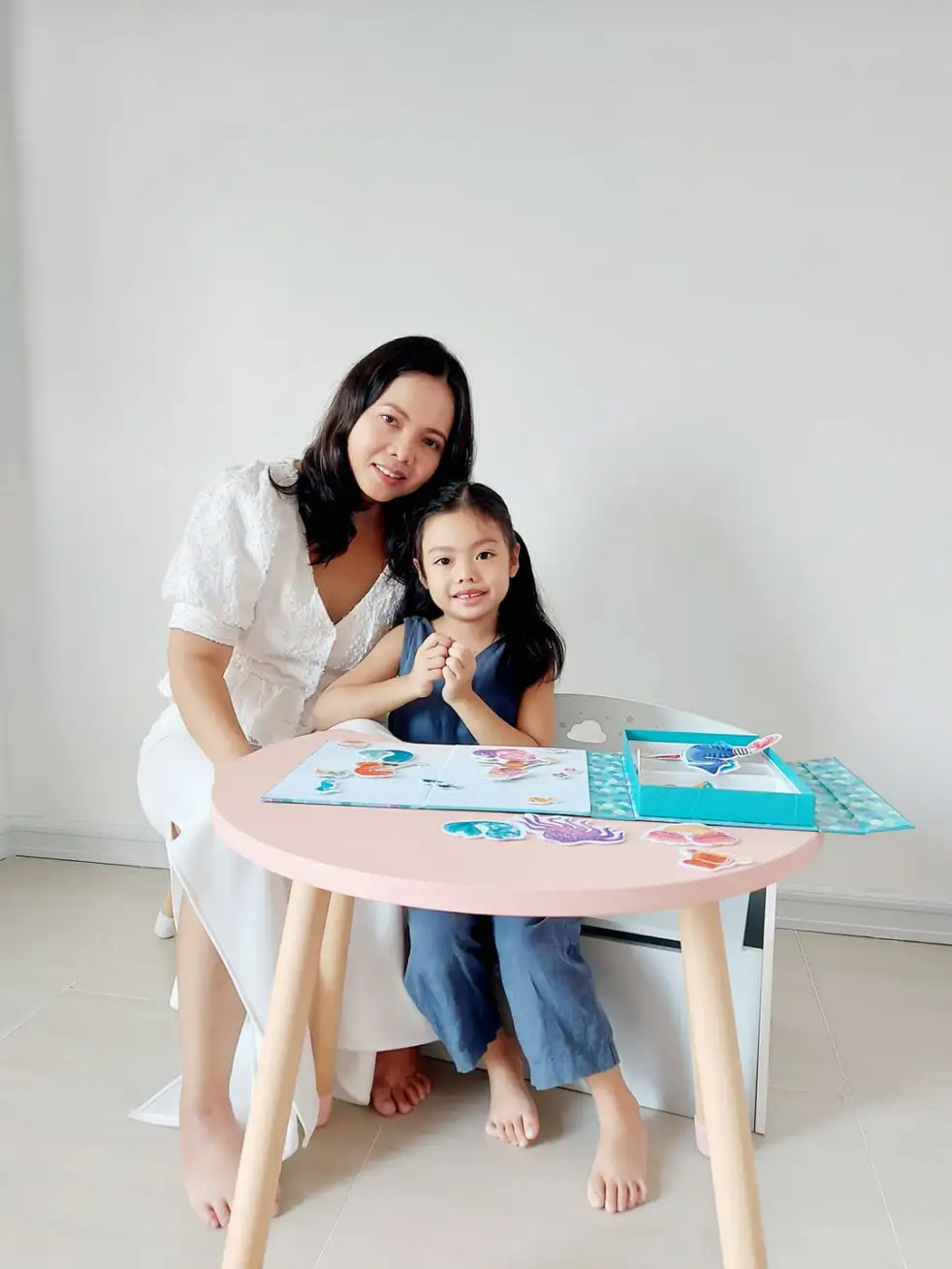
As parents, we want to give our child the best possible start in life and that begins with nurturing their intelligence. Throughout history, the notion of success has been linked to academic intelligence. However, there has been an increased awareness on the importance of emotional intelligence. This question gets at the heart of the never-ending… Continue reading IQ or EQ, which one is a better predictor of your child’s success?
 wondermomma.net