

Last August, IKEA Philippines engaged with Better World Smokey Mountain, a newly opened community center operated by the San Miguel Foundation, which shares a similar goal of improving the lives of many Filipino people. Through this partnership, IKEA Philippines provided and assembled home furnishings for the classrooms and library of Better World Smokey Mountain community… Continue reading Help Create a Better World with IKEA Soft Toys

NutriAsia, the country’s top producer of condiments and sauces, continues its support of Refill Revolution; a project by the Department of Environment and Natural Resources EMB 3 that aims to help reduce Filipinos’ single-use plastics consumption. At Refill Revolution, residents get to recycle their single-use plastic bottles by reusing and filling it with their choice… Continue reading NutriAsia and DENR renews partnership for Refill Revolution

When Your Child Favours One Parent Over the Other
Watching your toddler sprint past you and into your partner's arms can sting, especially after a long stretch of nappy changes and broken sleep. Almost every family passes through phases where one caregiver seems to hold all the magic, and the other feels like the stand-in. The reassuring part is that this kind of asymmetric attachment is usually a normal part of growing up, particularly between one and four years of age.
In Australian households, where paid parental leave has stretched father-participation time and many mums return to work before their child turns one, the balance of who does what can shift quickly. That makes it even more helpful to understand why this preference shows up, what drives the cycle, and which gentle moves can bring things back into balance without forcing it.
Why children develop a clear caregiver preference
Attachment is not a popularity contest. It is built through repeated, predictable responses to a child's needs. The caregiver who usually handles the 3am wake-ups, the bath-time tears, and the lunch-box packing becomes the safe home base. When that person steps out the door and comes back, trust deepens. So a preference often reflects familiarity rather than love.
Resources from the Raising Children Network show that toddlers often go through phases of preferring the parent who sets the firmest boundaries, even if they protest. Children also tend to favour the caregiver who matches their current developmental obsession. A child obsessed with trucks may chase the parent who spends the most time pointing out the Bunnings ute in the car park. A child obsessed with stories may cling to whoever reads Possum Magic each night.
Gender plays a smaller role than culture sometimes suggests. Plenty of Aussie dads are the at-home parent through the second year, and plenty of mums work full-time once parental leave ends. The pattern that matters is who consistently answers the call, not whether that person is mum or dad.
Common phases that swing the balance
Most children pass through several short-lived preferences before they settle into a wider circle of trusted adults. A typical toddler might reject dad for a fortnight after starting three-year-old kindy, then suddenly refuse to sleep unless mum is in the room. Pre-schoolers often return to the previously rejected parent once they discover that this adult does something different, like being the one who takes them to the local pool or pushes them on the swings at the park.
Big life events amplify the swing. Moving house, starting child care, the arrival of a new sibling, or even the switch off daylight saving in April can shake a child's sense of routine. Sleep disruption often walks hand in hand with these transitions, and an exhausted child will lean harder on the caregiver they associate with sleep.
Holidays can also tilt things. A child who spends two weeks with grandparents up in Queensland might come home ignoring mum completely. The phase usually fades within a few weeks of returning to the normal routine, especially if both parents stay warm and predictable through the wobble.
The emotional toll on the less-favoured parent
Being regularly pushed away is hard on the heart. Many parents describe feeling like a spare tyre in their own family, even when intellectually they know the phase will pass. That grief is real, and it deserves air rather than silence.
Carving out one-on-one time helps. Even fifteen minutes of fully present play, with the phone in a drawer and no chores competing, can rebuild a sense of connection. Choosing an activity the child adores rather than one a parent thinks they should love makes the time richer. A trip to feed the ducks, a coffee and a babycino at the local café, or a quiet walk looking for mushrooms after rain can do far more than a fancy toy bought in a guilt spiral.
Mental load counts too. When one parent shoulders the Centrelink paperwork, the kindy sign-on sheets, and the bulk of the appointments with the Maternal and Child Health Nurse at the local council centre, that parent often becomes the less-fun one. Splitting invisible planning helps rebalance the caregiver label. The child starts to see both adults as sources of comfort rather than one as the rule-keeper and the other as the treat-giver.
Looking after the favoured parent
The parent currently holding the title of favourite can quietly burn out. Being needed at every meal, every nap, and every bedtime leaves little space for self. In Australia, where the cost of living has pushed most households into two-income territory, even a short break can feel impossible to organise, yet it remains essential.
Simple swaps can ease the load. Dad takes the bath while mum enjoys a quiet cuppa on the verandah. Mum handles kindy drop-off while dad answers work emails. Rotating the high-demand moments lets both parents stay fresh and stops the favoured parent from feeling like the only option available.
It also helps to narrate the swap to the child. "Daddy is going to do bath tonight, and I am going to sit on the step and watch." Children adjust faster when they can see what is happening and feel included in the plan. The favoured parent also needs permission to step away without guilt. A walk to the letterbox, a quick arvo at the library, or a swim at the local pool can refill a depleted cup.
Gentle strategies to rebalance the bond
There is no need to force closeness or compete for affection. Trust grows through small, repeated, reliable moments, not grand gestures.
Start with predictable rituals. One parent becomes the breakfast parent, the other becomes the dinner parent. One parent handles bath, the other handles story. Predictability helps a child know what to expect, and expectation makes the bond feel safe. Over weeks, the child begins to associate each parent with their own special role, which softens the winner-takes-all pattern.
Follow the child's lead during play. Get down on the floor and copy what they are doing rather than directing the activity. Comment on the block tower rather than asking questions. This kind of attunement is the same approach Australian playgroups encourage through their peer-led sessions, and it works in the lounge room too.
Stay calm through the rejection. Acknowledge the feeling without collapsing into it. "I can see you really want Mummy right now. I am here when you are ready." The words sit alongside the child without pressuring them, and pressure is the fastest way to harden it. Avoid bribing, which can backfire, and avoid teasing, which can shame.
When to reach out for extra support
Sometimes the preference stretches beyond a typical phase. If a child refuses contact with one parent for extended periods, becomes distressed every time that parent enters the room, or shows signs of regression in skills they have already mastered, it is worth a chat with a professional.
The first stop for many Australian families is the local Maternal and Child Health Nurse, who can offer free guidance through the council's early years centre. GPs can also refer families to a paediatrician or a psychologist through a Mental Health Care Plan, which Medicare covers for up to twenty sessions per year. Raising Children Network, Playgroup Australia, and the Parentline helpline in each state are free resources worth keeping on the fridge.
Couples can also benefit from speaking together about how they are dividing emotional labour, paid work, and home care. A relationship counsellor, accessed through Relationships Australia or a private practitioner, can help partners reset expectations before resentment hardens. Reaching out early is far easier than rebuilding from a cold stage later.
| Strategy | Best for the rejected parent | Best for the favoured parent |
|---|---|---|
| Daily rituals | Own one fixed slot such as breakfast or bath, kept consistent every day | Hand over one slot slowly so the child adjusts, then take back a different one |
| Play style | Floor play that follows the child's lead, no phone, no questions | Encourage independence by stepping back during solo play |
| Communication | Calm narration: "I am here when you are ready" | Normalise the swap: "Daddy is doing bath, Mummy is watching" |
| Self-care | Schedule one short break daily, even a coffee at the local café | Accept help and rotate high-demand moments with partner |
| Professional support | Mental Health Care Plan via Medicare, Parentline call | Maternal and Child Health Nurse check-in at the local council |

Mercato Centrale, in collaboration with Indian Women in Enterprise Philippines (I-We), is set to host "The Great Indian Fiesta" to mark 75 years of friendship between India and the Philippines. The dynamic two-day event is scheduled to take place on September 30 to October 1, 2023, at Paseo De Roxas Street, Makati City. Aiming to… Continue reading Mercato Centrale Partners with I-We to Host ‘The Great Indian Fiesta’, Commemorating 75 Years of India-Philippines Friendship

My stomach would usually start growling at 10 am even after taking a big breakfast. This is probably because I am a morning person and I move a lot throughout the day hence snacking is something that I can't avoid. This potatoes and chicken wrap recipe is easy to prepare and would keep me full… Continue reading Potato and Chicken Wrap
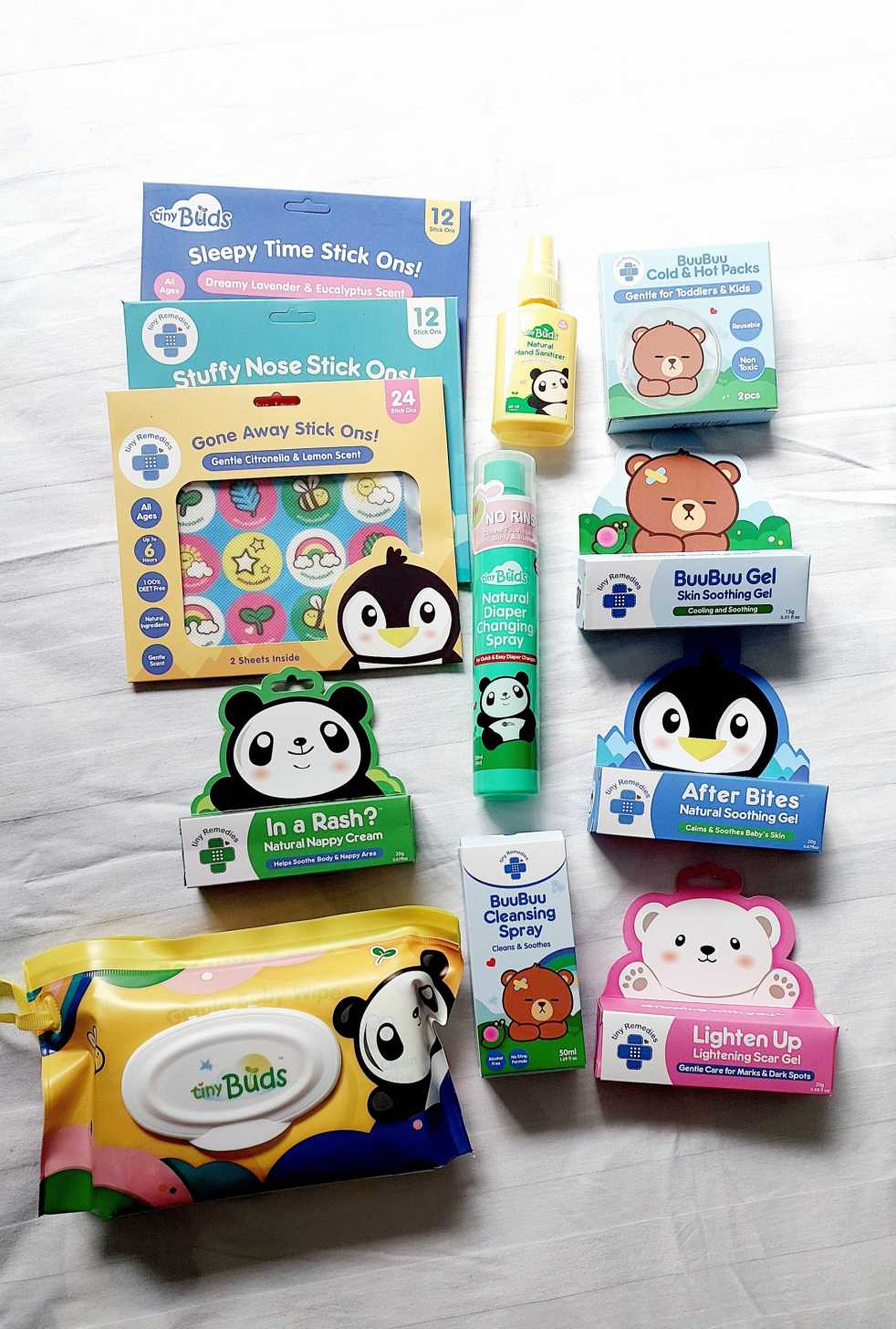
Your baby’s skin is more delicate than most, this is why you have to choose products that are designed for sensitive skin. Tiny Buds is a pioneer in integrating natural ingredients into baby care and today has over 50 innovative natural baby care essentials and is one of the Top Baby Personal Care brands. Here… Continue reading Product Review: Tiny Buds Baby Naturals Baby Essentials
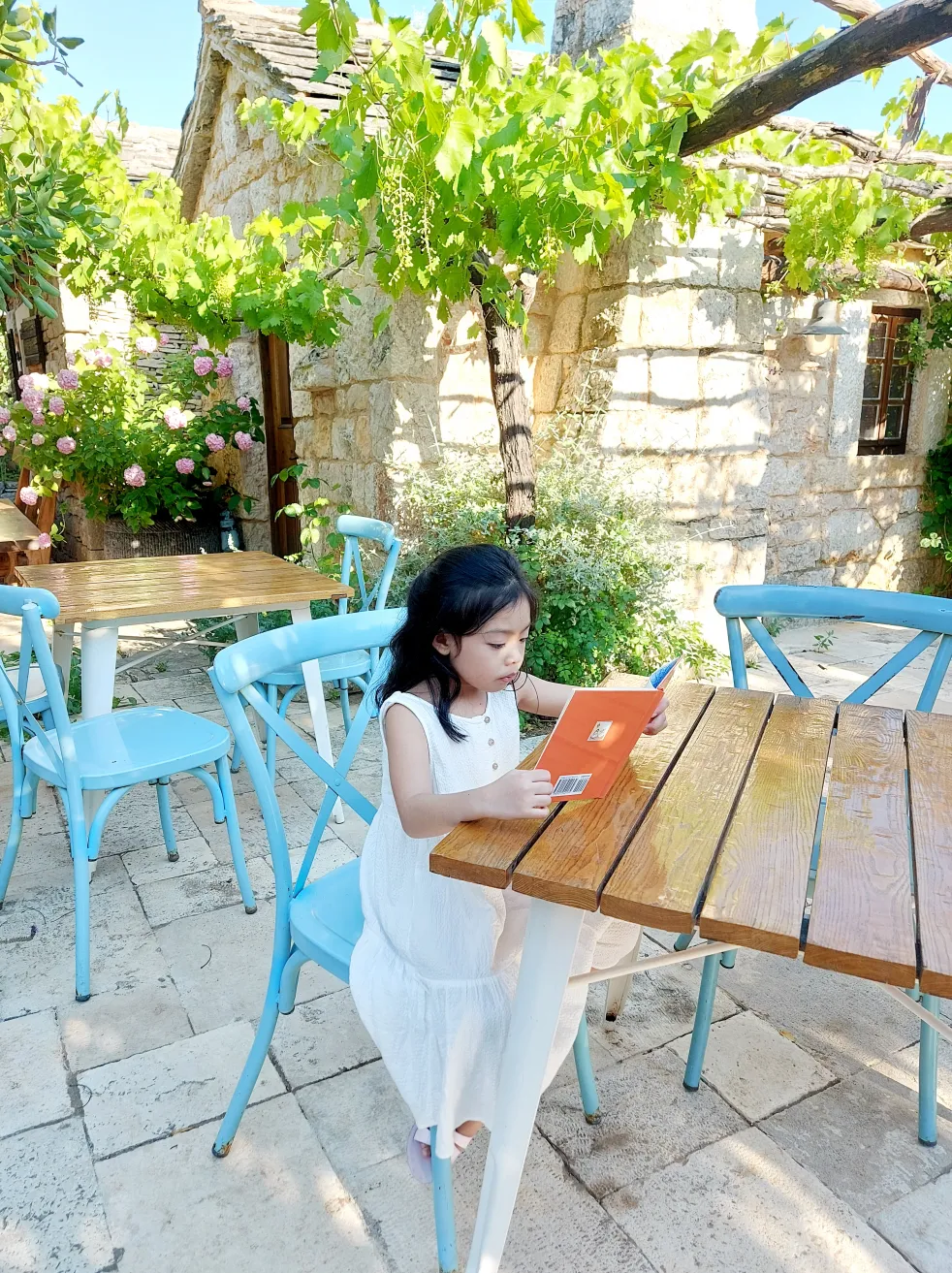
Where your child goes to school is a big decision and shouldn’t be taken lightly. Given how their education can impact their future, you might be tempted to take control and decide for them. However, you might be doing more damage than helping them in the long run. Your job as parents is to support… Continue reading HOW TO CHOOSE THE BEST SCHOOL FOR YOUR CHILD

As poet and philosopher Rumi once eloquently said, “raise your words, not your voice. It is rain that grows flowers, not thunder.” Parenting is a challenging journey, and the truth is that nobody has everything figured out. One parenting style might suit others best, and some might favor other methods. However, children respond better to… Continue reading A SIMPLE GUIDE TO GENTLE PARENTING

Whether you’re a new mom to be, mom of a toddler, mom who have school-aged kids, you’re bound to have so many questions. Let's start with your baby's skin. Infant skin has unique needs; gentle care is essential to prevent damage to the skin barrier, which can lead to irritation. When caring for infant skin,… Continue reading Keeping Baby’s Diapered Skin Healthy
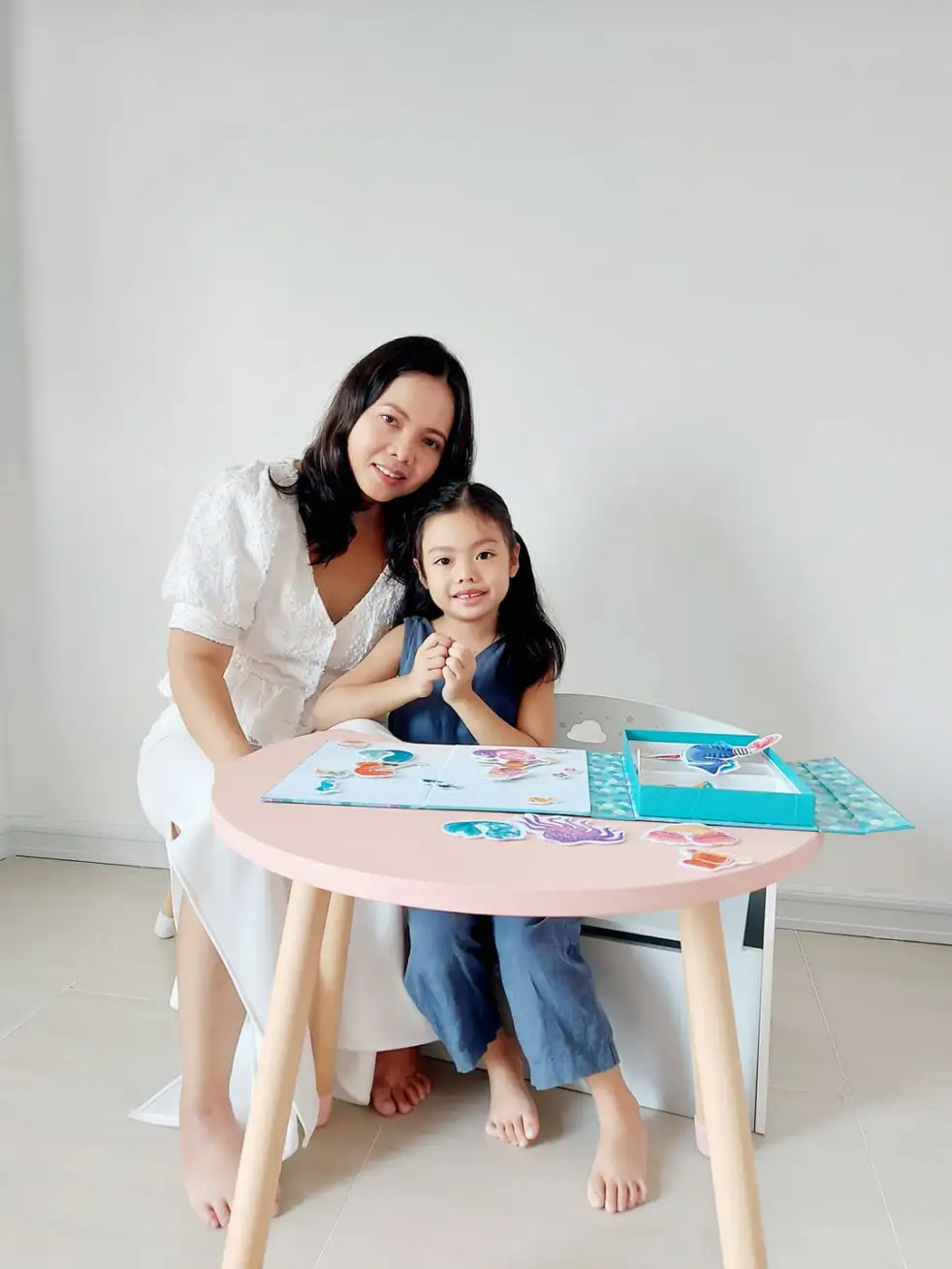
As parents, we want to give our child the best possible start in life and that begins with nurturing their intelligence. Throughout history, the notion of success has been linked to academic intelligence. However, there has been an increased awareness on the importance of emotional intelligence. This question gets at the heart of the never-ending… Continue reading IQ or EQ, which one is a better predictor of your child’s success?
 wondermomma.net