
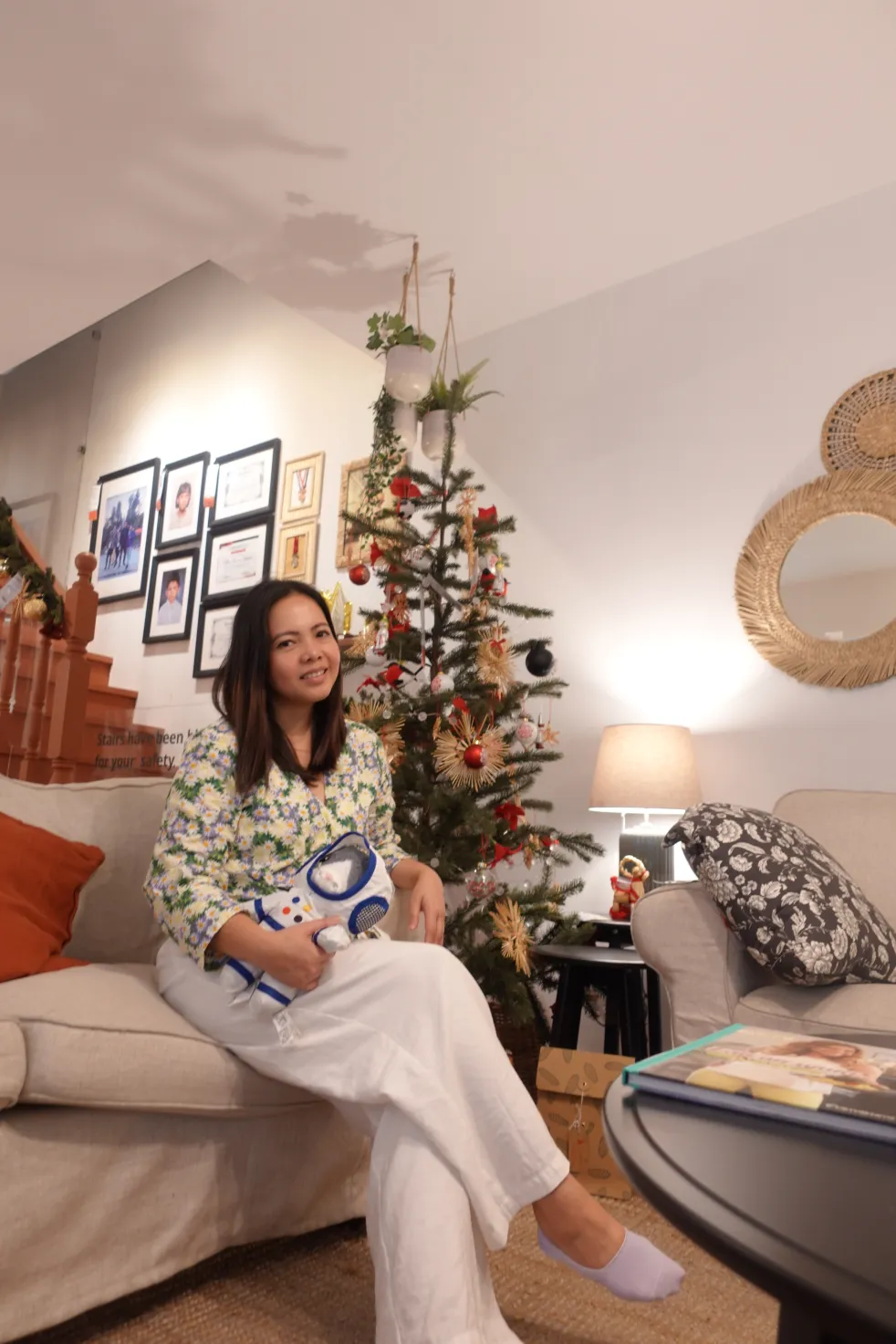
Last August, IKEA Philippines engaged with Better World Smokey Mountain, a newly opened community center operated by the San Miguel Foundation, which shares a similar goal of improving the lives of many Filipino people. Through this partnership, IKEA Philippines provided and assembled home furnishings for the classrooms and library of Better World Smokey Mountain community… Continue reading Help Create a Better World with IKEA Soft Toys

NutriAsia, the country’s top producer of condiments and sauces, continues its support of Refill Revolution; a project by the Department of Environment and Natural Resources EMB 3 that aims to help reduce Filipinos’ single-use plastics consumption. At Refill Revolution, residents get to recycle their single-use plastic bottles by reusing and filling it with their choice… Continue reading NutriAsia and DENR renews partnership for Refill Revolution

Creative ways to display your child’s artwork at home
Children’s drawings, paintings, collages, and handmade crafts carry more than bright colours. They show developing motor skills, growing confidence, imaginative thinking, and the stories children are learning to tell. When their work has a visible place at home, children often feel that their ideas and efforts matter.
A display does not need a large empty wall or expensive frames. A narrow hallway, refrigerator door, bookshelf, or unused corner can become a small gallery. The best arrangement is one that feels welcoming, easy to update, and suitable for your family’s daily routine.
Displaying artwork also creates opportunities for conversation. Ask your child what inspired a picture, invite them to choose which piece should be featured, or talk about the materials they used. These simple moments support language development and help children reflect on their creative process.
Make a rotating gallery
A rotating gallery is one of the easiest ways to celebrate new artwork without allowing every surface in the house to become crowded. Attach a wire, string, or slim wooden rail to a wall, then use clips to hang several pieces at a time. Children can take down old work and select replacements, giving them a sense of ownership over the display.
For a softer look, use colourful pegs, fabric ribbons, or clips shaped like stars and animals. Keep the height accessible so your child can participate safely. If you rent your home, removable adhesive hooks and lightweight clip rails can create a gallery while limiting wall damage.
Consider adding a small card beside each piece with the child’s name, age, title, and date. Parents can write down a sentence their child says about the artwork. These descriptions preserve the meaning behind abstract shapes and colourful scenes, especially when a young artist’s explanation is more detailed than the picture itself.
Turn a wall into a story space
Some artwork works best as part of a larger scene. Arrange a series of drawings in sequence to show a story, such as a family outing, an imaginary adventure, or the stages of planting a seed. Leave a little space between each image and add short captions dictated by your child. The result becomes a homemade picture book displayed at eye level.
A magnetic board can support changing themes without tape or pins. Use it for a monthly colour study, a collection of animal drawings, or a group project based on a favourite book. A corkboard is another practical option, particularly for combining flat art with small paper crafts, notes, and photographs.
You can also create a “museum wall” with a simple title chosen by your child. Invite them to arrange the pieces by colour, subject, size, or date. This activity quietly introduces sorting, sequencing, and early design concepts while making the display feel like a genuine creative project.
Bring artwork into everyday objects
A child’s art can become part of family life when it is printed or transferred onto useful items. Scan a favourite drawing and use it for greeting cards, gift tags, calendars, placemats, notebooks, or labels for storage boxes. Laminated artwork can protect a small piece for use as a table mat, provided the edges are sealed and the child is supervised around any cutting or laminating equipment.
A rotating frame on a bedside table or bookshelf gives special attention to one piece without requiring a full wall arrangement. Another option is a tabletop art stand, which can hold paintings, seasonal crafts, or a handmade card. Change the featured work every week or whenever your child completes something they feel proud of.
For a personal family display, place children’s artwork in inexpensive frames with removable backing. Matching frames create a neat gallery effect, while mismatched frames give the space a playful, collected feel. Choose shatter-resistant acrylic instead of glass in playrooms and busy areas.
Connect creative work with family culture
Artwork can become a meaningful way to explore family identity, local traditions, and community life. Invite your child to draw a Filipino celebration, recreate a pattern inspired by weaving, illustrate a favourite local food, or paint a scene from a family trip. Talking about the people, places, and customs represented in the artwork gives the display a deeper story.
Parents looking for age-appropriate ways to begin these conversations can explore Filipino traditions together with their children. After reading or talking, your child might create a drawing about a fiesta, a family gathering, a traditional game, or a value such as respect for elders and care for neighbours.
Create a small “family heritage corner” with artwork, printed photographs, children’s captions, and safe keepsakes. Rotate the theme throughout the year so the display reflects different celebrations and memories. This approach helps children see culture as something lived at home rather than something encountered only during a school lesson.
Choose a display style that fits your home
Different display methods suit different spaces, materials, and stages of childhood. Before attaching anything to a wall, consider how often the artwork changes, whether your child needs independent access, and how much protection each piece requires.
| Display method | Works well for | Main benefit | Helpful consideration |
|---|---|---|---|
| Clip rail or string line | Drawings and paintings | Fast updates | Keep cords secure and out of reach of toddlers |
| Magnetic board | Mixed paper artwork | No tape on individual pieces | Use large, child-safe magnets |
| Picture frames | Special or finished pieces | Protects artwork from dust | Choose acrylic for play areas |
| Binder or portfolio | Large collections | Easy to store and revisit | Add dates and short descriptions |
| Digital slideshow | Scanned or photographed work | Saves physical space | Protect children’s privacy when sharing |
| Shelf or art ledge | Canvas, models, and crafts | Displays three-dimensional work | Anchor shelves securely to the wall |
For fragile pieces, use acid-free folders or archival sleeves before storing them. A simple portfolio divided by school year can preserve a child’s artistic progress. You may also photograph bulky crafts before recycling them, allowing the memory to remain without filling every cupboard.
Digital displays are useful for grandparents and relatives who live far away. Create a private family album or slideshow rather than posting every piece publicly. Check that names, school details, and identifiable locations are removed before sharing images online.
Let children help curate the collection
A display feels more meaningful when children have a role in choosing, arranging, and caring for it. Set aside a small amount of time each week or month to review recent work together. Ask your child to select a favourite, a surprising experiment, and one piece they would like to improve. This language values effort and discovery rather than focusing only on polished results.
Make room for artwork that is unfinished, unusual, or still developing. A child may learn more from experimenting with texture or mixing colours than from producing a picture that matches an adult’s idea of beauty. Comments such as “Tell me about this part” or “What did you try here?” encourage reflection without taking over the creative process.
When space becomes limited, create three categories: display, save, and photograph. Allow your child to take part in the decision, then store selected pieces in a labelled folder. Avoid quietly discarding work that has emotional significance; a brief conversation can help children understand that a home can honour their creations while still staying organised.
Build simple display habits
A few practical routines can keep the artwork collection joyful rather than overwhelming:
- Choose one visible area as the main home gallery and keep the rest of the room uncluttered.
- Rotate pieces on a regular schedule, such as the first weekend of each month or at the start of a new school term.
- Photograph large, delicate, or three-dimensional projects before storing or recycling them.
- Label saved artwork with the child’s name, date, age, and a short quote when possible.
- Use secure, child-safe materials and keep small magnets, sharp pins, and loose cords away from young children.
A “new work” basket can make the process easier. Children place completed pieces inside, and the family reviews them during the next gallery change. Keep a small supply of clips, backing paper, labels, and folders nearby so displaying and preserving art does not become a complicated project.
The display can also grow with your child. Younger children may enjoy bright clips and accessible boards, while older children might prefer a curated wall with themed groups, framed pieces, or a sketchbook shelf. Respecting their changing preferences teaches them that their creative space belongs to them.
Let your home gallery reflect the warmth, personality, and memories of your family. Choose a wall, shelf, or corner today, invite your child to select one meaningful piece, and give that artwork a place where everyone can enjoy its story.

Mercato Centrale, in collaboration with Indian Women in Enterprise Philippines (I-We), is set to host "The Great Indian Fiesta" to mark 75 years of friendship between India and the Philippines. The dynamic two-day event is scheduled to take place on September 30 to October 1, 2023, at Paseo De Roxas Street, Makati City. Aiming to… Continue reading Mercato Centrale Partners with I-We to Host ‘The Great Indian Fiesta’, Commemorating 75 Years of India-Philippines Friendship

My stomach would usually start growling at 10 am even after taking a big breakfast. This is probably because I am a morning person and I move a lot throughout the day hence snacking is something that I can't avoid. This potatoes and chicken wrap recipe is easy to prepare and would keep me full… Continue reading Potato and Chicken Wrap
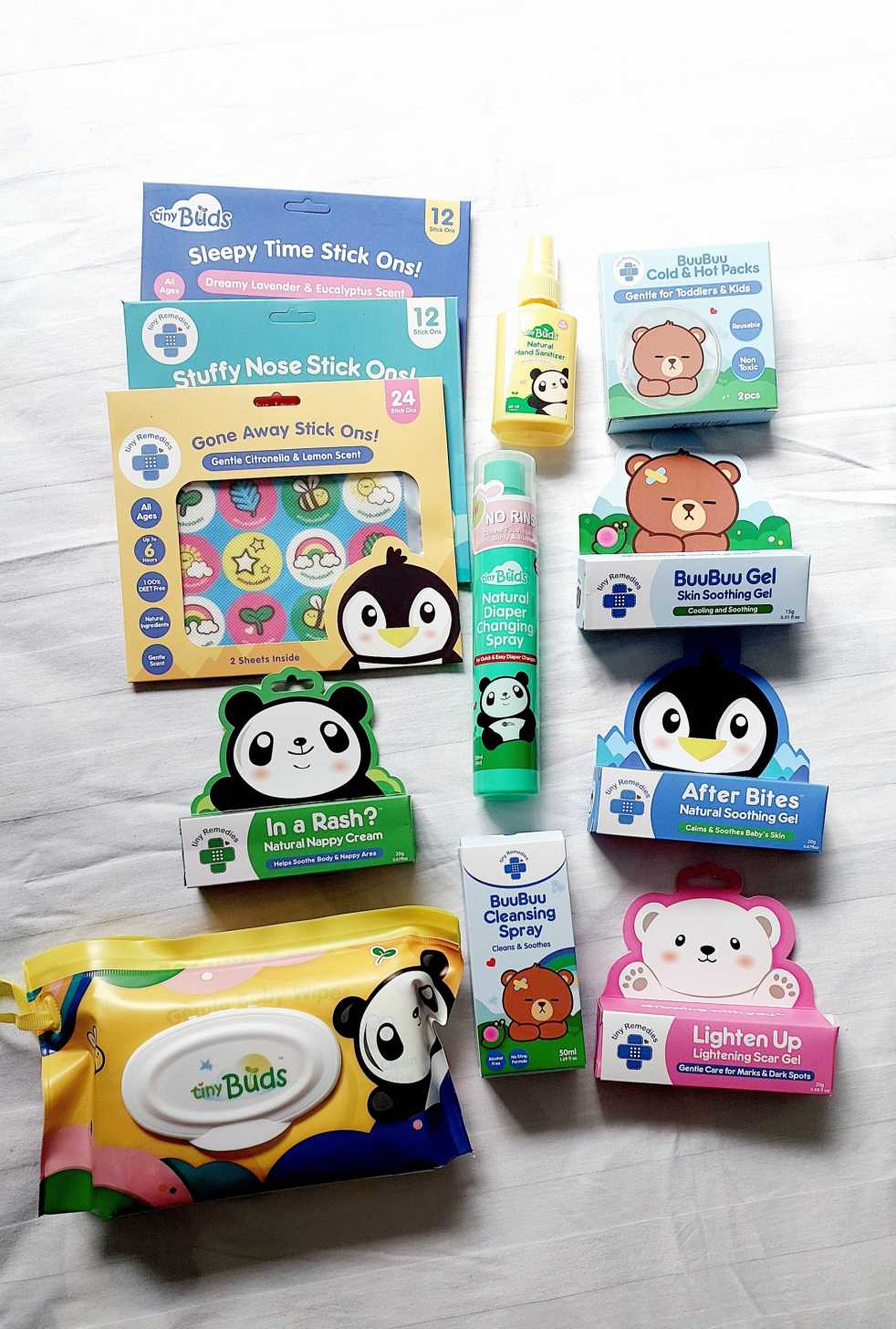
Your baby’s skin is more delicate than most, this is why you have to choose products that are designed for sensitive skin. Tiny Buds is a pioneer in integrating natural ingredients into baby care and today has over 50 innovative natural baby care essentials and is one of the Top Baby Personal Care brands. Here… Continue reading Product Review: Tiny Buds Baby Naturals Baby Essentials
Where your child goes to school is a big decision and shouldn’t be taken lightly. Given how their education can impact their future, you might be tempted to take control and decide for them. However, you might be doing more damage than helping them in the long run. Your job as parents is to support… Continue reading HOW TO CHOOSE THE BEST SCHOOL FOR YOUR CHILD
As poet and philosopher Rumi once eloquently said, “raise your words, not your voice. It is rain that grows flowers, not thunder.” Parenting is a challenging journey, and the truth is that nobody has everything figured out. One parenting style might suit others best, and some might favor other methods. However, children respond better to… Continue reading A SIMPLE GUIDE TO GENTLE PARENTING
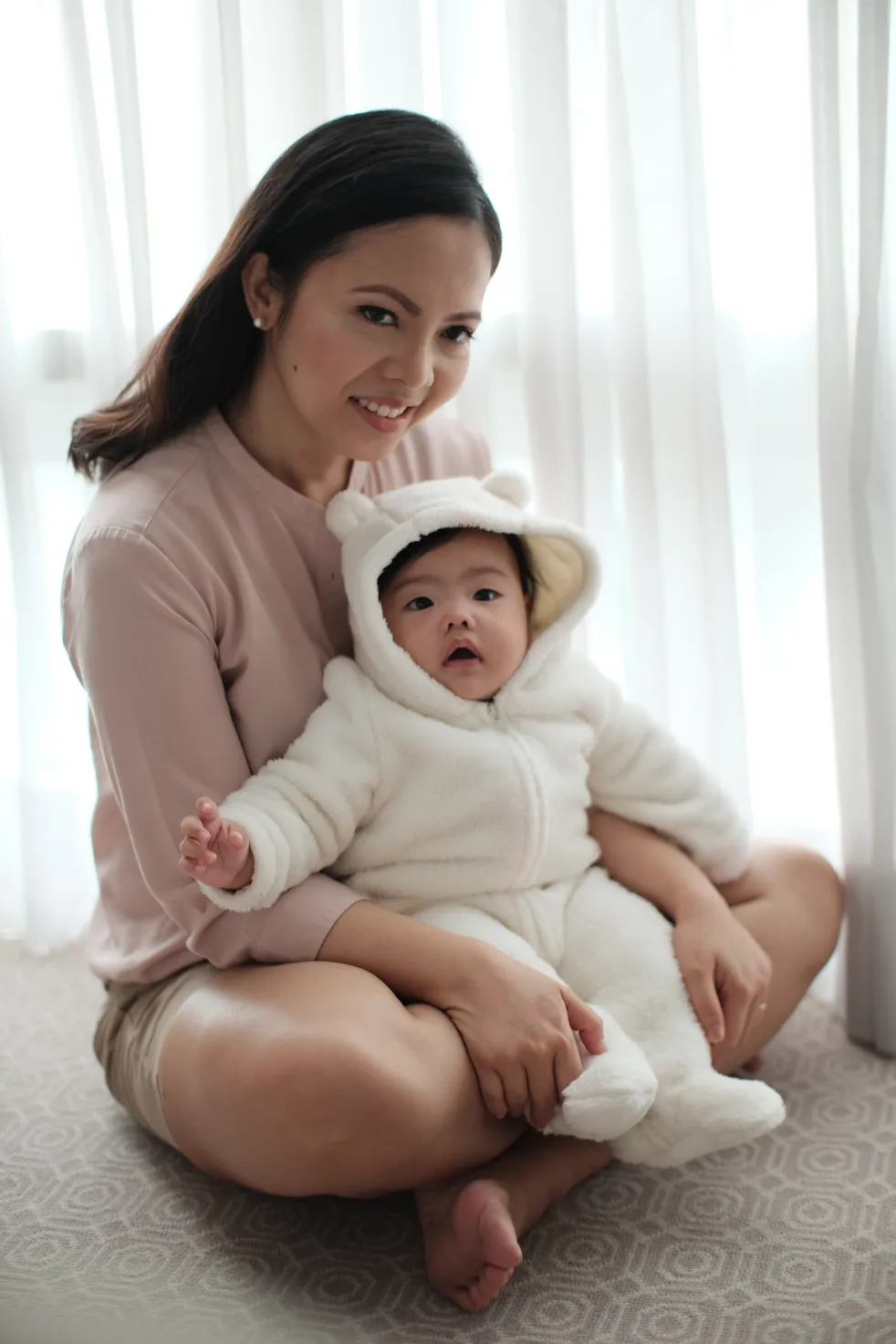
Whether you’re a new mom to be, mom of a toddler, mom who have school-aged kids, you’re bound to have so many questions. Let's start with your baby's skin. Infant skin has unique needs; gentle care is essential to prevent damage to the skin barrier, which can lead to irritation. When caring for infant skin,… Continue reading Keeping Baby’s Diapered Skin Healthy
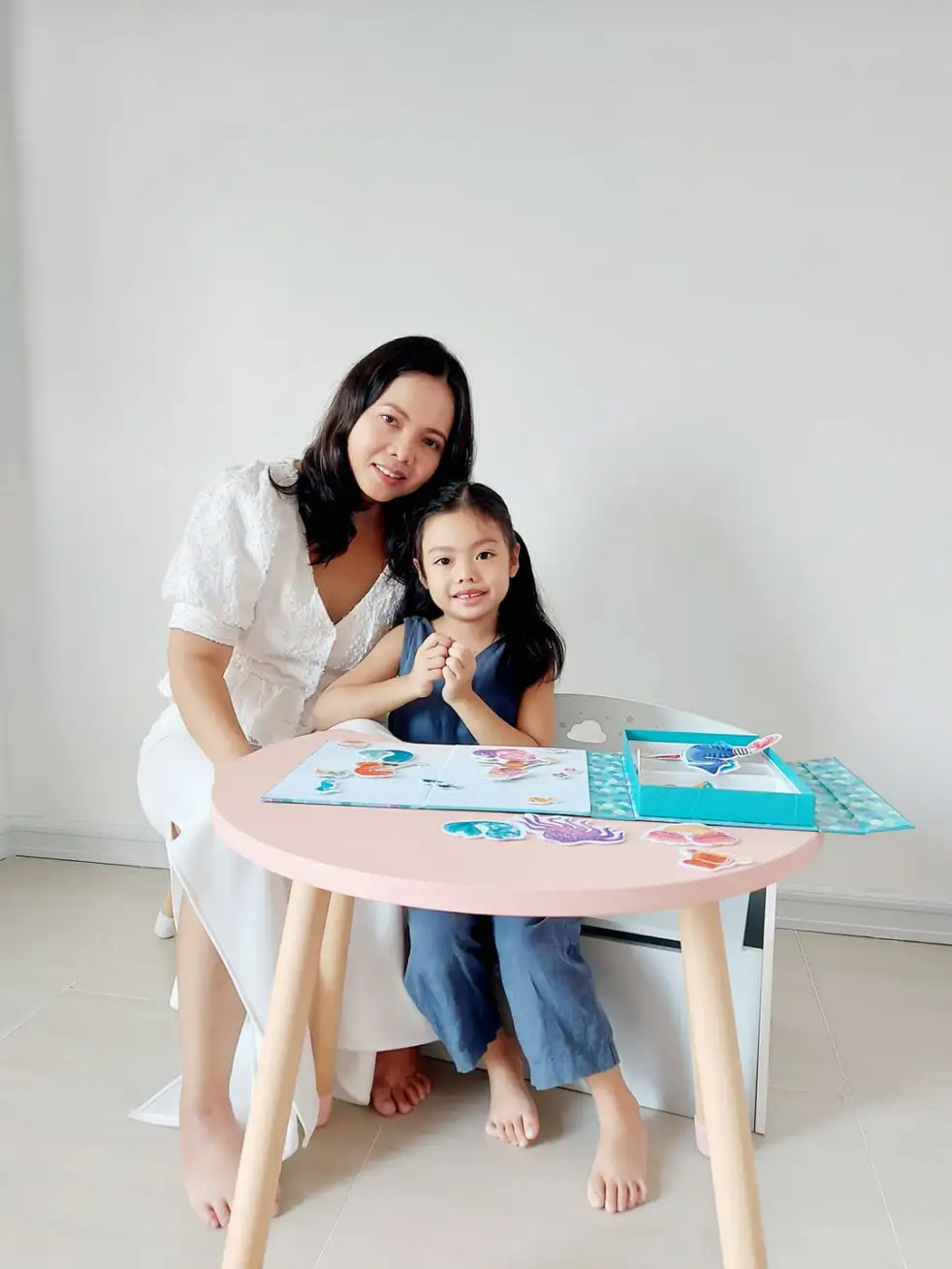
As parents, we want to give our child the best possible start in life and that begins with nurturing their intelligence. Throughout history, the notion of success has been linked to academic intelligence. However, there has been an increased awareness on the importance of emotional intelligence. This question gets at the heart of the never-ending… Continue reading IQ or EQ, which one is a better predictor of your child’s success?
 wondermomma.net