

Last August, IKEA Philippines engaged with Better World Smokey Mountain, a newly opened community center operated by the San Miguel Foundation, which shares a similar goal of improving the lives of many Filipino people. Through this partnership, IKEA Philippines provided and assembled home furnishings for the classrooms and library of Better World Smokey Mountain community… Continue reading Help Create a Better World with IKEA Soft Toys

NutriAsia, the country’s top producer of condiments and sauces, continues its support of Refill Revolution; a project by the Department of Environment and Natural Resources EMB 3 that aims to help reduce Filipinos’ single-use plastics consumption. At Refill Revolution, residents get to recycle their single-use plastic bottles by reusing and filling it with their choice… Continue reading NutriAsia and DENR renews partnership for Refill Revolution

Creating a Weekly Meal Plan That Works for Your Family
A weekly meal plan can make family life feel calmer, especially when school schedules, work responsibilities, errands, and children’s changing appetites all compete for attention. The goal is not to prepare restaurant-style meals every day. It is to create a flexible rhythm that helps you serve nourishing food without making every dinner decision from scratch.
A useful plan gives parents a clear starting point while leaving room for leftovers, unexpected appointments, and meals outside the home. It should suit your family’s budget, kitchen equipment, food preferences, and available time. In the Philippines, this may mean combining familiar rice meals with quick vegetable dishes, seasonal fruit, soups, and simple packed snacks.
Meal planning also teaches children healthy habits in an everyday way. When kids see ingredients being chosen, prepared, and enjoyed, they gradually learn about variety, portions, food safety, and listening to their hunger. With a little preparation, mealtimes can become more predictable without feeling rigid.
Begin With Your Family’s Real Routine
Before choosing recipes, look at the week as it actually happens. Identify busy mornings, late workdays, school activities, grocery days, and evenings when another caregiver may be responsible for dinner. A meal plan that ignores these details will quickly become stressful.
Assign the easiest meals to the busiest days. A rice bowl with eggs and vegetables, chicken tinola prepared in advance, or pasta with a simple sauce may be more realistic than a recipe with several separate components. Save longer cooking projects for a relaxed weekend or a day when you have extra help.
Take inventory of food already in the kitchen. Check the refrigerator, freezer, pantry, and fruit basket before shopping. Using leftover vegetables, canned beans, noodles, or frozen meat can reduce waste and lower the weekly grocery bill. It also prevents buying ingredients for meals your family may not have time to cook.
Use A Simple Meal-Building Formula
A balanced family meal does not need to be complicated. Try combining a carbohydrate, a source of protein, vegetables or fruit, and a small amount of healthy fat. Rice, corn, bread, oats, potatoes, and noodles can provide energy, while fish, chicken, eggs, tofu, beans, and lean meat add protein.
For younger children, texture and serving size matter as much as nutrition. Offer soft, bite-sized foods and adjust preparation to your child’s developmental stage. Avoid turning every meal into a negotiation. You can provide one familiar food alongside something new, allowing children to explore without pressure.
Breakfast and snacks deserve a place in the plan too. Overnight oats, boiled eggs, bananas, pandesal, yogurt, steamed sweet potato, and homemade sandwiches can be prepared quickly. A planned snack is especially useful after school, when children may be tired and hungry before dinner is ready.
| Day | Breakfast | Lunch | Dinner | Preparation Shortcut |
|---|---|---|---|---|
| Monday | Oats with banana | Chicken rice bowl | Vegetable soup with tofu | Cook extra rice |
| Tuesday | Eggs and pandesal | Leftover soup | Grilled fish, rice, and cucumber | Wash vegetables ahead |
| Wednesday | Yogurt and fruit | Tuna sandwich | Chicken stir-fry | Slice chicken in advance |
| Thursday | Peanut butter toast | Leftover stir-fry | Mung bean stew with rice | Soak beans overnight |
| Friday | Boiled egg and fruit | Noodles with vegetables | Homemade pizza or wraps | Use prepared toppings |
| Saturday | Filipino breakfast plate | Fruit and sandwiches | Family meal or takeout | Keep the day flexible |
| Sunday | Pancakes with fruit | Leftovers | Roast chicken and vegetables | Save portions for Monday |
Plan Components Instead Of Seven Perfect Meals
A flexible meal schedule works better when you prepare ingredients that can be used in several ways. Roast or poach a batch of chicken, cook a pot of rice, wash leafy vegetables, and prepare a basic tomato or vegetable sauce. These components can become rice bowls, wraps, soup, pasta, or lunchbox fillings.
Choose two or three main proteins for the week rather than buying a different one for every day. For example, fish may appear in a grilled dinner and later in patties, while shredded chicken can be used in sandwiches, soup, or noodles. This approach saves time and makes leftovers feel less repetitive.
Keep a few emergency meals available. Frozen vegetables, eggs, canned tuna, tofu, bread, and instant oats can help you manage a rushed evening without relying on frequent fast food. An emergency meal is a practical backup, not a sign that the plan has failed.
Make Shopping And Preparation Easier
Organize your grocery list by category: produce, protein, grains, dairy, pantry items, and household needs. This makes shopping faster and helps you notice gaps before leaving home. Buy quantities based on your family’s actual eating habits rather than an ideal schedule.
Seasonal produce can be more affordable and flavorful. Choose vegetables that your children already accept, then add one less familiar option in a small amount. Local staples such as squash, malunggay, pechay, string beans, bananas, papaya, and mango can bring color and variety to everyday meals.
Set aside a short preparation period after shopping. Wash and dry produce, portion meat, boil eggs, cook grains, and place frequently used ingredients where they are easy to reach. Label leftovers with the date and store them safely. Even 30 minutes of preparation can remove several small tasks from busy weekdays.
When someone in the family is unwell, keep gentle, easy-to-digest options available. Warm broth, soft rice, bananas, toast, and mild soups may be comforting, depending on the child’s symptoms and medical advice. For more ideas, these soothing toddler recipes can help you think beyond the usual meal rotation.
Leave Room For Preferences And Change
Children’s appetites can vary from day to day. A child who eats vegetables happily one evening may reject them the next, while another may suddenly prefer plain foods. Keep offering a variety of nutritious choices without using dessert, praise, or punishment as leverage.
You can involve children in age-appropriate decisions. Let them choose between two vegetables, wash fruit, stir batter, arrange sandwich fillings, or select a snack for the next day. Participation can increase curiosity and gives children a sense of ownership without allowing them to plan every meal around sweets.
Use a substitution list when ingredients are unavailable or preferences change. Replace chicken with tofu or eggs, spinach with pechay, rice with potatoes, and fresh fruit with frozen fruit for smoothies or oatmeal. Planning in categories instead of strict recipes makes the week more resilient.
A family meal plan should also include room for celebrations, visitors, school events, and occasional takeout. If one dinner changes, move the ingredients to another day rather than discarding the entire schedule. Flexibility is part of successful planning.
Small Habits That Keep The Plan Practical
The best system is the one your family can repeat. Keep recipes visible, store frequently used ingredients together, and maintain a short list of meals that everyone generally accepts. Review what worked at the end of the week, focusing on practical observations rather than perfection.
- Choose four planned dinners and leave two nights for leftovers or flexible meals.
- Prepare one protein, one grain, and two vegetables in advance.
- Keep three quick pantry meals available for busy evenings.
- Let children help select one meal or snack each week.
- Adjust portions and recipes based on leftovers, appetite, and your schedule.
A short weekly review can reveal useful patterns. You may discover that breakfast needs more grab-and-go options, that your family prefers soup on rainy days, or that buying large amounts of one vegetable leads to waste. These details help the next plan fit your household more closely.
Turn The Plan Into A Calmer Week
Creating a Weekly Meal Plan That Works for Your Family is less about filling every box and more about reducing daily decision-making. Start with meals your family already enjoys, add small amounts of variety, and prepare only what your time and energy allow.
Write down the next seven days, choose a few reliable meals, and make a grocery list from that plan. Invite your children to take part in one simple task, then adjust the system as your family’s needs change. A workable meal plan grows through practice, and each week can make the next one easier.

Mercato Centrale, in collaboration with Indian Women in Enterprise Philippines (I-We), is set to host "The Great Indian Fiesta" to mark 75 years of friendship between India and the Philippines. The dynamic two-day event is scheduled to take place on September 30 to October 1, 2023, at Paseo De Roxas Street, Makati City. Aiming to… Continue reading Mercato Centrale Partners with I-We to Host ‘The Great Indian Fiesta’, Commemorating 75 Years of India-Philippines Friendship

My stomach would usually start growling at 10 am even after taking a big breakfast. This is probably because I am a morning person and I move a lot throughout the day hence snacking is something that I can't avoid. This potatoes and chicken wrap recipe is easy to prepare and would keep me full… Continue reading Potato and Chicken Wrap
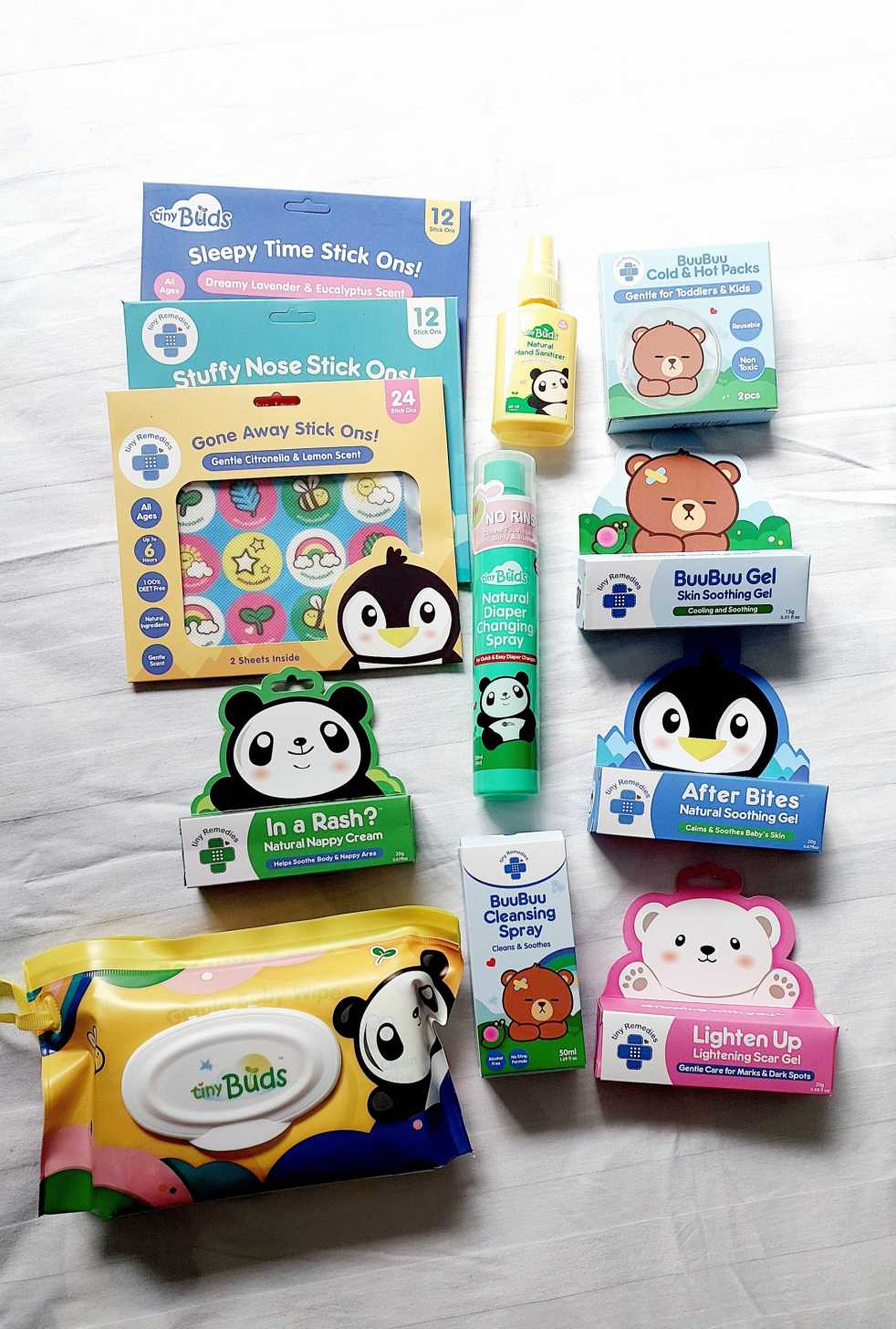
Your baby’s skin is more delicate than most, this is why you have to choose products that are designed for sensitive skin. Tiny Buds is a pioneer in integrating natural ingredients into baby care and today has over 50 innovative natural baby care essentials and is one of the Top Baby Personal Care brands. Here… Continue reading Product Review: Tiny Buds Baby Naturals Baby Essentials
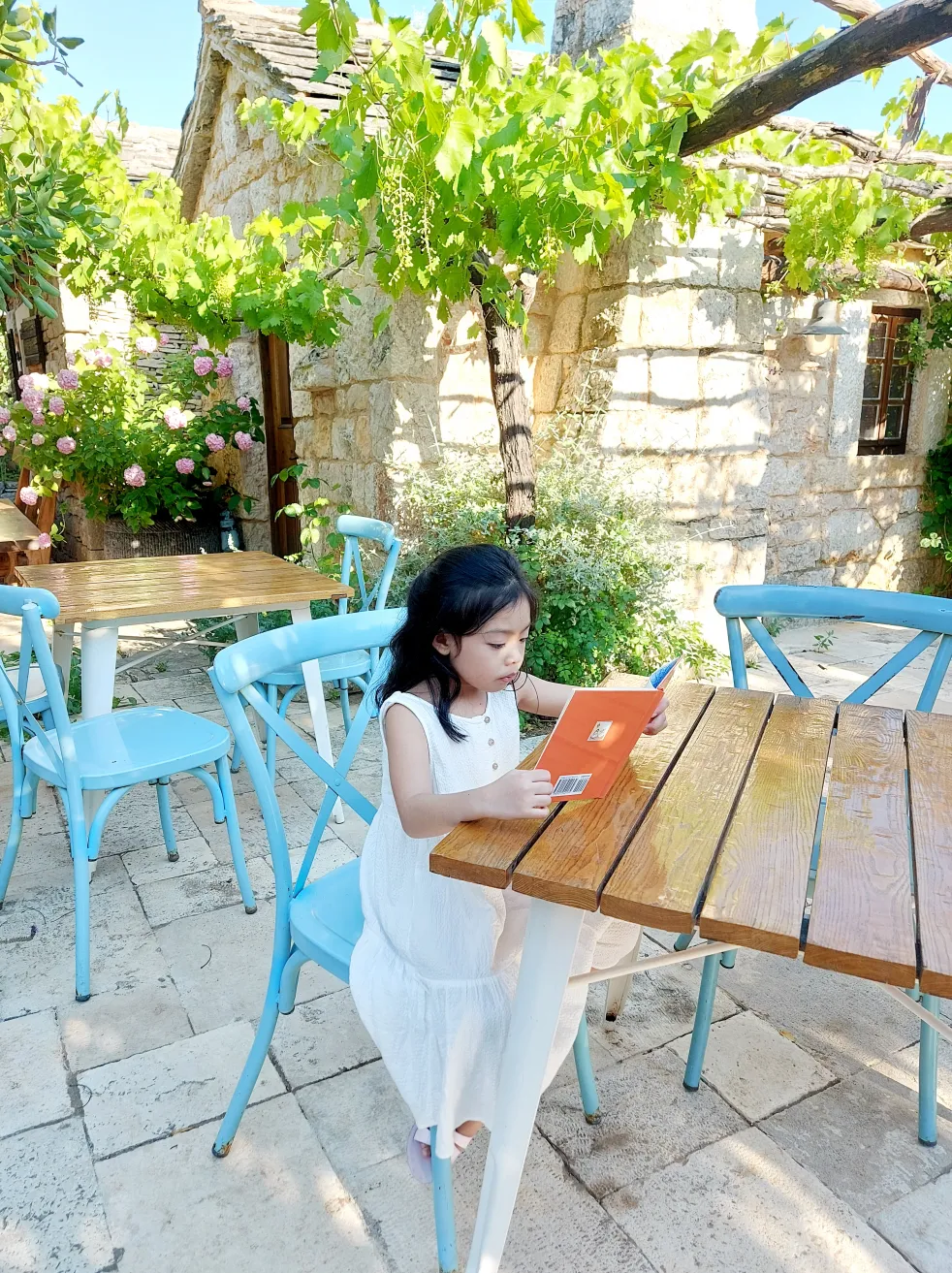
Where your child goes to school is a big decision and shouldn’t be taken lightly. Given how their education can impact their future, you might be tempted to take control and decide for them. However, you might be doing more damage than helping them in the long run. Your job as parents is to support… Continue reading HOW TO CHOOSE THE BEST SCHOOL FOR YOUR CHILD

As poet and philosopher Rumi once eloquently said, “raise your words, not your voice. It is rain that grows flowers, not thunder.” Parenting is a challenging journey, and the truth is that nobody has everything figured out. One parenting style might suit others best, and some might favor other methods. However, children respond better to… Continue reading A SIMPLE GUIDE TO GENTLE PARENTING

Whether you’re a new mom to be, mom of a toddler, mom who have school-aged kids, you’re bound to have so many questions. Let's start with your baby's skin. Infant skin has unique needs; gentle care is essential to prevent damage to the skin barrier, which can lead to irritation. When caring for infant skin,… Continue reading Keeping Baby’s Diapered Skin Healthy
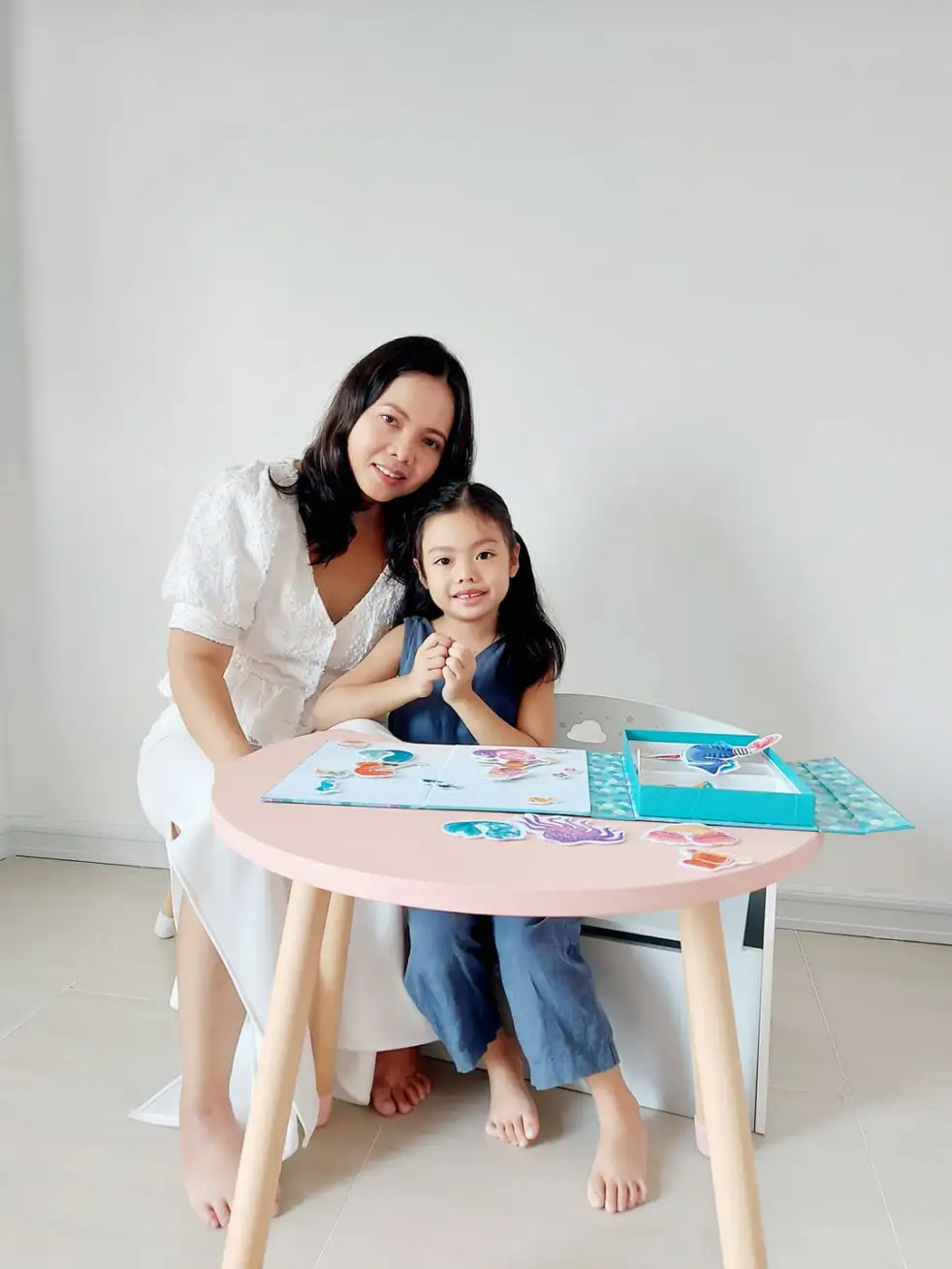
As parents, we want to give our child the best possible start in life and that begins with nurturing their intelligence. Throughout history, the notion of success has been linked to academic intelligence. However, there has been an increased awareness on the importance of emotional intelligence. This question gets at the heart of the never-ending… Continue reading IQ or EQ, which one is a better predictor of your child’s success?
 wondermomma.net