
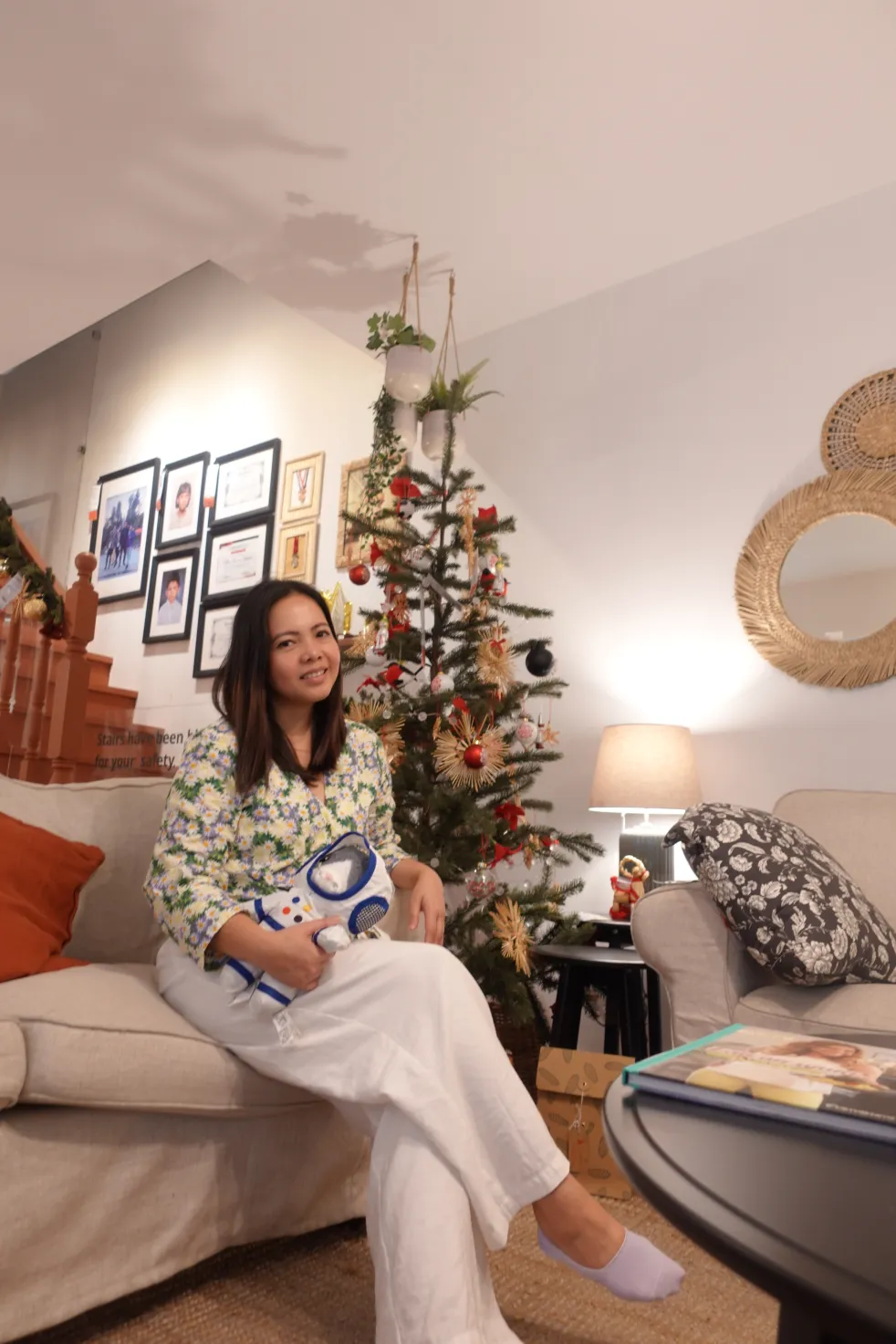
Last August, IKEA Philippines engaged with Better World Smokey Mountain, a newly opened community center operated by the San Miguel Foundation, which shares a similar goal of improving the lives of many Filipino people. Through this partnership, IKEA Philippines provided and assembled home furnishings for the classrooms and library of Better World Smokey Mountain community… Continue reading Help Create a Better World with IKEA Soft Toys
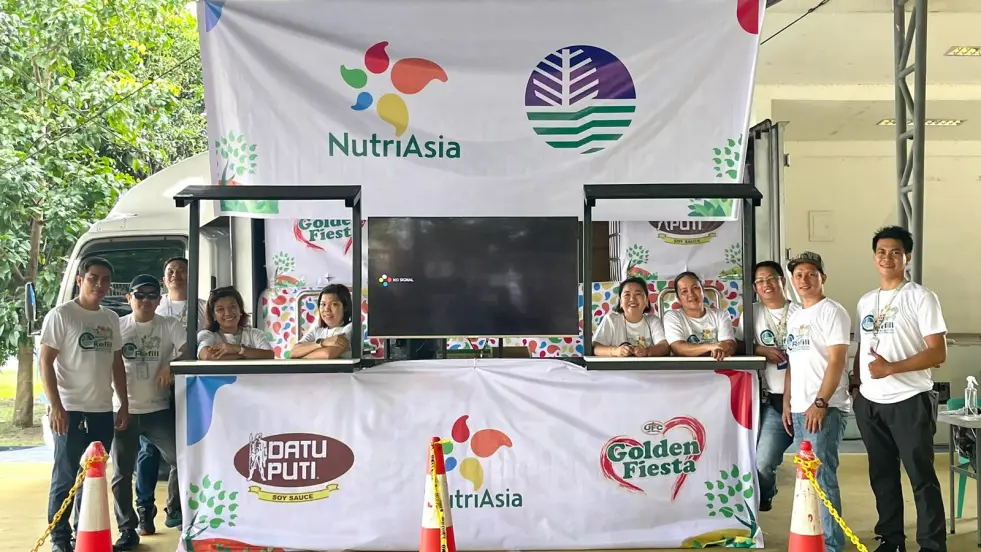
NutriAsia, the country’s top producer of condiments and sauces, continues its support of Refill Revolution; a project by the Department of Environment and Natural Resources EMB 3 that aims to help reduce Filipinos’ single-use plastics consumption. At Refill Revolution, residents get to recycle their single-use plastic bottles by reusing and filling it with their choice… Continue reading NutriAsia and DENR renews partnership for Refill Revolution

Creating a visual schedule to help your toddler understand routines
Toddlers thrive on predictability. When the day arrives in a familiar shape, meltdowns shrink, cooperation grows, and the small battles over brushing teeth or putting on shoes lose some of their sting. A visual schedule is one of the gentlest tools you can build at home to give your child that shape, and it costs very little apart from a bit of craft time and patience.
In Australian homes, where summer evenings stretch past 8 pm in Sydney and Melbourne during daylight saving and where childcare drop-offs can begin as early as 7 am, the rhythms of family life get a little more layered. Visual timetables help bridge the busy working week, the kindergarten pickup, and those precious slow weekend afternoons at the local pool or park.
This guide walks through how to design a visual routine that fits your toddler's stage, your household, and the realities of life down under, from the long hot afternoons of a Brisbane January to the dark winter school runs in Hobart.
| Visual type | Best for | Durability | Cost |
|---|---|---|---|
| Laminated photo cards with velcro backing | Toddlers aged 1–3 who recognise family faces | High, survives drool, water and tantrum yanks | Low to moderate |
| Paper poster with hand-drawn icons | Older toddlers (2.5+) and shared spaces like a playroom | Low, fades fast in sticky hands | Very low |
| Magnetic strip on the fridge | Families wanting a daily reset each morning | High, rigid but fully reusable | Moderate |
| Tablet-based schedule app | Tech-comfortable parents on long commutes | High, needs a charged device and setup | Low after purchase |
| Wooden peg or pocket chart | Montessori-leaning families and shared sibling use | Very high, can be handed down | Moderate to high |
Why a toddler's brain leans on visual cues
Language arrives faster than time awareness. A two-year-old can hear "after lunch we go to kindy" without grasping the link between the meal and the trip. Pictures skip that translation step. The brain processes an image in roughly 13 milliseconds, while the working memory needed to hold a spoken sentence lasts only seconds for a small child.
Routines themselves tap into a gentle release of dopamine in the prefrontal cortex when a familiar sequence unfolds smoothly. The repetition does not feel boring to a toddler; it feels safe. When you pair a routine with symbols your child recognises, you are providing a map for a part of the brain that is still under construction.
In practical terms, that means fewer negotiations about shoes at the front door and a calmer ride in the car to your local early-learning centre, whether that is a council-run long day care in Parramatta or a small family daycare in Bendigo.
Choosing the right symbols for your family
Photographs win in the early years. A picture of your child brushing their teeth, carrying their library bag, or standing in front of your own front door carries more meaning than any generic cartoon. Snap a few quick shots on your phone, print them in a strip at a nearby Officeworks or Big W photo kiosk, and trim them to a uniform size.
As your toddler edges towards three, you can begin introducing simple line icons: a plate for meals, a cup for drink time, a sun for outdoor play, a moon for bedtime. Brisbane City Council libraries and City of Sydney branches host free storytime sessions where many picture books use exactly these symbols, so your child meets them in a familiar setting before they appear at home.
It is worth holding back on sticker-heavy reward charts at this age. They suit chores in the primary years, but a toddler's sense of time is too loose to wait for a chart to fill. The visual schedule itself is the motivation, with the completion of each block feeling satisfying all on its own.
Building the schedule from wake-up to wind-down
Map a single typical day, starting with the first moment your toddler usually wakes. In many Australian households that falls between 5.45 and 7 am, though families in Broome or Cairns often see their child rise with the light as early as 5 am during the dry season. Tick off five to seven main blocks rather than every micro-step, because a chart packed with fifteen images loses its power fast.
A workable shape might read: wake up, breakfast, brush teeth, play or kindy, lunch, quiet time, afternoon activity, dinner, bath, story, bed. Keep between five and seven cards visible at any one time to manage cognitive load, and store extras in a side pocket for rainy days, holidays, or transitions such as the return to daycare after a long weekend.
Place the finished chart at your child's eye level on the fridge, pantry door, or a low hallway wall. Travelling families who holiday in caravans often bring a smaller version with magnetic strips fixed to a baking tray, which packs neatly into the boot alongside the beach toys.
Simple day structure ideas
- Split the day into three chunks: before morning tea, between morning tea and dinner, and the wind-down stretch before bed, so nothing feels crowded.
- Use season-specific icons such as sun and swim for the long November to February run, or gum leaves and a beanie for the cooler months in Canberra and Melbourne.
- Theme weekend blocks with a coloured border so playgroup, the local pool, or a Saturday morning trip to the farmers' market feel distinct from weekdays.
- Reserve one "your choice" card for afternoons, letting your toddler pick between two pre-set photos such as the backyard or the library.
- Add a small pocket at the bottom of the chart for cards that only appear on holidays, sleepovers at grandma's, or long car trips down the Hume Highway.
- Print a spare copy in miniature for the nappy bag, so routines stay familiar during doctor's visits or sudden after-work care swaps.
Materials, tools and affordable Australian options
You do not need a laminator or a Pinterest-perfect setup. A sheet of thick cardboard, a roll of clear contact from Bunnings, and a pack of Blu-Tack cover the basics. Many childcare centres already use a similar approach, so ask your toddler's educator whether they have spare symbol cards you could borrow for inspiration.
For a sturdier build, print photos on regular A4 paper, laminate them at a stationery store, then attach a small strip of velcro to the back. The receiving strip lives on the chart. Each morning your child peels the day's cards from a small envelope, sticks them along the strip in order, and peels them down as the activity finishes.
Parents in regional areas without easy access to specialty stores can use Chux cloths, magnets from Kmart, or a strip of donated fabric with sewn-on pockets. The principles matter far more than the polish.
When the routine breaks and how to repair it
Travel, illness, daylight saving shifts, the arrival of a new baby: life in Australia comes with its own brand of disruption. The great thing about a visual schedule is that it adapts without needing to be rebuilt. Bring the cards on holidays so the unfamiliar hotel room still anchors bedtime around a known icon.
If your toddler resists the chart after a few weeks, it is rarely the visual idea itself. More often the schedule is too crowded, too rigid, or out of step with the seasons. Trim the chart back, swap a struggling block for free play, or simply let the strip sit empty on a slow Saturday so your child can move the cards themselves and feel ownership of the day.
Community resources can help when you feel stuck. Your local Child and Family Health Centre, the free Tresillian parenting line, or a playgroup session through Playgroup Australia can offer tailored ideas, often at no cost, and connect you with other mums refining similar charts in suburbs from Penrith to Glenelg.
Growing the chart alongside your child
Around the third birthday, expect your toddler to start pointing ahead to the second or third card and asking "after that?" That is a beautiful sign that working memory has matured enough to project forward. You can now include choice cards: two breakfast options, two park locations, two bedtime stories, letting your child hold a small slice of agency in the day.
Once your child moves into a formal four-year-old kinder program, the schedule may live more at the centre and less at home. Keep a simpler home version on the fridge, perhaps just morning and evening blocks, and let the preschool team own the daytime routine. Sharing a copy of your home symbols with the educators helps too, since shared language across settings smooths the morning hand-off in the car park.
By the time your child reaches primary school and the rhythm of four terms per year settles in, the visual chart can retire gracefully, replaced by a wall calendar in their own handwriting. Until then, the laminated cards on the kitchen wall remain a quiet, reliable anchor for whatever the day ahead might hold.

Mercato Centrale, in collaboration with Indian Women in Enterprise Philippines (I-We), is set to host "The Great Indian Fiesta" to mark 75 years of friendship between India and the Philippines. The dynamic two-day event is scheduled to take place on September 30 to October 1, 2023, at Paseo De Roxas Street, Makati City. Aiming to… Continue reading Mercato Centrale Partners with I-We to Host ‘The Great Indian Fiesta’, Commemorating 75 Years of India-Philippines Friendship

My stomach would usually start growling at 10 am even after taking a big breakfast. This is probably because I am a morning person and I move a lot throughout the day hence snacking is something that I can't avoid. This potatoes and chicken wrap recipe is easy to prepare and would keep me full… Continue reading Potato and Chicken Wrap
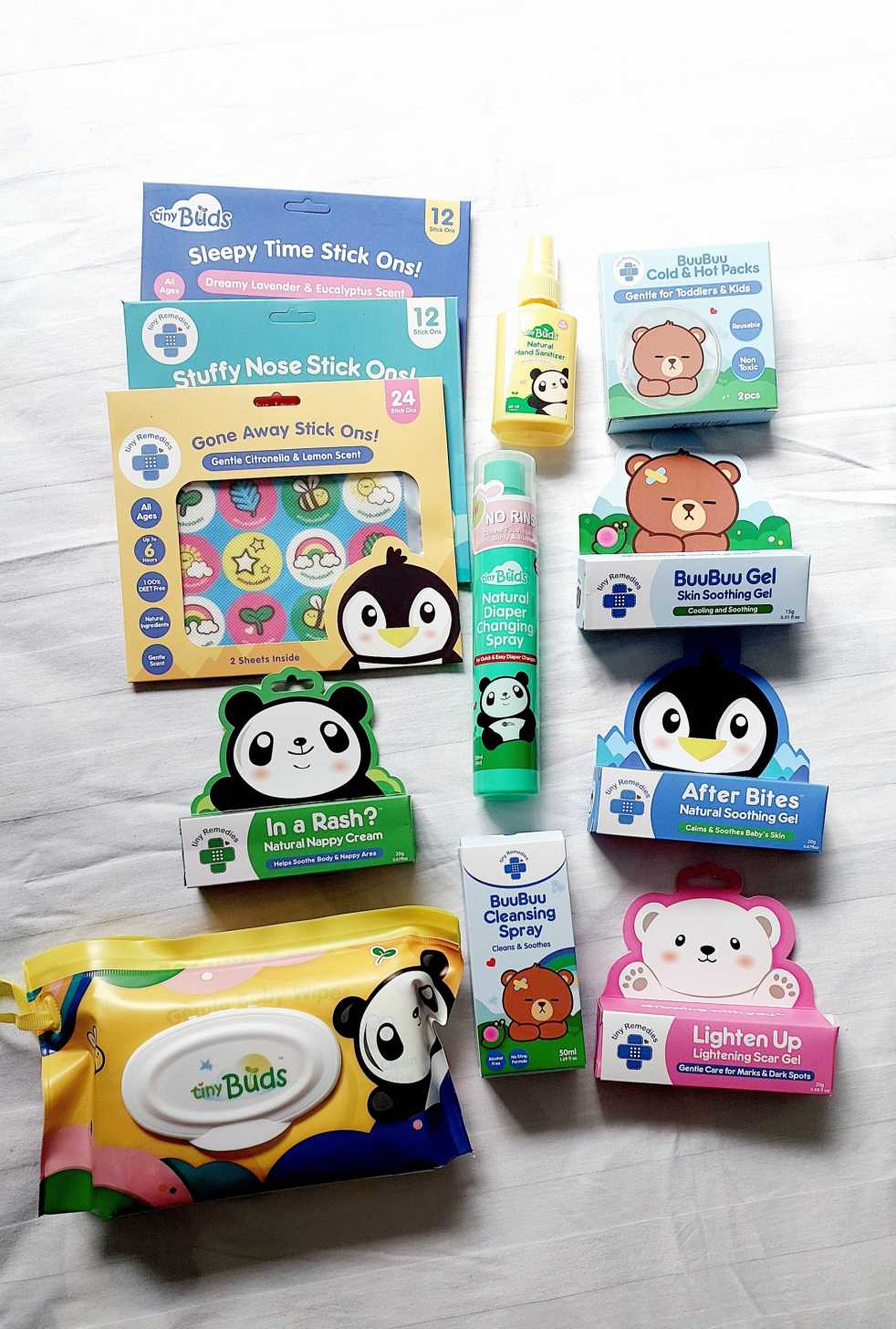
Your baby’s skin is more delicate than most, this is why you have to choose products that are designed for sensitive skin. Tiny Buds is a pioneer in integrating natural ingredients into baby care and today has over 50 innovative natural baby care essentials and is one of the Top Baby Personal Care brands. Here… Continue reading Product Review: Tiny Buds Baby Naturals Baby Essentials
Where your child goes to school is a big decision and shouldn’t be taken lightly. Given how their education can impact their future, you might be tempted to take control and decide for them. However, you might be doing more damage than helping them in the long run. Your job as parents is to support… Continue reading HOW TO CHOOSE THE BEST SCHOOL FOR YOUR CHILD
As poet and philosopher Rumi once eloquently said, “raise your words, not your voice. It is rain that grows flowers, not thunder.” Parenting is a challenging journey, and the truth is that nobody has everything figured out. One parenting style might suit others best, and some might favor other methods. However, children respond better to… Continue reading A SIMPLE GUIDE TO GENTLE PARENTING

Whether you’re a new mom to be, mom of a toddler, mom who have school-aged kids, you’re bound to have so many questions. Let's start with your baby's skin. Infant skin has unique needs; gentle care is essential to prevent damage to the skin barrier, which can lead to irritation. When caring for infant skin,… Continue reading Keeping Baby’s Diapered Skin Healthy
As parents, we want to give our child the best possible start in life and that begins with nurturing their intelligence. Throughout history, the notion of success has been linked to academic intelligence. However, there has been an increased awareness on the importance of emotional intelligence. This question gets at the heart of the never-ending… Continue reading IQ or EQ, which one is a better predictor of your child’s success?
 wondermomma.net