

Last August, IKEA Philippines engaged with Better World Smokey Mountain, a newly opened community center operated by the San Miguel Foundation, which shares a similar goal of improving the lives of many Filipino people. Through this partnership, IKEA Philippines provided and assembled home furnishings for the classrooms and library of Better World Smokey Mountain community… Continue reading Help Create a Better World with IKEA Soft Toys
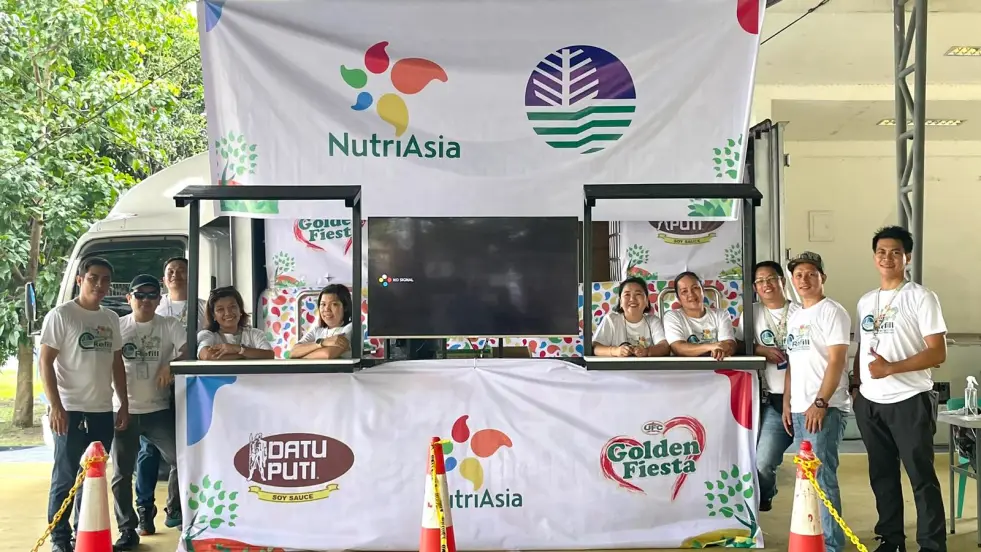
NutriAsia, the country’s top producer of condiments and sauces, continues its support of Refill Revolution; a project by the Department of Environment and Natural Resources EMB 3 that aims to help reduce Filipinos’ single-use plastics consumption. At Refill Revolution, residents get to recycle their single-use plastic bottles by reusing and filling it with their choice… Continue reading NutriAsia and DENR renews partnership for Refill Revolution

Build a Family Medical Kit for Everyday Australian Adventures
Children rarely hurt themselves in predictable ways. A scraped knee appears while racing to the school bus, a hot drink lands on a small wrist, or a curious hand reaches for a garden plant. A well-organised medical kit turns those moments into manageable ones: you can clean a wound, recognise when a child needs urgent help, and act without searching through kitchen drawers at midnight.
Creating a first aid kit for families with kids should reflect both the injuries you are likely to face and the people who will use the supplies. The best setup is not the largest one. It combines a stocked home kit, a grab-and-go day pouch, and carefully chosen extras for travel or the car, with clear labels and an emergency contact card.
Choose the kit for where your family spends time
Start with two containers: a larger lidded box for the home and a smaller waterproof pouch that can move between a backpack, pram, or day bag. Separate items by function so a panicked adult can find them quickly. Zip bags can hold dressings, while transparent lidded boxes keep larger equipment visible.
| Kit option | Best for | Useful additions | Main limitation |
|---|---|---|---|
| Home medical box | Cuts, scalds, fever and minor accidents | Dressings, saline, thermometer, gloves and medicines your family already uses | It will not be with you when you leave home |
| Grab-and-go pouch | School, playground, sport and outings | Small plasters, wipes, saline sachets, a mini dressing and bandage | Holds only compact essentials |
| Vehicle kit | Long drives and regional travel | Larger dressings, tape, gloves, water, torch and emergency blanket | Heat and moisture can damage stock; inspect it often |
| Travel add-on | Flights, camps and beach holidays | Repairs, personal medicines, sunscreen and oral rehydration salts | Airline limits and destination rules may apply |
Australian weather shapes the extras. Keep water, an oral rehydration salt sachet, broad-spectrum water-resistant sunscreen, and a brimmed hat with the vehicle supplies. During hot spells, shade and air-conditioning are more important than carrying endless items. For country roads and camping trips, add a torch, power bank, extra water, and a paper map because mobile reception can disappear.
The home box should stay somewhere adults can reach but children cannot, ideally near the exit rather than buried in a high cupboard. Colour-coded lids or picture labels work better than tiny print. Keep the day pouch in the pram or bag actually used each day, not one that occasionally joins you on a walk. This prevents a neatly packed kit from gathering dust while a useful pouch stays empty.
Stock the supplies for cuts, burns and common illnesses
A practical wound-care core includes assorted adhesive bandages, sterile gauze pads, a non-stick dressing, medical tape, scissors, blunt tweezers, disposable gloves, and sterile saline or clean water in a sealed bottle. Wash minor grazes with running water and pat them dry; antiseptic is not needed inside most wounds. The surrounding parenting safety advice offers a useful starting point for building safer household routines around children’s exploration.
For burns and scalds, the priority is quick cooling. Remove the source of heat and any nearby jewellery without pulling at stuck skin, then hold the affected area under cool running water for 20 minutes. Do not use ice, butter, toothpaste, or a home remedy. Once cooled, cover a minor burn with a non-stick sterile dressing and seek medical advice if it is large, deep, blistering, or located on the face, hands, feet, or a major joint.
Include a digital thermometer and any medicines your child already uses, such as an age-appropriate fever medicine or prescribed allergy treatment. Use the dosing device supplied with the medicine and follow the label or a health professional’s directions. Saline sprays, sticky dressing pads, and spare plasters are especially handy for grazes that cannot be kept clean because of dirt, sports, or a leaking swimming pool. Keep everything in its original packaging so the dose, active ingredient, and expiry date remain clear.
Prepare for Australia’s outdoor risks
Insects, heat, beach hazards, and bushfire smoke are ordinary parts of family life in many Australian communities. Pack insect repellent, sunscreen, water, and a small dressing. Check the daily UV index and smoke warnings; for poor air quality, reduce outdoor activity and use indoor filters where available. A well-fitting mask can reduce particle exposure, although it cannot protect against toxic gases, and children with breathing problems should receive specific medical advice.
Beach days need a different kind of readiness. At busy beaches such as Bondi, Manly, or Noosa, swim between the flags at a patrolled area, ask a lifeguard about local conditions, and teach children that a rip current pulls people away from shore rather than into deeper water. Rips, stingers, and unfamiliar currents vary by coastline, so follow signs and local guidance rather than relying on advice meant for another region. A waterproof pouch keeps dressings dry while the family changes and re-applies sunscreen.
Snake and spider bites deserve a calm plan, especially for farms, bushwalks, and trips through rural New South Wales or northern Queensland. Stay still, keep the child calm, call 000, and follow the instructions of an emergency dispatcher; do not cut, suck, or apply a tourniquet to a suspected snakebite. If a dispatcher directs you, apply a pressure immobilisation bandage. A nearby chemist can help with ordinary bite-prevention products, but it should not delay urgent care after a significant bite. Carry the emergency number offline because remote signal may be weak.
Practise a simple emergency response routine
Post the numbers 000 and, where relevant, Healthdirect on the fridge and inside the medical box. In Australia, 000 reaches emergency services; 112 also redirects to them from a mobile phone. Families often call an ambulance an “Ambo,” but the important habit is calling 000 without delay for unconsciousness, breathing difficulty, severe bleeding, a serious burn, or suspected poisoning. For poisoning, contact the Poison Information Centre on 13 26 45; call 000 if the child is collapsed, seizing, or struggling to breathe.
Learn the first steps for choking, CPR, and anaphylaxis rather than relying on hazy memories. If a child can cough forcefully, encourage them to keep coughing. If they cannot speak, breathe, or cough, call 000 and begin age-appropriate choking first aid. For anaphylaxis, use the child’s prescribed adrenaline autoinjector as instructed and call 000; never delay emergency help to see whether symptoms settle. Keep the child lying down unless breathing makes that impossible.
Practise the routine with the kit open, but keep training realistic. Adults should know where the resuscitation face shield, gloves, and any personal medicine are stored, and how to find the child’s medical notes. The family doctor, nurse, first aid instructor, or an Australian Red Cross session can teach CPR and the latest choking guidance. If an unresponsive child is not breathing normally, call 000, start CPR if trained, and use an AED when available; follow the dispatcher’s instructions.
Keep the kit safe, current and ready to use
Set a monthly reminder to check expiry dates, replace used dressings, test the torch, and confirm that medicines match the child’s current weight and medical plan. After an injury, restock the pouch immediately rather than assuming the next outing is weeks away. Store the home kit in a cool, dry place away from direct sun, and never leave a vehicle kit in a hot car. A damp-proof lining and separate zip bags help protect paper instructions and dressings from humidity.
Children should not manage the kit alone. Use a child-resistant latch, and keep scissors, sharp tools, and medicines locked away rather than relying on a warning label. Return unused or expired medicine to a participating pharmacy for safe disposal; a pharmacist can also advise on the right storage box and whether a particular medicine needs refrigeration. Mark adult-only compartments clearly and keep an emergency card with allergies, current medicines, doctor details, and the contacts of both parents or guardians.
Travel needs one final check. Airport security rules can restrict scissors, liquids, and needles, while some destinations have different medicine rules. Build travel medical supplies from the home kit, then adjust for the climate, flight length, and activities. Wider planning support, such as family travel preparation ideas, can help with packing and routines without replacing a proper medical check. Before leaving Australia, learn the local emergency number, locate the nearest pharmacy or clinic, and carry only enough prescription medicine for the trip plus a sensible margin.

Mercato Centrale, in collaboration with Indian Women in Enterprise Philippines (I-We), is set to host "The Great Indian Fiesta" to mark 75 years of friendship between India and the Philippines. The dynamic two-day event is scheduled to take place on September 30 to October 1, 2023, at Paseo De Roxas Street, Makati City. Aiming to… Continue reading Mercato Centrale Partners with I-We to Host ‘The Great Indian Fiesta’, Commemorating 75 Years of India-Philippines Friendship

My stomach would usually start growling at 10 am even after taking a big breakfast. This is probably because I am a morning person and I move a lot throughout the day hence snacking is something that I can't avoid. This potatoes and chicken wrap recipe is easy to prepare and would keep me full… Continue reading Potato and Chicken Wrap
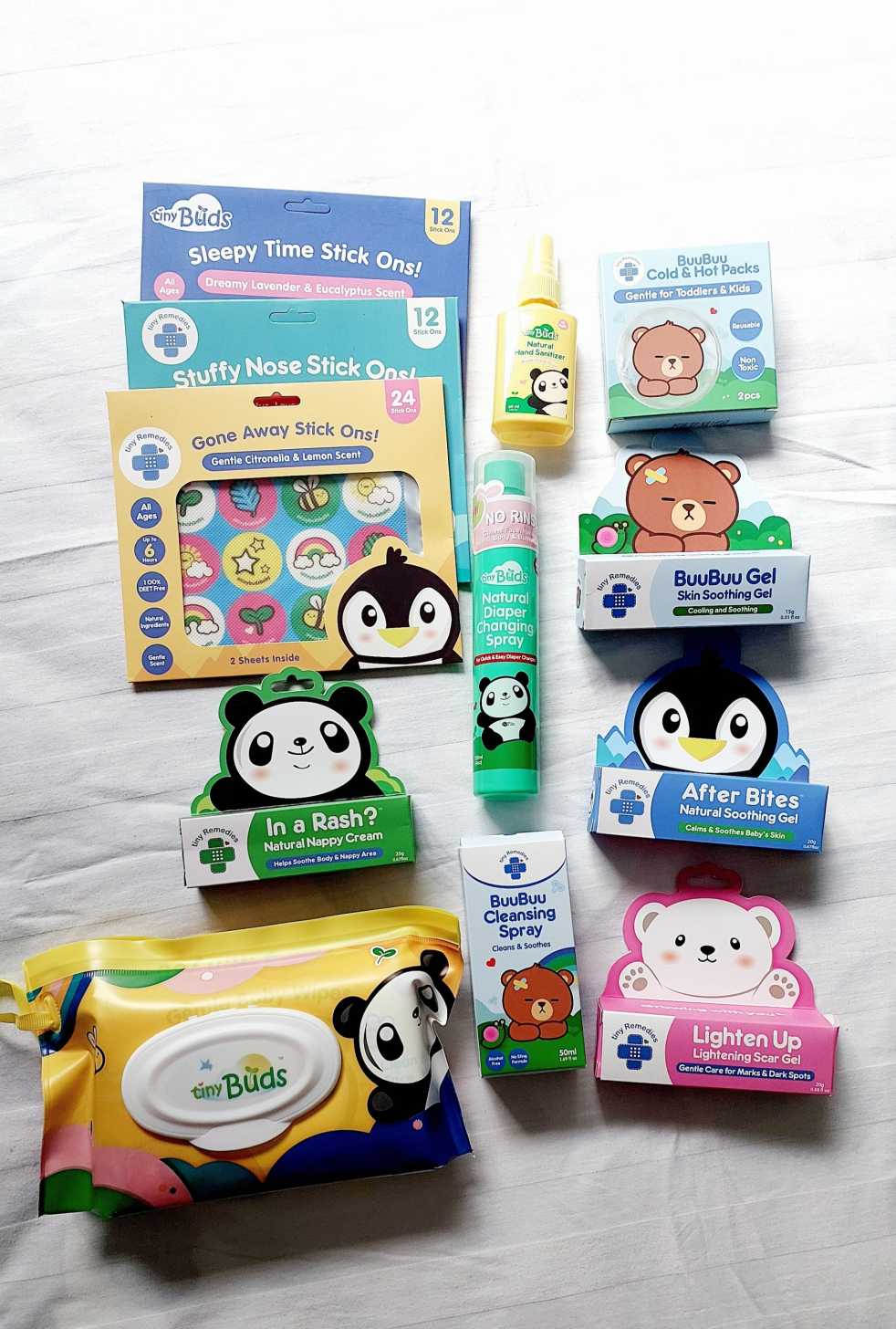
Your baby’s skin is more delicate than most, this is why you have to choose products that are designed for sensitive skin. Tiny Buds is a pioneer in integrating natural ingredients into baby care and today has over 50 innovative natural baby care essentials and is one of the Top Baby Personal Care brands. Here… Continue reading Product Review: Tiny Buds Baby Naturals Baby Essentials
Where your child goes to school is a big decision and shouldn’t be taken lightly. Given how their education can impact their future, you might be tempted to take control and decide for them. However, you might be doing more damage than helping them in the long run. Your job as parents is to support… Continue reading HOW TO CHOOSE THE BEST SCHOOL FOR YOUR CHILD
As poet and philosopher Rumi once eloquently said, “raise your words, not your voice. It is rain that grows flowers, not thunder.” Parenting is a challenging journey, and the truth is that nobody has everything figured out. One parenting style might suit others best, and some might favor other methods. However, children respond better to… Continue reading A SIMPLE GUIDE TO GENTLE PARENTING

Whether you’re a new mom to be, mom of a toddler, mom who have school-aged kids, you’re bound to have so many questions. Let's start with your baby's skin. Infant skin has unique needs; gentle care is essential to prevent damage to the skin barrier, which can lead to irritation. When caring for infant skin,… Continue reading Keeping Baby’s Diapered Skin Healthy
As parents, we want to give our child the best possible start in life and that begins with nurturing their intelligence. Throughout history, the notion of success has been linked to academic intelligence. However, there has been an increased awareness on the importance of emotional intelligence. This question gets at the heart of the never-ending… Continue reading IQ or EQ, which one is a better predictor of your child’s success?
 wondermomma.net