

Last August, IKEA Philippines engaged with Better World Smokey Mountain, a newly opened community center operated by the San Miguel Foundation, which shares a similar goal of improving the lives of many Filipino people. Through this partnership, IKEA Philippines provided and assembled home furnishings for the classrooms and library of Better World Smokey Mountain community… Continue reading Help Create a Better World with IKEA Soft Toys
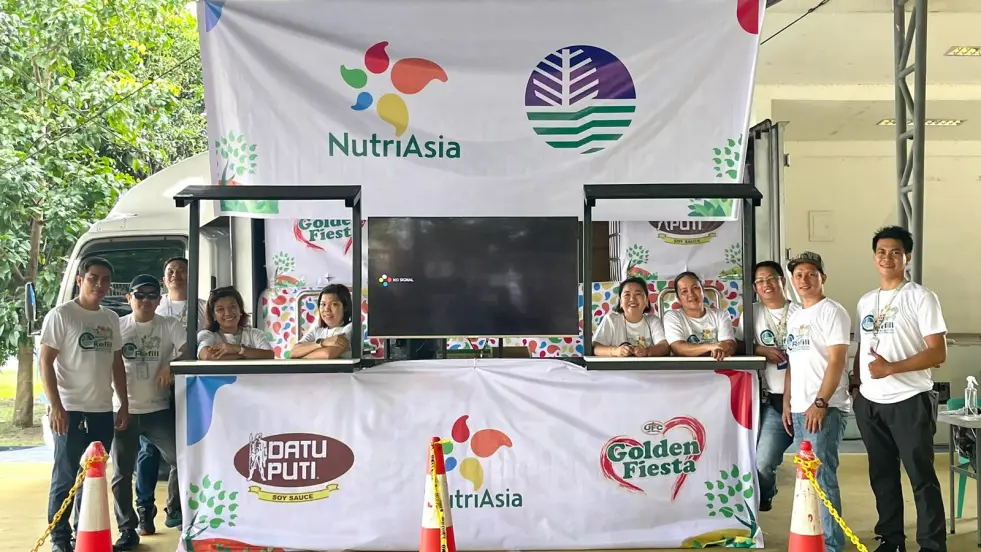
NutriAsia, the country’s top producer of condiments and sauces, continues its support of Refill Revolution; a project by the Department of Environment and Natural Resources EMB 3 that aims to help reduce Filipinos’ single-use plastics consumption. At Refill Revolution, residents get to recycle their single-use plastic bottles by reusing and filling it with their choice… Continue reading NutriAsia and DENR renews partnership for Refill Revolution

Building a Family First-Aid Kit for Common Childhood Injuries
Every parent knows the soundtrack of childhood: a sudden cry from the backyard, a scraped knee on the driveway, or a wasp sting during a weekend barbecue. Children move fast, their curiosity gets the better of them, and minor mishaps are part of growing up. Having a well-organised family first-aid kit ready to grab means the difference between a calm response and a frazzled dash to the kitchen drawer.
Preparation is not about expecting the worst. It is about giving yourself a few quiet seconds to react properly when your child has fallen off the play equipment or touched a hot pan. A stocked kit removes the scramble for things in the middle of a tearful moment, and it also helps you handle situations that don't quite warrant a trip to the emergency department.
In Australia, where outdoor play happens year-round, summers get scorchingly hot, and mozzies are part of summer arvos at the local park, a thoughtfully built kit deserves its own spot in the home. From sunburn on Bondi Beach to ant bites in the Brisbane bush, the conditions here shape what your family really needs.
Picking the Right Container and Where to Keep It
A practical kit starts with a sturdy, waterproof box that opens easily when your hands are shaking. Soft-sided pouches with clear pockets work well for smaller homes, while a hard plastic container with a latch is ideal for families who want something that can survive the boot of the car on a long drive. Label it clearly so any caregiver, including grandparents or babysitters, can find supplies without rummaging.
Placement matters as much as the contents. Keep one kit in the kitchen, away from the stove but within reach, and a smaller version in the family car. Many Australian households have an indoor-outdoor flow, so a third lightweight pouch stored near the back door is handy for backyard play, gardening, and weekend cricket.
Avoid storing the kit in a steamy bathroom, where moisture can compromise bandages and adhesive products. A linen cupboard, hallway drawer, or pantry shelf at adult eye-level is safer, especially with toddlers exploring the house.
Wound Care Basics for Cuts, Grazes and Splinters
Cuts and grazes are the bread and butter of childhood injuries, especially once kids start climbing, riding scooters, or playing on the timber forts at the local playground. Stock your kit with sterile saline pods, individually wrapped gauze squares, fabric plasters in assorted sizes, and a roll of paper tape for more stubborn dressings.
For deeper grazes, an antiseptic such as povidone-iodine or chlorhexidine is worth keeping on hand, though many Australian parents prefer saline-only cleaning for fresh wounds. A pair of fine-point tweezers is essential for splinters, which seem to find their way into little fingers constantly during school holidays.
Include a few pairs of disposable gloves so you can clean a wound without worrying about hygiene. A small packet of wound closure strips is useful for longer cuts, and a digital thermometer tucked in the kit doubles as a quick check if your child feels warm after a tumble.
Treating Burns, Bumps and Bruises at Home
Burns from hot stovetops, steaming cups of tea, or sunny afternoons at the beach all deserve quick treatment. The first step is always cool running water for around twenty minutes, and your kit should support that response. Pack a clean face washer or two, individually wrapped burn gel sachets, and non-adherent dressings that won't stick to damaged skin.
Bruises are part of childhood, especially in active kids who spend their weekends at soccer practice or scooting around the cul-de-sac. A reusable cold pack wrapped in a tea towel can help, and some parents keep arnica cream or a similar topical remedy in the kit for older children. Just remember that arnica is not suitable for broken skin.
Australian summers bring their own burn risk: sunburn. While prevention with broad-brimmed hats and SPF 50 is the real answer, a cool-pack wrapped in cloth can soothe a hot cheek on the way home from a long day outdoors. If a burn blisters or covers a large area, seek medical advice straight away rather than treating at home.
Bites, Stings and Mild Allergic Reactions
Australian summers are beautiful, but they come with biting insects that other countries don't always deal with. Mosquitoes, midges, sandflies, and the occasional march fly can turn an outdoor play session miserable. Keep an effective bite cream, antihistamine syrup suitable for children, and a cold pack in the kit to manage swelling and itching.
Bee and wasp stings are common during picnics, and a credit card or similar flat edge can be used to gently scrape out a bee sting without squeezing the venom sac. If your child has a known allergy, carry the prescribed EpiPen or Anapen in the kit, and make sure both parents know how to use it.
For snake and spider bites, the rule in Australia is pressure immobilisation and rapid medical help, not home treatment. Your kit should include a triangular bandage that can double as a sling or wrap, but the priority with any concerning bite is calling 000 or heading to the nearest hospital. Familiarise yourself with your local wildlife, particularly if you live in regional areas where snakes are more common.
Medications, Tools and Emergency Essentials
A few core medications belong in every family kit, all clearly labelled and stored out of reach of younger children. Children's paracetamol and ibuprofen in age-appropriate formulations, an oral rehydration solution for hot days, and saline nasal drops are all worthwhile additions. Always check expiry dates regularly and replace anything used.
Useful tools include a digital thermometer, sharp scissors for cutting tape and dressings, a small torch for checking throats or ears, and a notepad and pen for recording symptoms or times. A laminated card with emergency numbers, your GP's after-hours line, and the address of the nearest hospital will save precious seconds during a real emergency.
Consider downloading the St John Ambulance Australia first-aid app, which provides step-by-step guidance for common situations and works offline. Some families keep a printed first-aid booklet in the kit as a backup, especially for grandparents who may not be as comfortable with smartphones.
Tailoring Your Kit for Australian Family Life
A family first-aid kit is not something you set up once and forget. Every few months, walk through the kit with your partner or older children, replace expired items, and restock anything that has run low. Schools in Australia often recommend including a small asthma spacer or allergy action plan if relevant, particularly for kids starting kindergarten or primary school.
Think about where your family spends time. A family that hikes in the Blue Mountains regularly will need different extras to one that spends weekends at the local pool. Travelling overseas or even interstate calls for a slightly expanded kit, including motion sickness tablets and water purification tablets if heading remote.
Involving older kids in checking the kit teaches them where things live and what to do if a parent is hurt. It also removes the mystery around first-aid, helping children feel confident rather than fearful. For more everyday parenting inspiration, gentle routines, and family-friendly recipes, you can explore WonderMomma and build your own collection of practical tools beyond the medicine cabinet.
| Item | Purpose | Australian Tip |
|---|---|---|
| Saline pods | Cleaning cuts and grazes | Available in bulk at any chemist or Chemist Warehouse |
| Children's antihistamine | Itching and mild allergic reactions | Check the dose chart for your child's weight |
| Fabric plasters | Covering small cuts | Buy a mixed pack to suit playground grazes |
| Triangular bandage | Slings, wraps, pressure bandages | Handy for bushwalking and snake bite response |
| Digital thermometer | Checking temperature | Replace batteries yearly, especially before winter |
| Burn gel sachets | Soothing minor burns | Keep separate from general supplies for quick access |
| Oral rehydration sachets | Hot days and stomach upsets | Essential during long summer road trips |

Mercato Centrale, in collaboration with Indian Women in Enterprise Philippines (I-We), is set to host "The Great Indian Fiesta" to mark 75 years of friendship between India and the Philippines. The dynamic two-day event is scheduled to take place on September 30 to October 1, 2023, at Paseo De Roxas Street, Makati City. Aiming to… Continue reading Mercato Centrale Partners with I-We to Host ‘The Great Indian Fiesta’, Commemorating 75 Years of India-Philippines Friendship

My stomach would usually start growling at 10 am even after taking a big breakfast. This is probably because I am a morning person and I move a lot throughout the day hence snacking is something that I can't avoid. This potatoes and chicken wrap recipe is easy to prepare and would keep me full… Continue reading Potato and Chicken Wrap
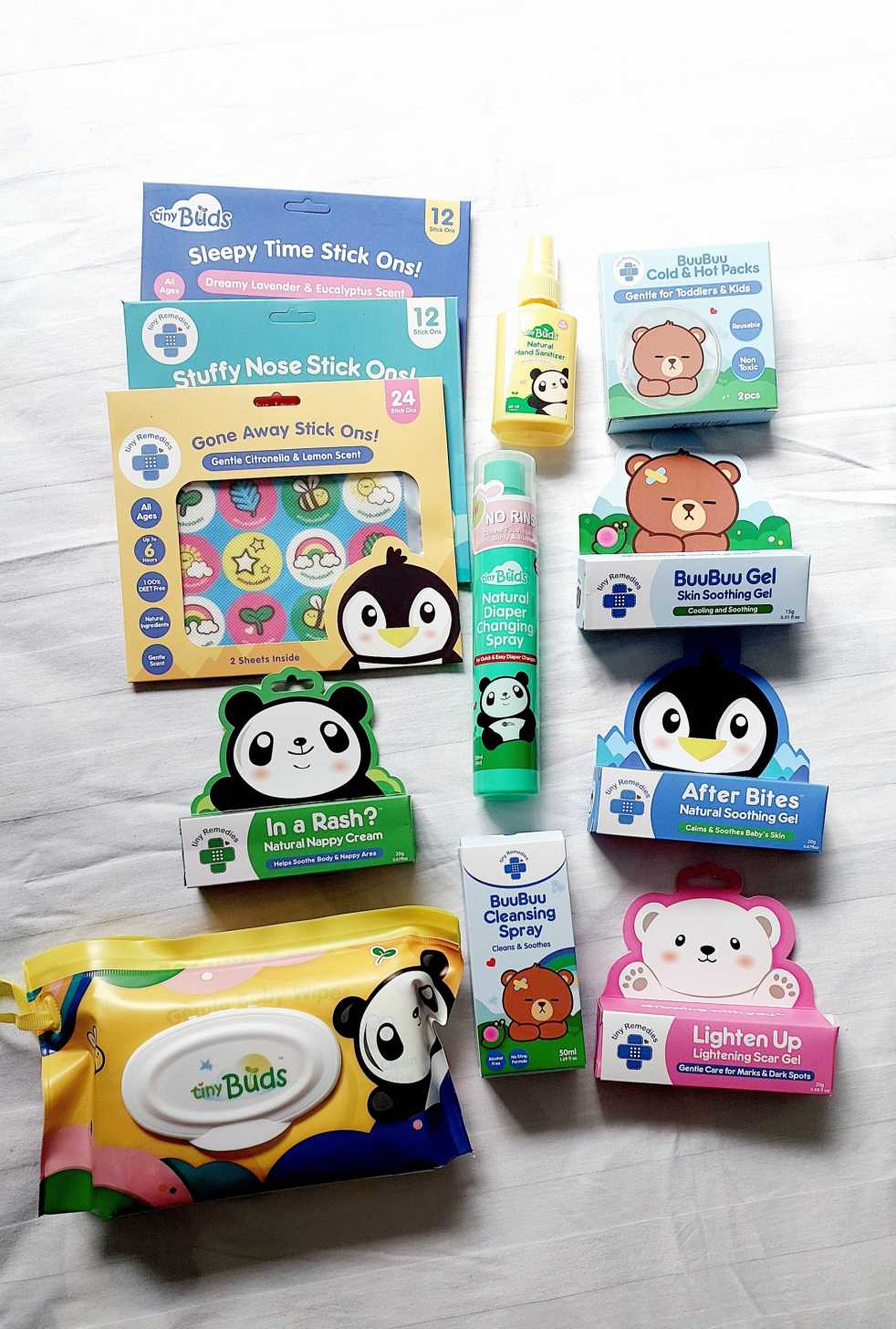
Your baby’s skin is more delicate than most, this is why you have to choose products that are designed for sensitive skin. Tiny Buds is a pioneer in integrating natural ingredients into baby care and today has over 50 innovative natural baby care essentials and is one of the Top Baby Personal Care brands. Here… Continue reading Product Review: Tiny Buds Baby Naturals Baby Essentials
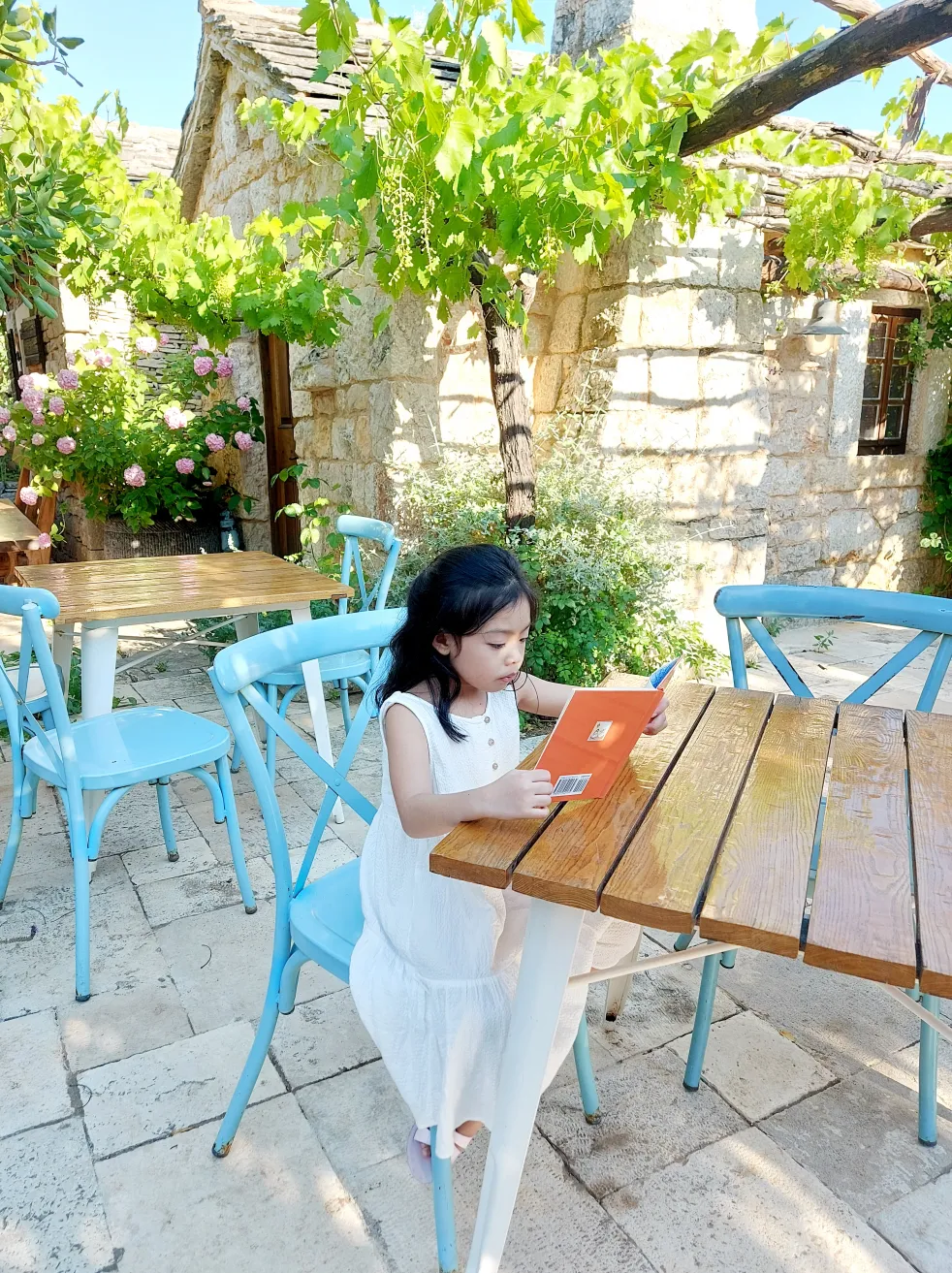
Where your child goes to school is a big decision and shouldn’t be taken lightly. Given how their education can impact their future, you might be tempted to take control and decide for them. However, you might be doing more damage than helping them in the long run. Your job as parents is to support… Continue reading HOW TO CHOOSE THE BEST SCHOOL FOR YOUR CHILD
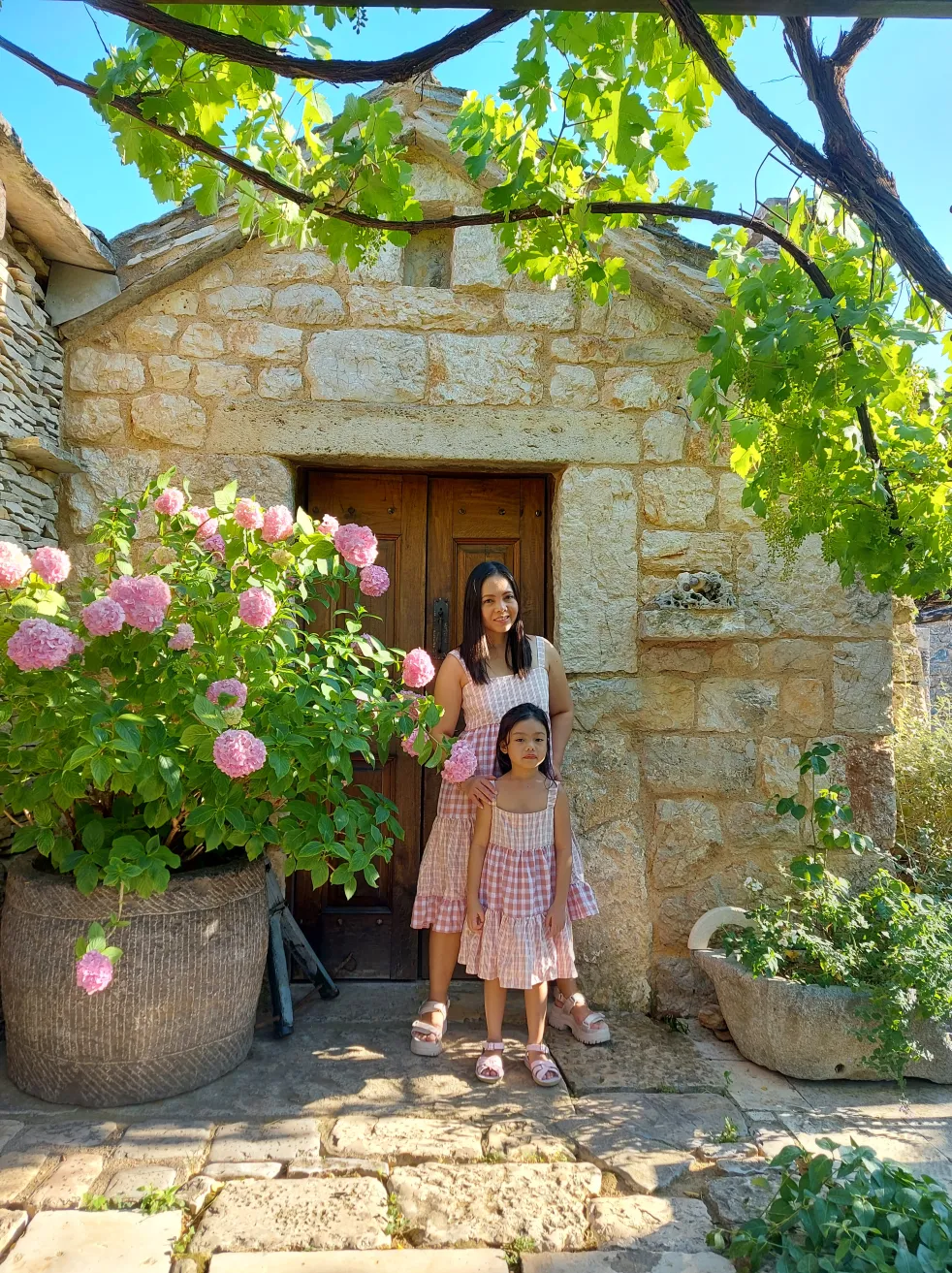
As poet and philosopher Rumi once eloquently said, “raise your words, not your voice. It is rain that grows flowers, not thunder.” Parenting is a challenging journey, and the truth is that nobody has everything figured out. One parenting style might suit others best, and some might favor other methods. However, children respond better to… Continue reading A SIMPLE GUIDE TO GENTLE PARENTING
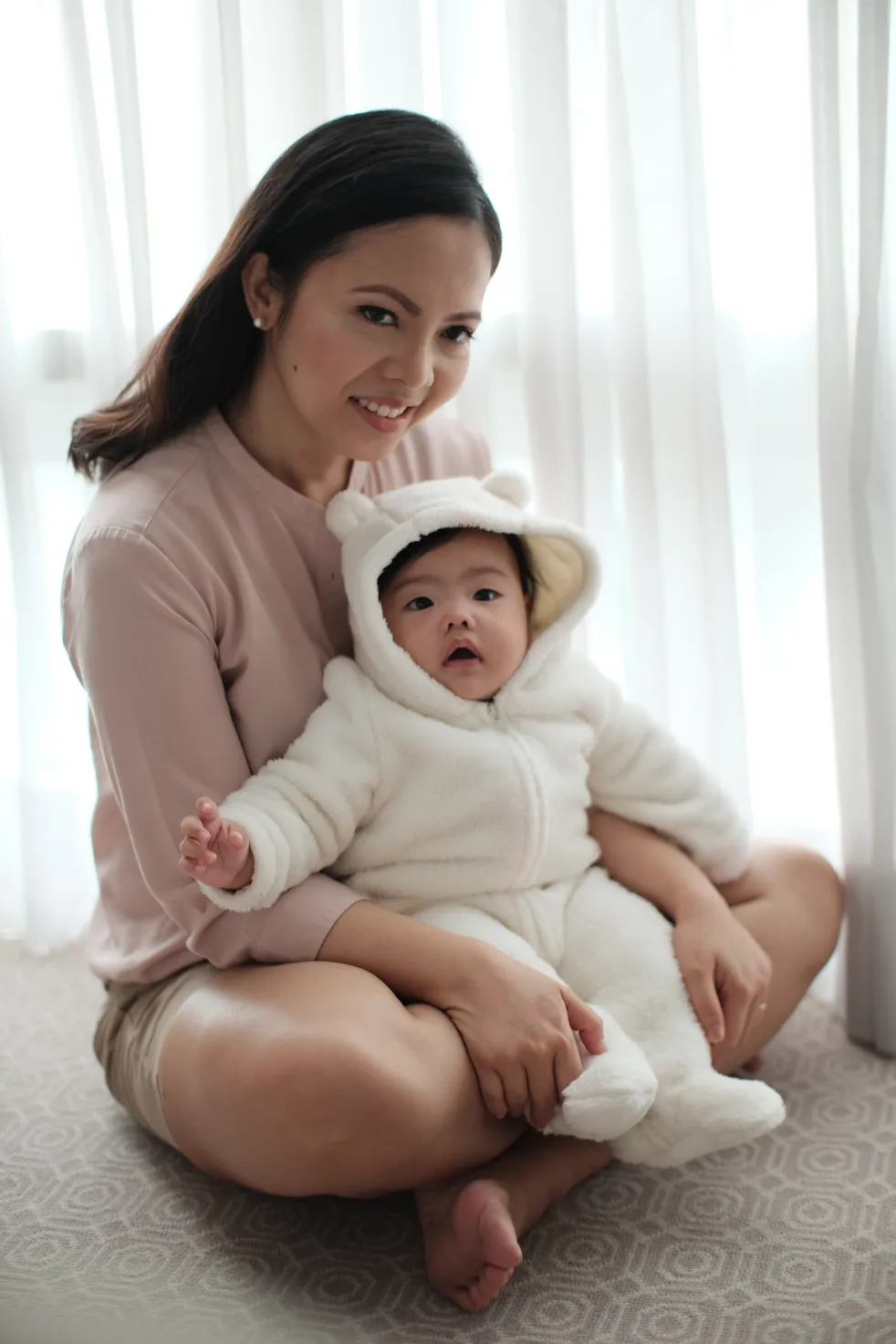
Whether you’re a new mom to be, mom of a toddler, mom who have school-aged kids, you’re bound to have so many questions. Let's start with your baby's skin. Infant skin has unique needs; gentle care is essential to prevent damage to the skin barrier, which can lead to irritation. When caring for infant skin,… Continue reading Keeping Baby’s Diapered Skin Healthy
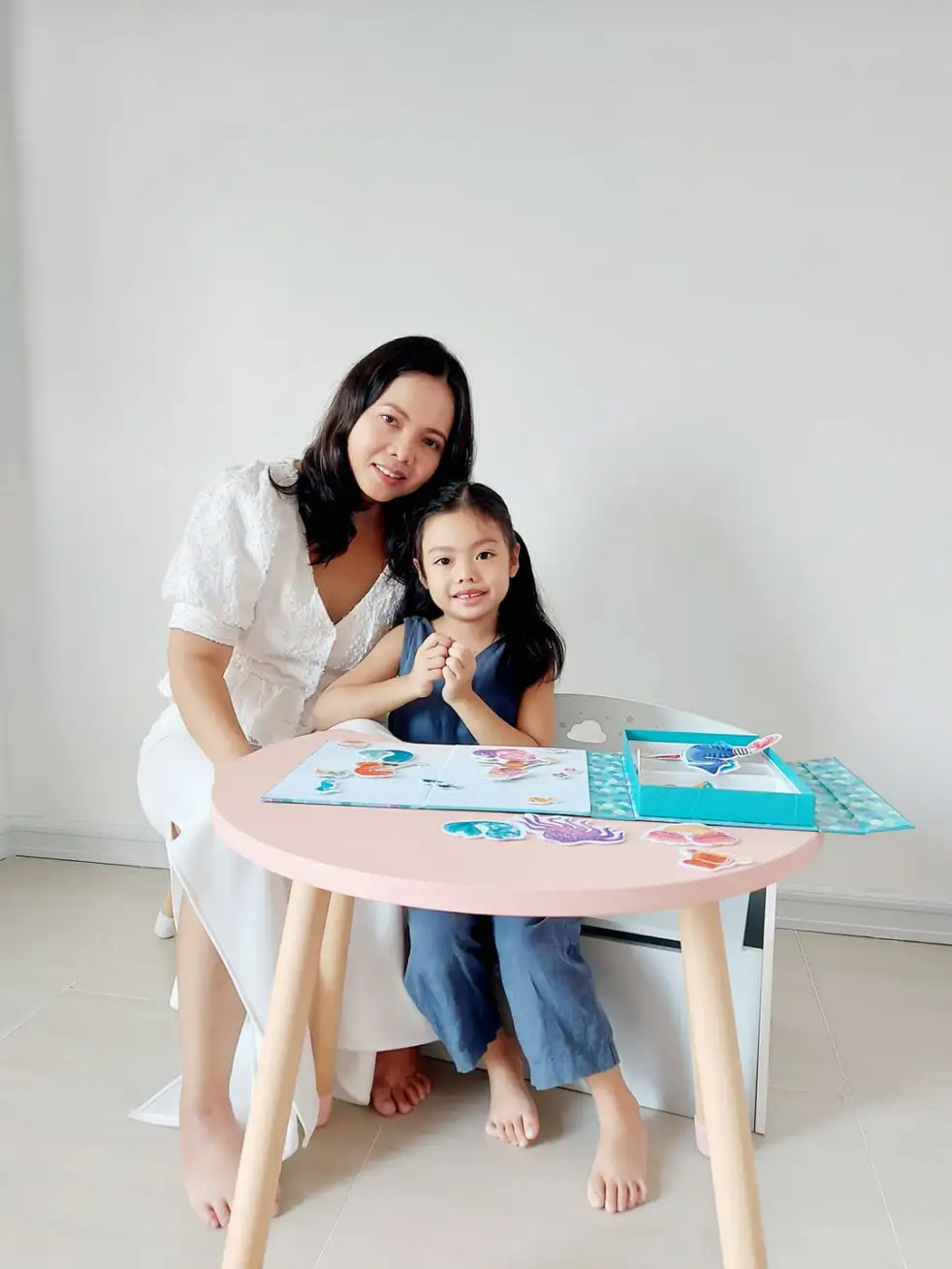
As parents, we want to give our child the best possible start in life and that begins with nurturing their intelligence. Throughout history, the notion of success has been linked to academic intelligence. However, there has been an increased awareness on the importance of emotional intelligence. This question gets at the heart of the never-ending… Continue reading IQ or EQ, which one is a better predictor of your child’s success?
 wondermomma.net