

Last August, IKEA Philippines engaged with Better World Smokey Mountain, a newly opened community center operated by the San Miguel Foundation, which shares a similar goal of improving the lives of many Filipino people. Through this partnership, IKEA Philippines provided and assembled home furnishings for the classrooms and library of Better World Smokey Mountain community… Continue reading Help Create a Better World with IKEA Soft Toys
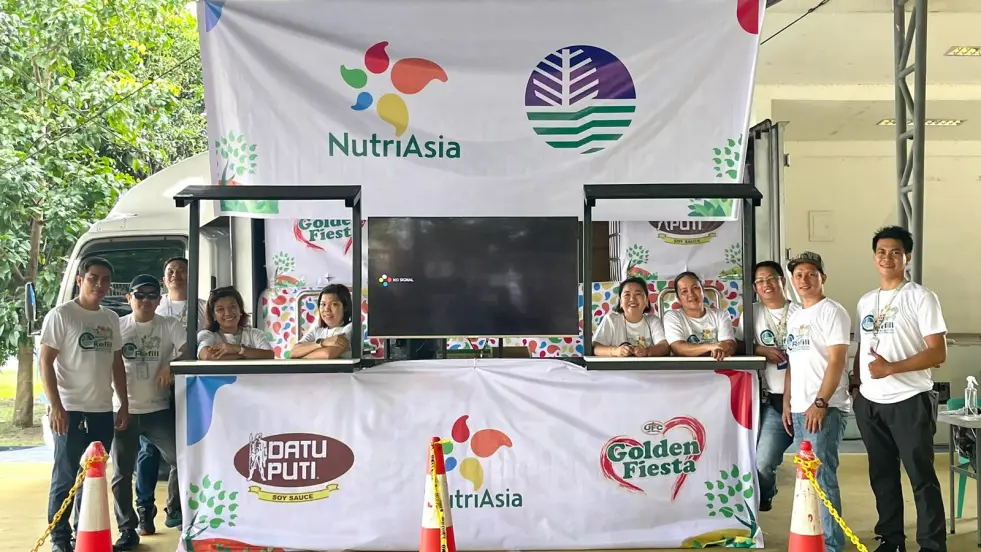
NutriAsia, the country’s top producer of condiments and sauces, continues its support of Refill Revolution; a project by the Department of Environment and Natural Resources EMB 3 that aims to help reduce Filipinos’ single-use plastics consumption. At Refill Revolution, residents get to recycle their single-use plastic bottles by reusing and filling it with their choice… Continue reading NutriAsia and DENR renews partnership for Refill Revolution

Creating a family emergency plan that preschoolers understand
Young children need safety instructions they can remember when adults are busy, frightened, or helping someone else. A family emergency plan gives preschoolers simple actions for fires, earthquakes, typhoons, floods, power interruptions, and other unexpected events. It also helps parents respond with greater calm because key decisions have already been made.
For a three- or four-year-old, an emergency plan should not feel like a long lesson filled with alarming details. It works best as a short routine built around pictures, repetition, and familiar words. Children can learn where to go, whom to stay with, and how to ask for help without being expected to manage an emergency alone.
Families in the Philippines may need to prepare for several kinds of hazards, including strong rain, flooding, earthquakes, volcanic activity, and household fires. Your plan should reflect the risks around your home, your child’s school or daycare, and the routes your family uses every day.
Begin with calm, simple safety language
Start by explaining that an emergency is a situation when people need to act quickly to stay safe. Use clear phrases such as “We go outside because there is smoke” or “We move to a higher place if floodwater comes.” Avoid graphic descriptions and do not suggest that every unusual sound means danger.
Preschoolers respond well to short instructions that begin with an action word. “Stop, listen, hold hands” is easier to remember than a detailed explanation about evacuation procedures. Choose two or three phrases for each hazard and use the same wording every time.
Reassure your child that grown-ups, teachers, neighbors, and emergency workers help keep children safe. Explain that being prepared is similar to wearing a helmet or looking both ways before crossing the street. The goal is confidence and cooperation, not fear.
Teach one safety routine at a time
A young child cannot memorize a complete disaster manual. Introduce one routine during a calm moment, practice it briefly, and revisit it later. For a fire, your child might learn to follow an adult, stay low if there is smoke, avoid hiding, and go to the family meeting place. For an earthquake, teach “drop, cover, and hold on” using a sturdy table.
Make practice playful without turning it into a frightening game. A stuffed animal can “follow the safe path,” or your child can point to the exit on a simple drawing of the home. Sing a short phrase while walking to the meeting place, then praise the child for listening and staying close.
Children also need to know what not to do. Explain that they should never touch fallen wires, return inside for toys, open a hot door, or leave with an unfamiliar person. Keep the language concrete: “If you cannot see Mama, stay with your teacher,” is more useful than “Do not wander.”
Choose meeting places and trusted adults
Select one meeting point near your home, such as a gate, a neighbor’s safe area, or a visible landmark away from buildings and electrical lines. Choose a second location outside your immediate neighborhood in case roads are blocked or your family must evacuate. Show both places to your preschooler during an ordinary walk.
Teach your child the names of the adults who may help during an emergency. These might include parents, grandparents, a teacher, a regular caregiver, or a trusted neighbor. Explain that the child should stay with a known adult and never go anywhere simply because someone says a parent sent them.
A preschooler may not remember a full address, so practice useful identifying details gradually. Your child can learn their first and last name, a parent’s name, the name of the subdivision or barangay, and one telephone number. Keep an emergency contact card in the child’s bag, but do not rely on the child reading it independently.
Prepare supplies children can recognize
An emergency kit should support the whole family while including a few comforting items for a young child. Pack drinking water, ready-to-eat food, medicines, a first-aid kit, flashlights, batteries, hygiene supplies, copies of important documents, cash, chargers, and weather-appropriate clothing. Check expiration dates and replace items your family uses.
Give your preschooler a small role in preparing the kit. They can choose a quiet toy, a family photo, a washable cloth, or a favorite book. A familiar object may help with emotional regulation in an evacuation center or during a long power interruption. Include a change of clothes, underwear, diapers if needed, and any comfort or medical items your child relies on.
Use sturdy, clearly labeled containers and keep them somewhere adults can reach quickly. Water is especially important in hot weather and during disrupted services; a spill-resistant option can make it easier for a child to drink independently. WonderMomma’s guide to BPA-free water bottles can help families consider practical choices for a child’s go-bag.
Match the plan to your child’s age
The best emergency instructions depend on language skills, mobility, sensory needs, and how much support a child requires. A younger preschooler may follow a physical cue, while an older child may remember a short sequence and help identify supplies. Adjust expectations without comparing siblings.
| Preschool ability | Helpful teaching method | Safety goal |
|---|---|---|
| Follows one-step directions | Use a single action such as “hold my hand” | Stay close to a trusted adult |
| Recognizes familiar pictures | Create an illustrated exit map | Identify doors, stairs, and meeting points |
| Speaks in short sentences | Practice saying name and caregiver’s name | Ask a safe adult for help |
| Can remember a short sequence | Repeat “stop, listen, go” or “drop, cover, hold” | Respond to a specific hazard |
| Needs sensory or mobility support | Prepare comfort tools and an accessible route | Evacuate with less distress and delay |
Use visual reminders at the child’s level, but keep them uncluttered. A picture of a hand holding another hand, a door, and a meeting spot may communicate more effectively than a paragraph. For children with developmental differences, coordinate the home plan with teachers and therapists so the same cues are used in different settings.
Practice communication and evacuation
Children should know how to get an adult’s attention if separated from their caregiver. Teach them to approach a uniformed responder, a teacher, a security guard, or a parent with children rather than hiding or running outside alone. Practice saying, “I need help. My name is…” in a calm voice.
Role-play a few realistic situations, such as being in a classroom during an earthquake or hearing an alarm while in the kitchen. Keep each practice session short and end with a reassuring family activity. Do not stage surprise drills that may cause panic, especially for children who are sensitive to loud sounds or sudden changes.
Review the plan whenever your family moves, your child changes school, a caregiver changes, or a severe weather season approaches. Walk the route at different times of day and check whether gates, construction, parked vehicles, or floodwater could affect it. Adults should also agree on who collects the child, who contacts relatives, and where family members reunite.
Make the plan easy to use under stress
Adults should write down emergency numbers and responsibilities instead of assuming everyone will remember them. Include the national emergency hotline and verify the current numbers for your barangay, building administration, school, clinic, utility providers, and nearby relatives. Store the list in phones and in a visible location at home.
- Put a simple evacuation map on the refrigerator or near the main exit.
- Keep the child’s contact card and medical information in the go-bag.
- Assign one adult to collect the child and another to contact family members.
- Check emergency supplies every few months and after each use.
- Practice one short safety routine during a calm family moment.
A plan becomes familiar when it appears in everyday life. Point out exits when visiting a mall, identify safe adults at school, and talk about where to stand during a building evacuation. These small reminders build practical awareness without making emergencies the center of family conversation.
The most effective plan is one your preschooler can repeat in their own words: stay close, listen for instructions, move to the safe place, and ask a trusted adult for help. Write those actions down, practice them gently, and update the family emergency kit as your child grows. Start with one routine today, then build a calmer, clearer safety habit together.

Mercato Centrale, in collaboration with Indian Women in Enterprise Philippines (I-We), is set to host "The Great Indian Fiesta" to mark 75 years of friendship between India and the Philippines. The dynamic two-day event is scheduled to take place on September 30 to October 1, 2023, at Paseo De Roxas Street, Makati City. Aiming to… Continue reading Mercato Centrale Partners with I-We to Host ‘The Great Indian Fiesta’, Commemorating 75 Years of India-Philippines Friendship

My stomach would usually start growling at 10 am even after taking a big breakfast. This is probably because I am a morning person and I move a lot throughout the day hence snacking is something that I can't avoid. This potatoes and chicken wrap recipe is easy to prepare and would keep me full… Continue reading Potato and Chicken Wrap
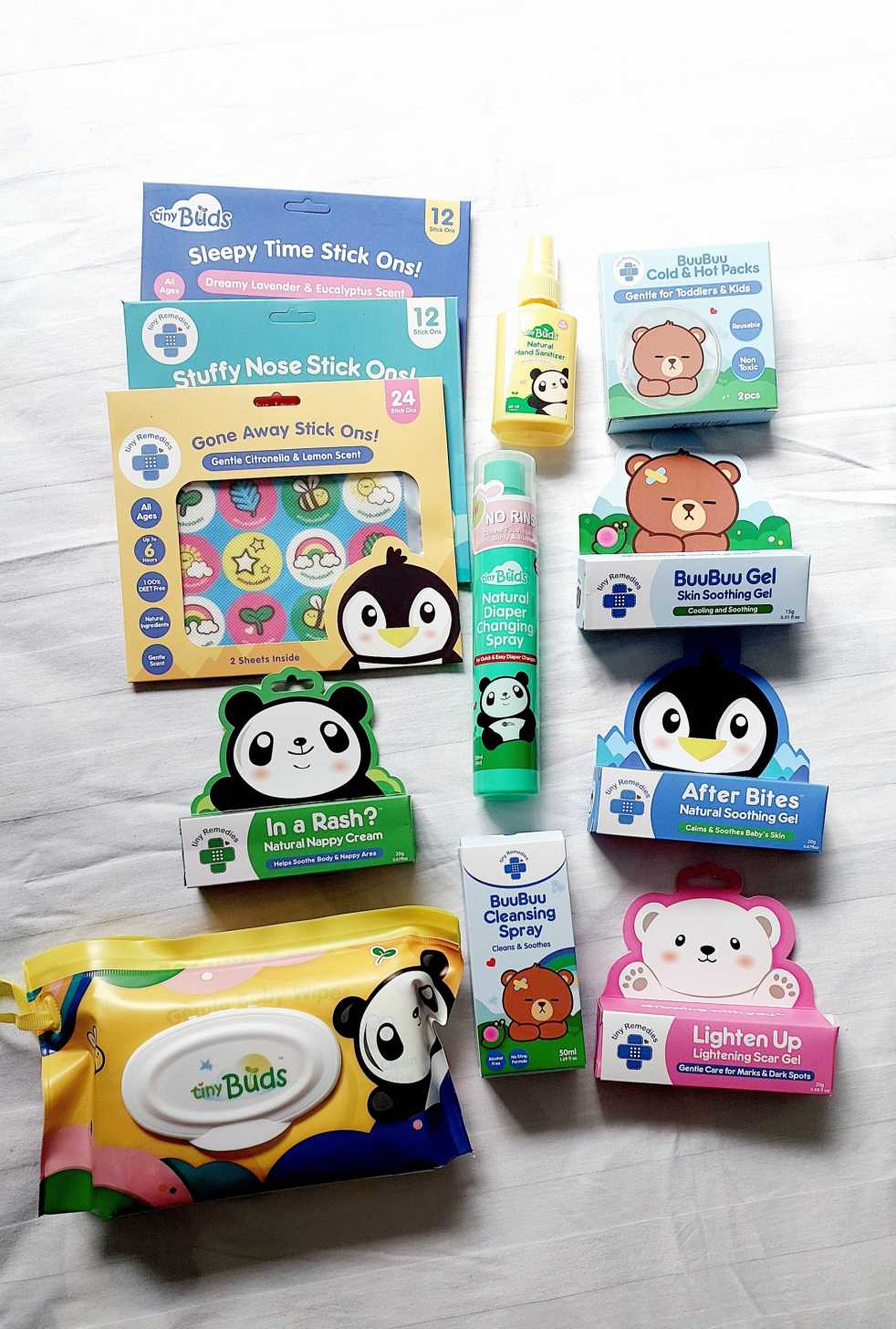
Your baby’s skin is more delicate than most, this is why you have to choose products that are designed for sensitive skin. Tiny Buds is a pioneer in integrating natural ingredients into baby care and today has over 50 innovative natural baby care essentials and is one of the Top Baby Personal Care brands. Here… Continue reading Product Review: Tiny Buds Baby Naturals Baby Essentials
Where your child goes to school is a big decision and shouldn’t be taken lightly. Given how their education can impact their future, you might be tempted to take control and decide for them. However, you might be doing more damage than helping them in the long run. Your job as parents is to support… Continue reading HOW TO CHOOSE THE BEST SCHOOL FOR YOUR CHILD
As poet and philosopher Rumi once eloquently said, “raise your words, not your voice. It is rain that grows flowers, not thunder.” Parenting is a challenging journey, and the truth is that nobody has everything figured out. One parenting style might suit others best, and some might favor other methods. However, children respond better to… Continue reading A SIMPLE GUIDE TO GENTLE PARENTING

Whether you’re a new mom to be, mom of a toddler, mom who have school-aged kids, you’re bound to have so many questions. Let's start with your baby's skin. Infant skin has unique needs; gentle care is essential to prevent damage to the skin barrier, which can lead to irritation. When caring for infant skin,… Continue reading Keeping Baby’s Diapered Skin Healthy
As parents, we want to give our child the best possible start in life and that begins with nurturing their intelligence. Throughout history, the notion of success has been linked to academic intelligence. However, there has been an increased awareness on the importance of emotional intelligence. This question gets at the heart of the never-ending… Continue reading IQ or EQ, which one is a better predictor of your child’s success?
 wondermomma.net