
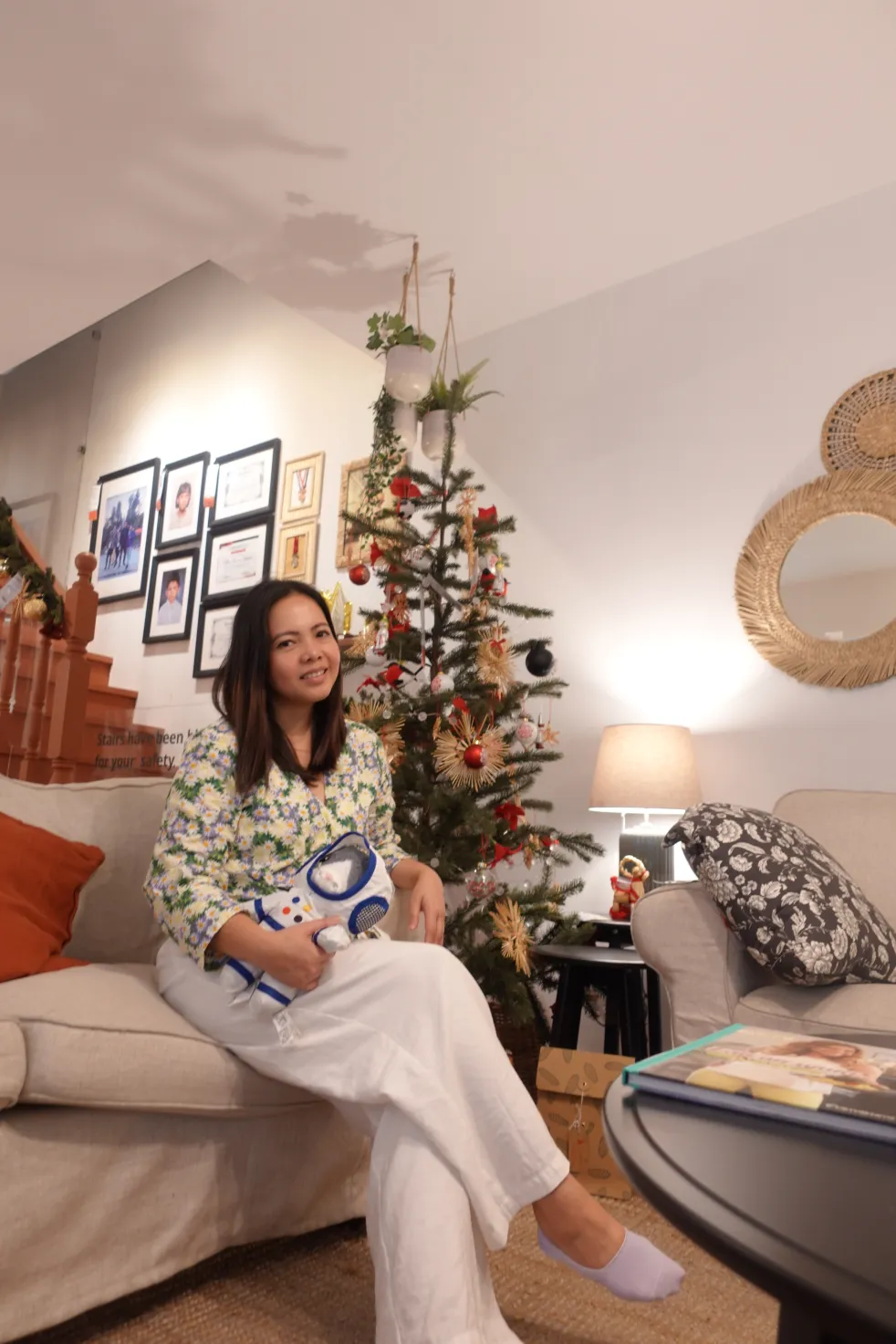
Last August, IKEA Philippines engaged with Better World Smokey Mountain, a newly opened community center operated by the San Miguel Foundation, which shares a similar goal of improving the lives of many Filipino people. Through this partnership, IKEA Philippines provided and assembled home furnishings for the classrooms and library of Better World Smokey Mountain community… Continue reading Help Create a Better World with IKEA Soft Toys
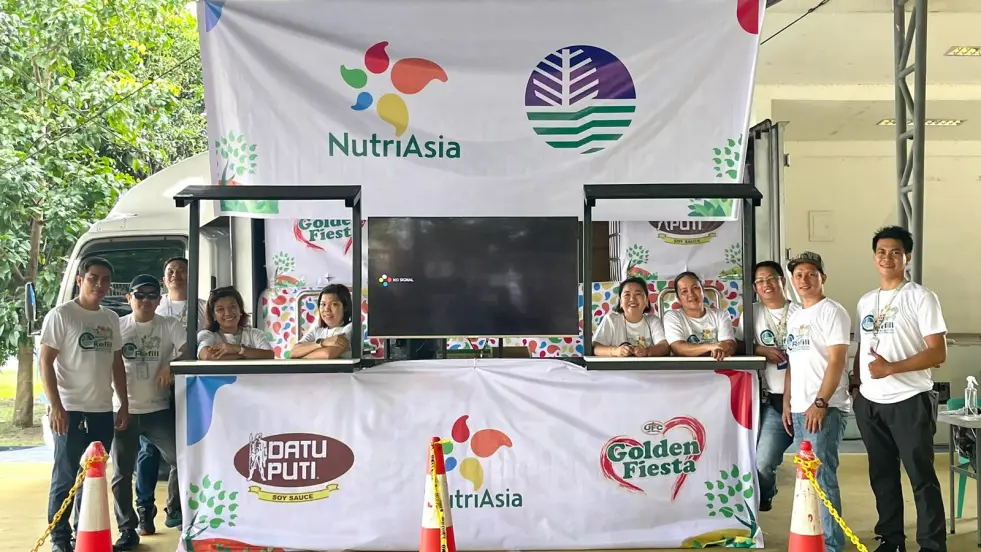
NutriAsia, the country’s top producer of condiments and sauces, continues its support of Refill Revolution; a project by the Department of Environment and Natural Resources EMB 3 that aims to help reduce Filipinos’ single-use plastics consumption. At Refill Revolution, residents get to recycle their single-use plastic bottles by reusing and filling it with their choice… Continue reading NutriAsia and DENR renews partnership for Refill Revolution

A cosy reading nook your child will love
A dedicated reading corner gives children a small, welcoming place to slow down, look at pictures and enjoy stories at their own pace. It does not need to be a large room or an expensive renovation. A quiet section of a bedroom, playroom or living area can become a useful little retreat with thoughtful choices.
The best reading spaces feel comfortable rather than overly styled. Soft seating, accessible books and gentle lighting invite children to settle in independently, while a few familiar details make the nook feel like it belongs to them. Even a toddler can help choose a cushion, display a drawing or select which books stay within reach.
For Australian families, the space also needs to suit everyday conditions. Bright summer afternoons, limited storage in newer homes and the need to keep furniture safe and practical all influence the design. A reading nook should work in a family home, not look like a display that is difficult to maintain.
Creating a cozy reading nook for your child at home can also support language development, imagination and family connection. Reading together before bed, during a rainy afternoon or after school gives the nook a purpose beyond decoration. With a few simple adjustments, it can become one of the most used corners in the house.
Choose a practical spot
Start by looking for an area that is reasonably quiet but still connected to family life. A corner of the lounge room can work well for younger children because a parent can keep an eye on them while preparing dinner. Older children may prefer a bedroom corner, a landing near the staircase or a section of a shared study.
Avoid placing the nook directly beside a television, noisy play zone or busy walkway. At the same time, complete isolation is rarely necessary. Children often enjoy reading near the rest of the family, and a visible nook is more likely to be used than one hidden behind a closed door.
Natural light is helpful, but strong Australian sunlight can fade book covers and make a small space uncomfortably hot. Position the nook beside a window rather than in direct afternoon sun, and use a blockout blind or sheer curtain when needed. In warmer parts of Australia, a ceiling fan or cross-breeze may make the area more inviting during summer.
Make seating comfortable and safe
The simplest setup may be a washable floor cushion, a small beanbag or a low foam mattress covered with a fitted sheet. These options are easy to move when the room needs to be used for another purpose. A small armchair or child-sized lounge can suit older children, particularly if it provides enough back support for longer reading sessions.
Layering makes the space feel warm without filling it with bulky furniture. Add a cotton throw, a firm cushion and a small rug with a non-slip backing. Choose machine-washable fabrics where possible, especially for toddlers who may bring snacks, paint or muddy feet into the reading area after a day at the park.
Safety should come before appearance. Anchor tall bookcases to the wall, keep cords secured and avoid placing the nook near blind cords, heaters or unstable furniture. Products sold in Australia should meet relevant safety requirements, but parents still need to follow assembly instructions and check that shelving is appropriate for a child’s age and size.
Display books within easy reach
A child is more likely to choose a book when the cover is visible. Low front-facing shelves, slim picture ledges or sturdy baskets can display a small selection without overwhelming the space. For babies and toddlers, use furniture with rounded edges and place heavier books on lower shelves.
Keep the collection manageable by rotating titles every few weeks. A basket of board books might stay available all the time, while picture books about animals, vehicles, emotions or Australian wildlife can change with your child’s interests. Seasonal choices, such as beach stories in summer or winter animal tales during colder months, add variety without requiring a large library.
Include books at different reading levels. Picture books, lift-the-flap stories, comics, beginning readers and non-fiction titles can all share the same nook. Children benefit from choosing an easy favourite as much as from attempting a more advanced book, so there is no need to make every title educational or challenging.
Local libraries are an excellent source of variety without the cost of buying everything. Many Australian councils run free Storytime sessions, holiday activities and children’s borrowing programs. A regular library visit can become part of the reading routine, with a special basket in the nook for borrowed books that need to be returned.
Use lighting for calm reading
A reading corner needs enough light for clear pictures and text, especially in the evening. Place the nook near a window for daytime reading, then add a floor lamp, wall light or table lamp for darker hours. Warm white bulbs usually create a calmer atmosphere than harsh, cool lighting.
Portable rechargeable lamps can be useful in homes where power points are limited. Select a stable model designed for household use and keep charging cables out of reach. A night light may help a child who likes looking at books before sleep, but avoid making the nook so bright that it disrupts bedtime.
Think about glare as well as brightness. Glossy pages can reflect light directly into a child’s eyes when a lamp is positioned at the wrong angle. Test the arrangement while sitting in the actual reading position, and make sure the light falls across the page rather than behind the child’s head.
Add personality without creating clutter
A few personal touches help children feel ownership of the space. Display their artwork, add a name plaque or hang a small fabric banner. A favourite soft toy can become the nook’s reading companion, while a small basket can hold bookmarks, reading glasses or a notebook for drawing.
Keep decoration at child height, but avoid crowding the walls and shelves. Too many objects can make the area distracting and harder to clean. A simple colour palette, natural timber and a couple of cheerful accents can create a peaceful feel without turning the nook into a themed set.
Australian families can find affordable materials at Kmart, Big W, IKEA and local homewares shops, while Bunnings can be useful for wall hooks, shelving hardware and storage solutions. Op shops, community markets and Gumtree may also offer good-quality cushions or bookcases. Inspect second-hand furniture carefully, particularly for missing fixings, chipped paint and recalled nursery products.
Plan for small homes and changing needs
A reading nook does not require a spare room. A narrow space beneath a bunk bed, the end of a hallway or one side of a shared bedroom may be enough. A foldable floor mattress, wall-mounted book ledges and a fabric canopy can create a defined area without taking up much floor space.
In an apartment, use furniture that serves more than one purpose. An ottoman with storage can hold books and double as seating, while a low toy shelf can separate the reading corner from the rest of the room. Keep pathways clear, particularly in compact homes where children and adults move through the same area frequently.
The nook should grow with the child. A toddler may need soft flooring and chunky board books, while a primary school child may value a desk surface, a dictionary shelf or space for chapter books. Adjustable shelving and neutral furniture reduce the need to redesign the entire area every few years.
For families who move often, choose lightweight pieces that can travel between rentals. Removable hooks, freestanding shelves and washable rugs are usually easier to manage than permanent changes. This approach is particularly useful for families relocating between suburbs, regional towns or different states for work.
Build reading into everyday family life
A beautiful space will have limited value if books are treated as a special-occasion activity. Keep the routine relaxed. Ten minutes after breakfast, a story before bed or a quiet book during the afternoon school pick-up window can be enough to build consistency.
Let children revisit favourite stories, browse pictures without reading every word and listen while playing quietly. Shared reading works best when adults pause to notice illustrations, explain unfamiliar words and follow the child’s interests. It should feel like connection, not another task to complete.
The nook can also support learning beyond books. Add paper for children to draw a different ending, puppets for retelling a story or a small map beside books about places. Older children might use the space for independent reading, school projects or listening to audiobooks with headphones at a safe volume.
Use the corner throughout the year rather than reserving it for rainy days. It can be a cool retreat during a hot Queensland afternoon, a comfortable spot after a chilly Melbourne school run or a quiet place to unwind following weekend sport. With comfortable seating, accessible books and a calm atmosphere, the nook becomes a natural part of family life.

Mercato Centrale, in collaboration with Indian Women in Enterprise Philippines (I-We), is set to host "The Great Indian Fiesta" to mark 75 years of friendship between India and the Philippines. The dynamic two-day event is scheduled to take place on September 30 to October 1, 2023, at Paseo De Roxas Street, Makati City. Aiming to… Continue reading Mercato Centrale Partners with I-We to Host ‘The Great Indian Fiesta’, Commemorating 75 Years of India-Philippines Friendship

My stomach would usually start growling at 10 am even after taking a big breakfast. This is probably because I am a morning person and I move a lot throughout the day hence snacking is something that I can't avoid. This potatoes and chicken wrap recipe is easy to prepare and would keep me full… Continue reading Potato and Chicken Wrap
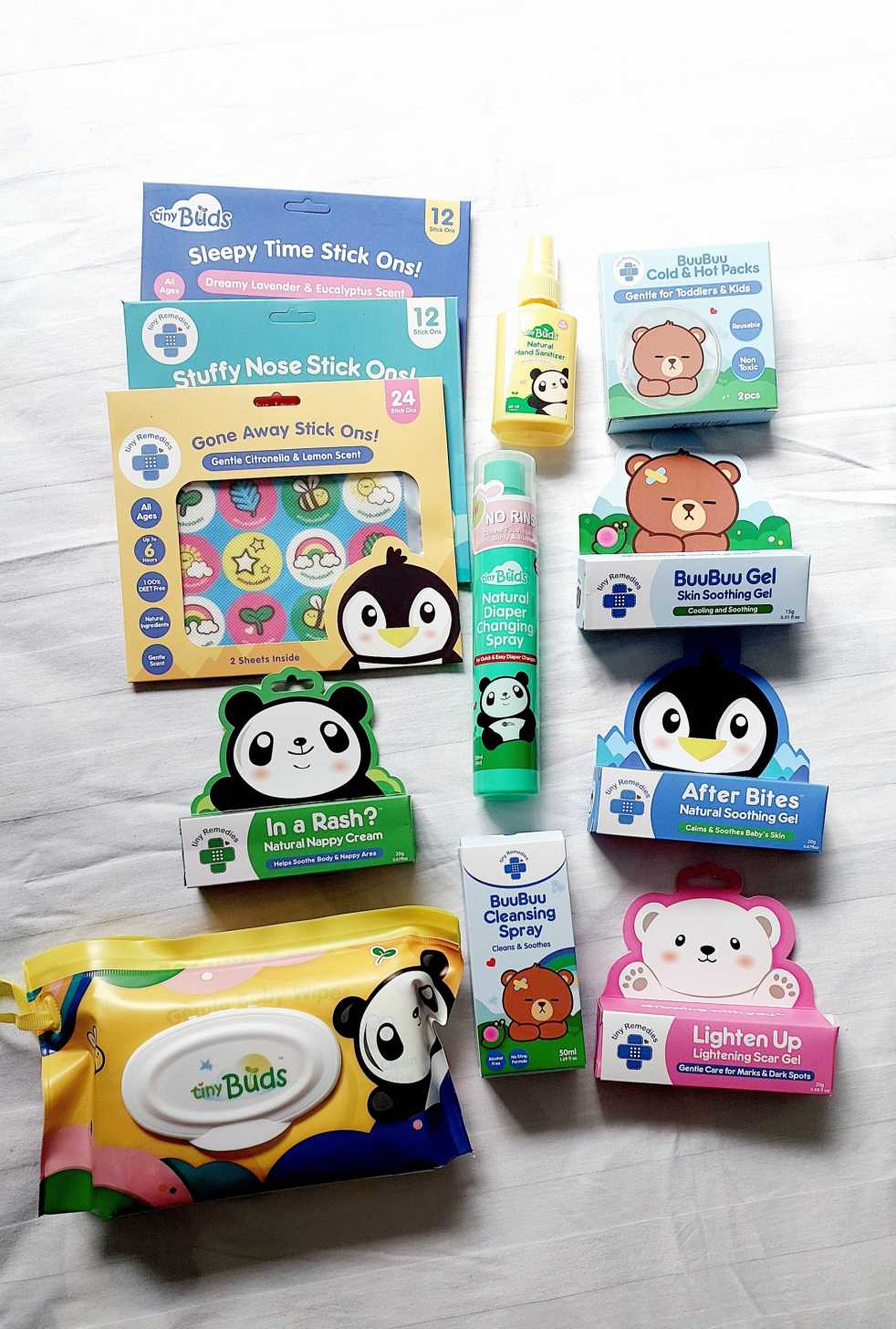
Your baby’s skin is more delicate than most, this is why you have to choose products that are designed for sensitive skin. Tiny Buds is a pioneer in integrating natural ingredients into baby care and today has over 50 innovative natural baby care essentials and is one of the Top Baby Personal Care brands. Here… Continue reading Product Review: Tiny Buds Baby Naturals Baby Essentials
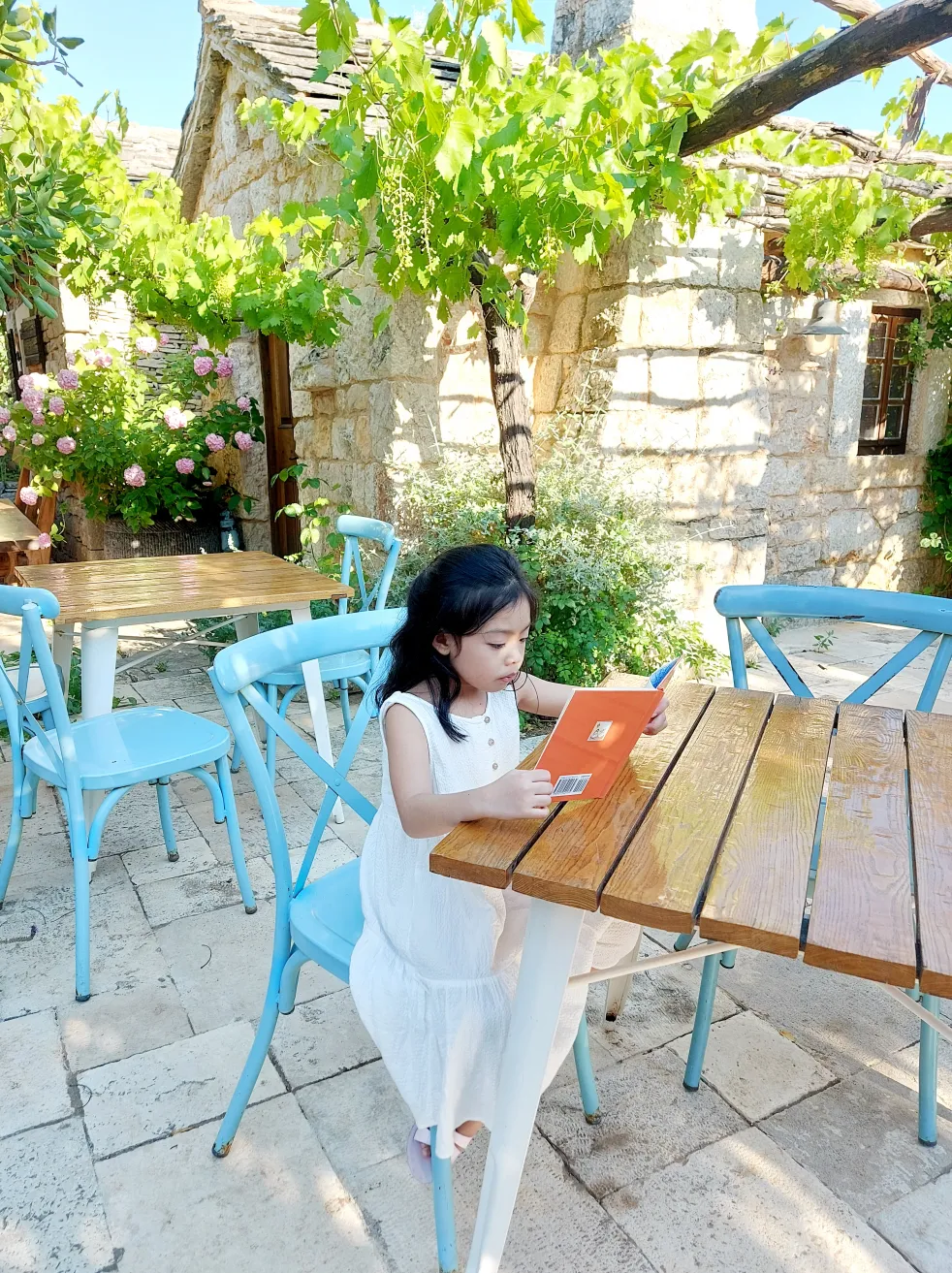
Where your child goes to school is a big decision and shouldn’t be taken lightly. Given how their education can impact their future, you might be tempted to take control and decide for them. However, you might be doing more damage than helping them in the long run. Your job as parents is to support… Continue reading HOW TO CHOOSE THE BEST SCHOOL FOR YOUR CHILD
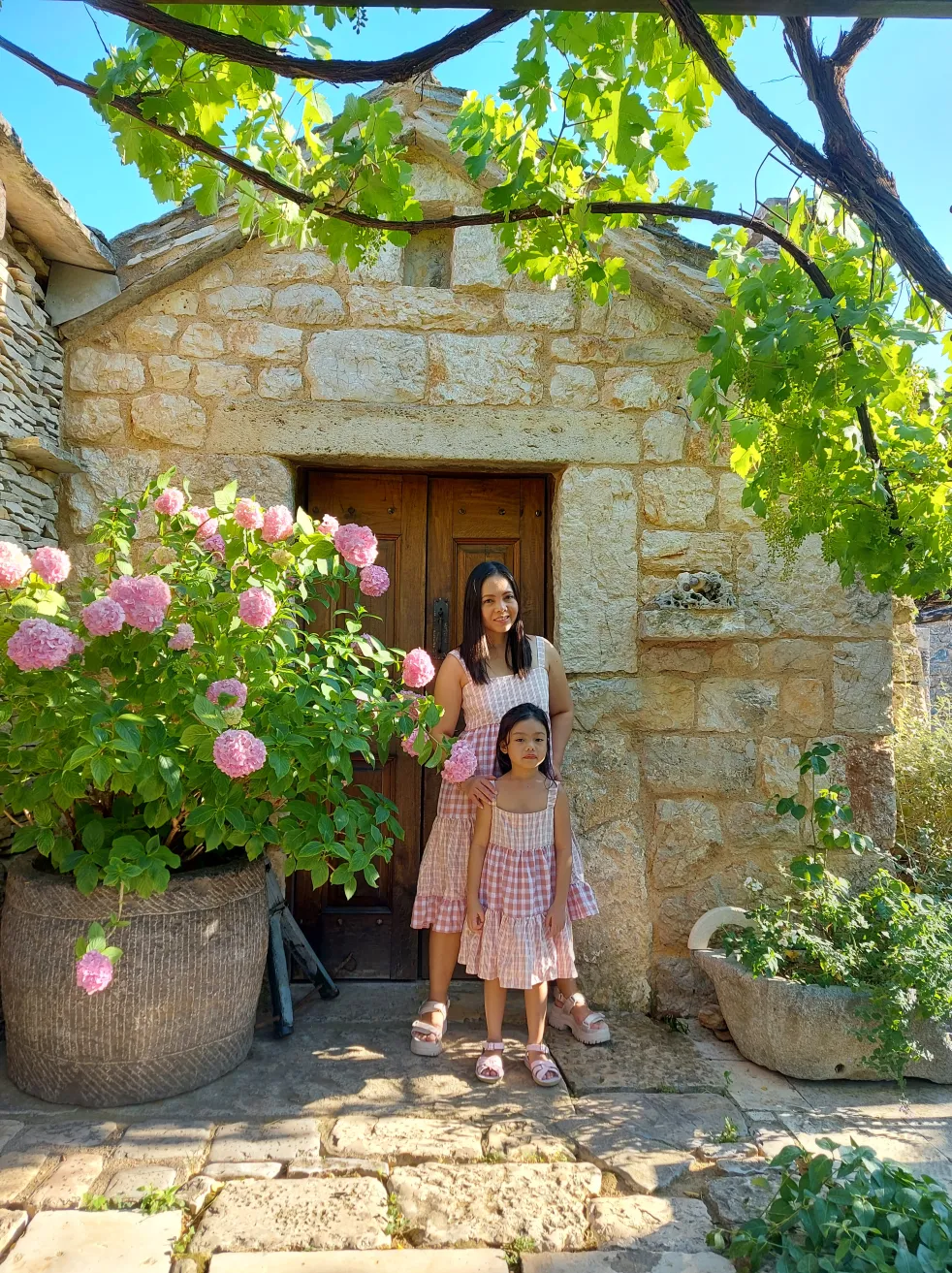
As poet and philosopher Rumi once eloquently said, “raise your words, not your voice. It is rain that grows flowers, not thunder.” Parenting is a challenging journey, and the truth is that nobody has everything figured out. One parenting style might suit others best, and some might favor other methods. However, children respond better to… Continue reading A SIMPLE GUIDE TO GENTLE PARENTING
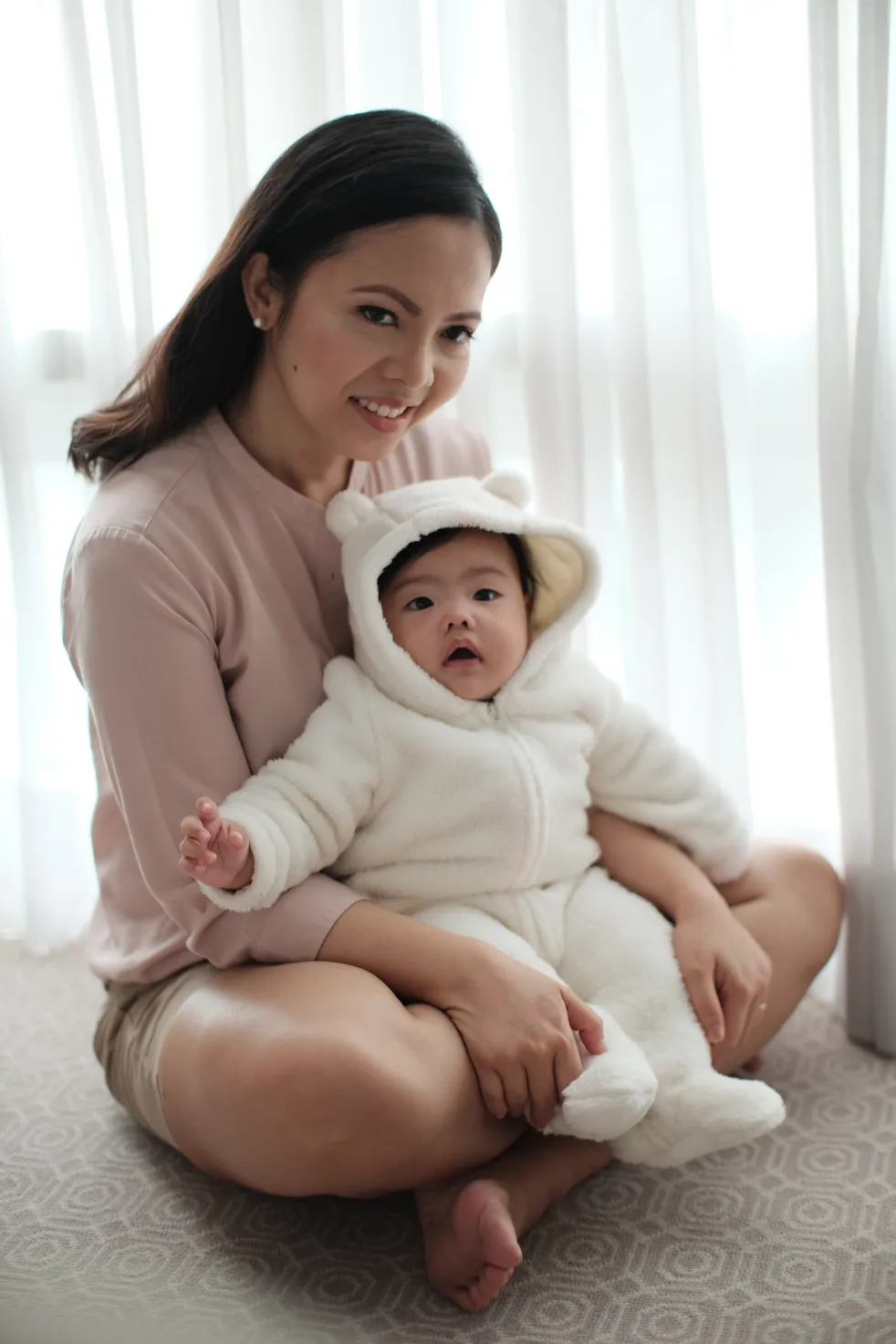
Whether you’re a new mom to be, mom of a toddler, mom who have school-aged kids, you’re bound to have so many questions. Let's start with your baby's skin. Infant skin has unique needs; gentle care is essential to prevent damage to the skin barrier, which can lead to irritation. When caring for infant skin,… Continue reading Keeping Baby’s Diapered Skin Healthy
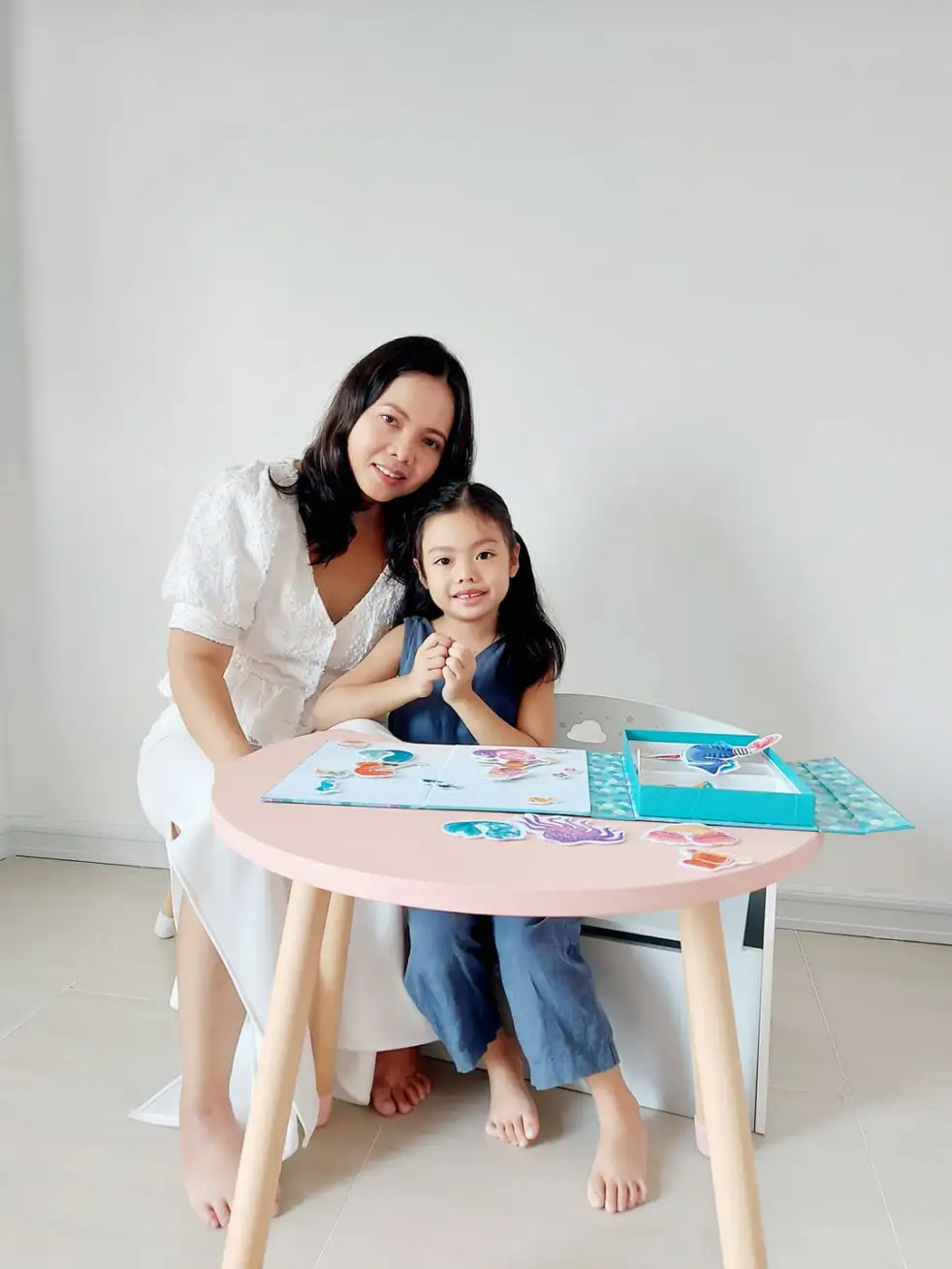
As parents, we want to give our child the best possible start in life and that begins with nurturing their intelligence. Throughout history, the notion of success has been linked to academic intelligence. However, there has been an increased awareness on the importance of emotional intelligence. This question gets at the heart of the never-ending… Continue reading IQ or EQ, which one is a better predictor of your child’s success?
 wondermomma.net