

Last August, IKEA Philippines engaged with Better World Smokey Mountain, a newly opened community center operated by the San Miguel Foundation, which shares a similar goal of improving the lives of many Filipino people. Through this partnership, IKEA Philippines provided and assembled home furnishings for the classrooms and library of Better World Smokey Mountain community… Continue reading Help Create a Better World with IKEA Soft Toys

NutriAsia, the country’s top producer of condiments and sauces, continues its support of Refill Revolution; a project by the Department of Environment and Natural Resources EMB 3 that aims to help reduce Filipinos’ single-use plastics consumption. At Refill Revolution, residents get to recycle their single-use plastic bottles by reusing and filling it with their choice… Continue reading NutriAsia and DENR renews partnership for Refill Revolution

Creating a calm down corner for your toddler at home
Toddlers experience big feelings before they have the language, patience, or impulse control to manage them independently. A calm down corner gives your child a predictable place to pause, reconnect, and practise simple self-regulation skills. It is not a punishment area, a time-out chair, or a place where a child is expected to calm down alone.
The most effective space is simple, welcoming, and easy to use. It may be a small nook beside the family sofa, a soft mat in a bedroom, or a quiet corner of a shared living area. In a busy Filipino home, it does not need to take up much room or look like a picture-perfect playroom. What matters is the feeling of safety and the consistent support offered by the adults.
A calm corner works best when introduced during peaceful moments. Your toddler can explore the items, learn the routine, and practise breathing or sensory activities before a tantrum happens. When emotions rise, the space then feels familiar rather than surprising or isolating.
Understand the purpose of a calm space
A calm down corner helps a toddler move from intense emotion toward connection and recovery. It can support a child who is frustrated by a difficult toy, overwhelmed by noise, tired after school or playgroup, or struggling with a change in routine. The goal is not to make sadness, anger, or fear disappear. Children learn that feelings are acceptable and that they can get help handling them safely.
Use warm, neutral language when explaining the area. You might say, “This is a cosy place for your body to rest,” or, “When you feel very upset, we can come here together.” Avoid describing it as a place for naughty children. That wording can make the space feel shameful and may discourage your toddler from using it when support is needed.
Your child may not choose the corner independently at first. A parent can sit nearby, offer a cuddle, name the feeling, and guide the child toward one calming activity. A two-year-old generally needs co-regulation—the steady presence of a trusted adult—before self-regulation becomes possible.
Choose a safe and practical location
Look for a low-traffic area where your toddler can have a little quiet without being hidden away. A corner near the living room allows you to supervise while preparing food or caring for another child. If your home is compact, a portable basket and foldable mat can create a calm space wherever it is needed.
Keep the area away from stairs, open windows, electrical cords, hot appliances, and fragile decorations. In warm or humid weather, choose washable cotton fabric and ensure good airflow. Avoid heavy canopies, loose cords, small objects, and anything that could become a choking hazard. All sensory tools should be suitable for your child’s age and used with supervision.
The space should be comfortable but not overly stimulating. Soft lighting, a small cushion, and a few familiar items are usually enough. You can place a simple visual sign nearby, such as a picture of a smiling face, a heart, or a resting body, so your toddler recognises the purpose without needing to read.
Select simple calming tools
A toddler-friendly calm corner should offer a small number of choices. Too many toys can turn the space into another play station or make it harder for an overwhelmed child to decide what to do. Begin with three or four items and observe which ones genuinely help your child settle.
Useful options include a washable cushion, a favourite comfort item, a board book about emotions, and a soft stuffed animal. You might also add a sensory bottle filled securely with water and large, sealed decorations, or a sheet of paper with chunky crayons for supervised scribbling. Do not use glass containers, loose beads, essential oils, or small sensory materials that can be swallowed.
A visual feelings chart can help your toddler point instead of explaining. Include basic expressions such as happy, sad, angry, scared, tired, and calm. If your family speaks more than one language, label the emotions in the languages your child hears at home. Familiar words in English, Filipino, or another family language can make emotional communication easier.
| Calm corner item | How it may help | Safety or use note |
|---|---|---|
| Soft mat or cushion | Provides a comfortable place to sit and pause | Choose washable, stable materials |
| Board book about feelings | Gives simple language for emotions | Select sturdy pages made for toddlers |
| Stuffed animal | Offers comfort and a focus for gentle care | Check regularly for loose parts |
| Feelings cards | Helps a child point to an emotion | Use clear faces and only a few choices |
| Sealed sensory bottle | Encourages slow visual attention | Supervise and inspect the seal often |
| Paper and chunky crayons | Allows safe expression through marks | Use only with age-appropriate materials |
Teach the routine before a meltdown
Introduce the calm corner when your toddler is relaxed. Sit there together and demonstrate one slow breath, a cuddle with a toy, or turning pages in a book. Keep the explanation short: “We sit here, breathe slowly, and let our bodies feel safe.” Young children learn through repetition, so brief practice is more useful than a long lesson.
Create a simple sequence that adults can repeat. For example: stop, name the feeling, go to the cosy space, choose one calming action, and reconnect. You can use the same pattern after a sibling conflict, a difficult bath, or frustration over leaving the playground. Consistency helps your child understand what will happen next.
Give your toddler some control within clear limits. Ask, “Do you want the bear or the book?” rather than asking whether they want to calm down. A child who is already distressed may not be able to process an open-ended question. Two acceptable choices are easier to understand and still provide a sense of independence.
Support your child during intense feelings
When a tantrum begins, reduce your words and lower your voice. Get down to your toddler’s level, keep your expression calm, and make sure everyone is physically safe. You can say, “You are angry because playtime ended. I will stay with you,” or, “I won’t let you hit. You can stamp your feet on the mat.”
Do not force a child to sit in the corner or insist on eye contact, deep breathing, or immediate discussion. Some toddlers calm through movement, while others need stillness, a drink of water, or a firm cuddle. If your child rejects the space, stay close and offer support where they are. The corner is a resource, not a requirement.
Once the body has settled, briefly reconnect and teach what can happen next. “You were upset when the blocks fell. Next time, we can ask for help.” Avoid giving a long lecture during or immediately after the outburst. A short repair—such as a hug, helping to rebuild, or checking on someone who was hurt—makes the learning practical.
Make the space part of family life
Adults should model the same approach. You can say, “I feel rushed, so I’m taking three slow breaths,” or, “The noise is bothering me; I need a quiet minute.” This shows that calming down is a normal life skill, not something reserved for children who are misbehaving.
Teach siblings to respect the space. A brother or sister should not remove the comfort items, tease the child, or enter the corner during a private calming moment. At the same time, the space should not become a way to avoid every boundary. After recovery, your toddler still needs to put away toys, use gentle hands, or follow the family rule with your help.
Review the corner every few weeks. Remove items that are ignored, replace damaged books, and adjust the setup as your child grows. A toddler who once needed a stuffed toy may later prefer drawing, music, or a picture sequence showing breathing and asking for help. The space should develop alongside your child rather than remain a fixed display.
Helpful habits for everyday use
A calm corner becomes more effective when the rest of the home supports emotional wellbeing. Regular meals, sleep, outdoor play, and predictable transitions can reduce the build-up of frustration. Give warnings before changing activities, especially when leaving a favourite place such as a playground, grandparents’ home, or a family gathering.
Use emotion words during ordinary moments, not only during tantrums. “You look disappointed,” “That loud sound surprised you,” and “You waited for your turn” help your child connect body sensations, feelings, and actions. Stories, pretend play, and songs can also make emotional learning feel natural.
Keep expectations realistic. A calm down corner will not stop every meltdown, and toddlers will not always use it correctly. Progress may look like accepting your hand, choosing the cushion after a reminder, or recovering a little faster. These small steps show that your child is building emotional skills through repeated, supportive experiences.
Practical choices for setting up the space
- Choose a visible, supervised spot rather than a secluded area or locked room.
- Start with a mat, one comfort item, one book, and one feelings prompt.
- Check every item for choking, cord, breakage, and heat-related risks.
- Practise the routine when your toddler is calm and include all regular caregivers.
- Use connection and firm safety limits instead of shame, threats, or forced isolation.
A calm corner is a gentle invitation to pause, not a test your toddler must pass. Set it up with a few safe materials, introduce it through play, and remain available when strong feelings arrive. With patient repetition, your child can begin to recognise emotions, seek comfort, and discover calming strategies that fit your family’s everyday life. Begin with one small corner this week and let its usefulness grow through regular, caring practice.

Mercato Centrale, in collaboration with Indian Women in Enterprise Philippines (I-We), is set to host "The Great Indian Fiesta" to mark 75 years of friendship between India and the Philippines. The dynamic two-day event is scheduled to take place on September 30 to October 1, 2023, at Paseo De Roxas Street, Makati City. Aiming to… Continue reading Mercato Centrale Partners with I-We to Host ‘The Great Indian Fiesta’, Commemorating 75 Years of India-Philippines Friendship

My stomach would usually start growling at 10 am even after taking a big breakfast. This is probably because I am a morning person and I move a lot throughout the day hence snacking is something that I can't avoid. This potatoes and chicken wrap recipe is easy to prepare and would keep me full… Continue reading Potato and Chicken Wrap
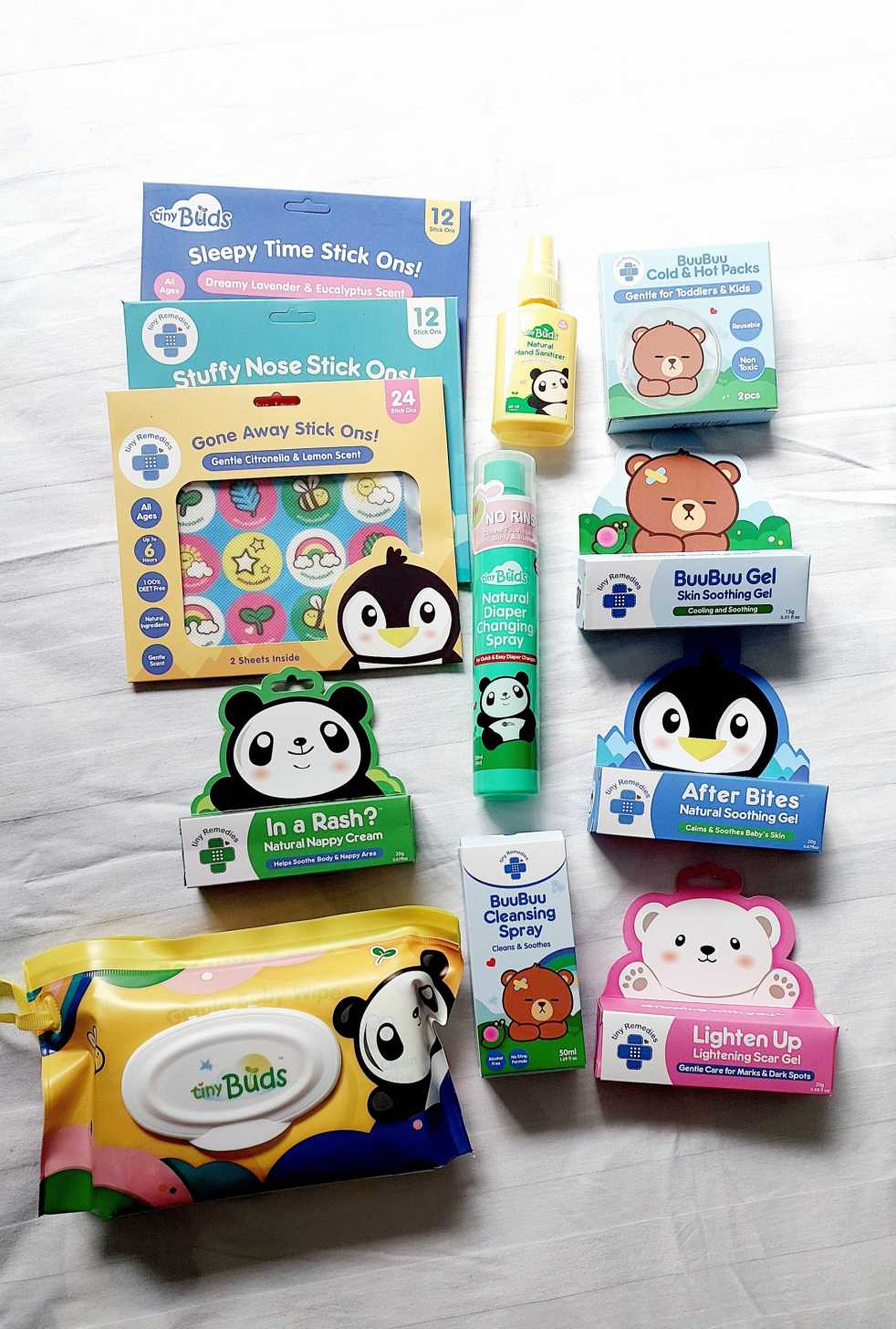
Your baby’s skin is more delicate than most, this is why you have to choose products that are designed for sensitive skin. Tiny Buds is a pioneer in integrating natural ingredients into baby care and today has over 50 innovative natural baby care essentials and is one of the Top Baby Personal Care brands. Here… Continue reading Product Review: Tiny Buds Baby Naturals Baby Essentials
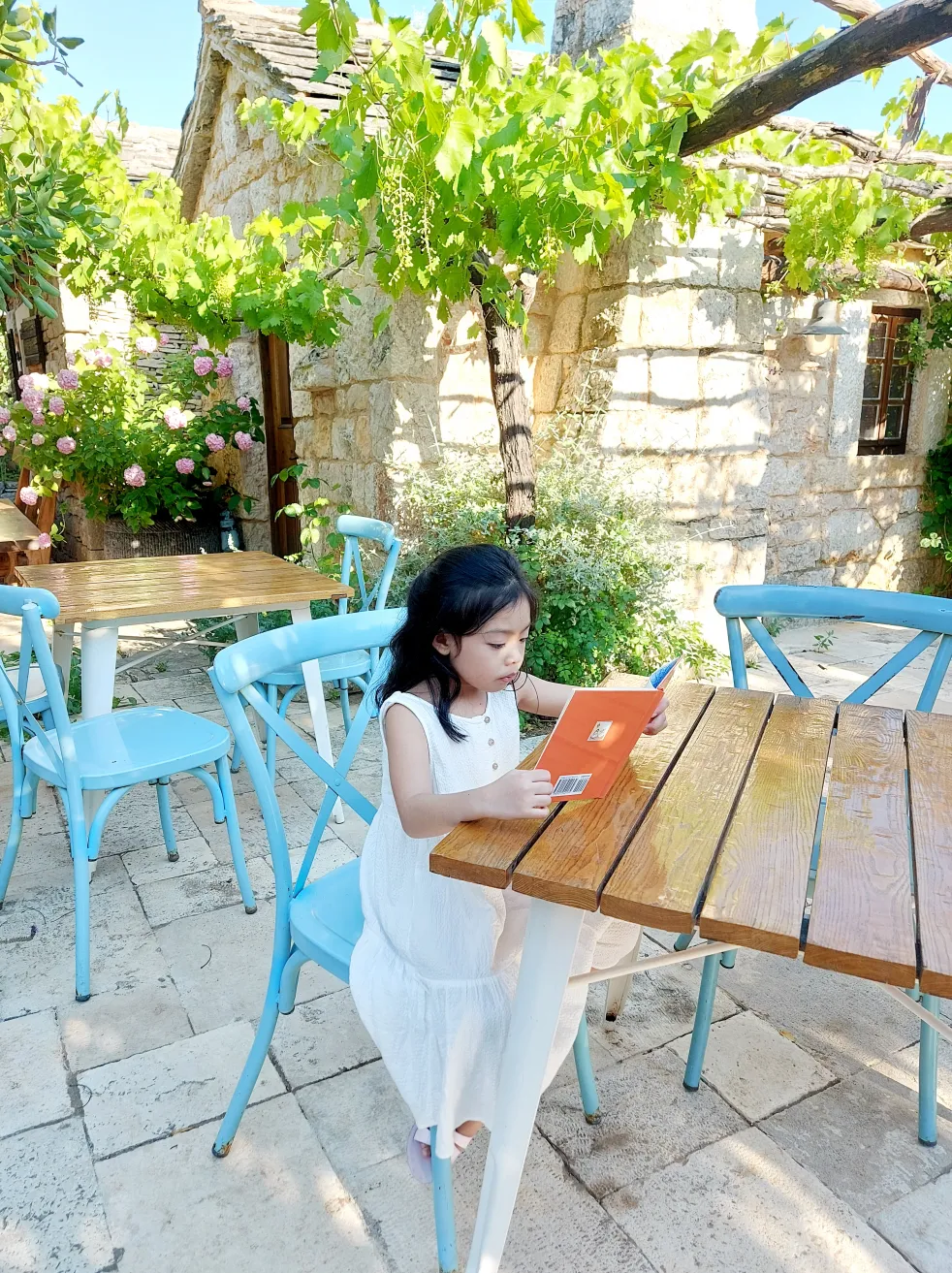
Where your child goes to school is a big decision and shouldn’t be taken lightly. Given how their education can impact their future, you might be tempted to take control and decide for them. However, you might be doing more damage than helping them in the long run. Your job as parents is to support… Continue reading HOW TO CHOOSE THE BEST SCHOOL FOR YOUR CHILD
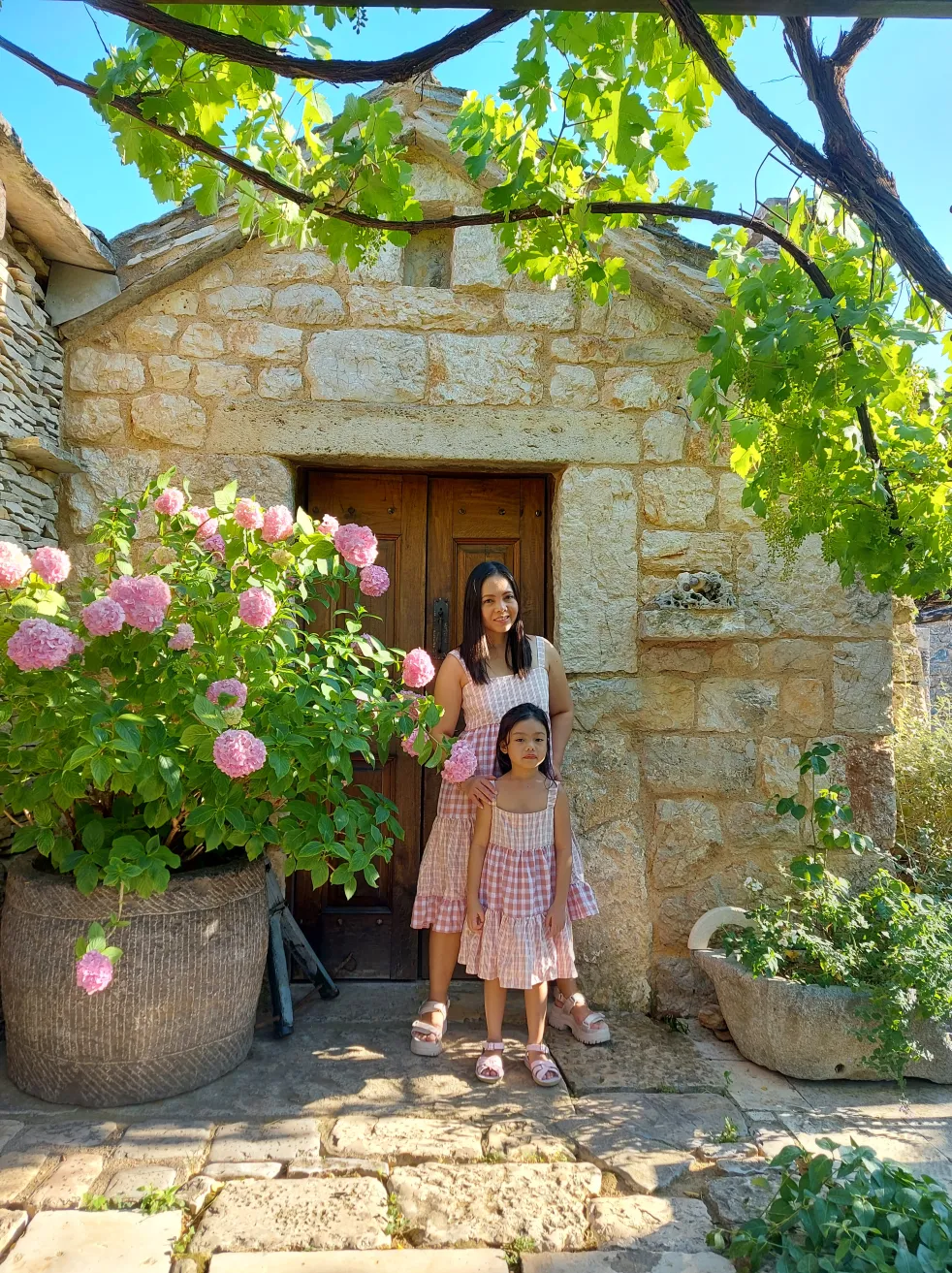
As poet and philosopher Rumi once eloquently said, “raise your words, not your voice. It is rain that grows flowers, not thunder.” Parenting is a challenging journey, and the truth is that nobody has everything figured out. One parenting style might suit others best, and some might favor other methods. However, children respond better to… Continue reading A SIMPLE GUIDE TO GENTLE PARENTING

Whether you’re a new mom to be, mom of a toddler, mom who have school-aged kids, you’re bound to have so many questions. Let's start with your baby's skin. Infant skin has unique needs; gentle care is essential to prevent damage to the skin barrier, which can lead to irritation. When caring for infant skin,… Continue reading Keeping Baby’s Diapered Skin Healthy
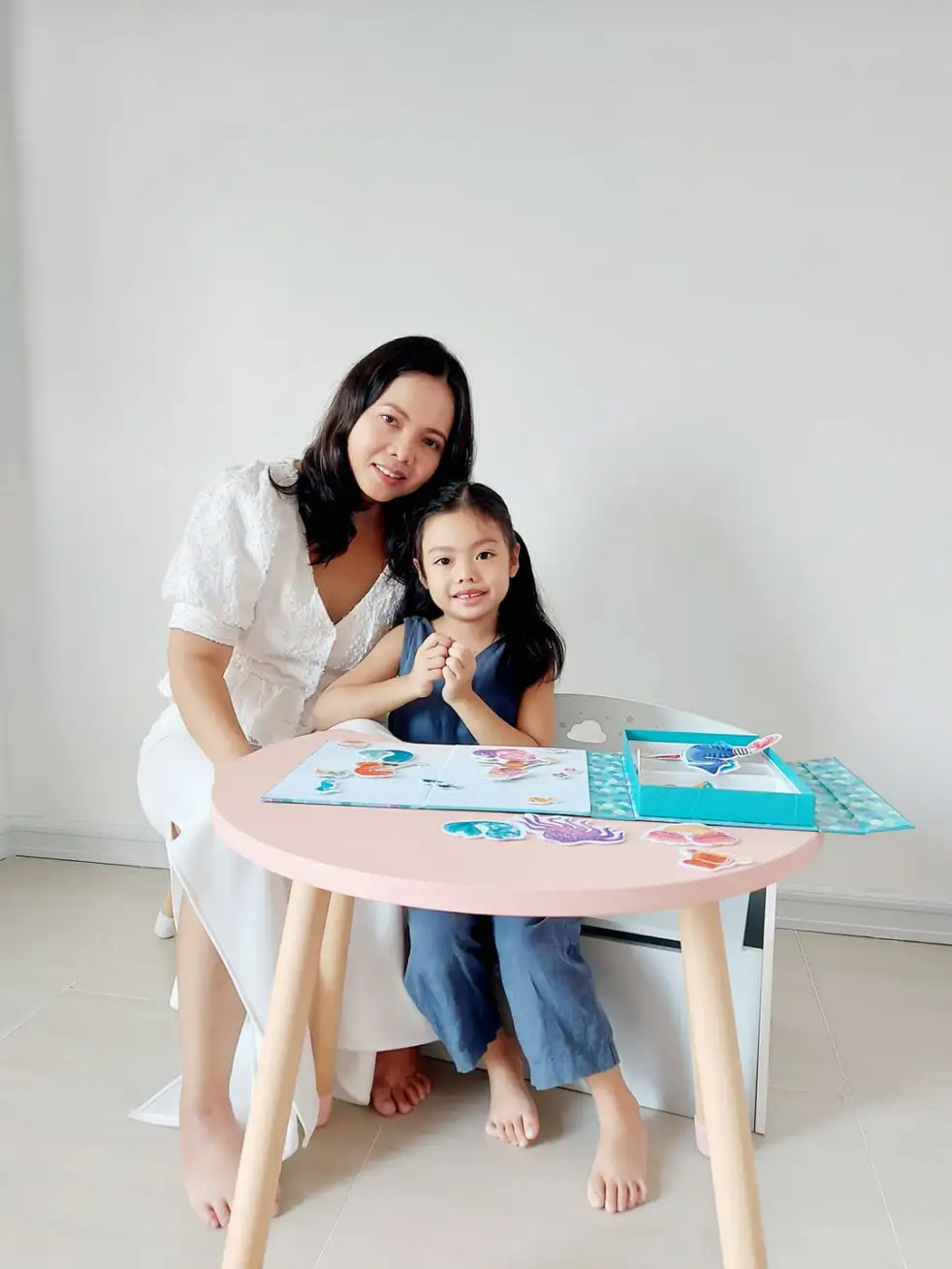
As parents, we want to give our child the best possible start in life and that begins with nurturing their intelligence. Throughout history, the notion of success has been linked to academic intelligence. However, there has been an increased awareness on the importance of emotional intelligence. This question gets at the heart of the never-ending… Continue reading IQ or EQ, which one is a better predictor of your child’s success?
 wondermomma.net