

Last August, IKEA Philippines engaged with Better World Smokey Mountain, a newly opened community center operated by the San Miguel Foundation, which shares a similar goal of improving the lives of many Filipino people. Through this partnership, IKEA Philippines provided and assembled home furnishings for the classrooms and library of Better World Smokey Mountain community… Continue reading Help Create a Better World with IKEA Soft Toys

NutriAsia, the country’s top producer of condiments and sauces, continues its support of Refill Revolution; a project by the Department of Environment and Natural Resources EMB 3 that aims to help reduce Filipinos’ single-use plastics consumption. At Refill Revolution, residents get to recycle their single-use plastic bottles by reusing and filling it with their choice… Continue reading NutriAsia and DENR renews partnership for Refill Revolution

Creating a Calm-Down Corner for Emotional Regulation at Home
Big feelings are a normal part of childhood, yet children often need a safe place and steady adult support to move through them. A calm-down corner gives your child somewhere familiar to pause, breathe, and reconnect with their body before they are ready to talk or solve a problem.
This space is not a punishment area or a place where children are sent away until they behave. It is a practical tool for emotional regulation at home, designed to support connection, co-regulation, and growing independence. Families looking for more gentle parenting ideas can also find useful resources through family life guidance.
Why A Calm Space Helps
Young children can become overwhelmed by noise, hunger, tiredness, transitions, sibling conflict, or disappointment. Their nervous system may respond with crying, yelling, hiding, hitting, or refusing to move. A quiet corner reduces stimulation while an adult helps the child feel safe.
The aim is not to force immediate calm. Regulation usually happens through repeated experiences of being understood and supported. You might say, “Your body is having a hard moment. I am here with you,” before offering the corner as an option. This language acknowledges the emotion without approving unsafe behaviour.
For a preschooler in a busy Sydney apartment or a school-aged child sharing a bedroom in Perth, the space may be very small. A cushion beside a bookshelf, a soft mat in a living room corner, or a basket of tools near the kitchen can work well. Accessibility matters more than appearance.
The corner should be available during peaceful moments, too. Invite your child to sit there while reading, listening to music, or practising slow breathing. Familiarity makes it easier to use when emotions are running high.
Choose And Set Up The Space
Begin with a low-traffic area where your child can have some privacy while remaining visible to an adult. Avoid locked rooms, dark cupboards, isolated outdoor areas, or places near stairs and glass. In a Brisbane home, keep the corner away from direct afternoon sun, since warm rooms can make an upset child feel more uncomfortable.
A few well-chosen items are usually enough. Consider a washable cushion, a small blanket, a feelings chart, board books, paper and crayons, a soft toy, and a child-safe sensory object. A timer may help older children understand that the space is for pausing, rather than avoiding responsibilities indefinitely.
Choose materials that suit your child’s age and sensory preferences. Some children find a textured ball helpful, while others dislike touch when distressed. Glitter jars, weighted toys, and small objects need supervision, particularly for toddlers. Check product information and current Australian safety guidance before buying sensory products from marketplaces or importing them.
You do not need an expensive Montessori-style set-up. Kmart, Big W, local toy shops, op shops, and community swap groups may provide affordable baskets, cushions, and art materials. The Australian Consumer Law generally protects families when products are unsafe, faulty, or unlike their description, so retain receipts for items that fail to meet reasonable expectations.
Teach Skills Before Big Feelings
A calm-down corner works best when children learn its tools before they need them. During a relaxed time, demonstrate breathing by pretending to smell a flower and blow out a candle. Try stretching, wall pushes, counting slowly, drinking water, or naming five things the child can see.
Keep the language concrete. “Let’s make your breathing slower” is easier for a young child to understand than “Regulate your emotions.” You can also use a simple sequence: stop, notice, choose. First pause the unsafe action, then notice the body signal, and finally choose a helpful tool.
Visual prompts can support children who are not ready to explain themselves. A card might show a clenched fist, a fast heartbeat, or a hot face beside possible actions such as squeezing a cushion, asking for a cuddle, or sitting quietly. Older children may prefer a written menu of strategies they can select independently.
Adults need to model the same skills. If you slam a door and then calmly explain, “I was frustrated, so I took three breaths before speaking,” your child sees emotional regulation as a learnable process. In Australia, school routines may already use feelings check-ins or zones of regulation, so your home language can gently connect with what your child hears at preschool or school.
Use Connection And Clear Boundaries
When a child enters the corner after hitting, throwing, or damaging property, safety comes first. Move dangerous objects away, block further harm calmly, and use a brief statement such as, “I won’t let you hit. We can sit here together.” Long explanations are rarely effective when a child is highly distressed.
Offer choices without making the child responsible for calming down alone. “Would you like the cushion or the breathing card?” gives a sense of control. Some children will need a parent to sit nearby, while others will regulate more easily with quiet space. Follow their cues and remain available.
Once the child is calm, reconnect before discussing consequences or repair. You might acknowledge what happened, name the effect, and plan the next step: “You were angry when play ended. Hitting hurt your brother. Next time, you can stomp on the mat or ask for help. Let’s get an ice pack and check on him.”
The corner should never be used as a threat, bribe, or forced isolation. If a child refuses to use it, keep offering other forms of support. Persistent aggression, extreme anxiety, sleep disruption, or emotional distress that affects daily life deserves discussion with a GP, child health nurse, psychologist, or other qualified professional. Families can also ask their child’s school about wellbeing supports and referral pathways.
Adapt The Corner To Family Life
A regulation space should change as children grow. A toddler may need a floor cushion and picture cards, while a primary-school child may prefer headphones, a journal, a puzzle, or a playlist played through a supervised device. Teenagers may want a private bedroom area with clear agreements about checking in and returning to shared family responsibilities.
Consider the rhythm of your household. A family in Melbourne may need an indoor option for cold, wet afternoons, while a household in Darwin might benefit from a shaded, well-ventilated area. During holidays, move a small regulation kit between homes, caravans, grandparents’ houses, or long car journeys so familiar supports remain available.
The following choices can help match the set-up to common family needs:
| Family need | Useful items | Adult support |
|---|---|---|
| A young child who becomes overwhelmed quickly | Floor cushion, picture cards, soft toy, water bottle | Stay close and name simple feelings |
| A sensory-seeking child | Resistance band, wall-push card, textured ball, movement space | Offer safe physical activity before talking |
| A child who prefers quiet | Books, noise-reducing headphones, blanket, dim lamp | Reduce conversation and allow time |
| A child who needs help expressing anger | Paper, thick crayons, emotion cards, repair checklist | Discuss triggers after calm returns |
| A shared or small home | Portable basket, foldable mat, visual routine card | Store items consistently and supervise use |
- Place the corner where an adult can supervise without hovering.
- Teach two or three calming strategies before adding more tools.
- Check regularly for broken, loose, or age-inappropriate items.
- Use the space for comfort and practice, never as a punishment.
- Review the set-up after changes such as starting school, moving house, or welcoming a new baby.
A calm-down corner is most effective when it becomes part of everyday family care rather than a response reserved for major meltdowns. With consistent language, safe boundaries, and patient practice, children gradually learn to notice their feelings, seek support, and choose actions that help their bodies return to balance.

Mercato Centrale, in collaboration with Indian Women in Enterprise Philippines (I-We), is set to host "The Great Indian Fiesta" to mark 75 years of friendship between India and the Philippines. The dynamic two-day event is scheduled to take place on September 30 to October 1, 2023, at Paseo De Roxas Street, Makati City. Aiming to… Continue reading Mercato Centrale Partners with I-We to Host ‘The Great Indian Fiesta’, Commemorating 75 Years of India-Philippines Friendship

My stomach would usually start growling at 10 am even after taking a big breakfast. This is probably because I am a morning person and I move a lot throughout the day hence snacking is something that I can't avoid. This potatoes and chicken wrap recipe is easy to prepare and would keep me full… Continue reading Potato and Chicken Wrap
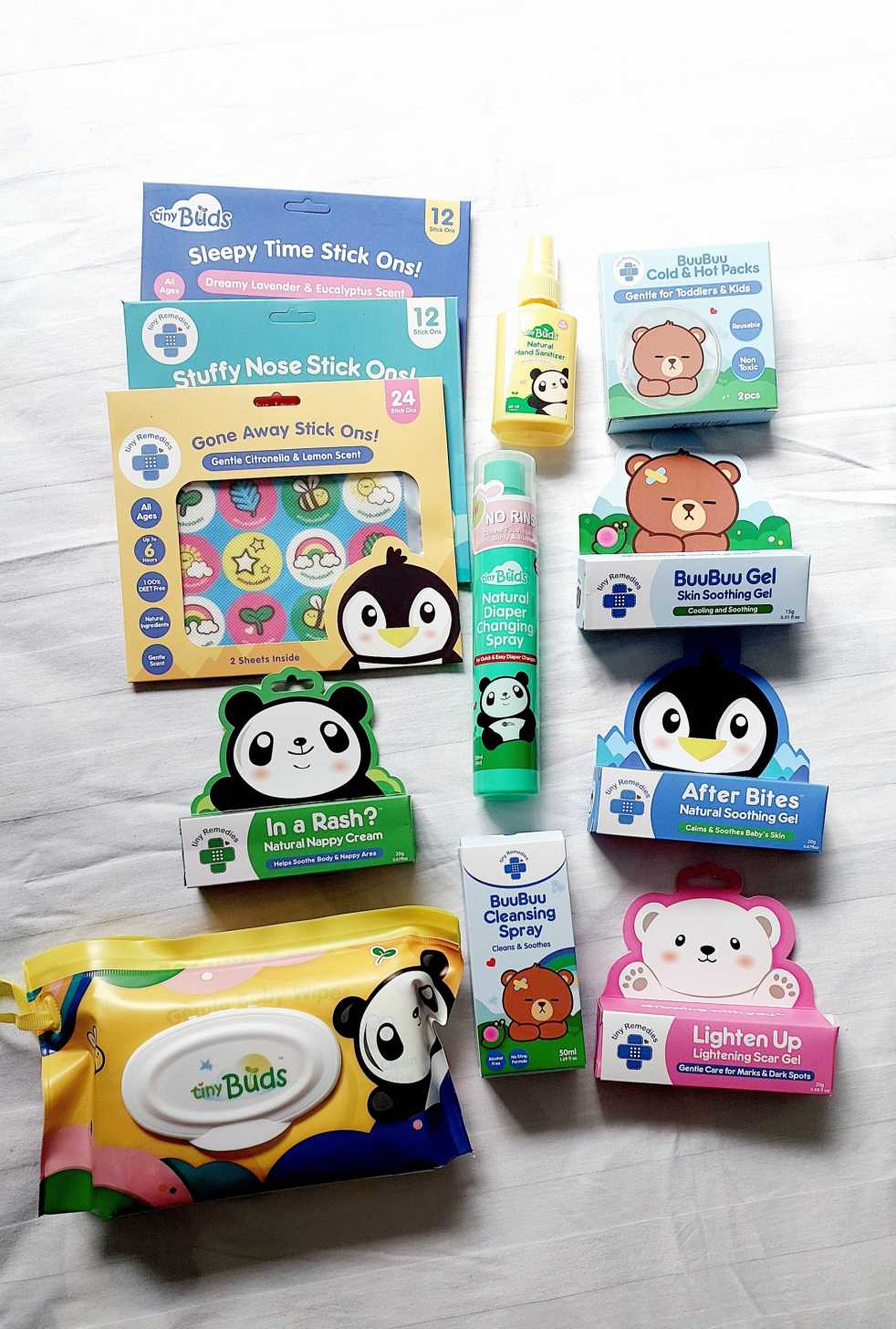
Your baby’s skin is more delicate than most, this is why you have to choose products that are designed for sensitive skin. Tiny Buds is a pioneer in integrating natural ingredients into baby care and today has over 50 innovative natural baby care essentials and is one of the Top Baby Personal Care brands. Here… Continue reading Product Review: Tiny Buds Baby Naturals Baby Essentials
Where your child goes to school is a big decision and shouldn’t be taken lightly. Given how their education can impact their future, you might be tempted to take control and decide for them. However, you might be doing more damage than helping them in the long run. Your job as parents is to support… Continue reading HOW TO CHOOSE THE BEST SCHOOL FOR YOUR CHILD
As poet and philosopher Rumi once eloquently said, “raise your words, not your voice. It is rain that grows flowers, not thunder.” Parenting is a challenging journey, and the truth is that nobody has everything figured out. One parenting style might suit others best, and some might favor other methods. However, children respond better to… Continue reading A SIMPLE GUIDE TO GENTLE PARENTING

Whether you’re a new mom to be, mom of a toddler, mom who have school-aged kids, you’re bound to have so many questions. Let's start with your baby's skin. Infant skin has unique needs; gentle care is essential to prevent damage to the skin barrier, which can lead to irritation. When caring for infant skin,… Continue reading Keeping Baby’s Diapered Skin Healthy
As parents, we want to give our child the best possible start in life and that begins with nurturing their intelligence. Throughout history, the notion of success has been linked to academic intelligence. However, there has been an increased awareness on the importance of emotional intelligence. This question gets at the heart of the never-ending… Continue reading IQ or EQ, which one is a better predictor of your child’s success?
 wondermomma.net