

Last August, IKEA Philippines engaged with Better World Smokey Mountain, a newly opened community center operated by the San Miguel Foundation, which shares a similar goal of improving the lives of many Filipino people. Through this partnership, IKEA Philippines provided and assembled home furnishings for the classrooms and library of Better World Smokey Mountain community… Continue reading Help Create a Better World with IKEA Soft Toys
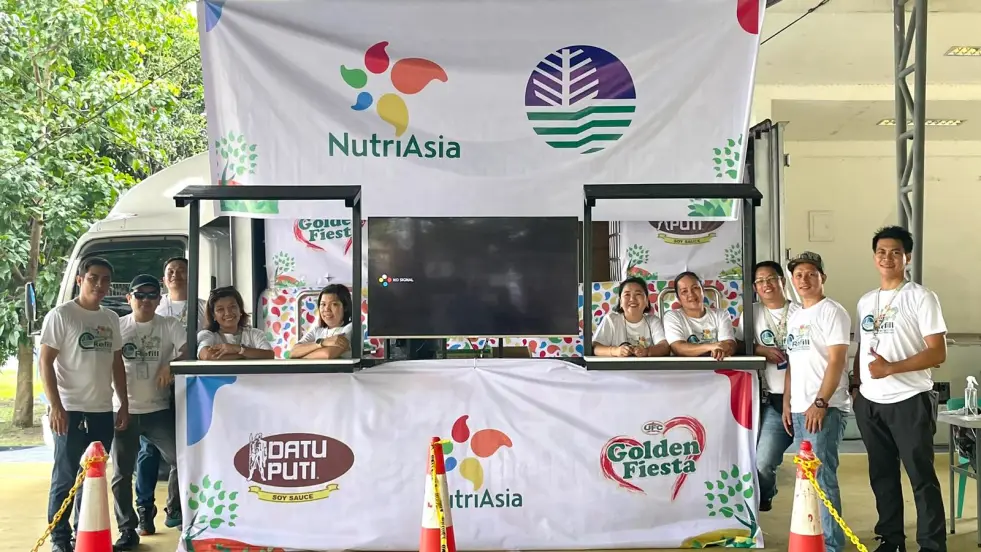
NutriAsia, the country’s top producer of condiments and sauces, continues its support of Refill Revolution; a project by the Department of Environment and Natural Resources EMB 3 that aims to help reduce Filipinos’ single-use plastics consumption. At Refill Revolution, residents get to recycle their single-use plastic bottles by reusing and filling it with their choice… Continue reading NutriAsia and DENR renews partnership for Refill Revolution

A Calm Morning Routine for Preschoolers
Mornings with a preschooler can shift from cuddles to chaos in a matter of minutes. A child who happily chose clothes the night before may refuse to get dressed, reject breakfast, or become upset when it is time to leave for childcare or kinder. These moments are common, especially when young children are still learning about time, transitions and independence.
A reliable morning rhythm does not need to be rigid or perfectly timed. It should give your child a familiar sequence, small choices and enough space to practise everyday skills. With a few thoughtful adjustments, families can create calmer starts that work for real Australian mornings, from a quick school drop-off in Sydney to an early childcare commute in regional Queensland.
Start With A Realistic Rhythm
A useful preschool morning routine begins with the family’s actual schedule rather than an idealised version of it. Work backwards from the time you need to leave the house. Allow time for waking slowly, using the toilet, getting dressed, eating, brushing teeth and finding shoes. Add a small buffer for the inevitable missing toy or last-minute toilet visit.
Preschoolers generally manage better when the order stays consistent, even if the clock time changes. For example, the sequence might be wake up, toilet, get dressed, eat breakfast, brush teeth, pack the bag and leave. On weekends, the pace can be looser, but keeping several familiar steps helps children understand what comes next.
Sleep has a strong effect on cooperation. Many preschool-aged children need around 10 to 13 hours of sleep across a 24-hour period, including naps for some children. If mornings are regularly difficult, check whether bedtime is too late, the bedroom is too bright, or screen use is making it harder to settle. A calmer evening often does more for the morning than repeated reminders at breakfast.
Use Predictable Cues And Simple Choices
Young children do not always understand abstract instructions such as “We need to leave in ten minutes.” Concrete cues are easier to follow. A visual schedule with simple pictures can show the morning steps without relying on repeated verbal prompts. Use photographs, drawings or printed icons, and place them at your child’s eye level.
A timer can also make transitions less surprising. Give a gentle warning before a change: “Two more minutes of blocks, then it is time to put on your clothes.” When the timer rings, calmly point to the next picture. A visual timer, kitchen timer or phone alarm can work, although a screen-free option may keep the morning less distracting.
Offer limited choices to support independence without opening a negotiation about everything. Try, “Would you like the red shirt or the green shirt?” or “Do you want to brush your teeth before or after your story?” Two acceptable options are enough. If your child refuses both, acknowledge the feeling and hold the boundary: “You do not want to get dressed. It is time to get ready, and I will help you choose.”
Build Independence In Small Steps
Preschool children often want to do things for themselves, but dressing, packing and personal care still require practice. Give one task at a time and allow extra minutes when possible. A low hook for a jacket, an open basket for shoes and a small step stool near the bathroom can make the environment easier to use independently.
Teach skills outside the rushed morning period. Practise putting on a hat after play, opening a lunchbox at home, or fastening a simple bag zip on a quiet afternoon. Some children need clothing with elastic waists, wide necks or minimal fasteners while they build confidence. Treat effort as progress rather than expecting a perfectly tidy result.
Gentle parenting works best when warmth and limits appear together. Instead of shaming a child for being slow, describe the situation and offer help: “Your sock is tricky. You can try first, then I will help.” If a child becomes overwhelmed, reduce the number of words, move closer and guide the next action. Connection does not mean removing every limit; it means helping a child cope with necessary ones.
Make Breakfast And Leaving Easier
Breakfast should be nourishing, familiar and manageable. Many families find it helpful to rotate a few dependable options, such as porridge, yoghurt and fruit, toast with egg, or wholegrain cereal. A preschooler may eat more reliably when food is served in small portions, with the option of having more. Keep water available, particularly during warmer Australian months.
Avoid turning breakfast into a long battle. A child can decide whether to eat from the food offered, while the adult decides what is served and when the meal ends. If your preschooler is not hungry immediately after waking, offer a small breakfast and pack a suitable snack according to childcare or kindergarten policies. Check allergy rules before sending food, as many Australian services have strict restrictions.
Prepare practical details the night before. Put bags by the door, check the weather, fill drink bottles and place sunscreen, hats and shoes where they can be found. In Australia, sun protection is part of many childcare and kinder routines, especially in summer. Keep a broad-brimmed hat and child-safe sunscreen ready, and allow enough time for sunscreen to absorb before rushing outside.
Leaving can be the hardest transition because it ends play and separates children from parents. Use a consistent goodbye ritual, such as one cuddle, one phrase and a wave at the gate. At a Melbourne kinder, a Brisbane childcare centre or a Sydney school, a brief predictable farewell may be easier for a child than a long departure filled with repeated promises.
Adjust The Plan For Real Life
No routine survives every morning unchanged. Illness, poor sleep, wet weather, traffic and sibling needs can all affect the pace. A flexible plan includes a “minimum morning” for difficult days: toilet, clothes, food, teeth, shoes and bag. Everything else can wait. This prevents a missed story or untidy bedroom from becoming a major family conflict.
Use the same calm language when plans change. “Today we are taking the tram, so we need to leave earlier,” gives useful information without creating alarm. Families driving to a regional school may need to account for longer distances, while households in inner-city areas may need extra time for prams, public transport or a busy pedestrian crossing.
A routine should be reviewed when it repeatedly causes stress. Perhaps breakfast is too late, the clothing choices are overwhelming, or the bag is difficult for a child to carry. Ask what can be moved to the previous evening and what the child can reasonably manage. The goal is a dependable rhythm that supports the whole household, rather than a performance of perfect organisation.
| Morning step | Child-friendly support | Adult preparation |
|---|---|---|
| Wake and toilet | Use the same greeting and bathroom cue | Open curtains and keep the first instruction simple |
| Get dressed | Offer two weather-appropriate outfits | Choose clothes without difficult fasteners |
| Breakfast | Serve a familiar food in a small portion | Check childcare food rules and pack a safe snack |
| Teeth and sun protection | Use a short song or sand timer | Keep toothbrush, sunscreen and hat together |
| Bag and shoes | Let the child carry or pack one item | Place bags, shoes and keys near the exit |
| Goodbye | Follow the same short farewell ritual | Tell educators about unusual sleep or mood |
For Australian families, the routine can also reflect the day’s conditions. On very hot days, move outdoor play earlier and offer water before leaving. During winter in Tasmania or Victoria, set out warm layers the night before. In wet weather, keep a spare change of clothes in the childcare bag. Small preparations like these protect the rhythm when the environment changes.
The most effective routine is one your preschooler can recognise and gradually participate in. It may take several weeks for a new sequence to feel natural, and some mornings will still be messy. Consistent cues, respectful boundaries, practical preparation and realistic expectations give children the security to move through the morning with growing confidence.

Mercato Centrale, in collaboration with Indian Women in Enterprise Philippines (I-We), is set to host "The Great Indian Fiesta" to mark 75 years of friendship between India and the Philippines. The dynamic two-day event is scheduled to take place on September 30 to October 1, 2023, at Paseo De Roxas Street, Makati City. Aiming to… Continue reading Mercato Centrale Partners with I-We to Host ‘The Great Indian Fiesta’, Commemorating 75 Years of India-Philippines Friendship

My stomach would usually start growling at 10 am even after taking a big breakfast. This is probably because I am a morning person and I move a lot throughout the day hence snacking is something that I can't avoid. This potatoes and chicken wrap recipe is easy to prepare and would keep me full… Continue reading Potato and Chicken Wrap
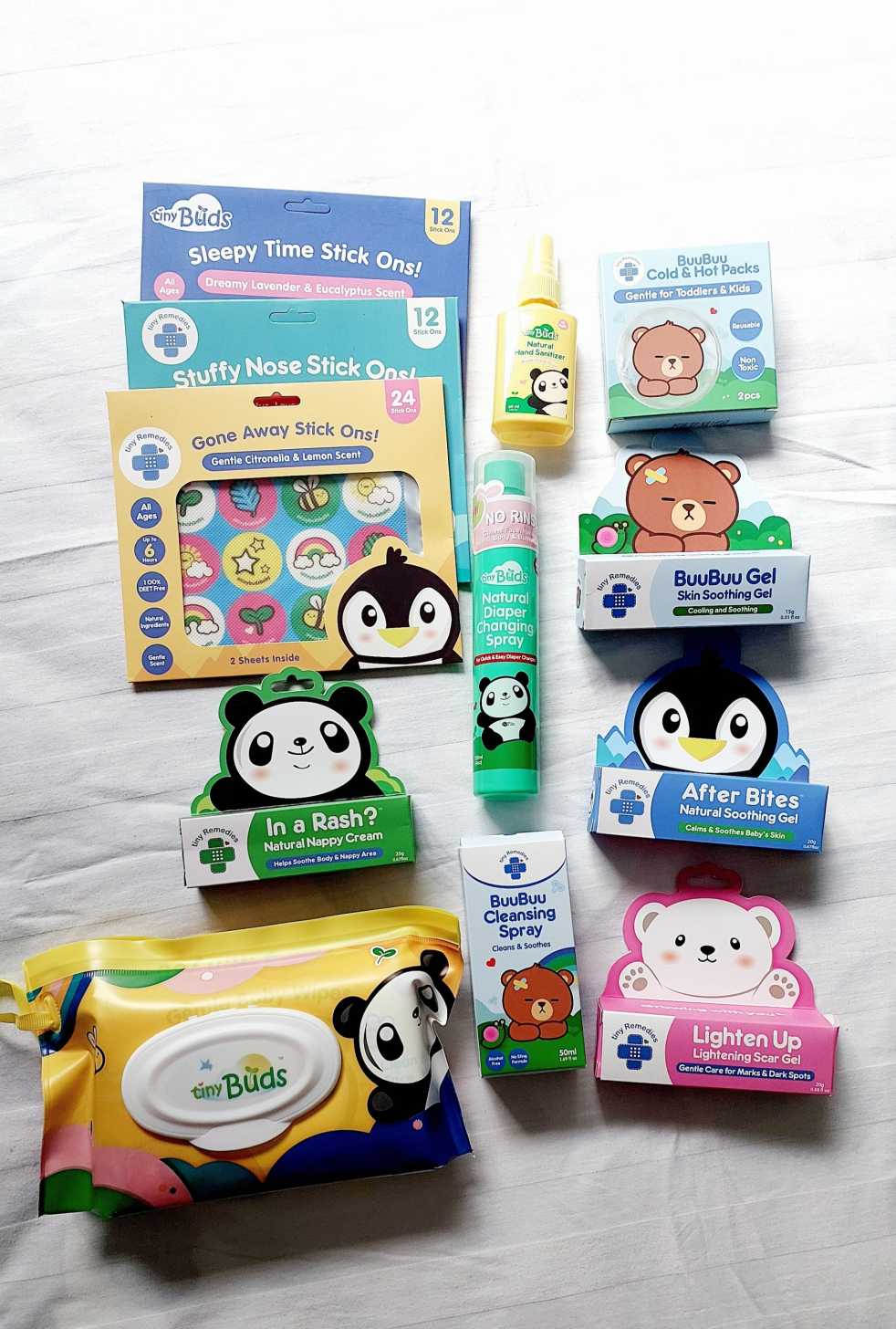
Your baby’s skin is more delicate than most, this is why you have to choose products that are designed for sensitive skin. Tiny Buds is a pioneer in integrating natural ingredients into baby care and today has over 50 innovative natural baby care essentials and is one of the Top Baby Personal Care brands. Here… Continue reading Product Review: Tiny Buds Baby Naturals Baby Essentials
Where your child goes to school is a big decision and shouldn’t be taken lightly. Given how their education can impact their future, you might be tempted to take control and decide for them. However, you might be doing more damage than helping them in the long run. Your job as parents is to support… Continue reading HOW TO CHOOSE THE BEST SCHOOL FOR YOUR CHILD
As poet and philosopher Rumi once eloquently said, “raise your words, not your voice. It is rain that grows flowers, not thunder.” Parenting is a challenging journey, and the truth is that nobody has everything figured out. One parenting style might suit others best, and some might favor other methods. However, children respond better to… Continue reading A SIMPLE GUIDE TO GENTLE PARENTING

Whether you’re a new mom to be, mom of a toddler, mom who have school-aged kids, you’re bound to have so many questions. Let's start with your baby's skin. Infant skin has unique needs; gentle care is essential to prevent damage to the skin barrier, which can lead to irritation. When caring for infant skin,… Continue reading Keeping Baby’s Diapered Skin Healthy
As parents, we want to give our child the best possible start in life and that begins with nurturing their intelligence. Throughout history, the notion of success has been linked to academic intelligence. However, there has been an increased awareness on the importance of emotional intelligence. This question gets at the heart of the never-ending… Continue reading IQ or EQ, which one is a better predictor of your child’s success?
 wondermomma.net