

Last August, IKEA Philippines engaged with Better World Smokey Mountain, a newly opened community center operated by the San Miguel Foundation, which shares a similar goal of improving the lives of many Filipino people. Through this partnership, IKEA Philippines provided and assembled home furnishings for the classrooms and library of Better World Smokey Mountain community… Continue reading Help Create a Better World with IKEA Soft Toys
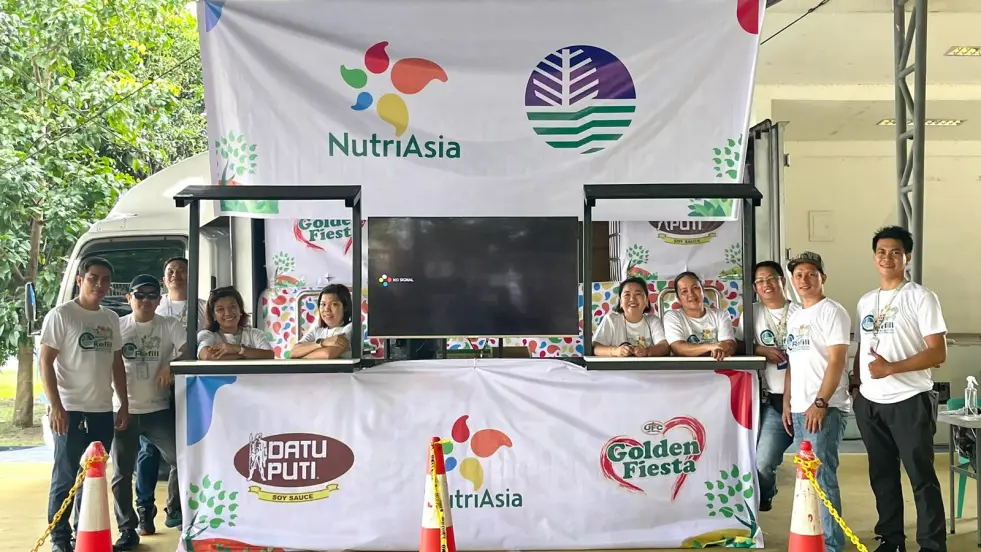
NutriAsia, the country’s top producer of condiments and sauces, continues its support of Refill Revolution; a project by the Department of Environment and Natural Resources EMB 3 that aims to help reduce Filipinos’ single-use plastics consumption. At Refill Revolution, residents get to recycle their single-use plastic bottles by reusing and filling it with their choice… Continue reading NutriAsia and DENR renews partnership for Refill Revolution

Building a Morning Routine That Helps Special Needs Kids Thrive
For many Australian families, the first hour after the alarm goes off sets the tone for the entire day. When a child navigates autism, ADHD, sensory processing differences or other neurodivergent profiles, that window can feel less like a soft launch and more like defusing a small bomb. Meltdowns over socks, refusal to brush teeth, or a sudden shutdown at breakfast are not signs of bad parenting. They are signals that the brain is being asked to juggle too many transitions at once.
A thoughtful start-of-day rhythm gives neurodivergent kids a predictable scaffold, and it gives parents back a measure of calm. With the right supports — many of which are funded through the National Disability Insurance Scheme, Medicare rebates or local early childhood centres — the morning can become one of the more grounded parts of the family week.
Why predictability reduces morning stress for neurodivergent kids
Executive function is the part of the brain that plans, switches tasks and holds information long enough to act on it. For many kids with autism, ADHD or developmental differences, this system is still under construction well past the toddler years. Asking a child to wake, get dressed, eat brekkie, pack a bag and walk out the door in ninety minutes is essentially asking them to run a marathon in slippers. A reliable rhythm lowers the cognitive load because each step follows the last without negotiation.
There is also a sensory layer. The hum of the bathroom fan, the scratch of a school uniform tag, the brightness of a kitchen light at six in the morning — none of these bother most adults, but for a child with sensory sensitivities they can feel like a wall. When the order of events is predictable, the nervous system gets a head start on bracing for what is coming, which often reduces the emotional outbursts that follow surprise inputs.
Australian families also contend with daylight saving shifts that yank the start of the day forward or backward by an hour, and with school terms that begin in late January or early February. Building the routine around these calendar realities — rather than around an idealised eight o'clock — makes it easier to keep the rhythm consistent across the year.
Designing the night-before prep that saves the morning
The biggest gift parents can give themselves is moving as much decision-making as possible to the night before. Laying out clothes, packing the school bag, prepping the lunchbox and setting out breakfast options means the morning brain of both parent and child has fewer problems to solve. For kids who crave control over small choices, offering two acceptable outfits the evening prior can prevent the wardrobe standoff entirely.
Sensory considerations matter here too. In a Brisbane summer, mornings already begin warm and humid, so breathable cotton uniforms and a sun-smart hat placed by the door remove one more hurdle. In Melbourne, where the weather can swing from icy to mild within a week, keeping a light layer accessible lets the child self-regulate without a wardrobe change. Sunscreen applied the night before is not a substitute for fresh application, but a hat left in the same spot every evening becomes a tactile cue that school is next.
Parents can also think about food. Some neurodivergent kids eat the same thing for brekkie every day for years, and that is fine. Pre-portioned cereal, a smoothie pack in the freezer, or a row of toast soldiers waiting in a low drawer lets the child feed themselves with minimal verbal prompting. Independence in the morning frees the parent to handle the sibling, the dog, or the inevitable lost shoe.
Visual schedules and sensory-friendly cues
Words spoken at six in the morning rarely land. A visual schedule, however, is hard to ignore and impossible to argue with. Picture cards taped along the hallway — wake up, toilet, brush teeth, get dressed, eat, bag, shoes, out — give a child something concrete to track. When each card is flipped over or moved to a "done" pocket, the small hit of completion becomes part of the routine itself.
Timers help children who struggle with the concept of "five more minutes". A visual countdown clock, a Time Timer, or even a sand timer in the bathroom makes the abstract idea of time into something they can watch disappear. Pairing this with a gentle auditory cue, such as a song that plays during the getting-dressed phase, gives the child two channels of information at once.
Many Australian schools now have integration aides, special education staff or learning support coordinators who are happy to mirror the home schedule in the classroom. Sharing a copy of the visual cards with the teacher before the term starts means the child walks into school already knowing what is expected. Raising Children Network and Autism Spectrum Australia both publish free templates that families can adapt, and an occupational therapist funded through an NDIS plan can fine-tune the design to match a child's specific sensory profile.
Working with allied health and the school team
No parent needs to design the morning rhythm alone. Paediatricians, speech pathologists, occupational therapists and psychologists all play a role, and most Australian families can access at least some of these through Medicare's Chronic Disease Management plan or through NDIS funding if the child meets eligibility. A short letter from the OT describing the ideal start-of-day sequence — including sensory breaks, transition warnings and language phrasing — becomes a useful reference when the routine starts to wobble.
Communication with the school matters just as much as communication with the therapists. A quick email on Sunday evening confirming the week's pick-up arrangements, or a note in the school diary about a particularly hard morning, helps the teacher prepare. Australian schools are required to make reasonable adjustments under the Disability Discrimination Act, and a consistent morning routine is one of the easiest ways to set the child up to access learning once they arrive.
Carer fatigue is real, and the morning is usually where it shows first. Local playgroups, autism-specific coffee catch-ups and respite programs listed on the Carer Gateway can give parents a soft place to land when the rhythm feels impossible. Asking for help is not a failure of routine design — it is part of sustaining one.
Adjusting the routine as your child grows
A schedule that worked at three will not work at eight, and the one that works at eight will need reshaping again at thirteen. The skill is not building the perfect routine, but building one that is easy to revise. Every few months, sit down with your child — or with their therapist — and ask what is still landing, what feels too rigid, and what needs to change.
Some helpful tools and tweaks worth trying:
- A magnetic whiteboard that the child can rearrange themselves, giving a sense of ownership over the order of events
- A "first-then" card that frames a less-preferred task, like hair brushing, in front of a preferred one, like reading a comic in the car
- A small reward at the end of the week, such as a trip to the local pool or a family board-game arvo, that ties the daily effort to something bigger
- A "reset" button on the schedule for unexpected hard days, where the visual plan shrinks to just two or three non-negotiable steps
It also helps to know the warning signs that a routine needs reworking rather than reinforcing:
- Morning meltdowns lasting longer than ten minutes or happening more than three times a week
- New sensory refusals that were not present the previous term
- School staff reporting that the home routine does not match the classroom one
- A drop in the child's appetite or sleep, which often shows up first in the AM
Different approaches suit different ages and profiles, and a quick comparison can help families decide where to start.
| Approach | Best for ages | Strengths | Things to watch |
|---|---|---|---|
| Picture card schedule | 3 to 7 | Visual, tactile, easy to update with Velcro cards | Cards can become a fixation if changes are not modelled |
| Written checklist | 7 to 12 | Builds literacy and independence | Less effective for kids who struggle with reading under pressure |
| Timed block system | 10 and up | Builds time awareness for older kids | Can feel stressful for kids who dislike clock-watching |
| Hybrid sensory plus visual | Any age | Matches the child's specific sensory profile | Requires OT input to design well |
The morning will not always be smooth, and there will be days when the routine falls apart before it starts. What matters is that the family has a default rhythm to return to, a team around the child, and the willingness to reshape the plan when life — or a Melbourne cold snap, or a Brisbane heatwave, or a new school year — demands it.

Mercato Centrale, in collaboration with Indian Women in Enterprise Philippines (I-We), is set to host "The Great Indian Fiesta" to mark 75 years of friendship between India and the Philippines. The dynamic two-day event is scheduled to take place on September 30 to October 1, 2023, at Paseo De Roxas Street, Makati City. Aiming to… Continue reading Mercato Centrale Partners with I-We to Host ‘The Great Indian Fiesta’, Commemorating 75 Years of India-Philippines Friendship

My stomach would usually start growling at 10 am even after taking a big breakfast. This is probably because I am a morning person and I move a lot throughout the day hence snacking is something that I can't avoid. This potatoes and chicken wrap recipe is easy to prepare and would keep me full… Continue reading Potato and Chicken Wrap
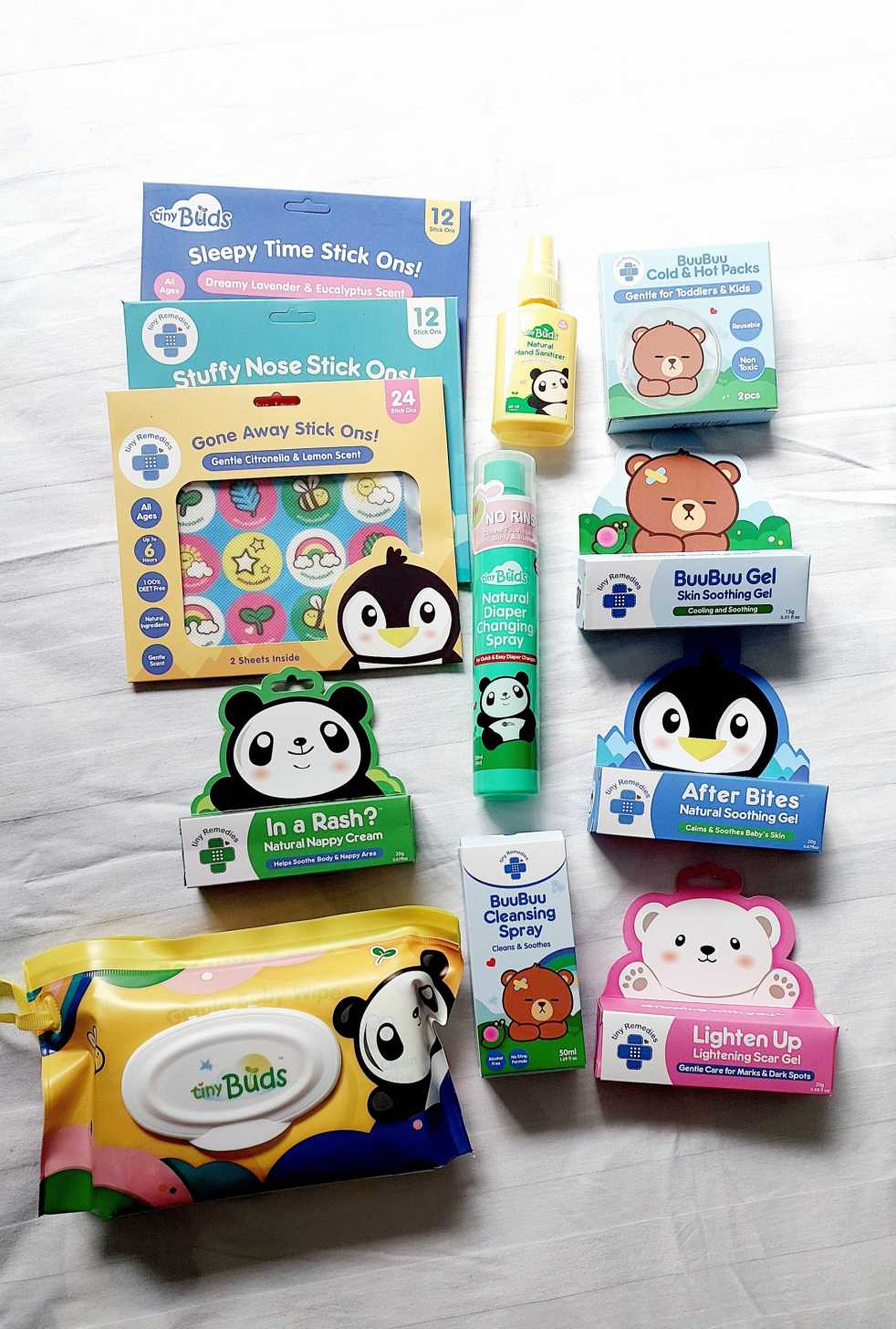
Your baby’s skin is more delicate than most, this is why you have to choose products that are designed for sensitive skin. Tiny Buds is a pioneer in integrating natural ingredients into baby care and today has over 50 innovative natural baby care essentials and is one of the Top Baby Personal Care brands. Here… Continue reading Product Review: Tiny Buds Baby Naturals Baby Essentials
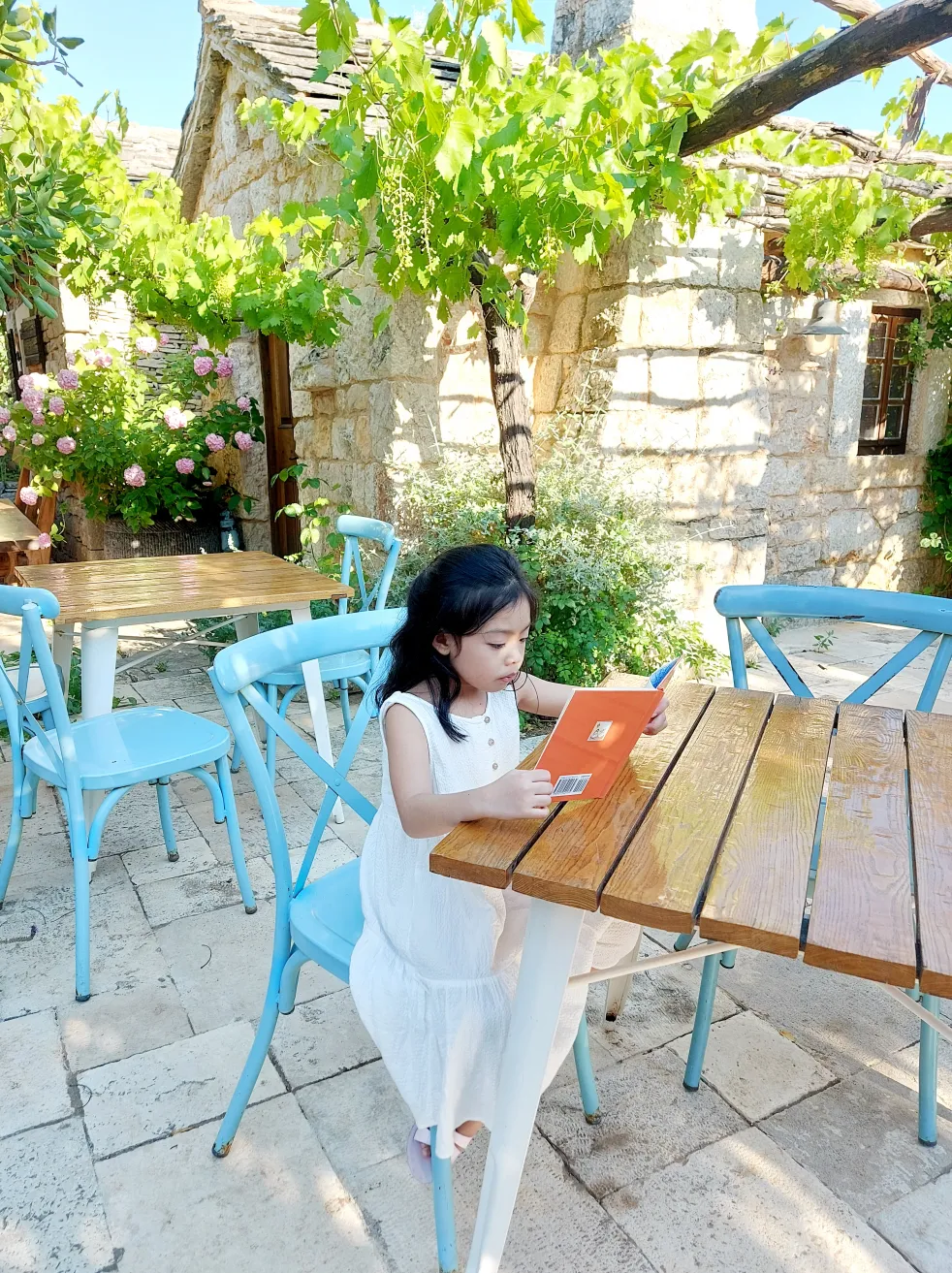
Where your child goes to school is a big decision and shouldn’t be taken lightly. Given how their education can impact their future, you might be tempted to take control and decide for them. However, you might be doing more damage than helping them in the long run. Your job as parents is to support… Continue reading HOW TO CHOOSE THE BEST SCHOOL FOR YOUR CHILD

As poet and philosopher Rumi once eloquently said, “raise your words, not your voice. It is rain that grows flowers, not thunder.” Parenting is a challenging journey, and the truth is that nobody has everything figured out. One parenting style might suit others best, and some might favor other methods. However, children respond better to… Continue reading A SIMPLE GUIDE TO GENTLE PARENTING

Whether you’re a new mom to be, mom of a toddler, mom who have school-aged kids, you’re bound to have so many questions. Let's start with your baby's skin. Infant skin has unique needs; gentle care is essential to prevent damage to the skin barrier, which can lead to irritation. When caring for infant skin,… Continue reading Keeping Baby’s Diapered Skin Healthy
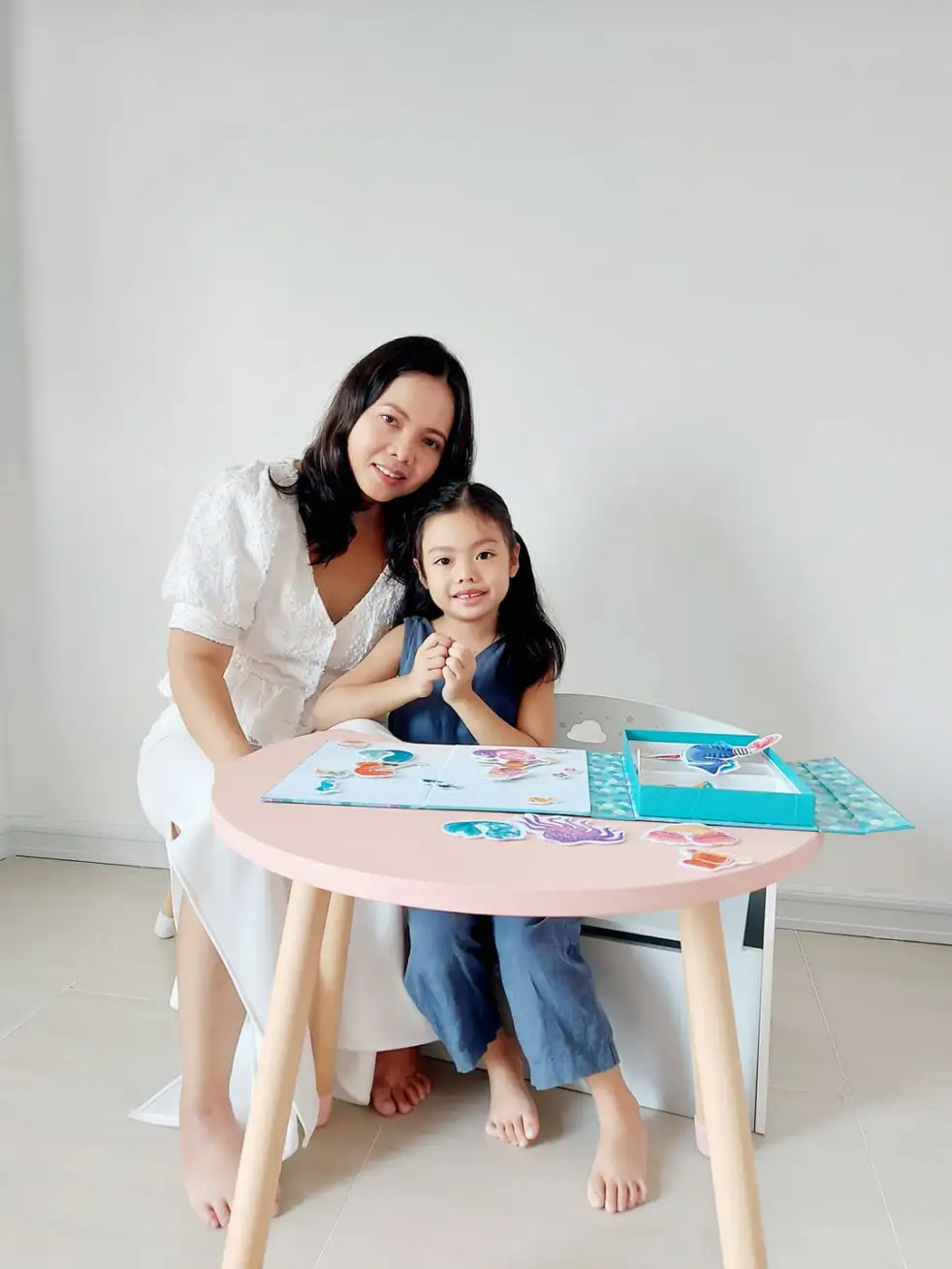
As parents, we want to give our child the best possible start in life and that begins with nurturing their intelligence. Throughout history, the notion of success has been linked to academic intelligence. However, there has been an increased awareness on the importance of emotional intelligence. This question gets at the heart of the never-ending… Continue reading IQ or EQ, which one is a better predictor of your child’s success?
 wondermomma.net