

Last August, IKEA Philippines engaged with Better World Smokey Mountain, a newly opened community center operated by the San Miguel Foundation, which shares a similar goal of improving the lives of many Filipino people. Through this partnership, IKEA Philippines provided and assembled home furnishings for the classrooms and library of Better World Smokey Mountain community… Continue reading Help Create a Better World with IKEA Soft Toys

NutriAsia, the country’s top producer of condiments and sauces, continues its support of Refill Revolution; a project by the Department of Environment and Natural Resources EMB 3 that aims to help reduce Filipinos’ single-use plastics consumption. At Refill Revolution, residents get to recycle their single-use plastic bottles by reusing and filling it with their choice… Continue reading NutriAsia and DENR renews partnership for Refill Revolution

Building a daily routine for your stay-at-home mom life
Life at home with children rarely follows a perfect schedule. Nap times shift, breakfast may take longer than expected, and a simple grocery run can turn into a full morning adventure. A helpful routine does not need to control every minute. It should give your family a dependable rhythm while leaving room for real-life changes.
For a stay-at-home mom, daily planning is also about balancing childcare, household responsibilities, personal care, and meaningful connection. When everything feels urgent, even a basic sequence for mornings, meals, play, and bedtime can reduce decision fatigue and make the day feel more manageable.
The best home routine is gentle, flexible, and suited to your child’s age and temperament. It can support early learning, encourage independence, and create calmer transitions without turning family life into a checklist.
Begin with a few daily anchors
Start by choosing three or four events that already happen most days. These might include waking up, breakfast, lunch, nap time, schoolwork, outdoor play, dinner, bath, and bedtime. These “anchors” provide structure without requiring an exact timetable.
For example, breakfast can signal the beginning of the day, lunch can create a natural midday pause, and a bedtime routine can help your child prepare for sleep. Once these moments are consistent, you can place other activities around them. This approach works well for babies, toddlers, preschoolers, and homes with children of different ages.
Keep your first version simple. A routine with too many steps may become stressful when your child is tired or when an unexpected appointment comes up. Focus on what your family needs most rather than copying another parent’s schedule.
Match the rhythm to your household
A routine should reflect your child’s sleep needs, energy levels, feeding patterns, and developmental stage. Babies may need a flexible cycle of feeding, rest, and play, while preschoolers often respond well to predictable blocks for creative play, movement, quiet time, and meals.
Your own energy matters, too. If you are most alert in the morning, use that time for errands, meal preparation, or activities that require concentration. Save lighter chores for the afternoon. In the Philippines, this may mean planning outdoor play during cooler hours and keeping children indoors during the hottest part of the day.
Think in broad blocks instead of precise times. “Morning activities” can include breakfast, getting dressed, and play. “Midday reset” can cover lunch, cleanup, and rest. Broad time windows help you stay consistent without feeling that the whole day has failed because one activity ran late.
Use flexible structure instead of a rigid timetable
A flexible daily rhythm gives children reassurance while allowing you to respond to real needs. The comparison below shows how the two approaches differ:
| Flexible daily rhythm | Rigid timetable |
|---|---|
| Uses broad time blocks | Assigns exact times to every task |
| Allows changes for sleep, illness, or appointments | Can feel disrupted when plans change |
| Focuses on sequence and familiar cues | Focuses on completing every item |
| Supports independence through repeated habits | May create pressure for parent and child |
| Leaves room for play and connection | Can reduce unplanned family time |
Visual cues can make the rhythm easier for young children to understand. A simple chart with pictures for breakfast, dressing, play, lunch, rest, and bath time can help a toddler know what comes next. Older children may enjoy checking off tasks or helping arrange the day’s activities.
Transitions are often harder than the activities themselves. Give a brief warning before cleanup, use the same phrase before leaving the house, or sing a short song before washing hands. These small signals help children move from one part of the day to another with less resistance.
Share responsibilities at home
Staying home with children does not mean you must manage every household task alone. Include age-appropriate chores as part of the family rhythm. A toddler can place toys in a basket, a preschooler can put dirty clothes in a hamper, and an older child can help set the table or sort laundry.
Assign household tasks to specific parts of the day. A quick kitchen reset after breakfast, a toy pickup before lunch, and a short evening tidy can prevent mess from becoming overwhelming. Keep the tasks brief and realistic. Young children learn through participation, even when the result is not perfect.
It also helps to distinguish essential work from optional work. Feeding the family, maintaining basic hygiene, and ensuring a safe home come first. Deep cleaning, elaborate meals, and perfectly organised cupboards can wait for a less demanding day.
Protect space for connection and self-care
A productive routine should include time when you are present with your child, rather than moving from one chore to the next. Read together, talk during meals, involve your child in cooking, or spend ten minutes on floor play without checking your phone. These ordinary moments support language, emotional development, and attachment.
Self-care also belongs in the daily plan. It does not have to be a long spa session or an uninterrupted morning. Drink water after preparing breakfast, eat a proper lunch, take a short shower, stretch while your child plays, or sit quietly for a few minutes during nap time. Small acts of care can help you recover energy throughout the day.
If another adult is available, make the support specific. Instead of saying you need help, agree that they will handle bath time, bedtime dishes, or the first hour with the children on weekends. Clear responsibilities make shared parenting and household management easier to maintain.
Create routines around meals and learning
Regular meals and snacks can help children recognise the flow of the day. Offer familiar foods alongside new ones, keep mealtimes reasonably consistent, and involve children in safe preparation. Simple family recipes, fruit washing, or arranging ingredients can turn meal preparation into a practical learning activity.
Home learning does not need to look like a formal classroom. Counting socks, reading a story, watering plants, drawing, sorting household objects, and talking about feelings all support child development. For preschoolers, a short activity followed by movement or free play is often more effective than a long lesson.
Keep screen use, creative activities, active play, and quiet time in balance. A daily routine can include educational content, but children also need opportunities to explore without a fixed outcome. Unstructured play encourages imagination and gives you a natural break from leading every activity.
Prepare for difficult days
Even a thoughtful schedule will change when a child is sick, a parent is exhausted, or an appointment takes longer than expected. Create a “minimum day” version of your routine for these moments. It might include simple meals, medication or comfort care when needed, basic cleanup, quiet play, and an early bedtime.
Keep a small collection of low-effort activities ready. Board books, washable crayons, blocks, puzzles, music, and safe kitchen play can help occupy children while you rest or complete an essential task. Preparing these items in advance removes the pressure to invent entertainment when you are already tired.
Expect your routine to change as your children grow. A baby’s nap pattern, a toddler’s growing independence, and a school-age child’s homework needs will all affect the shape of your day. Review the routine every few weeks and adjust one part at a time rather than rebuilding everything at once.
Practical habits that make the routine easier
- Prepare breakfast ingredients, clothes, and school or outing supplies the night before.
- Keep a visible family calendar for appointments, errands, activities, and special events.
- Use short transition warnings before meals, cleanup, screen-free time, and bedtime.
- Plan one simple meal or leftover night for busy days.
- Choose one daily task that can be left unfinished without harming the household.
A routine is successful when it supports your family, not when every item is completed perfectly. Some days will be organised, while others will be slow, noisy, or completely different from the plan. Returning to familiar anchors can help everyone regain a sense of calm.
Choose a few habits that feel realistic this week, write them where the family can see them, and practise them without demanding perfection. With time, your daily rhythm can become a dependable foundation for connection, learning, rest, and a more peaceful stay-at-home mom life.

Mercato Centrale, in collaboration with Indian Women in Enterprise Philippines (I-We), is set to host "The Great Indian Fiesta" to mark 75 years of friendship between India and the Philippines. The dynamic two-day event is scheduled to take place on September 30 to October 1, 2023, at Paseo De Roxas Street, Makati City. Aiming to… Continue reading Mercato Centrale Partners with I-We to Host ‘The Great Indian Fiesta’, Commemorating 75 Years of India-Philippines Friendship

My stomach would usually start growling at 10 am even after taking a big breakfast. This is probably because I am a morning person and I move a lot throughout the day hence snacking is something that I can't avoid. This potatoes and chicken wrap recipe is easy to prepare and would keep me full… Continue reading Potato and Chicken Wrap
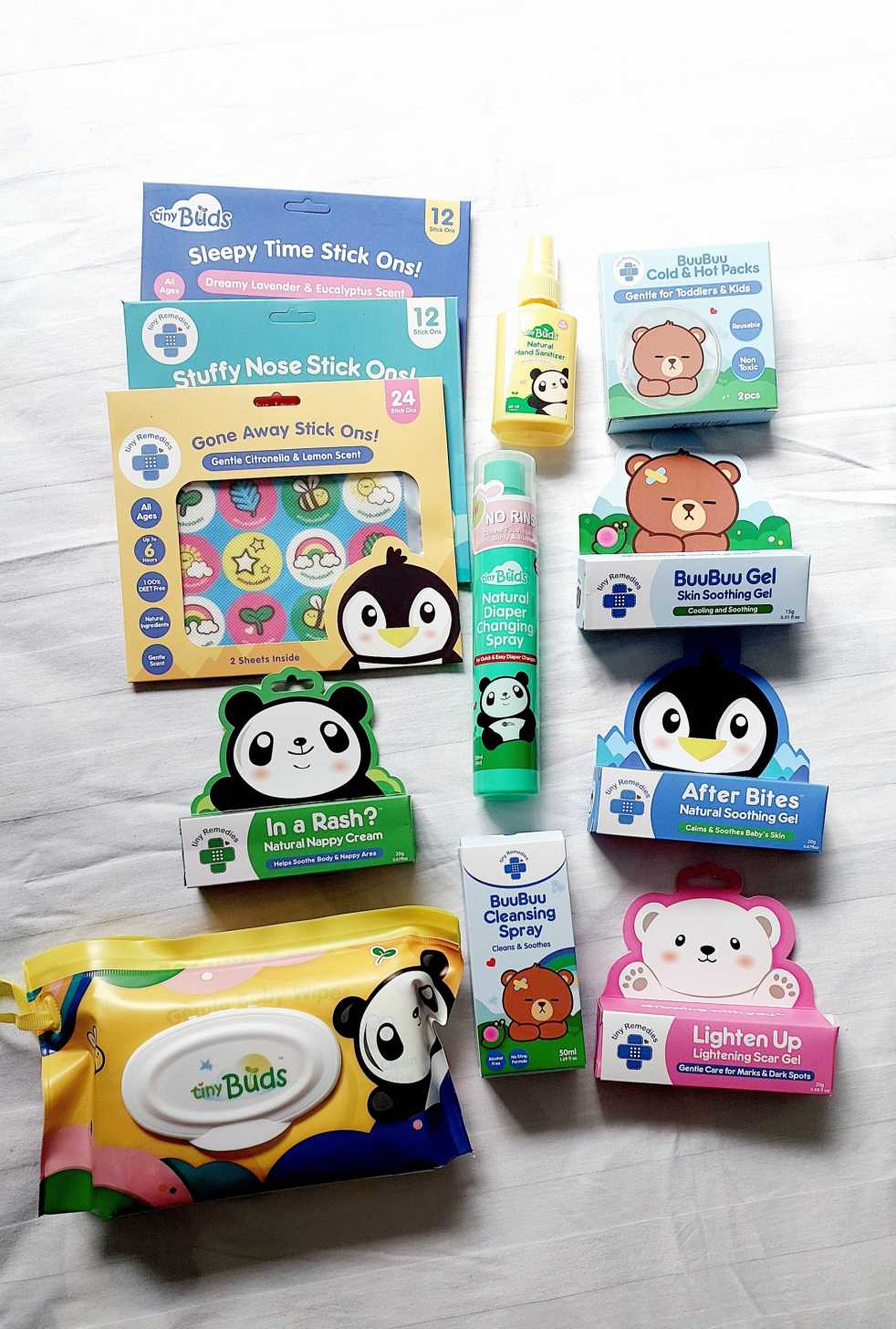
Your baby’s skin is more delicate than most, this is why you have to choose products that are designed for sensitive skin. Tiny Buds is a pioneer in integrating natural ingredients into baby care and today has over 50 innovative natural baby care essentials and is one of the Top Baby Personal Care brands. Here… Continue reading Product Review: Tiny Buds Baby Naturals Baby Essentials
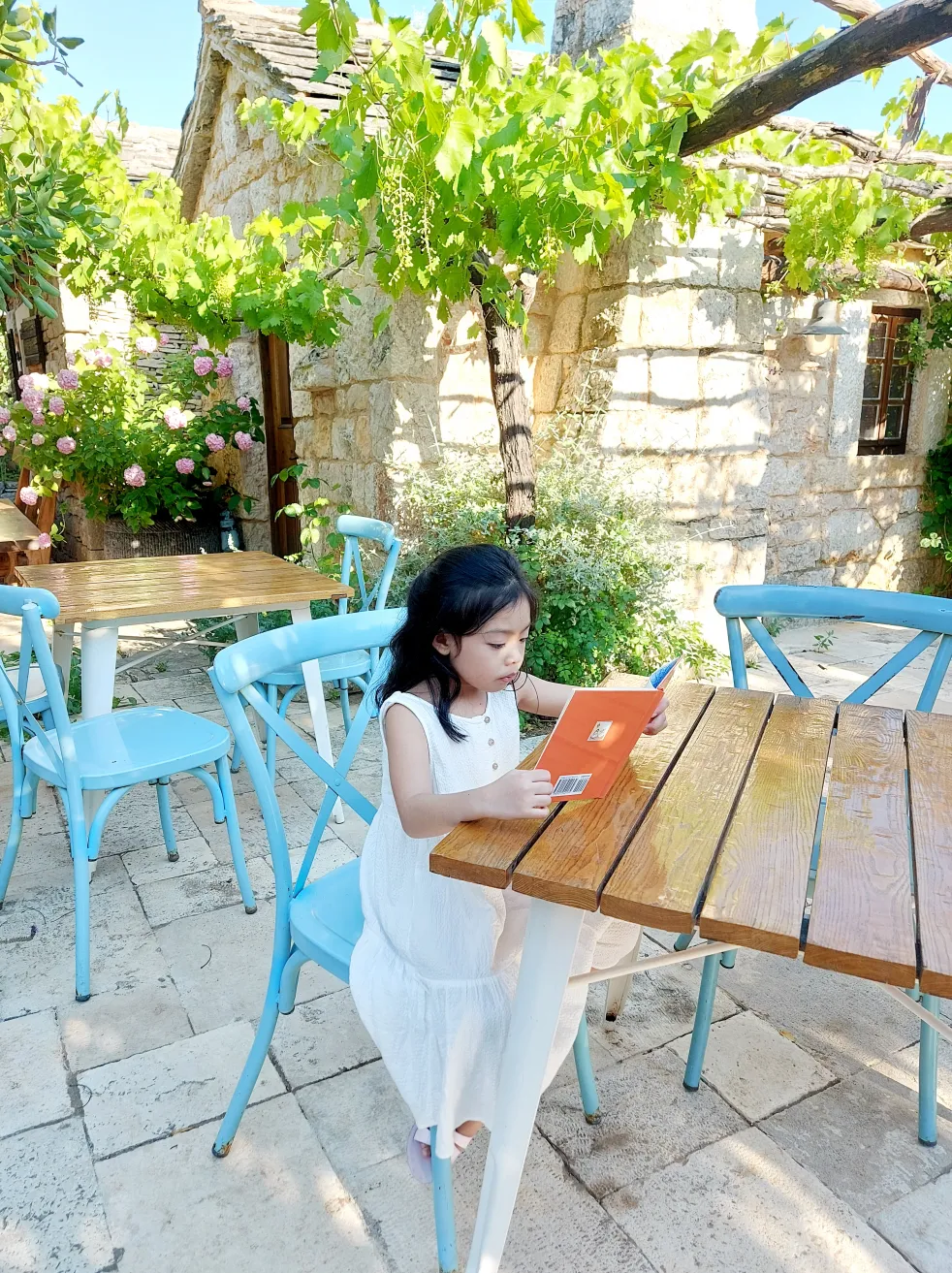
Where your child goes to school is a big decision and shouldn’t be taken lightly. Given how their education can impact their future, you might be tempted to take control and decide for them. However, you might be doing more damage than helping them in the long run. Your job as parents is to support… Continue reading HOW TO CHOOSE THE BEST SCHOOL FOR YOUR CHILD

As poet and philosopher Rumi once eloquently said, “raise your words, not your voice. It is rain that grows flowers, not thunder.” Parenting is a challenging journey, and the truth is that nobody has everything figured out. One parenting style might suit others best, and some might favor other methods. However, children respond better to… Continue reading A SIMPLE GUIDE TO GENTLE PARENTING

Whether you’re a new mom to be, mom of a toddler, mom who have school-aged kids, you’re bound to have so many questions. Let's start with your baby's skin. Infant skin has unique needs; gentle care is essential to prevent damage to the skin barrier, which can lead to irritation. When caring for infant skin,… Continue reading Keeping Baby’s Diapered Skin Healthy
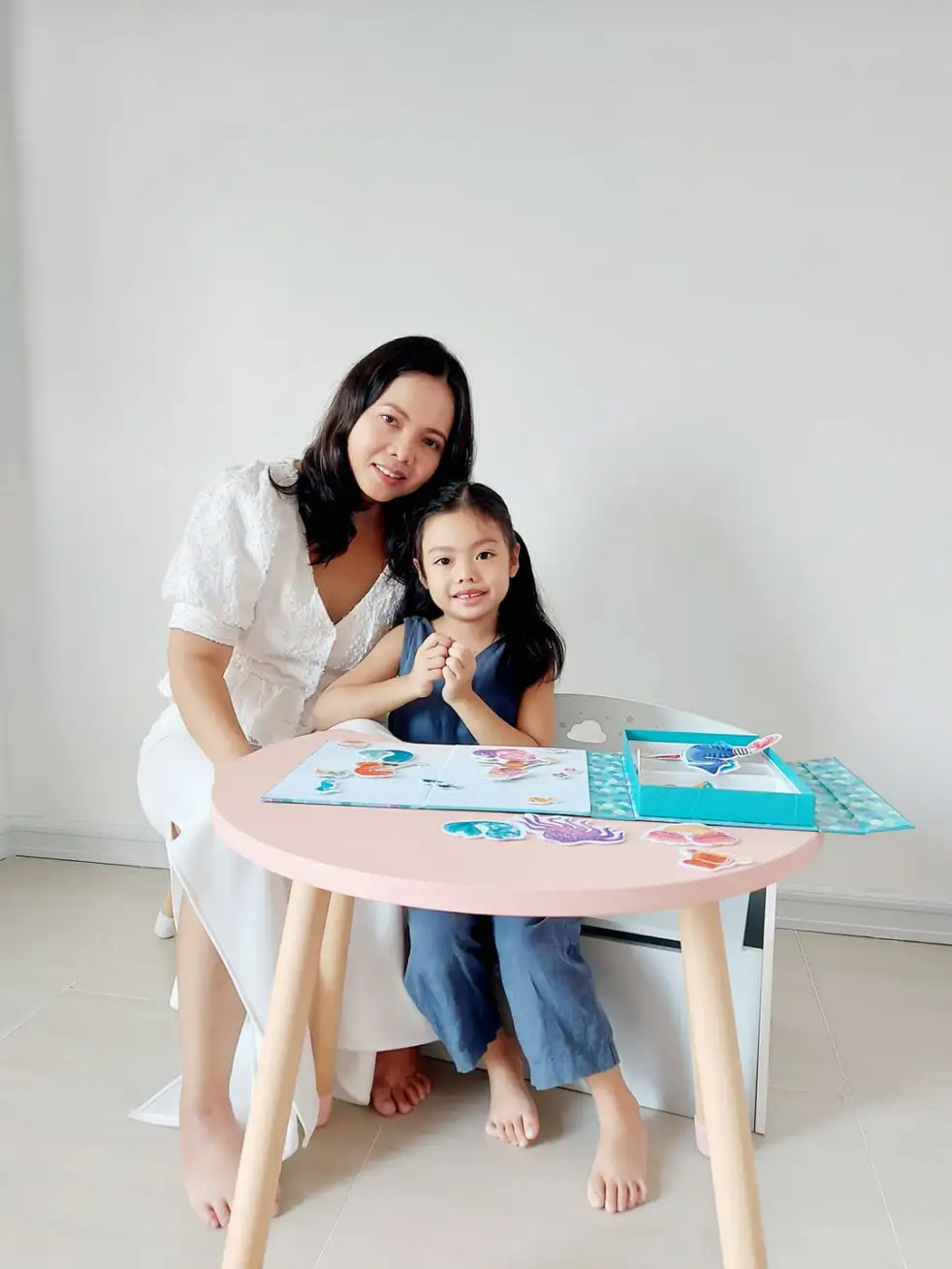
As parents, we want to give our child the best possible start in life and that begins with nurturing their intelligence. Throughout history, the notion of success has been linked to academic intelligence. However, there has been an increased awareness on the importance of emotional intelligence. This question gets at the heart of the never-ending… Continue reading IQ or EQ, which one is a better predictor of your child’s success?
 wondermomma.net