
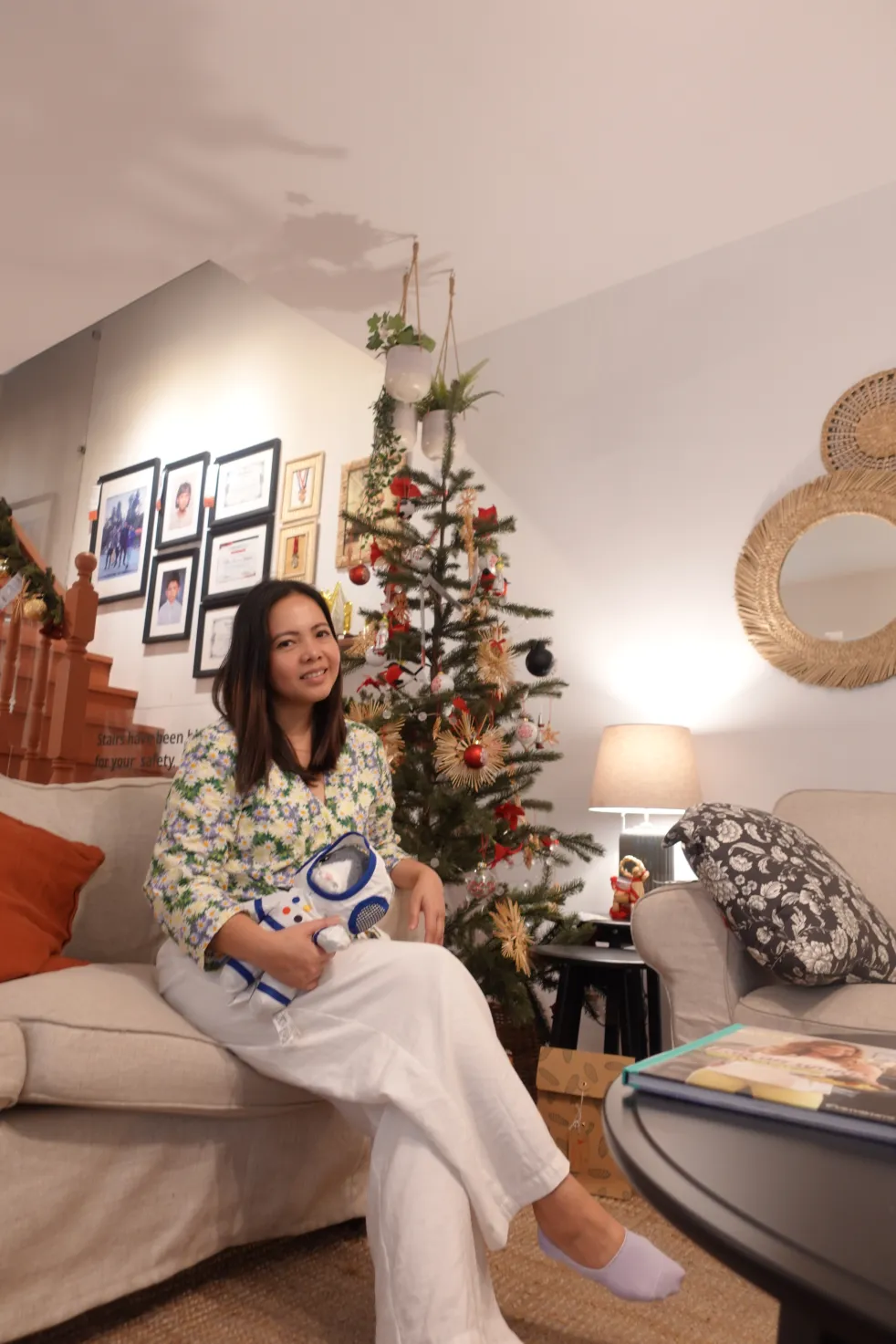
Last August, IKEA Philippines engaged with Better World Smokey Mountain, a newly opened community center operated by the San Miguel Foundation, which shares a similar goal of improving the lives of many Filipino people. Through this partnership, IKEA Philippines provided and assembled home furnishings for the classrooms and library of Better World Smokey Mountain community… Continue reading Help Create a Better World with IKEA Soft Toys
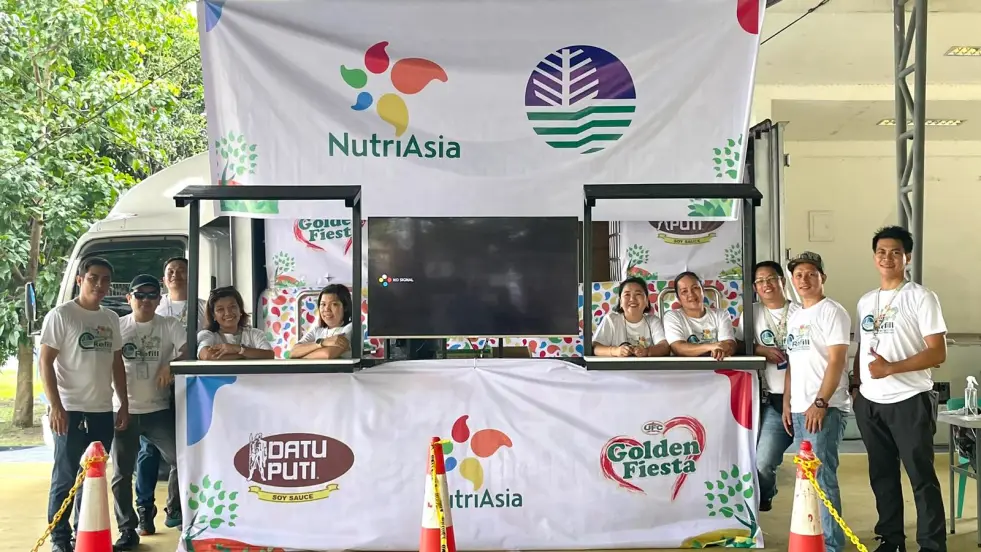
NutriAsia, the country’s top producer of condiments and sauces, continues its support of Refill Revolution; a project by the Department of Environment and Natural Resources EMB 3 that aims to help reduce Filipinos’ single-use plastics consumption. At Refill Revolution, residents get to recycle their single-use plastic bottles by reusing and filling it with their choice… Continue reading NutriAsia and DENR renews partnership for Refill Revolution
Best Local Organic Baby Food Brands in the Philippines
Choosing food for a baby involves more than finding a colourful pouch or a product labelled “natural”. Parents want simple ingredients, safe preparation, suitable textures and confidence that the food has been handled properly. In the Philippines, local makers are responding with organic rice cereals, vegetable purées, frozen meals and small-batch snacks designed for early feeding.
For Australian families, Philippine baby food can be useful when travelling, visiting relatives or looking for Filipino flavours that are familiar to the wider family. Availability varies between Manila, Cebu and smaller cities, while imported products sold in Australia may have different labelling and storage requirements. The brands below are a practical starting point, but parents should always check the current pack, age guidance and certification before buying.
What Organic Means On Filipino Labels
“Organic” can describe certified farming, a product made with selected organic ingredients or a brand’s broader natural-food philosophy. These are different claims. A jar may contain organic vegetables without every ingredient being organic, while a small producer may use responsibly sourced produce but have no formal certification.
Look for an ingredient list that is short and easy to understand. For a first food, this might include brown rice, squash, banana or sweet potato, with no added salt, refined sugar, honey or artificial flavouring. Check the manufacturer’s address, batch details, expiry date and storage instructions. If the packaging says “organic”, look for certification information or a clear explanation of how ingredients are sourced.
The Philippines has a warm climate, long transport routes and frequent power interruptions in some areas. Frozen baby meals therefore need extra care. A product that arrives partly thawed, has damaged insulation or smells unusual should not be served. Shelf-stable food is convenient, but an opened pouch or jar still needs to be refrigerated and used within the stated period.
Baby Organix For Simple First Meals
Baby Organix is one of the local names parents may encounter when searching for organic baby meals in the Philippines. Its range has been associated with purées, toddler meals and family-friendly ingredients, making it worth considering for parents who want convenient food with Filipino produce. Range names, flavours and delivery options can change, so check the current catalogue rather than relying on an old social media post.
The most useful choices for a young eater are usually single-ingredient or gently combined purées. Squash, banana, sweet potato and rice are familiar flavours that can be offered in small amounts while a child learns to manage new tastes. Once several foods have been introduced safely, combinations with chicken, fish or legumes may provide a more substantial meal.
Read the nutrition information carefully. “Organic” does not automatically mean low in sugar or nutritionally complete. Fruit-based blends can taste very sweet, while a meal labelled for toddlers may have a texture that is unsuitable for a baby who is still learning to swallow. Follow developmental readiness rather than using the packaging age as the only guide.
Little Baby Grains And Rice-Based Foods
Rice is a practical first-food ingredient in Filipino households, and local producers such as Little Baby Grains appeal to parents seeking baby cereals made from grains rather than heavily processed powders. Rice cereal can be mixed with breast milk, formula or a smooth vegetable purée to create a familiar texture. It is especially useful when a baby is moving from milk feeds towards complementary foods.
Parents should vary grains instead of relying on rice at every meal. Australian health guidance commonly encourages a varied diet, and variety also helps children experience different flavours and nutrients. Oats, quinoa, millet and corn may be suitable alternatives when available and age-appropriate. Ask a health professional about arsenic exposure if rice products make up a large part of the child’s diet.
Check whether a grain product is plain, sweetened or flavoured. Some cereals marketed to families contain added sugar, milk powder or fruit concentrates. A plain cereal gives parents more control over flavour and allergens. Introduce one new ingredient at a time when practical, particularly if the child has eczema, a family history of allergy or an existing food sensitivity.
For babies with dry or reactive skin, food and skincare are separate issues, but both deserve careful observation. A gentle routine can be useful alongside feeding changes; this guide to baby skincare for eczema explains why fragrance-free choices and consistent care matter.
Small-Batch Filipino Baby Food Makers
Many Philippine parents buy from small kitchens and local food entrepreneurs rather than supermarket shelves. These businesses may sell fresh purées, frozen cubes, vegetable soups and toddler meals through Instagram, Facebook, weekend markets or delivery apps. The advantage is often a menu based on seasonal local produce, such as squash, mango, mung beans, banana, malunggay and sweet potato.
The trade-off is consistency. Before ordering, ask whether the kitchen has a business permit, food-safety procedures, allergen controls and clear cooking instructions. Find out when the food was prepared, how it was frozen, how long it can stay in transit and whether insulated packaging is used. A polished social media page is not a substitute for safe handling information.
In cities such as Manila and Quezon City, same-day delivery may make chilled food practical, while families in Davao, Iloilo or provincial areas may need shelf-stable options. Delivery charges and minimum orders can also make small-batch food expensive. Buying a mixed box may appear economical, but it is only worthwhile if the family can use everything before the recommended date.
Choosing Textures And Ingredients
A suitable baby meal should match the child’s developmental stage. Smooth purée may suit an early stage, but babies gradually need thicker mashed food and soft lumps. Later, finely shredded meat, soft rice, steamed vegetables and graspable pieces encourage chewing and self-feeding. A pouch should not become the only way a child eats, because eating from a spoon or open cup offers different skills.
Avoid honey before 12 months because of the risk of infant botulism. Whole nuts, hard raw vegetables, popcorn and firm chunks can cause choking, while added salt and sugar are unnecessary for babies. Fish, egg, dairy, wheat, peanut and soy are common allergens, but delaying them is not automatically protective. Introduce allergenic foods in safe forms and seek medical advice if your baby has a higher allergy risk.
Filipino flavours can be introduced gently. A little garlic, onion, ginger or malunggay may help a child enjoy family food, provided the meal contains no excess salt or chilli. Coconut milk can add energy and flavour, but it should be part of a balanced meal rather than a replacement for breast milk, formula or a varied diet.
Buying Philippine Brands In Australia
Australian families in Sydney, Melbourne, Brisbane and Perth may find Philippine products through Filipino grocers, specialty online shops and community markets. Stock can be seasonal, and products sold in Australia may be imported in limited quantities. Look for an English ingredient panel, importer details and storage directions that apply to the Australian supply chain.
Australian customs and biosecurity rules are important when bringing food home from the Philippines. Fresh fruit, meat, homemade meals and some plant products may be restricted, even when they are intended for personal use. Commercially sealed, shelf-stable food is generally easier to manage, but travellers should check the Department of Agriculture, Fisheries and Forestry’s current guidance before packing anything.
For families in Australia, local alternatives may be easier to verify. Supermarkets and pharmacies commonly stock Australian-made baby cereals, frozen vegetables and toddler meals, while Filipino grocery stores can provide ingredients such as mung beans, rice and saba bananas for home cooking. A Philippine brand may offer cultural familiarity, but Australian products may have clearer local recall notices and labelling.
Comparing Local Options At A Glance
The best choice depends on the baby’s age, the family’s storage facilities and the amount of preparation parents can manage. A frozen purée is different from a dry cereal, so comparing them only by price is misleading. Calculate the cost per serving, including delivery, ice packs and food that may be wasted after opening.
Use the following guide as a starting point rather than a certification list. Product ranges change, and a brand’s organic status may apply to selected ingredients or batches. Confirm current claims directly on the packaging and contact the maker when information about farming, allergens or preparation is unclear.
| Local option | Useful for | Points to check |
|---|---|---|
| Baby Organix | Ready-to-serve purées and toddler meals | Current organic claims, texture, refrigeration and serving age |
| Little Baby Grains | Plain rice or grain-based cereals | Added sugar, grain variety and preparation instructions |
| Small-batch frozen makers | Fresh Filipino flavours and family-style meals | Food permits, cold-chain delivery and freezer life |
| Home-prepared local produce | Flexible ingredients and lower packaging waste | Safe cooking, smooth textures and allergen introduction |
| Shelf-stable imported products | Travel, emergencies and Australian pantry storage | Importer details, biosecurity rules and local labelling |
Whether buying in Manila or Melbourne, the safest routine is to choose reputable suppliers, inspect packaging and introduce new foods gradually. Organic sourcing can be a valuable priority, but clean preparation, age-appropriate texture and a varied diet matter just as much for a growing baby.
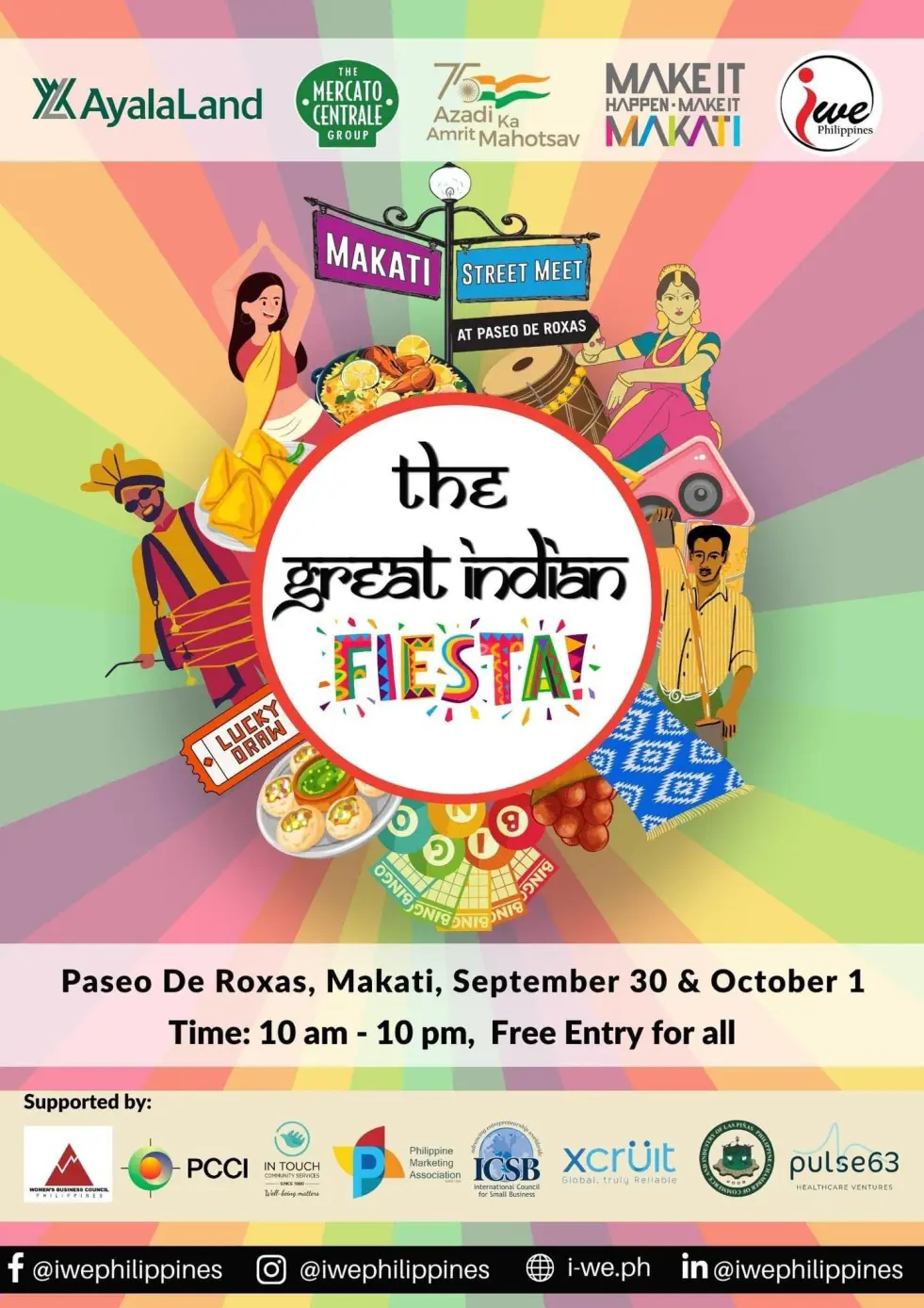
Mercato Centrale, in collaboration with Indian Women in Enterprise Philippines (I-We), is set to host "The Great Indian Fiesta" to mark 75 years of friendship between India and the Philippines. The dynamic two-day event is scheduled to take place on September 30 to October 1, 2023, at Paseo De Roxas Street, Makati City. Aiming to… Continue reading Mercato Centrale Partners with I-We to Host ‘The Great Indian Fiesta’, Commemorating 75 Years of India-Philippines Friendship

My stomach would usually start growling at 10 am even after taking a big breakfast. This is probably because I am a morning person and I move a lot throughout the day hence snacking is something that I can't avoid. This potatoes and chicken wrap recipe is easy to prepare and would keep me full… Continue reading Potato and Chicken Wrap
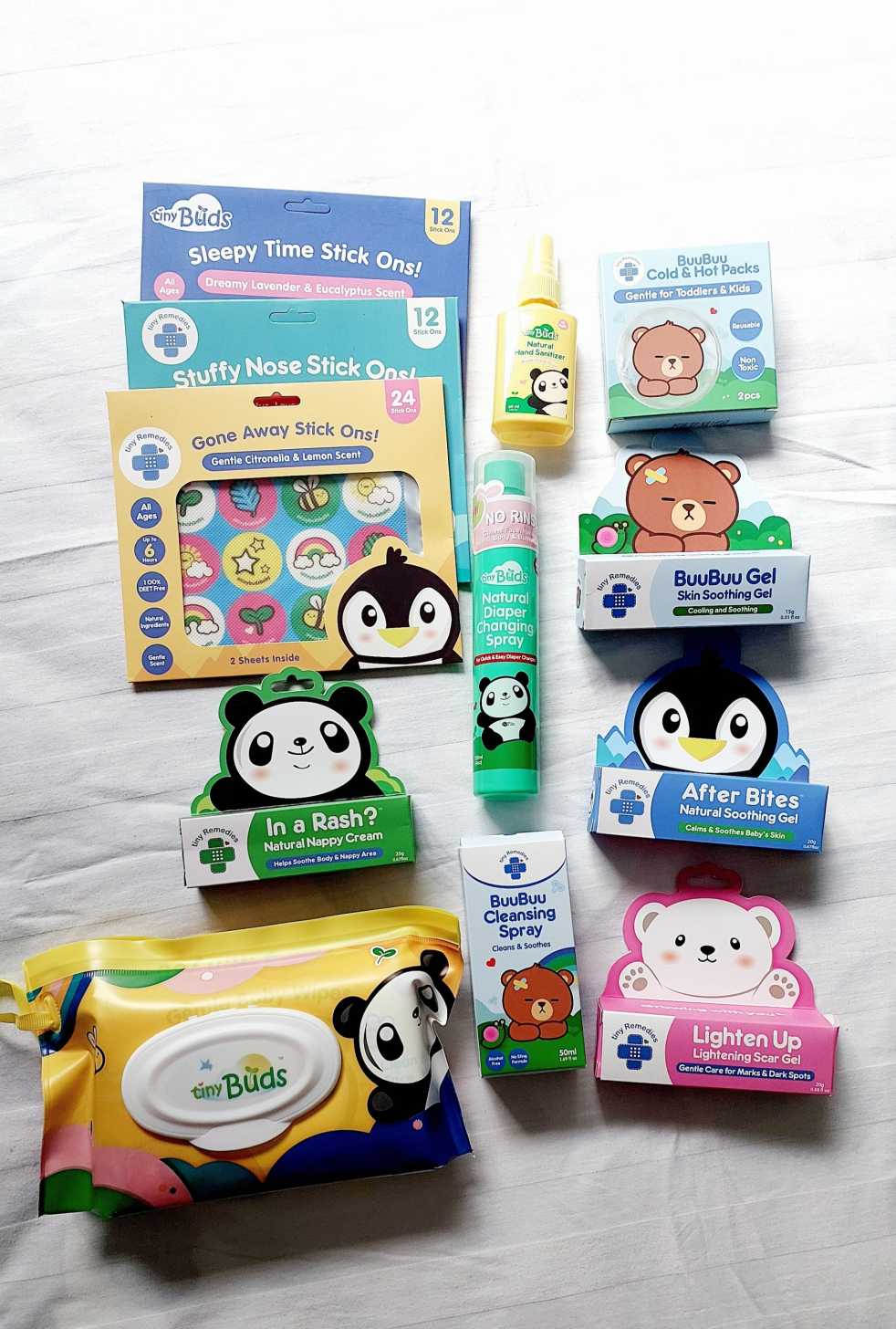
Your baby’s skin is more delicate than most, this is why you have to choose products that are designed for sensitive skin. Tiny Buds is a pioneer in integrating natural ingredients into baby care and today has over 50 innovative natural baby care essentials and is one of the Top Baby Personal Care brands. Here… Continue reading Product Review: Tiny Buds Baby Naturals Baby Essentials
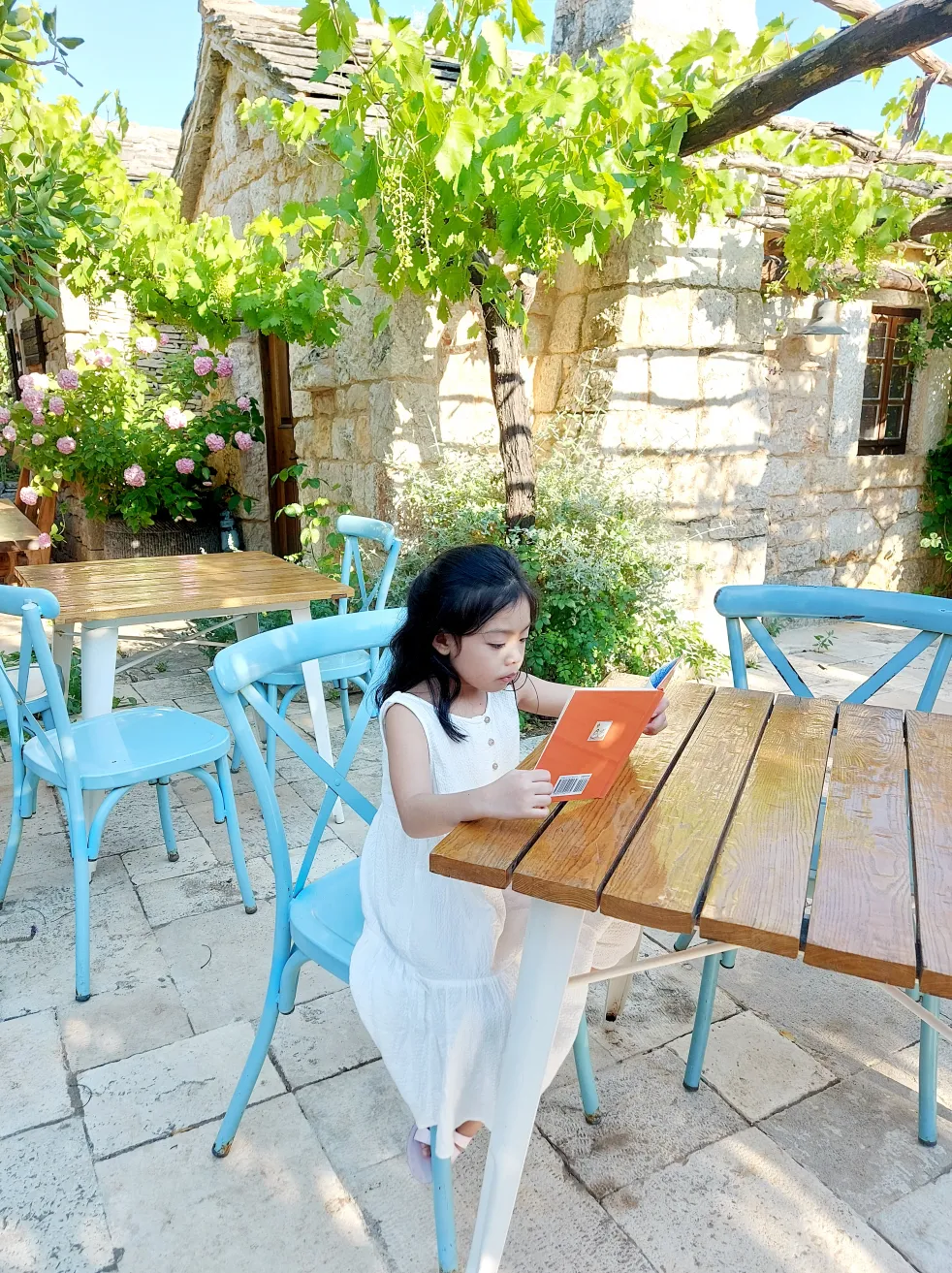
Where your child goes to school is a big decision and shouldn’t be taken lightly. Given how their education can impact their future, you might be tempted to take control and decide for them. However, you might be doing more damage than helping them in the long run. Your job as parents is to support… Continue reading HOW TO CHOOSE THE BEST SCHOOL FOR YOUR CHILD
As poet and philosopher Rumi once eloquently said, “raise your words, not your voice. It is rain that grows flowers, not thunder.” Parenting is a challenging journey, and the truth is that nobody has everything figured out. One parenting style might suit others best, and some might favor other methods. However, children respond better to… Continue reading A SIMPLE GUIDE TO GENTLE PARENTING
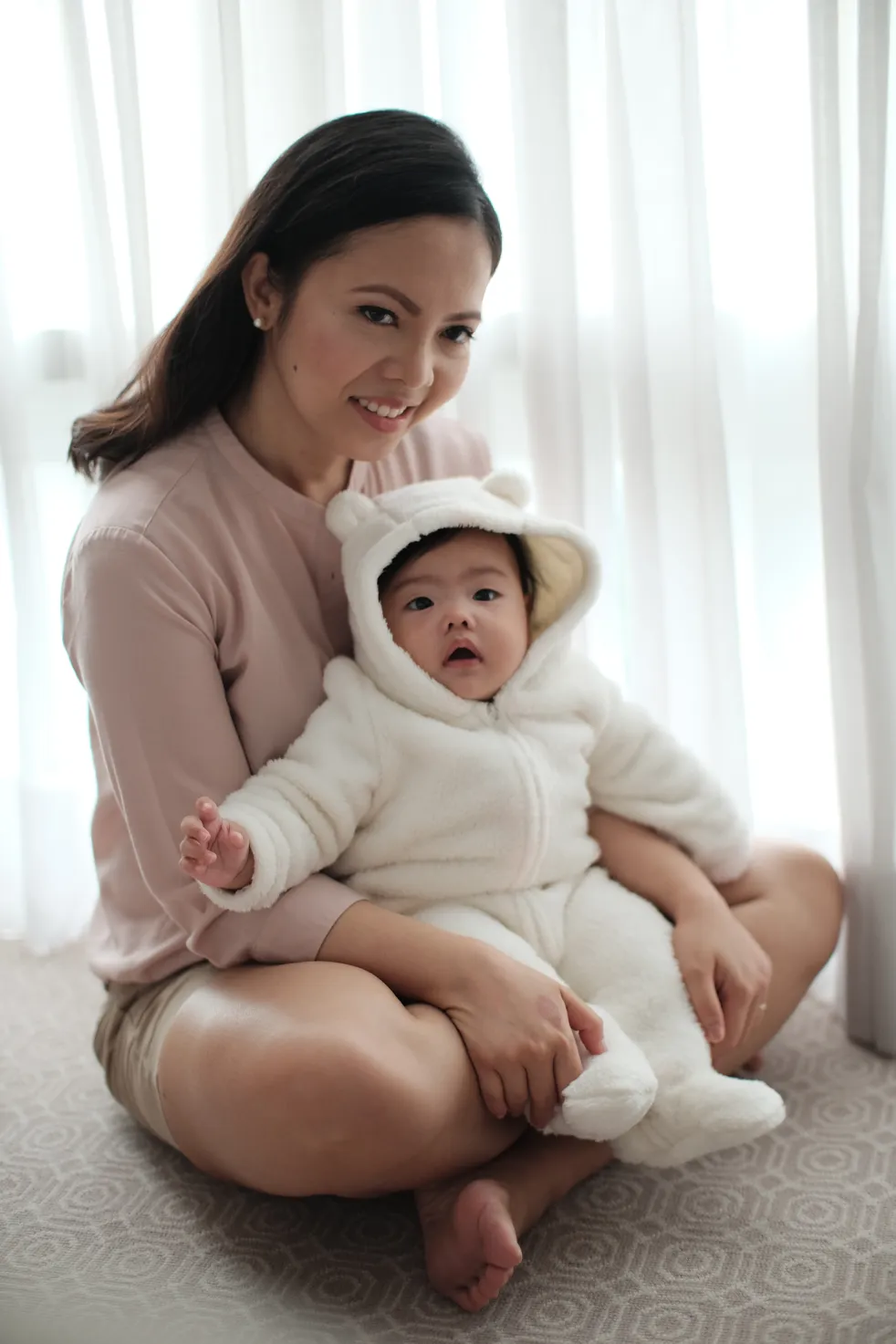
Whether you’re a new mom to be, mom of a toddler, mom who have school-aged kids, you’re bound to have so many questions. Let's start with your baby's skin. Infant skin has unique needs; gentle care is essential to prevent damage to the skin barrier, which can lead to irritation. When caring for infant skin,… Continue reading Keeping Baby’s Diapered Skin Healthy
As parents, we want to give our child the best possible start in life and that begins with nurturing their intelligence. Throughout history, the notion of success has been linked to academic intelligence. However, there has been an increased awareness on the importance of emotional intelligence. This question gets at the heart of the never-ending… Continue reading IQ or EQ, which one is a better predictor of your child’s success?
 wondermomma.net