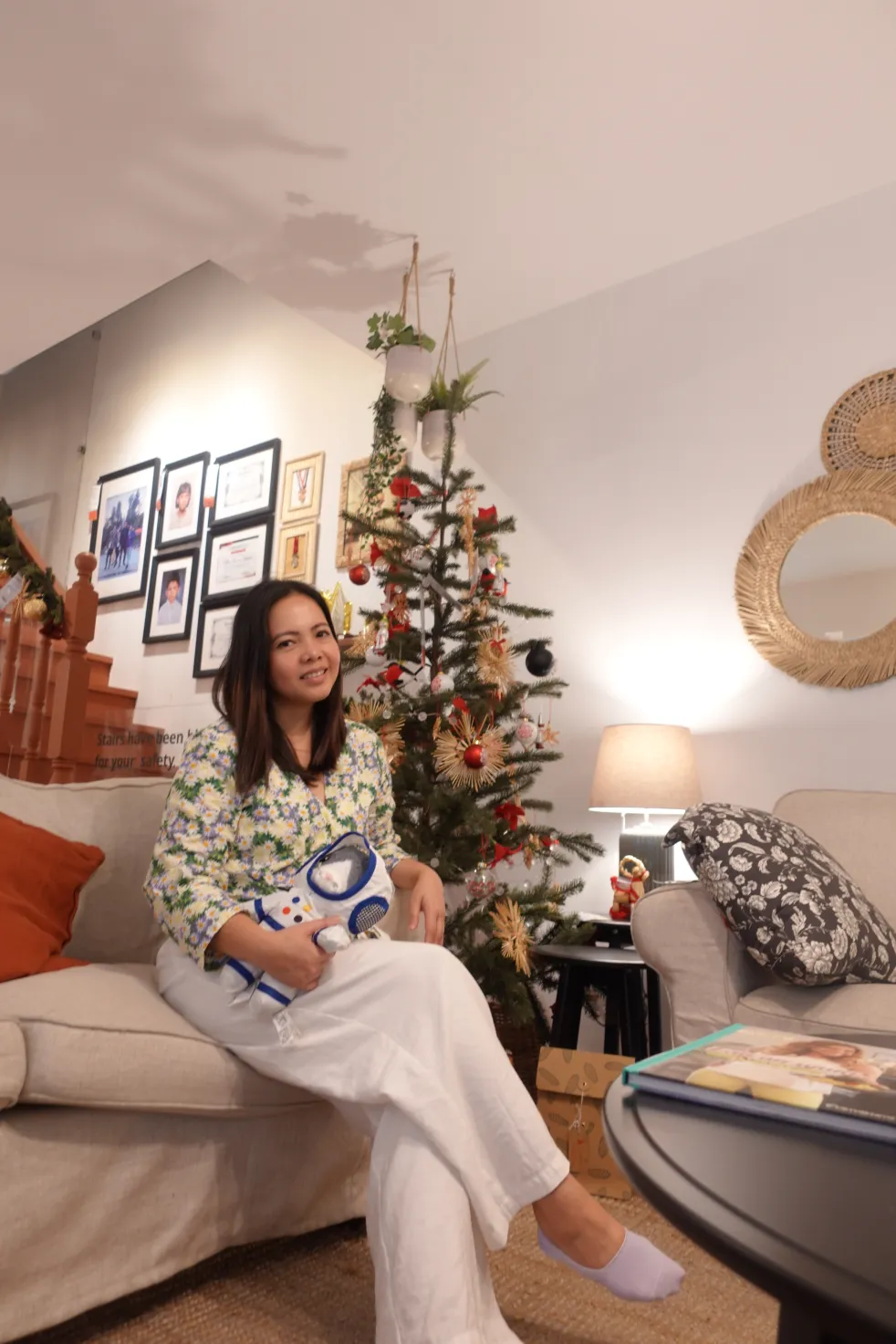
Last August, IKEA Philippines engaged with Better World Smokey Mountain, a newly opened community center operated by the San Miguel Foundation, which shares a similar goal of improving the lives of many Filipino people. Through this partnership, IKEA Philippines provided and assembled home furnishings for the classrooms and library of Better World Smokey Mountain community… Continue reading Help Create a Better World with IKEA Soft Toys
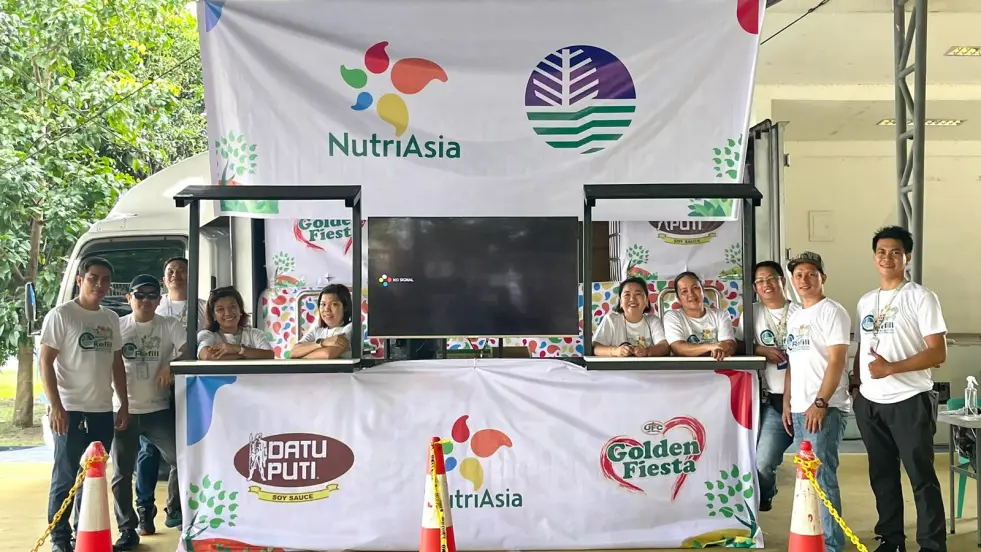
NutriAsia, the country’s top producer of condiments and sauces, continues its support of Refill Revolution; a project by the Department of Environment and Natural Resources EMB 3 that aims to help reduce Filipinos’ single-use plastics consumption. At Refill Revolution, residents get to recycle their single-use plastic bottles by reusing and filling it with their choice… Continue reading NutriAsia and DENR renews partnership for Refill Revolution

Best Educational Apps for Toddlers Parents Can Feel Good About
The best educational apps for toddlers are designed to support curiosity, language, early numeracy, creativity, and problem-solving without turning every minute of play into a lesson. For young children, a simple activity that encourages them to name objects, match shapes, or tell a story can be more valuable than an app packed with flashing rewards.
Parents also want digital play to feel safe, manageable, and age-appropriate. Clear privacy policies, limited advertising, child-friendly navigation, offline access, and the option to play without constant purchases all matter when choosing a learning app for a toddler.
The apps below are popular with families because they combine educational content with playful design. Availability, pricing, and features may vary by country, including the Philippines, so check the current details in the Apple App Store or Google Play before downloading.
What makes a toddler app genuinely educational
A useful early-learning app gives children room to explore rather than requiring fast answers. Toddlers learn through repetition, imitation, movement, and conversation, so activities should encourage them to identify colors, listen to sounds, build patterns, practice vocabulary, or create something of their own.
The best toddler learning games also avoid unnecessary pressure. A child does not need a score, leaderboard, or countdown timer to learn. Gentle feedback, friendly characters, and short activities can help children stay engaged while allowing them to stop when they are tired or distracted.
Parent controls are equally important. Look for an app with a simple dashboard, minimal advertising, age guidance, and settings that prevent accidental purchases. Apps that work offline can also be helpful during travel, power interruptions, or moments when parents want to avoid streaming video.
Khan Academy Kids for broad early learning
Khan Academy Kids is a strong all-around choice for preschool learning. Its activities cover early reading, phonics, counting, shapes, social-emotional skills, drawing, and storytelling. The colorful characters guide children through short games and books, making it suitable for families looking for a free educational resource with a wide range of content.
Parents often appreciate that the app does not rely on third-party advertising or require a paid subscription for its core learning activities. Children can follow a suggested path, but they can also explore individual books and games at their own pace.
It is especially useful for toddlers approaching preschool age, although younger children may need help navigating the interface. A parent can sit beside the child, choose an activity, and turn the experience into a conversation about letters, feelings, animals, or numbers.
PBS Kids Games for familiar, low-pressure play
PBS Kids Games offers a collection of activities inspired by trusted children’s programs. Depending on the child’s age and the current selection, games may support vocabulary, early math, science, memory, creativity, and emotional development. Familiar characters can make new activities feel comfortable for children who already enjoy PBS Kids content.
The games tend to be short and easy to understand, which suits toddlers with limited attention spans. Some activities involve sorting, matching, identifying sounds, or helping a character solve a simple problem. The format feels more like playful exploration than formal instruction.
Parents should check whether the app and specific videos or games are available in their region. Content can differ outside the United States, and some children may be more interested in character-based play than in completing a full learning sequence.
Pok Pok for open-ended Montessori-inspired play
Pok Pok takes a quieter approach to screen-based learning. Instead of presenting a stream of quizzes or rewards, it offers digital toys that children can explore, such as drawing tools, musical activities, building environments, and everyday-life scenes. The design is intentionally calm, with no advertising and no competitive scoring.
This type of open-ended play can support creativity, fine-motor coordination, cause-and-effect thinking, and independent exploration. A toddler may experiment with sounds, arrange objects, or create a small story without being told there is only one correct answer.
Pok Pok generally works through a subscription, so it may be a better fit for families who expect regular use. Parents who prefer a slower, less stimulating digital experience may find the cost worthwhile, particularly when they use the app alongside real-world toys and imaginative play.
| App | Best for | Parent-friendly strengths | Points to check |
|---|---|---|---|
| Khan Academy Kids | Early literacy, math, and general learning | Broad content and free core access | Younger toddlers may need navigation help |
| PBS Kids Games | Short educational games with familiar characters | Gentle play and recognizable themes | Regional content and availability may vary |
| Pok Pok | Creativity and open-ended discovery | Calm design, no ads, flexible play | Usually subscription-based |
| Lingokids | English vocabulary and songs | Interactive language practice and routine-based activities | Some features require membership |
| Duolingo ABC | Letter sounds, tracing, and early reading | Structured literacy activities | Better suited to preschoolers than very young toddlers |
| Montessori Preschool | Practical concepts, matching, and early skills | Simple activities based on familiar learning tasks | Quality and pricing can vary by version |
Lingokids for songs, vocabulary, and language practice
Lingokids uses songs, stories, games, and movement-based activities to build early English vocabulary. Children may practice words related to animals, food, body parts, colors, family members, and daily routines. The lively format can appeal to toddlers who learn well through music and repetition.
For families in the Philippines, an English-language app may complement conversations at home, storybooks, and nursery songs. It should not replace interaction with parents or exposure to Filipino languages. Instead, adults can repeat new words in English, Filipino, or a home language and connect them to real objects around the house.
Lingokids includes a mixture of free and paid content, depending on the plan and platform. Parents should review subscription terms carefully and use the app’s settings to keep the experience focused rather than allowing unlimited, unsupervised screen use.
Duolingo ABC for early literacy foundations
Duolingo ABC is aimed more at preschool and early school-age children than at very young toddlers, but it can be a useful choice for a child who is ready to recognize letters and practice beginning reading skills. Activities typically include letter sounds, tracing, phonics, sight words, and simple stories.
The short lesson format makes it easier for parents to include literacy practice in a daily routine. A child might complete one activity after breakfast, then reinforce the same sound by finding objects around the home that begin with it. This connection between the app and real life helps prevent digital learning from becoming isolated practice.
Because tracing and phonics require attention, some toddlers may find the app too advanced. Watch for frustration and pause when needed. Readiness matters more than age alone, and a child who is still developing speech or fine-motor control may benefit from songs, picture books, and hands-on letter play first.
Building healthy screen habits around learning apps
An educational label does not make an app automatically suitable for every situation. Toddlers still need active movement, sleep, outdoor play, pretend games, and face-to-face conversation. Digital activities work best as one small part of a varied day rather than as a replacement for hands-on learning.
Co-play can make an app more meaningful. Ask the child to explain what they see, repeat a new word, count objects aloud, or predict what will happen next. When a game shows a farm animal, for example, continue the learning by making its sound, reading a farm story, or looking for pictures of animals in a book.
Keep sessions short and predictable. A visual timer, a clear stopping point, and a familiar transition can reduce conflict when screen time ends. Avoid handing over a device during every difficult moment, since children also need opportunities to practice calming down with cuddles, breathing, movement, or quiet toys.
Choosing the right app for your child
Before downloading several apps, consider your child’s current interests and developmental needs. A toddler fascinated by music may learn more from a singing and rhythm app, while a child who loves puzzles may respond to sorting, matching, and shape games. The most effective choice is one the child can use with growing independence while still receiving support from an adult.
Use these practical checks when comparing options:
- Choose content that matches your child’s developmental stage rather than an app that simply advertises advanced skills.
- Review privacy settings, advertising policies, subscription terms, and in-app purchase controls before handing over the device.
- Prefer apps with calm pacing, clear instructions, limited distractions, and activities that can be completed in a few minutes.
- Connect digital play to books, conversation, music, drawing, household tasks, and outdoor exploration.
- Reassess the app after a week or two and keep it only if your child remains engaged without becoming overstimulated or frustrated.
Making learning apps part of family life
The strongest educational benefit comes from the way an app is used. A parent who joins for five minutes, listens carefully, and expands on the child’s ideas can turn a simple matching game into a rich language activity. “You found the red circle” can become “Can you find something red in the room?” That extra conversation builds understanding beyond the screen.
It also helps to create a shared family rule for devices. Keep tablets in a common area, use headphones only when appropriate, and avoid giving a personal device to a toddler without supervision. Children learn digital habits by watching adults, so it is useful for parents to model putting phones away during meals, conversations, and bedtime routines.
There is no single perfect app for every family. Khan Academy Kids and PBS Kids Games are practical starting points for free, broad learning; Pok Pok suits open-ended discovery; Lingokids supports language exposure; and Duolingo ABC may help preschoolers ready for early reading. Select one app, explore it together, and give your child plenty of opportunities to learn away from the screen as well.
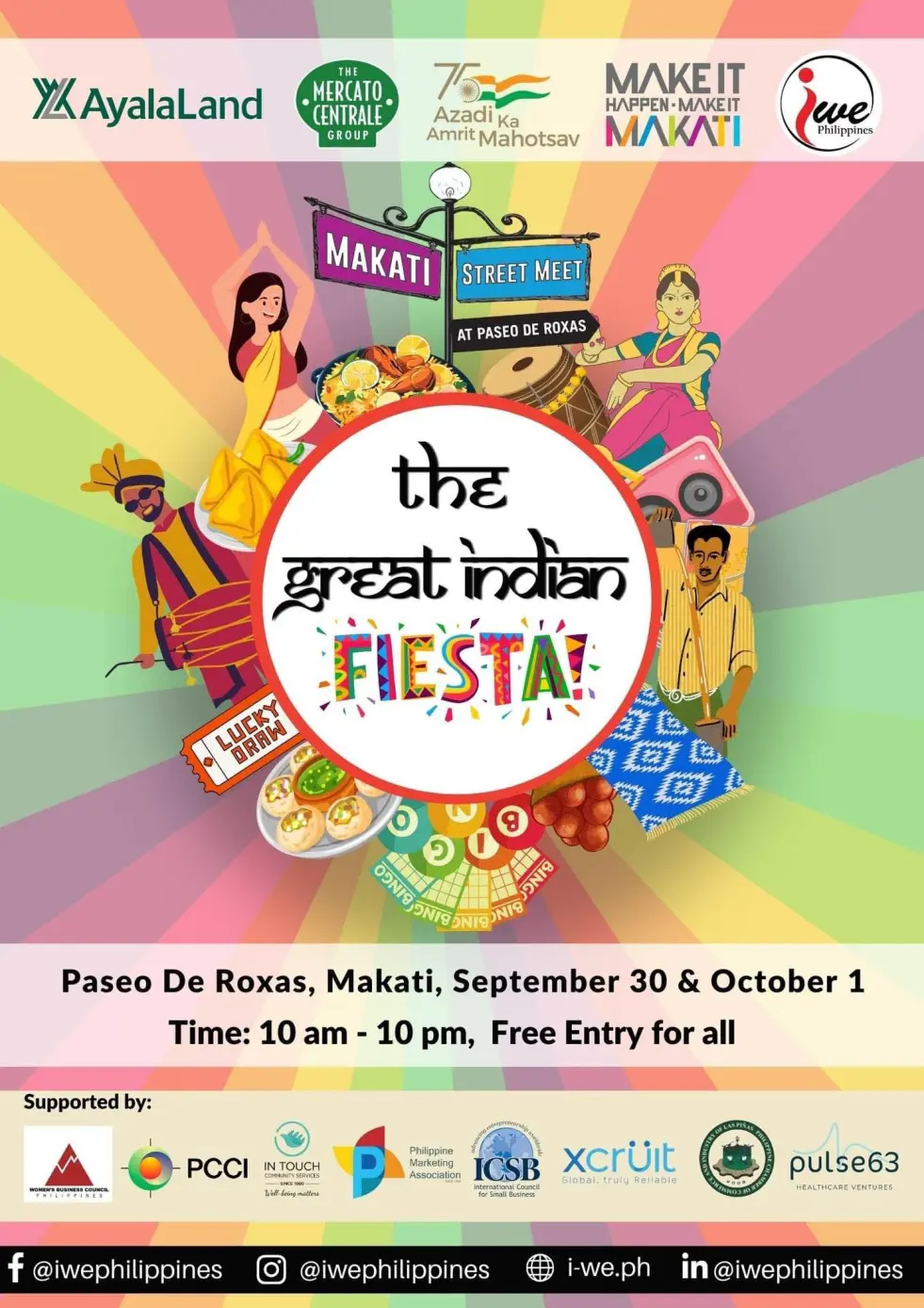
Mercato Centrale, in collaboration with Indian Women in Enterprise Philippines (I-We), is set to host "The Great Indian Fiesta" to mark 75 years of friendship between India and the Philippines. The dynamic two-day event is scheduled to take place on September 30 to October 1, 2023, at Paseo De Roxas Street, Makati City. Aiming to… Continue reading Mercato Centrale Partners with I-We to Host ‘The Great Indian Fiesta’, Commemorating 75 Years of India-Philippines Friendship

My stomach would usually start growling at 10 am even after taking a big breakfast. This is probably because I am a morning person and I move a lot throughout the day hence snacking is something that I can't avoid. This potatoes and chicken wrap recipe is easy to prepare and would keep me full… Continue reading Potato and Chicken Wrap
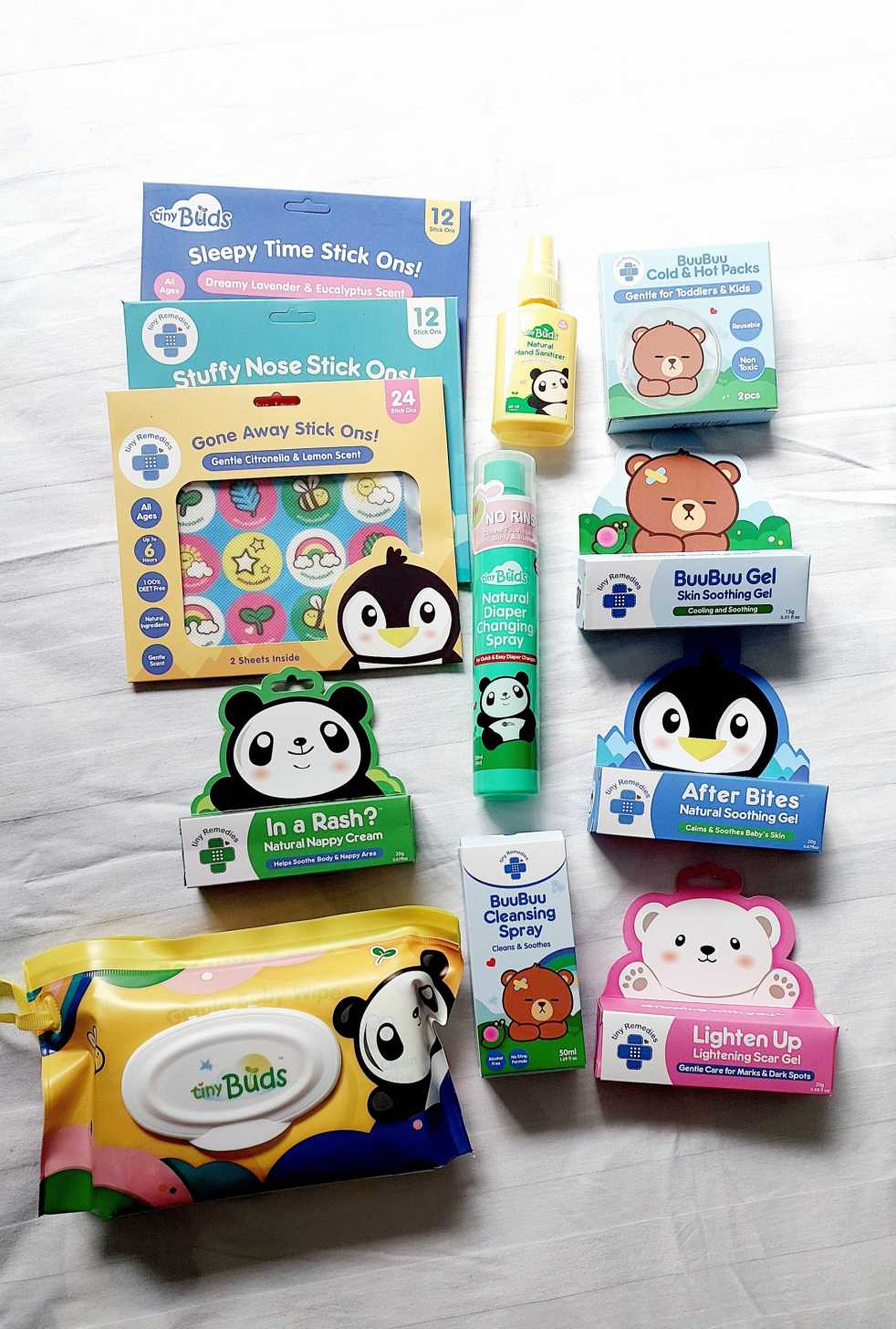
Your baby’s skin is more delicate than most, this is why you have to choose products that are designed for sensitive skin. Tiny Buds is a pioneer in integrating natural ingredients into baby care and today has over 50 innovative natural baby care essentials and is one of the Top Baby Personal Care brands. Here… Continue reading Product Review: Tiny Buds Baby Naturals Baby Essentials
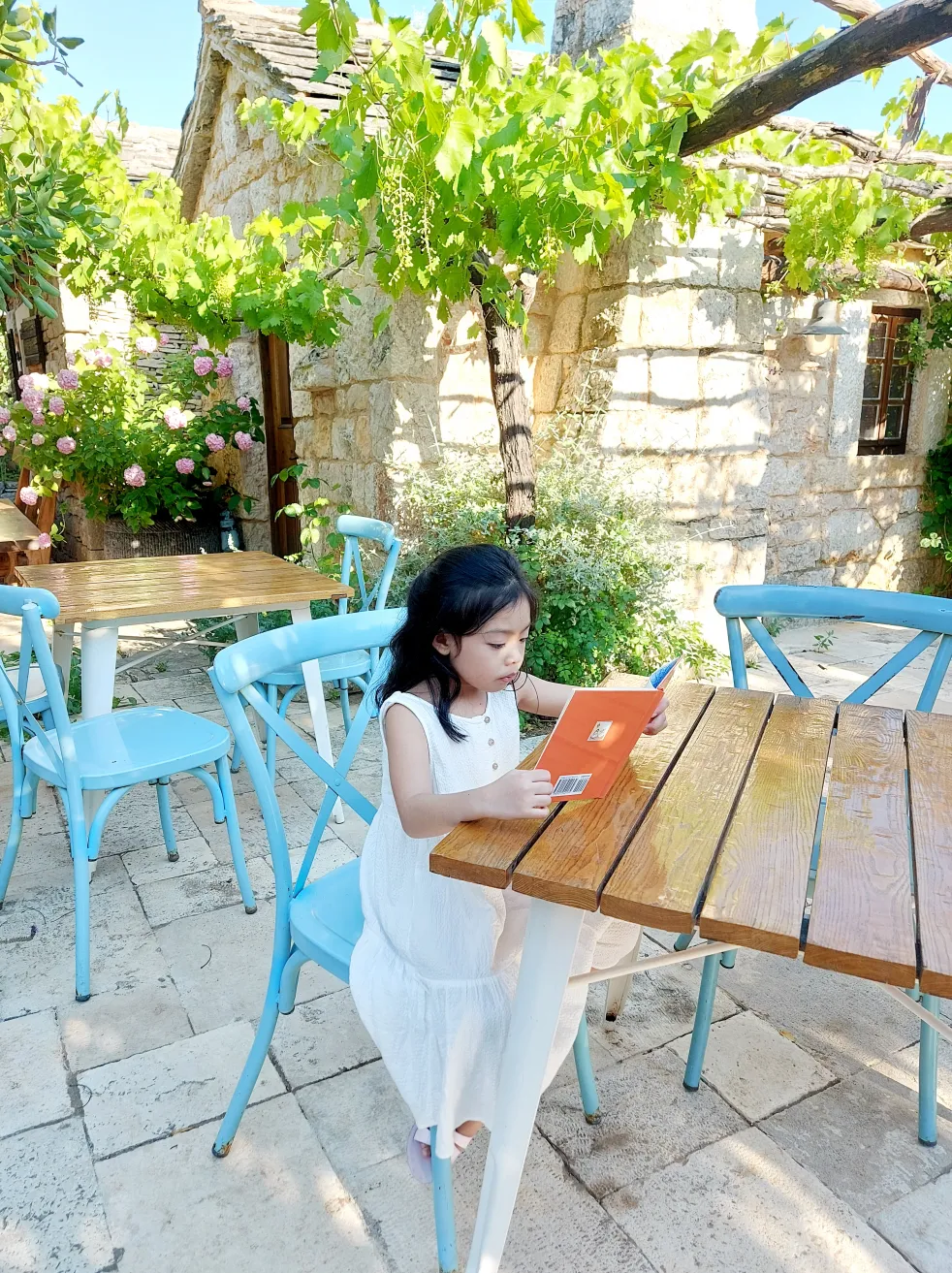
Where your child goes to school is a big decision and shouldn’t be taken lightly. Given how their education can impact their future, you might be tempted to take control and decide for them. However, you might be doing more damage than helping them in the long run. Your job as parents is to support… Continue reading HOW TO CHOOSE THE BEST SCHOOL FOR YOUR CHILD
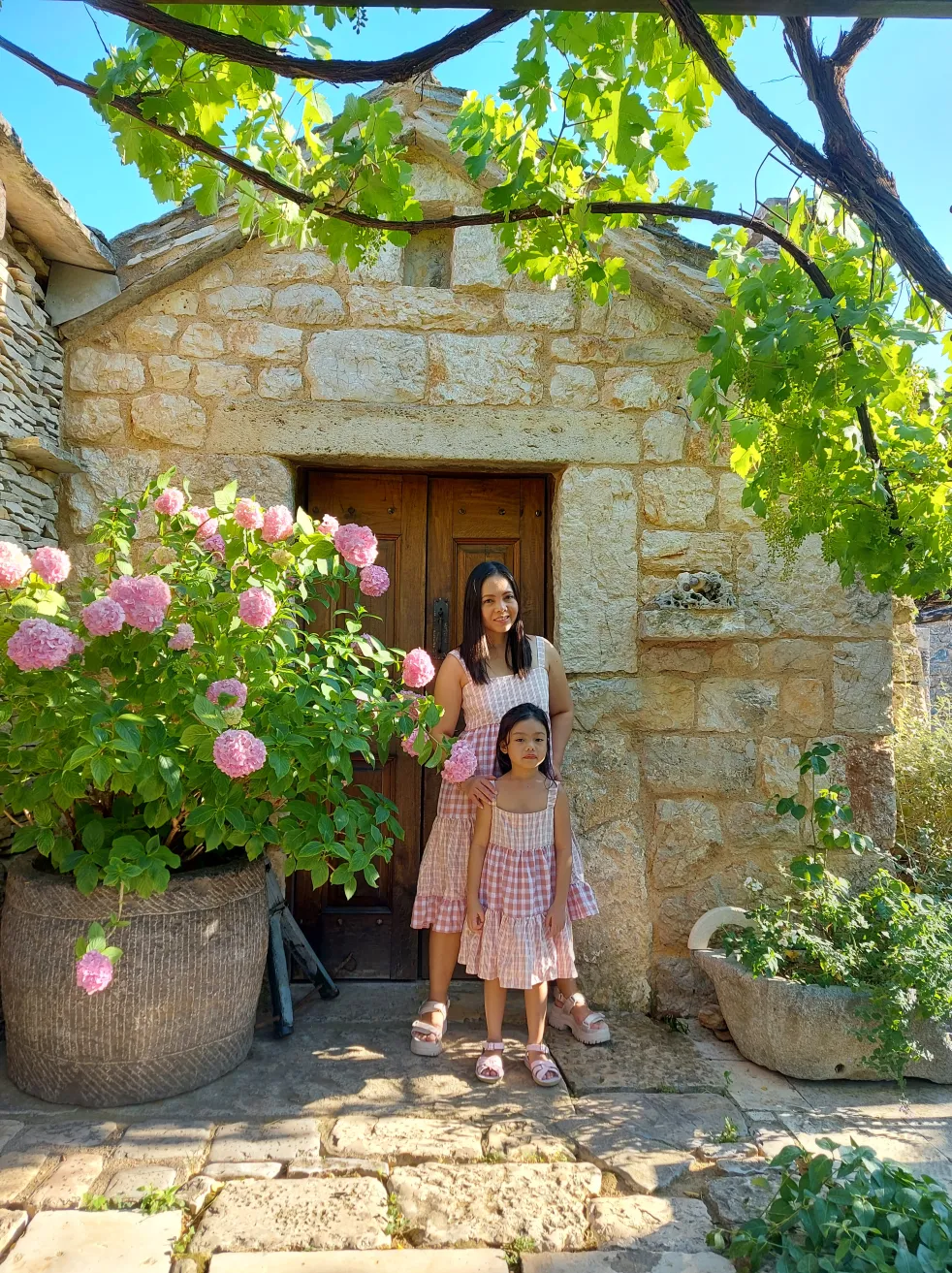
As poet and philosopher Rumi once eloquently said, “raise your words, not your voice. It is rain that grows flowers, not thunder.” Parenting is a challenging journey, and the truth is that nobody has everything figured out. One parenting style might suit others best, and some might favor other methods. However, children respond better to… Continue reading A SIMPLE GUIDE TO GENTLE PARENTING

Whether you’re a new mom to be, mom of a toddler, mom who have school-aged kids, you’re bound to have so many questions. Let's start with your baby's skin. Infant skin has unique needs; gentle care is essential to prevent damage to the skin barrier, which can lead to irritation. When caring for infant skin,… Continue reading Keeping Baby’s Diapered Skin Healthy
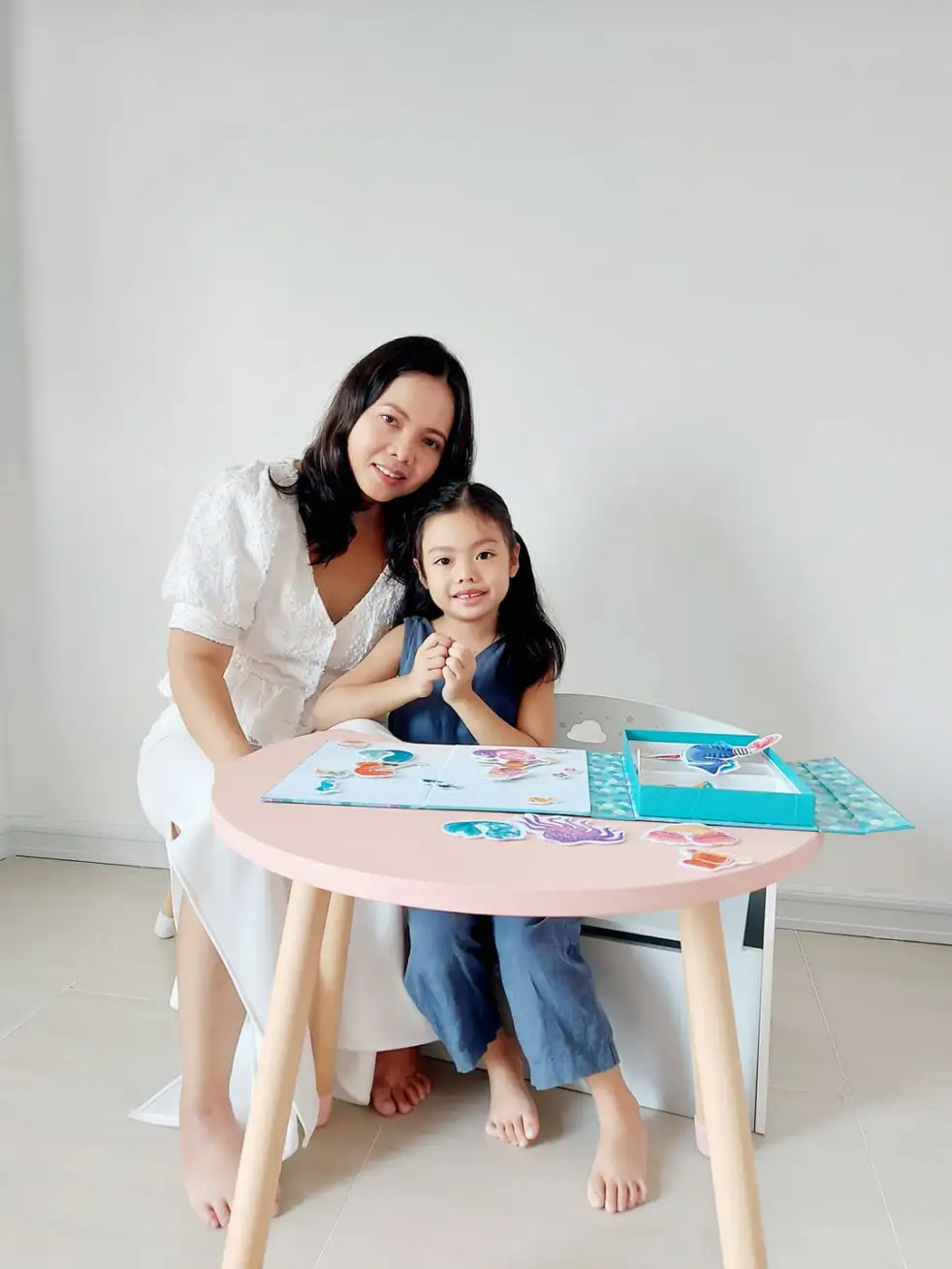
As parents, we want to give our child the best possible start in life and that begins with nurturing their intelligence. Throughout history, the notion of success has been linked to academic intelligence. However, there has been an increased awareness on the importance of emotional intelligence. This question gets at the heart of the never-ending… Continue reading IQ or EQ, which one is a better predictor of your child’s success?
 wondermomma.net