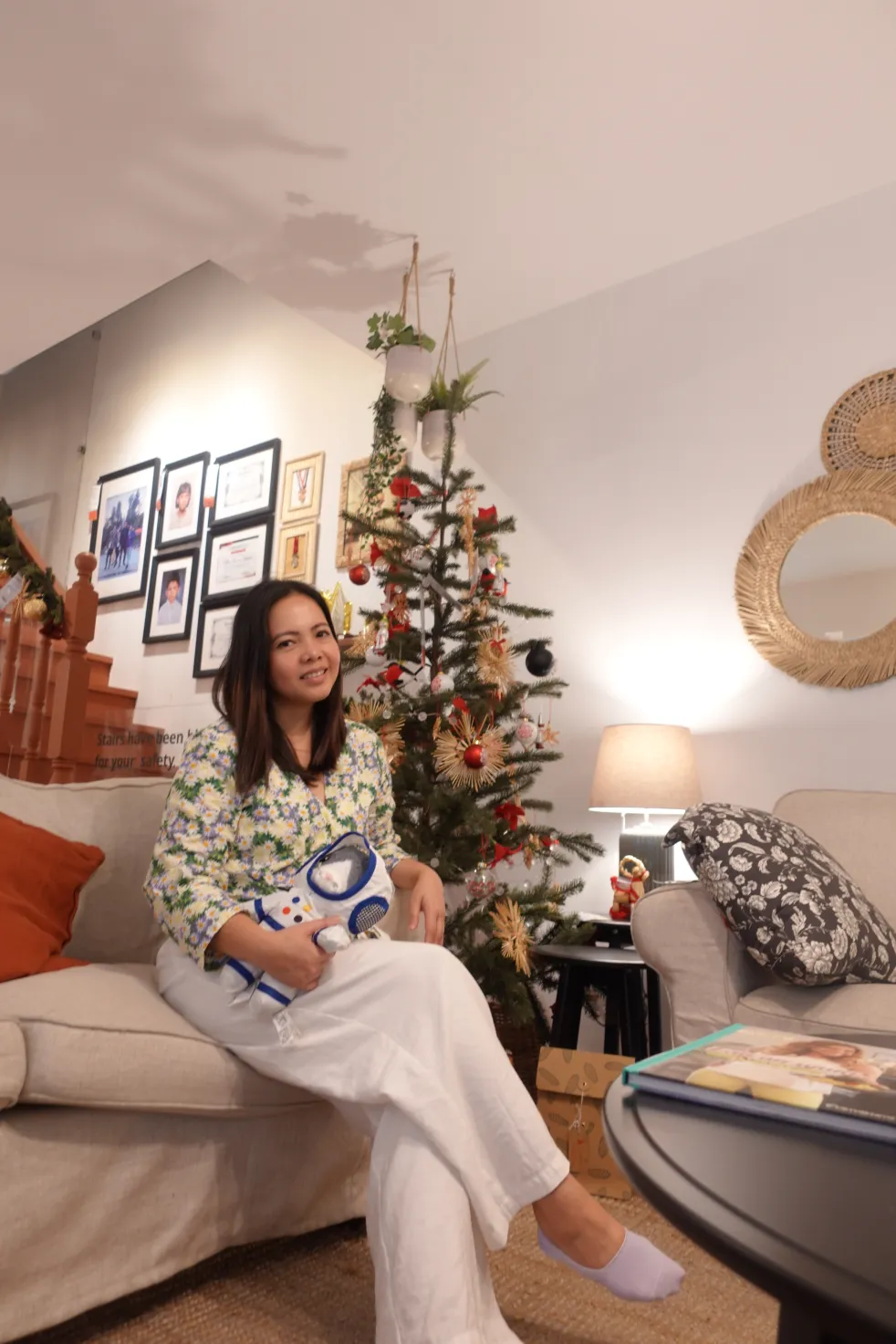
Last August, IKEA Philippines engaged with Better World Smokey Mountain, a newly opened community center operated by the San Miguel Foundation, which shares a similar goal of improving the lives of many Filipino people. Through this partnership, IKEA Philippines provided and assembled home furnishings for the classrooms and library of Better World Smokey Mountain community… Continue reading Help Create a Better World with IKEA Soft Toys
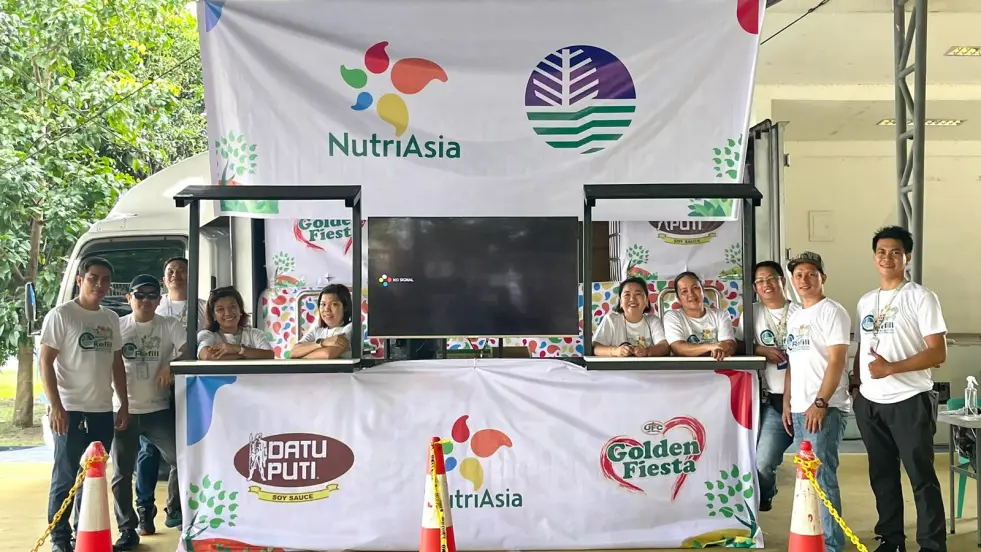
NutriAsia, the country’s top producer of condiments and sauces, continues its support of Refill Revolution; a project by the Department of Environment and Natural Resources EMB 3 that aims to help reduce Filipinos’ single-use plastics consumption. At Refill Revolution, residents get to recycle their single-use plastic bottles by reusing and filling it with their choice… Continue reading NutriAsia and DENR renews partnership for Refill Revolution
Best Books for Raising Bilingual Children
Raising a child with two languages is a meaningful family journey, whether your home languages are Filipino and English, Cebuano and Filipino, or any other combination. Books can make that journey feel natural by bringing both languages into familiar routines, playful conversations, and emotionally rich stories.
A strong bilingual library does more than teach vocabulary. It helps children connect language with family members, cultural traditions, humor, imagination, and everyday experiences. The best choices will depend on your child’s age, interests, reading level, and exposure to each language.
Parents do not need to read every sentence perfectly in both languages. A warm voice, repeated reading, and regular access to stories matter more than creating formal lessons. Even ten minutes of shared reading can strengthen comprehension and make a less-heard home language feel important.
Why bilingual books matter at home
Children learn language through meaningful interaction. When a parent points to a picture, names an object, pauses for a response, or connects a story to real life, the child receives more than translated words. They hear rhythm, sentence patterns, and the emotional purpose of communication.
Parallel-language books can also reduce the pressure to “perform” in a second language. A child may understand more than they can say, especially during the early stages of bilingual development. Repeated stories give them time to listen, predict, and gradually participate without correction interrupting the experience.
Representation matters as well. Stories that include grandparents, mixed-language families, migration, local traditions, and familiar foods can reassure children that their family life belongs in books. When a child sees their languages treated with affection, they are more likely to use them with confidence.
Features to look for when choosing titles
Look for books with clear illustrations, repeated phrases, and a manageable amount of text. Predictable language allows young listeners to join in, while picture clues help them understand a word even when they have not heard it before. Rhyming books and songs are especially useful for developing sound awareness.
A bilingual edition may place both languages on the same page, alternate languages across pages, or provide one complete version after the other. There is no single best format. Side-by-side text can support parents who are learning, while separate-language pages may create a smoother storytelling rhythm.
Choose books that invite conversation rather than simply presenting vocabulary. A story about a market, a rainy day, or a family meal can lead to useful phrases your child will hear outside reading time. For families in the Philippines, books that reflect local names, settings, food, and celebrations can make English, Filipino, and regional languages feel connected rather than separated.
Picture books for babies and preschoolers
For babies, start with sturdy board books featuring faces, animals, body parts, colors, and daily routines. Titles such as My First Bilingual Book—Animals and other bilingual picture dictionaries are useful because each page introduces one clear concept. They work well for pointing, labeling, and repeating the same words throughout the week.
Brown Bear, Brown Bear, What Do You See? / Oso pardo, oso pardo, ¿qué ves ahí? is a popular choice for families using English and Spanish because its repeating structure encourages participation. The same principle applies to any bilingual edition with a steady pattern: children can anticipate the next phrase and begin filling in the words.
Nursery rhyme collections such as ¡Pío Peep! Traditional Spanish Nursery Rhymes introduce music, rhythm, and cultural expression. Songs are particularly valuable when one language is less frequently spoken at home. They can be enjoyed during bath time, travel, or play without feeling like academic practice.
For slightly older preschoolers, Mango, Abuela, and Me offers a gentle story about a grandmother and granddaughter learning to communicate across languages. It is primarily an English-language picture book with Spanish words and cultural context, making it a helpful bridge for families who want to discuss patience, affection, and language learning.
Stories that support identity and confidence
As children grow, choose stories that show bilingualism as part of a full identity rather than a problem to solve. Alma and How She Got Her Name celebrates family history and the meaning carried by names. It can encourage conversations about relatives, pronunciation, nicknames, and the stories behind a child’s own name.
Where Are You From? by Yamile Saied Méndez explores belonging through a child’s question about her origins. It is a valuable read for families whose children move between cultures or receive comments about looking or sounding different. Parents can use it to discuss heritage in an open, age-appropriate way.
Books do not need to contain equal amounts of both languages to support bilingual development. A beautifully written English story may inspire a parent to retell parts of it in Filipino, while a Filipino story may help a child hear expressive phrases that are not common in school. Retelling, summarizing, and discussing the illustrations all count as valuable language exposure.
When selecting books for independent readers, consider dual-language readers, translated folktales, and parallel editions of familiar novels. Familiar plots reduce the mental effort required to follow the story, allowing children to focus on new vocabulary and sentence structure.
A practical shelf for different ages
The following guide can help families create a balanced collection. Availability and translations vary, so check the edition carefully before buying. Some books may be published in English and Spanish rather than English and Filipino, but the reading strategies can still be adapted to your family’s languages.
| Age or stage | Useful book type | Examples | How to use it |
|---|---|---|---|
| Babies and toddlers | Board books with objects and pictures | My First Bilingual Book—Animals, bilingual first-word books | Point, name, repeat, and connect each word to objects at home |
| Toddlers | Repetitive stories and rhymes | Brown Bear, Brown Bear bilingual editions, nursery rhyme collections | Pause before repeated words so your child can join in |
| Preschoolers | Family and relationship stories | Mango, Abuela, and Me, cultural picture books | Talk about feelings, relatives, food, and familiar routines |
| Early readers | Parallel texts and translated stories | Dual-language readers and folk tales | Read in the stronger language, then revisit key parts in the other |
| Parents and caregivers | Research-based parenting guides | The Bilingual Edge, 7 Steps to Raising a Bilingual Child | Use them to set realistic routines and understand language exposure |
A mixed shelf is often more useful than a collection made entirely of instructional books. Keep some titles for comfort, some for humor, and some for learning. Children may request the same simple story for weeks, and that repetition is a strength rather than a sign that they need something more advanced.
Parent guides and everyday reading routines
Parent-focused books can help caregivers understand common bilingual patterns. The Bilingual Edge by Kendall King and Alison Mackey discusses practical ways to support two languages in daily life, while 7 Steps to Raising a Bilingual Child by Naomi Steiner offers a structured approach for families planning language routines. These guides should be treated as tools, not strict rules.
Children may have a larger vocabulary in one language and still be developing normally. They might answer in English after hearing Filipino, mix languages in one sentence, or use a family member’s preferred language only in particular settings. Gentle modeling is usually more helpful than demanding that a child repeat a “correct” translation.
Build reading into routines that already exist. A short story before sleep, a picture book after school, or a rhyme while preparing lunch can be easier to maintain than a formal language session. On busy school mornings, families can pair a brief bilingual book with quick breakfast ideas and save longer reading for the evening.
Adults can also divide language roles naturally. One parent might usually read in Filipino while another reads in English, or the family might use one language for bedtime and another for weekend activities. The arrangement can change as children’s needs, schedules, and confidence develop.
Recommendations for building a lasting library
A thoughtful home collection can grow gradually. Borrow books from a public library, school library, community group, or relatives before purchasing several titles. Pay attention to which books your child returns to, which words they repeat, and which stories lead to conversations.
- Start with five to eight high-interest books instead of buying many titles at once.
- Include at least one book that reflects your child’s family, culture, or community.
- Add songs, rhymes, and nonfiction picture books alongside fictional stories.
- Keep books in both languages within easy reach, rather than storing one language separately.
- Revisit favorite books often and invite your child to retell the story using pictures.
It is also worth checking whether a book uses the variety of a language your family speaks. Filipino vocabulary and expressions can differ from other varieties of the language, just as regional Philippine languages have their own sounds and structures. A familiar word that fits your household is often more useful than a technically accurate word your family never uses.
The goal is a reading environment where both languages have a real purpose. A child should be able to laugh, ask questions, learn facts, and feel comforted in either language. Books provide the doorway, but the conversation around them is where much of the learning happens.
Choose one appealing bilingual or culturally relevant book this week, read it repeatedly, and make space for your child’s responses in any language. With patience and consistency, a small collection can become a daily source of connection, confidence, and lifelong love of reading.
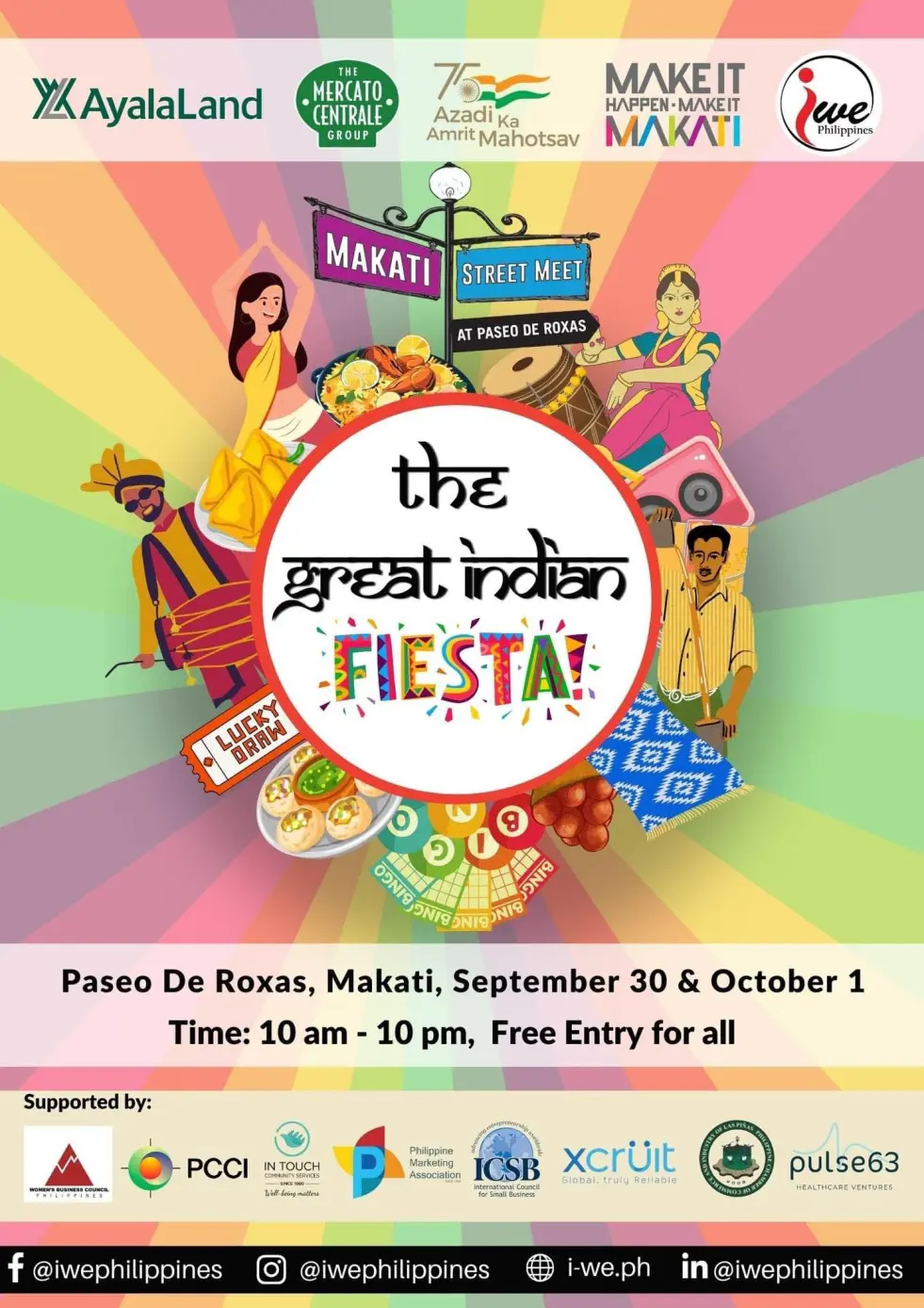
Mercato Centrale, in collaboration with Indian Women in Enterprise Philippines (I-We), is set to host "The Great Indian Fiesta" to mark 75 years of friendship between India and the Philippines. The dynamic two-day event is scheduled to take place on September 30 to October 1, 2023, at Paseo De Roxas Street, Makati City. Aiming to… Continue reading Mercato Centrale Partners with I-We to Host ‘The Great Indian Fiesta’, Commemorating 75 Years of India-Philippines Friendship

My stomach would usually start growling at 10 am even after taking a big breakfast. This is probably because I am a morning person and I move a lot throughout the day hence snacking is something that I can't avoid. This potatoes and chicken wrap recipe is easy to prepare and would keep me full… Continue reading Potato and Chicken Wrap
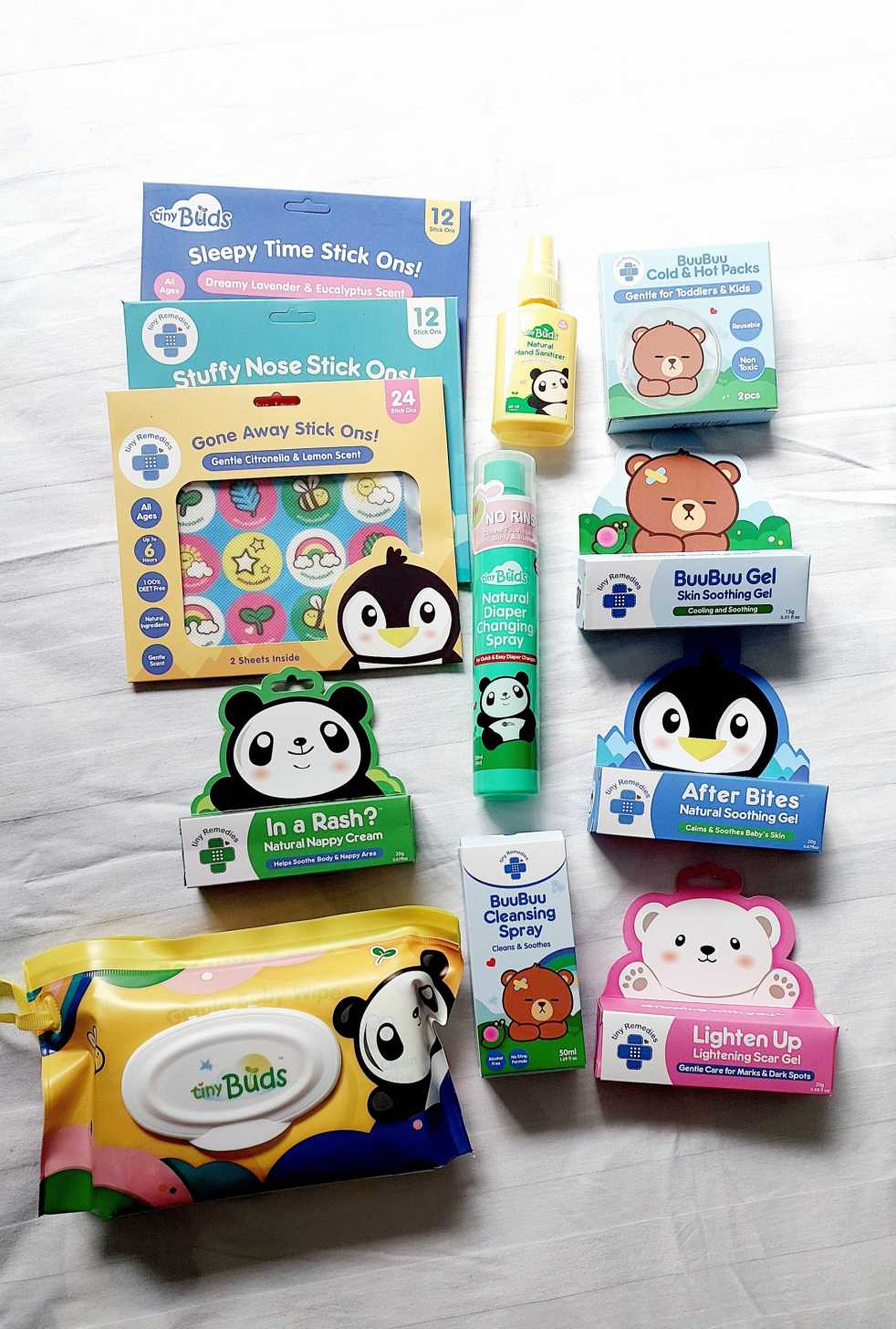
Your baby’s skin is more delicate than most, this is why you have to choose products that are designed for sensitive skin. Tiny Buds is a pioneer in integrating natural ingredients into baby care and today has over 50 innovative natural baby care essentials and is one of the Top Baby Personal Care brands. Here… Continue reading Product Review: Tiny Buds Baby Naturals Baby Essentials
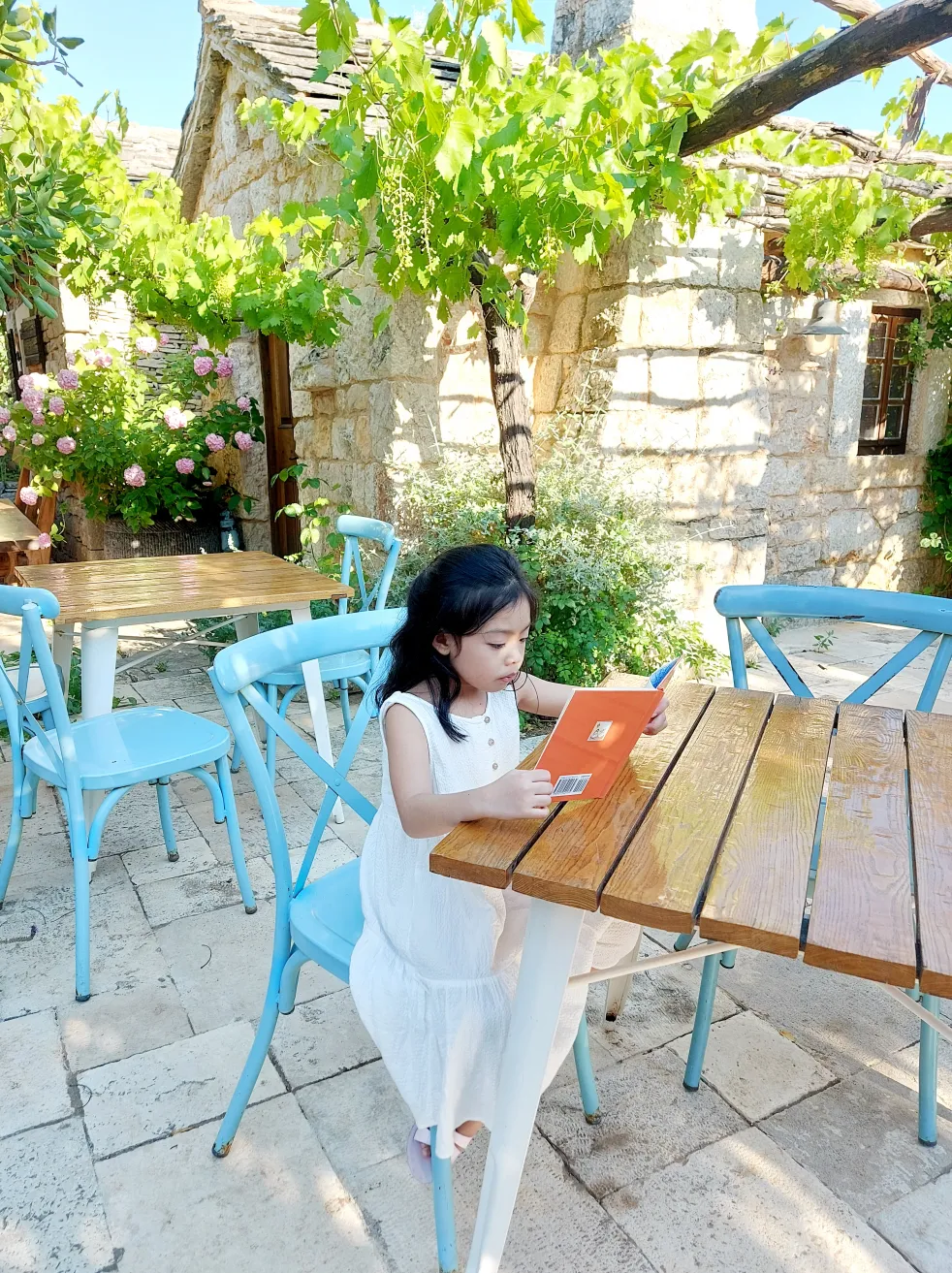
Where your child goes to school is a big decision and shouldn’t be taken lightly. Given how their education can impact their future, you might be tempted to take control and decide for them. However, you might be doing more damage than helping them in the long run. Your job as parents is to support… Continue reading HOW TO CHOOSE THE BEST SCHOOL FOR YOUR CHILD
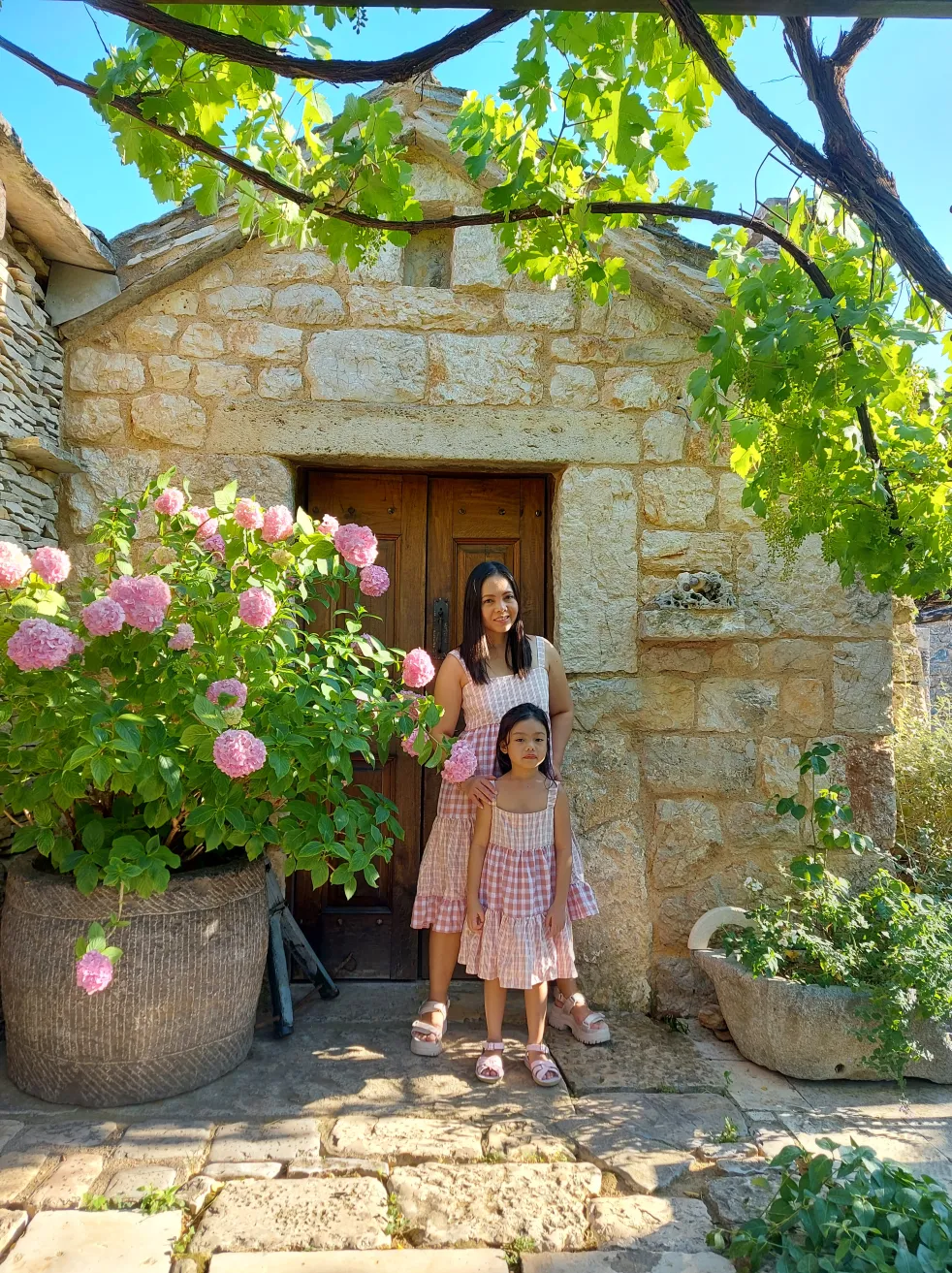
As poet and philosopher Rumi once eloquently said, “raise your words, not your voice. It is rain that grows flowers, not thunder.” Parenting is a challenging journey, and the truth is that nobody has everything figured out. One parenting style might suit others best, and some might favor other methods. However, children respond better to… Continue reading A SIMPLE GUIDE TO GENTLE PARENTING
Whether you’re a new mom to be, mom of a toddler, mom who have school-aged kids, you’re bound to have so many questions. Let's start with your baby's skin. Infant skin has unique needs; gentle care is essential to prevent damage to the skin barrier, which can lead to irritation. When caring for infant skin,… Continue reading Keeping Baby’s Diapered Skin Healthy
As parents, we want to give our child the best possible start in life and that begins with nurturing their intelligence. Throughout history, the notion of success has been linked to academic intelligence. However, there has been an increased awareness on the importance of emotional intelligence. This question gets at the heart of the never-ending… Continue reading IQ or EQ, which one is a better predictor of your child’s success?
 wondermomma.net