

Last August, IKEA Philippines engaged with Better World Smokey Mountain, a newly opened community center operated by the San Miguel Foundation, which shares a similar goal of improving the lives of many Filipino people. Through this partnership, IKEA Philippines provided and assembled home furnishings for the classrooms and library of Better World Smokey Mountain community… Continue reading Help Create a Better World with IKEA Soft Toys

NutriAsia, the country’s top producer of condiments and sauces, continues its support of Refill Revolution; a project by the Department of Environment and Natural Resources EMB 3 that aims to help reduce Filipinos’ single-use plastics consumption. At Refill Revolution, residents get to recycle their single-use plastic bottles by reusing and filling it with their choice… Continue reading NutriAsia and DENR renews partnership for Refill Revolution

Avoiding power struggles during diaper changes
Diaper changes are a frequent part of the first few years, yet they can feel surprisingly draining when a child resists the clean-up. A toddler may arch, grab the wipe or run away, while a baby may simply protest through tears. These reactions say more about the moment than about your parenting or your child’s character.
Power struggles often appear when the adult feels rushed and the child feels cornered. The nappy is small, but the feelings around it can be big: frustration at being undressed, fear of the cold, urgency to return to play, or a wish to do something independently. Recognising the tension helps us respond rather than take it personally.
Gentle parenting does not mean allowing a dirty nappy to stay, giving in after a long argument or pretending every boundary is negotiable. It means protecting the child’s dignity while keeping the care they need. Firm, kind limits and simple choices can reduce daily battles without turning each change into a contest of wills.
The goal is a routine your child can trust, not a perfectly silent change every time. You are building communication, body awareness and self-regulation. Each calm exchange teaches that feelings can be felt, limits can be respected, and grown-ups will still help when the body needs attention.
Understand why resistance feels natural
Toddlers are learning that their actions affect other people, but language and impulse control are still developing. Doing something themselves can feel more satisfying than having an adult do it to them. Refusal may therefore be a form of agency rather than deliberate defiance, especially when a child can see and control part of the nappy change.
Watch for the signals that precede a struggle. Turning away, stiffening, covering the face or reaching for a toy may show that your child feels rushed or anxious. A tired, hungry or overstimulated child often has less capacity for cooperation, so timing and simple preparation can make a noticeable difference.
It also helps to separate a preference from a serious concern. A child may object to the cold wipe but settle when a familiar song starts. If resistance regularly comes with pain, unusual discomfort or a persistent rash, arrange advice from a health professional rather than treating every reaction as stubborn behaviour.
Build a predictable change routine
Have the essentials within reach before beginning: a clean nappy, wipes, barrier cream, a rubbish bag and a spare outfit. Set up on the floor or a stable change mat, and keep one hand on your baby or toddler. Never leave a baby unattended on a raised changing table, even briefly, as a roll or sudden movement can create a serious fall risk.
Choose a calm window when possible, such as after a feed or before a quiet play session. Give a little time after feeding for your baby to settle, but do not leave a soaking or leaking nappy in place. Comfort, skin health and the child’s immediate experience matter more than maintaining an exact timetable.
A repeated sequence gives everyone useful cues. Say “nappy time”, use the same song, clean, fasten and finish. Let your child participate within safe limits by fetching the wipe packet or holding the clean nappy. Keep the central routine familiar while adapting the timing to illness, travel and changing family schedules.
Offer connection before and during changes
Talk before you touch. A simple explanation such as “I’m going to change your nappy now” reduces surprise, while a calm description of each step helps your child understand what is happening. If they push your hand away, acknowledge it and pause for a moment before reconnecting.
Connection can be quiet. A hand on the chest, a steady voice and a slow count from five to ten may be enough. Some children prefer a familiar song, while others respond to playful counting or a clear picture of the steps. The helpful cue is the one your child already associates with safe, predictable care.
Your own state matters too. If you feel close to losing patience, place the baby safely on the floor, take a breath and ask another adult for help. A caregiver does not need to feel perfectly composed to remain gentle. Returning with a calmer voice models recovery and teaches children that strong feelings can settle.
Use boundaries that leave room for choice
Offer choices only when both answers are acceptable. A toddler might choose between two nappies, choose which arm to clean first, or decide whether the mat should be blue or green. These small decisions restore control without creating an open-ended negotiation about whether the change will happen.
Some limits need to remain firm regardless of the choice offered. Your child’s feet can stay on the mat while you finish, or you can say, “You can sit or stand while I clean.” Both options preserve safety and recognise a mobile child’s need for movement. Do not bargain over whether a leaking or soiled nappy gets changed.
Follow through kindly. If your child keeps their hands still, acknowledge the effort with something specific such as “Thank you for staying still so I could finish.” If tears arrive, remain nearby and offer comfort without withdrawing the boundary. Consistency teaches that limits are dependable, not signs that the adult has changed their mind.
Handle tears, delays and difficult days
When a child cries, acknowledge the feeling without surrendering the care they need. “I know you want to keep playing, and I know the change is uncomfortable. I’m going to finish the nappy, then we can go back to your game.” During peak distress, fewer words often carry more weight than a long explanation.
Small delays can sometimes bridge the transition. Offer a brief breathing exercise, look at a picture book, sing one verse of a familiar song or give your child ten seconds to say goodbye to the toy. Keep the delay short and consistent so it does not become a new negotiation. Comfort should support the routine rather than replace it.
Illness, travel and unfamiliar carers can make nappy changes harder. If the change can safely wait, choose a calmer moment; if it cannot, explain the urgency and involve another adult. Seek medical advice for a persistent rash, sores or unusual discomfort, and for a rash accompanied by blisters, pus or fever. Pain should never be dismissed as a behavioural phase.
Make calm care part of family life
Share the same cue words and boundaries with partners, grandparents and childcare educators. A consistent phrase such as “nappy time” gives your child continuity when another trusted adult takes over. Australian childcare centres often require labelled nappies, wipes, barrier cream and spare clothes, so check each centre’s policies and replenish the bag regularly.
Local availability can make preparation easier. Supermarkets such as Coles and Woolworths stock common nappy sizes and styles, while a pharmacist at a local chemist can explain barrier cream ingredients and application directions. Buying a familiar size in advance avoids the temptation to rush through a shop when your child is already uncomfortable.
Local outings require a little planning. Many council-run playgrounds and libraries offer parent rooms or accessible changing facilities, although availability varies; check the relevant council website before leaving home. During an arvo playdate, a familiar tea-time routine can be a reassuring cue before the nappy change. In Melbourne’s changeable weather or Brisbane’s humid summers, pack a breathable outfit and a dry spare. Swim nappies need prompt replacement after beach outings too.
Different moments call for different responses:
| Approach | What it looks like | Why it helps | When it fits |
|---|---|---|---|
| Connection first | Acknowledge the feeling, use a calm voice and explain each step | Builds safety and co-regulation | A child seems anxious or surprised |
| Bounded choice | Offer two acceptable options, such as which nappy or which arm to clean first | Preserves agency without endless negotiation | A toddler wants control over the steps |
| Clear limit with movement | Keep feet on the mat while allowing sitting, standing or a brief pause | Protects safety while respecting the need for movement | A mobile child resists staying still |
| Predictable routine | Use the same cue, song and order each time | Reduces uncertainty and saves energy for both of you | Everyday changes and busy family periods |
No single approach will suit every child or every day. Read the cues, choose the least complicated response and remain warm. A boundary can hold a child’s comfort, dignity and safety at the same time, helping nappy changes become a dependable part of family life rather than a recurring confrontation.

Mercato Centrale, in collaboration with Indian Women in Enterprise Philippines (I-We), is set to host "The Great Indian Fiesta" to mark 75 years of friendship between India and the Philippines. The dynamic two-day event is scheduled to take place on September 30 to October 1, 2023, at Paseo De Roxas Street, Makati City. Aiming to… Continue reading Mercato Centrale Partners with I-We to Host ‘The Great Indian Fiesta’, Commemorating 75 Years of India-Philippines Friendship

My stomach would usually start growling at 10 am even after taking a big breakfast. This is probably because I am a morning person and I move a lot throughout the day hence snacking is something that I can't avoid. This potatoes and chicken wrap recipe is easy to prepare and would keep me full… Continue reading Potato and Chicken Wrap
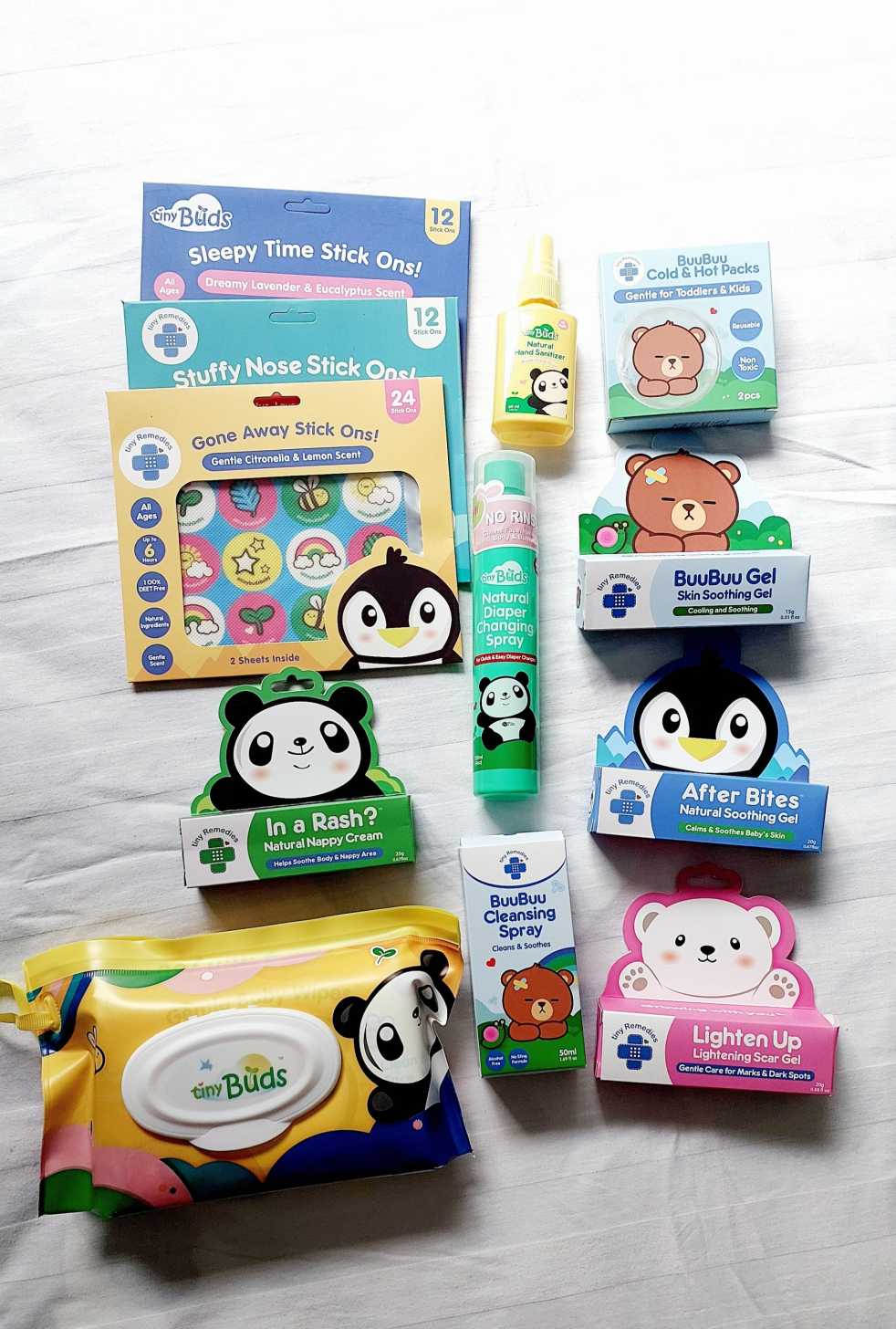
Your baby’s skin is more delicate than most, this is why you have to choose products that are designed for sensitive skin. Tiny Buds is a pioneer in integrating natural ingredients into baby care and today has over 50 innovative natural baby care essentials and is one of the Top Baby Personal Care brands. Here… Continue reading Product Review: Tiny Buds Baby Naturals Baby Essentials
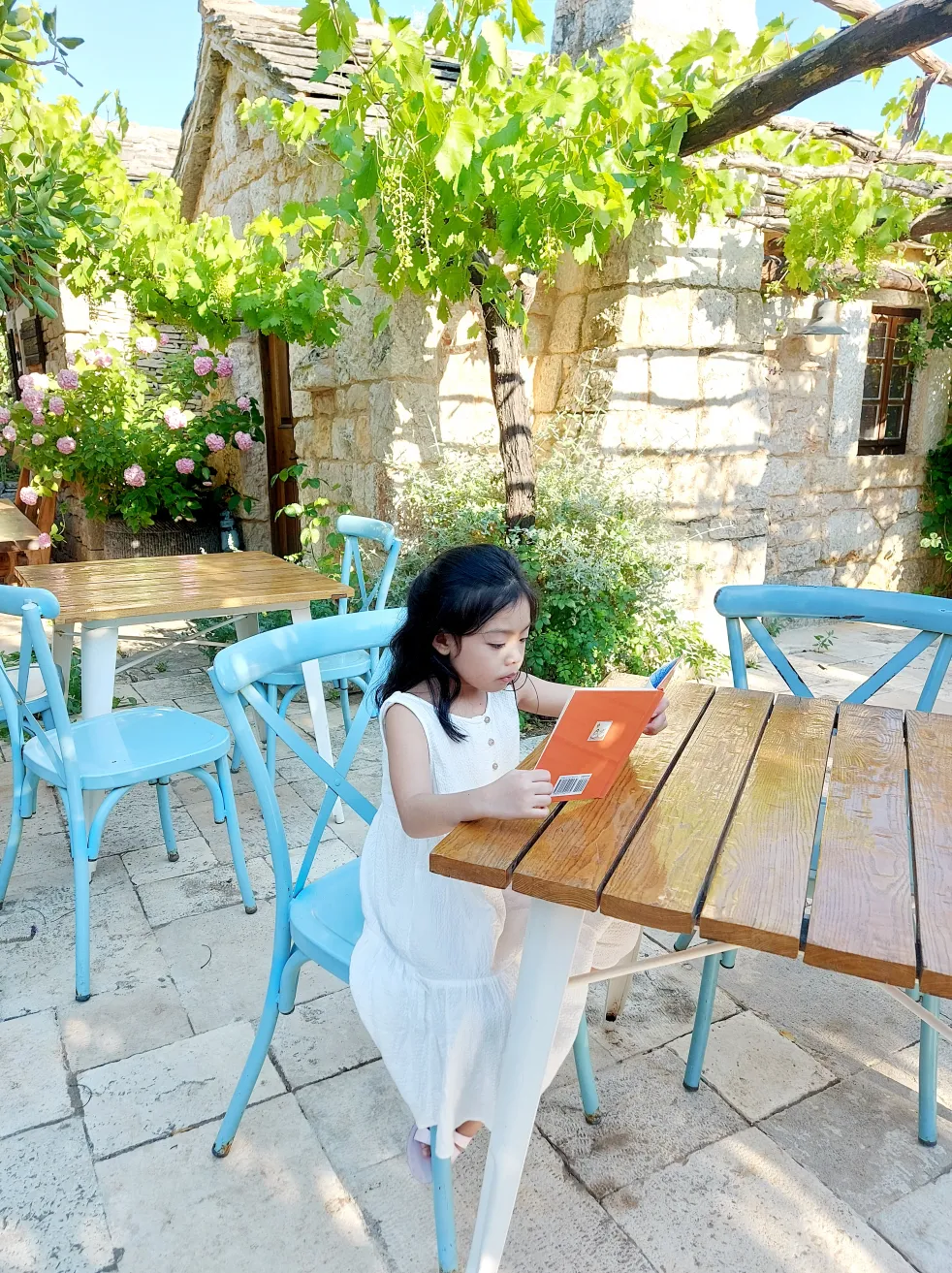
Where your child goes to school is a big decision and shouldn’t be taken lightly. Given how their education can impact their future, you might be tempted to take control and decide for them. However, you might be doing more damage than helping them in the long run. Your job as parents is to support… Continue reading HOW TO CHOOSE THE BEST SCHOOL FOR YOUR CHILD

As poet and philosopher Rumi once eloquently said, “raise your words, not your voice. It is rain that grows flowers, not thunder.” Parenting is a challenging journey, and the truth is that nobody has everything figured out. One parenting style might suit others best, and some might favor other methods. However, children respond better to… Continue reading A SIMPLE GUIDE TO GENTLE PARENTING

Whether you’re a new mom to be, mom of a toddler, mom who have school-aged kids, you’re bound to have so many questions. Let's start with your baby's skin. Infant skin has unique needs; gentle care is essential to prevent damage to the skin barrier, which can lead to irritation. When caring for infant skin,… Continue reading Keeping Baby’s Diapered Skin Healthy
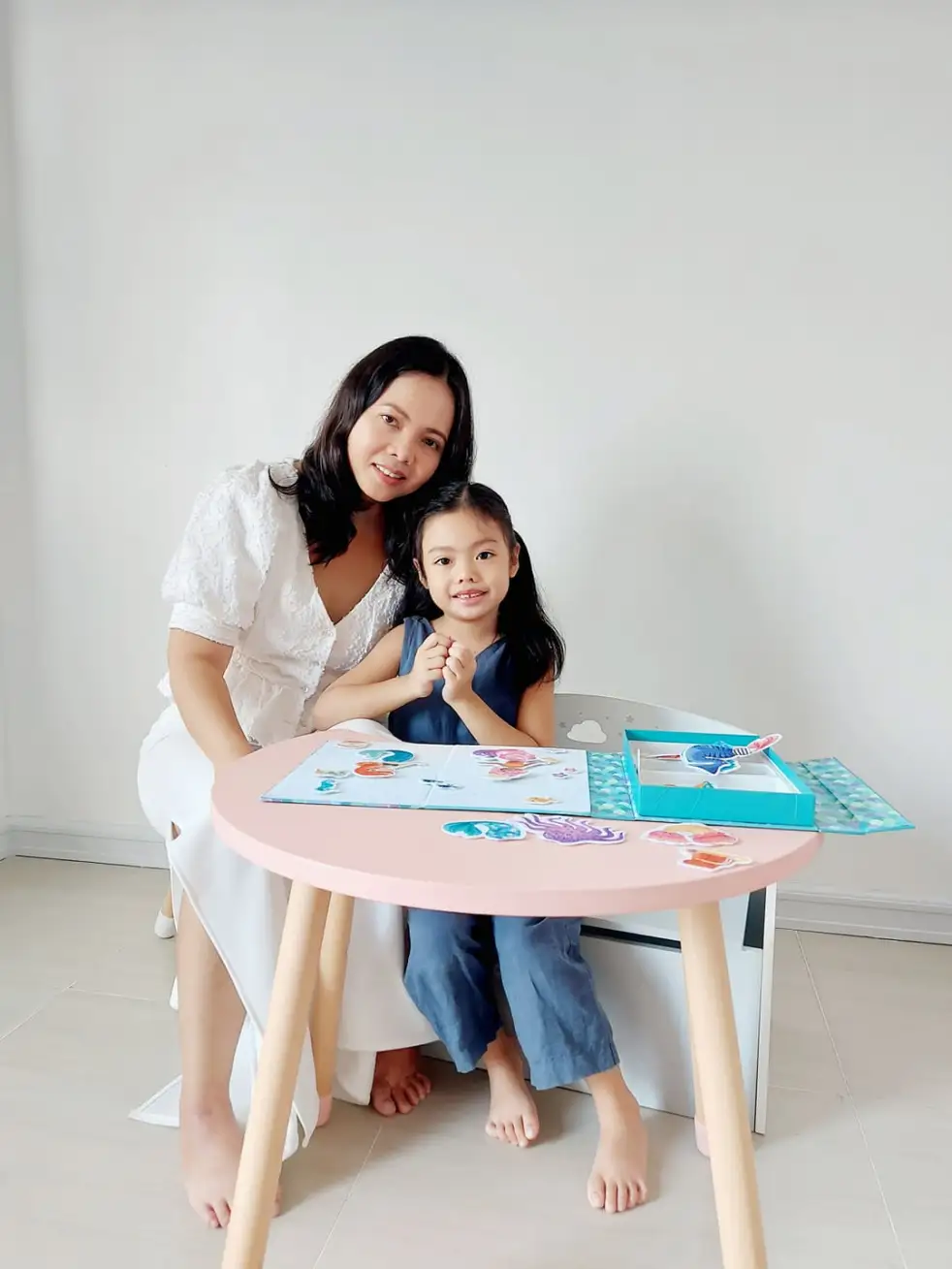
As parents, we want to give our child the best possible start in life and that begins with nurturing their intelligence. Throughout history, the notion of success has been linked to academic intelligence. However, there has been an increased awareness on the importance of emotional intelligence. This question gets at the heart of the never-ending… Continue reading IQ or EQ, which one is a better predictor of your child’s success?
 wondermomma.net