

Last August, IKEA Philippines engaged with Better World Smokey Mountain, a newly opened community center operated by the San Miguel Foundation, which shares a similar goal of improving the lives of many Filipino people. Through this partnership, IKEA Philippines provided and assembled home furnishings for the classrooms and library of Better World Smokey Mountain community… Continue reading Help Create a Better World with IKEA Soft Toys

NutriAsia, the country’s top producer of condiments and sauces, continues its support of Refill Revolution; a project by the Department of Environment and Natural Resources EMB 3 that aims to help reduce Filipinos’ single-use plastics consumption. At Refill Revolution, residents get to recycle their single-use plastic bottles by reusing and filling it with their choice… Continue reading NutriAsia and DENR renews partnership for Refill Revolution

Helping Children Feel Safer About Doctor Visits
A trip to the doctor can feel overwhelming for a child. Unfamiliar rooms, bright lights, medical equipment and the possibility of an injection may trigger fear, even when the appointment is routine. Some children cry, hide, become angry or complain of a tummy ache before leaving home.
Addressing your child’s anxiety about doctor visits starts with recognising that their reaction is real. Telling them to “be brave” may seem encouraging, but it can suggest that fear is wrong or shameful. Calm preparation, honest information and a sense of control are usually more helpful.
Australian families may visit a bulk-billing GP, a family medical practice, a child and family health nurse or a specialist clinic. The setting can vary from a small suburban surgery to a large hospital such as the Royal Children’s Hospital Melbourne or Sydney Children’s Hospital.
A supportive approach does not promise that nothing uncomfortable will happen. Instead, it helps children understand what to expect and shows them that trusted adults will stay close, listen to their concerns and help them manage each step.
Understand What Is Behind The Fear
A child may be anxious because of a previous painful experience, fear of needles, worry about being touched or uncertainty about what the doctor will do. Younger children can also believe that a routine check-up is punishment for something they have done. Their imagination may fill in details that adults consider obvious.
Ask gentle, specific questions when your child is relaxed. “What part feels tricky?” or “Are you worried about the waiting room, the doctor or the needle?” can reveal the real concern. Avoid asking repeatedly whether they are scared, as this can unintentionally increase their focus on fear.
Watch for signs that anxiety is affecting daily life. Trouble sleeping before an appointment, repeated reassurance-seeking, refusing food, vomiting, panic or avoiding school and activities may indicate that your child needs additional emotional support. A GP can help assess persistent anxiety and recommend a child psychologist or other appropriate service.
Prepare With Honest, Simple Information
Give information gradually rather than describing every possible procedure days in advance. Explain where you are going, who you may see and how long the visit is likely to take. For example, you might say, “The doctor will listen to your chest, look in your ears and ask how your body feels.”
Use clear language about discomfort. If an injection is possible, avoid saying, “It won’t hurt at all.” A more trustworthy explanation is, “You may feel a quick pinch. It will be over quickly, and I will help you breathe through it.” Children generally cope better when adults are truthful without making the procedure sound frightening.
Role-play with a teddy bear, toy medical kit or a pretend appointment. Let your child examine a toy stethoscope, practise opening their mouth or rehearse telling the doctor, “Please explain first.” Books and short child-friendly videos can help, though parents should preview them to ensure the content suits the child’s age and temperament.
Give Children Safe Choices
A medical appointment involves some decisions that adults must make, but children can still have a meaningful sense of control. Offer two acceptable options rather than an open-ended choice. They might choose whether to sit on your lap or the chair, which arm the doctor examines first, or whether to bring a toy or blanket.
Before the visit, tell the practice that your child is nervous. Reception staff may be able to arrange a quieter waiting area, a less busy appointment time or extra time with the GP. In Australia, many clinics are familiar with supporting children who have sensory sensitivities, developmental differences or previous medical trauma.
During the consultation, ask the clinician to explain each step before beginning. Your child can practise saying “pause” or raising a hand when they need a moment. This does not mean that every examination can stop immediately, particularly in an emergency, but it gives the child a clear way to communicate discomfort.
Use Calming Strategies Before And During The Visit
Practise calming skills at home when your child is already settled. Slow breathing, squeezing a soft ball, counting objects in the room or listening to a familiar song can reduce physical tension. Keep the language simple: “Breathe in slowly through your nose, then let the air out like you are cooling hot Milo.”
Comfort from a parent or carer can be practical as well as emotional. Hold your child, maintain a calm voice and keep your face relaxed. If you feel uneasy around needles or medical settings, arrange another trusted adult to attend or take a few quiet breaths before speaking with your child.
Helpful Ways To Prepare
- Pack a favourite toy, comfort item, water bottle or headphones.
- Arrive with enough time to park and settle without rushing.
- Use a visual sequence such as “car, waiting room, check-up, home”.
- Plan a quiet activity for the journey afterwards.
Distraction can be useful during a routine examination or vaccination. Ask whether your child may watch a short video, blow bubbles, play “I Spy” or focus on a story. The most effective distraction is usually familiar and practised, rather than something introduced for the first time in the treatment room.
Words That Build Trust
- “You can tell the doctor when you need a short pause.”
- “I will stay with you and explain what is happening.”
- “It is okay to feel worried and still take the next small step.”
- “Let’s work out what will help your body feel safer.”
Respond Calmly To Tears And Resistance
Crying, hiding or refusing to enter the clinic is often a stress response rather than deliberate misbehaviour. Get down to your child’s level, use fewer words and acknowledge what you see: “Your body is telling us this feels scary.” Long explanations during a meltdown can add to the overload.
Avoid threats, bribes that feel like punishment or public criticism. A reward can be framed positively as part of the plan, such as choosing a playground stop, sticker or special story after the appointment. Praise the specific effort your child made, including walking into the clinic, answering one question or holding still for a few seconds.
If the appointment is non-urgent and your child is highly distressed, ask the clinician whether there is a gentler way to continue. Sometimes the doctor can begin while the child remains on a parent’s lap or can build familiarity before examining them. For urgent care, adults may need to authorise necessary treatment while offering as much explanation and comfort as possible.
Work With Your Healthcare Team
Parents do not need to manage medical fear alone. Tell the GP or nurse about previous difficult appointments, sensory triggers, communication needs and strategies that have worked. A good clinician can adjust their pace, use play, demonstrate equipment and speak directly to the child in an age-appropriate way.
For families in rural or remote Australia, travel to a larger regional hospital can make appointments more tiring. Telehealth may be suitable for some follow-up conversations, although physical examinations and procedures still require an in-person visit. Healthdirect can provide general health information and help families identify appropriate services, while Medicare details and bulk-billing policies vary between practices.
Aboriginal and Torres Strait Islander families may prefer a service with culturally safe care or an Aboriginal Community Controlled Health Organisation. Families who speak languages other than English can ask about an interpreter rather than relying on a child to translate. These arrangements can make the visit more respectful, predictable and comfortable.
| Situation | Helpful adult response | What to avoid |
|---|---|---|
| Fear of a needle | Explain the quick pinch, practise breathing and ask about distraction | Promising there will be no pain |
| Refusal to enter | Acknowledge the fear, offer two small choices and move slowly | Scolding or dragging the child in without explanation |
| Worry about examination | Describe the steps and ask the clinician to demonstrate first | Using vague warnings such as “The doctor will check everything” |
| Distress in the waiting room | Request a quieter space, use headphones or wait outside if appropriate | Expecting a distressed child to sit silently for a long period |
| Anxiety after a difficult visit | Talk about what happened, identify one helpful change and inform the clinic | Pretending the experience did not matter |
Build Confidence Between Appointments
Confidence grows through ordinary experiences, not just urgent medical visits. Let your child see you making a routine GP appointment, washing hands at the clinic or calmly asking a pharmacist for advice. Reading stories about body care and playing doctor at home can make medical language more familiar.
After the appointment, keep the conversation brief and positive. Ask what felt easier and what should be changed next time. Do not focus only on whether your child cried; coping may have looked like staying in the room, using a breathing exercise or accepting comfort.
For older children, include them in practical tasks such as checking the appointment time, writing down symptoms or preparing questions. Teenagers may prefer privacy for part of the consultation, while still wanting a parent nearby. Respecting their growing independence can reduce the feeling that healthcare is something being done to them.
A child may continue to feel nervous about doctors for a while, and that does not mean preparation has failed. With reliable information, respectful healthcare staff and steady support from home, appointments can become more predictable and manageable over time.

Mercato Centrale, in collaboration with Indian Women in Enterprise Philippines (I-We), is set to host "The Great Indian Fiesta" to mark 75 years of friendship between India and the Philippines. The dynamic two-day event is scheduled to take place on September 30 to October 1, 2023, at Paseo De Roxas Street, Makati City. Aiming to… Continue reading Mercato Centrale Partners with I-We to Host ‘The Great Indian Fiesta’, Commemorating 75 Years of India-Philippines Friendship

My stomach would usually start growling at 10 am even after taking a big breakfast. This is probably because I am a morning person and I move a lot throughout the day hence snacking is something that I can't avoid. This potatoes and chicken wrap recipe is easy to prepare and would keep me full… Continue reading Potato and Chicken Wrap
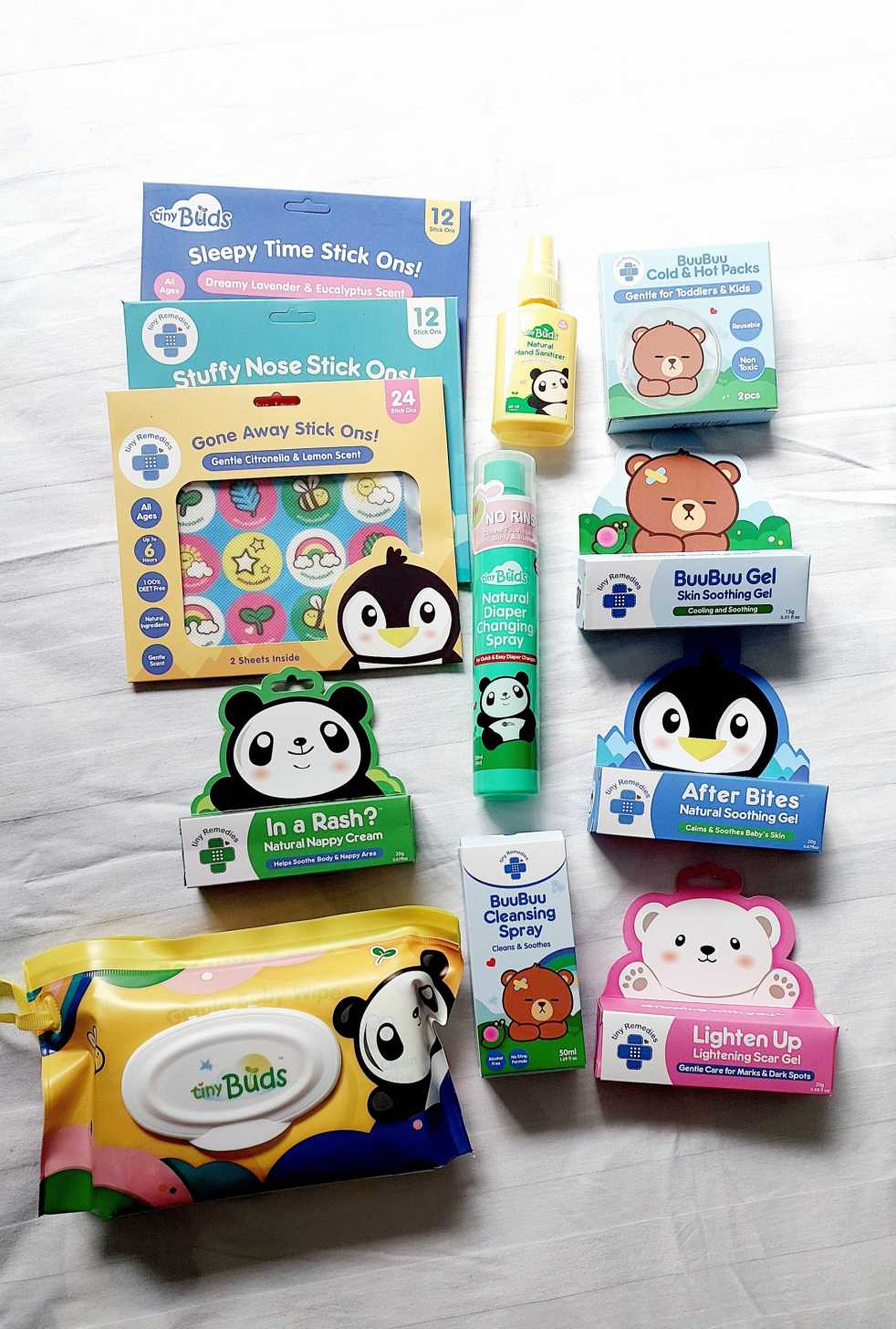
Your baby’s skin is more delicate than most, this is why you have to choose products that are designed for sensitive skin. Tiny Buds is a pioneer in integrating natural ingredients into baby care and today has over 50 innovative natural baby care essentials and is one of the Top Baby Personal Care brands. Here… Continue reading Product Review: Tiny Buds Baby Naturals Baby Essentials
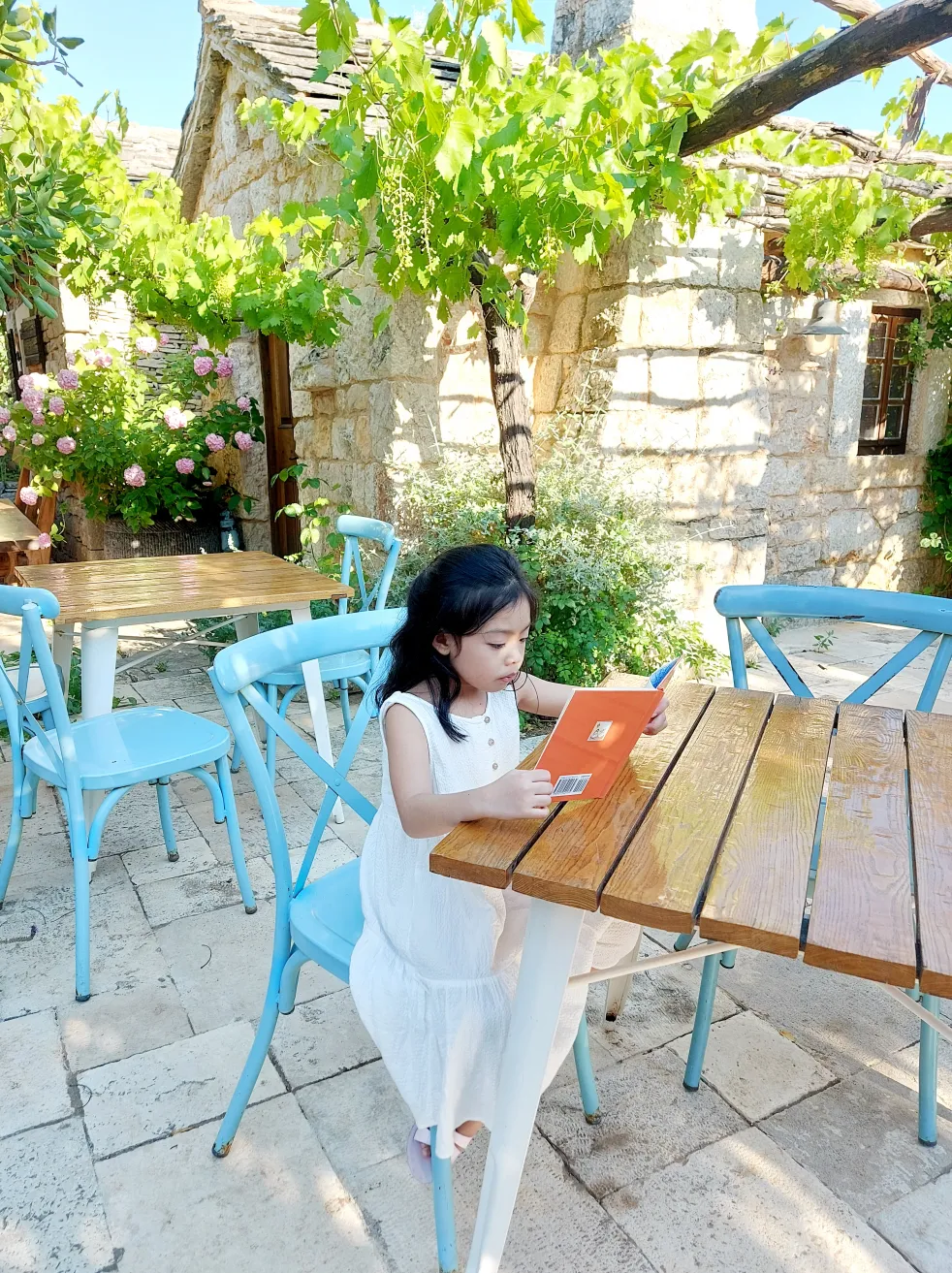
Where your child goes to school is a big decision and shouldn’t be taken lightly. Given how their education can impact their future, you might be tempted to take control and decide for them. However, you might be doing more damage than helping them in the long run. Your job as parents is to support… Continue reading HOW TO CHOOSE THE BEST SCHOOL FOR YOUR CHILD
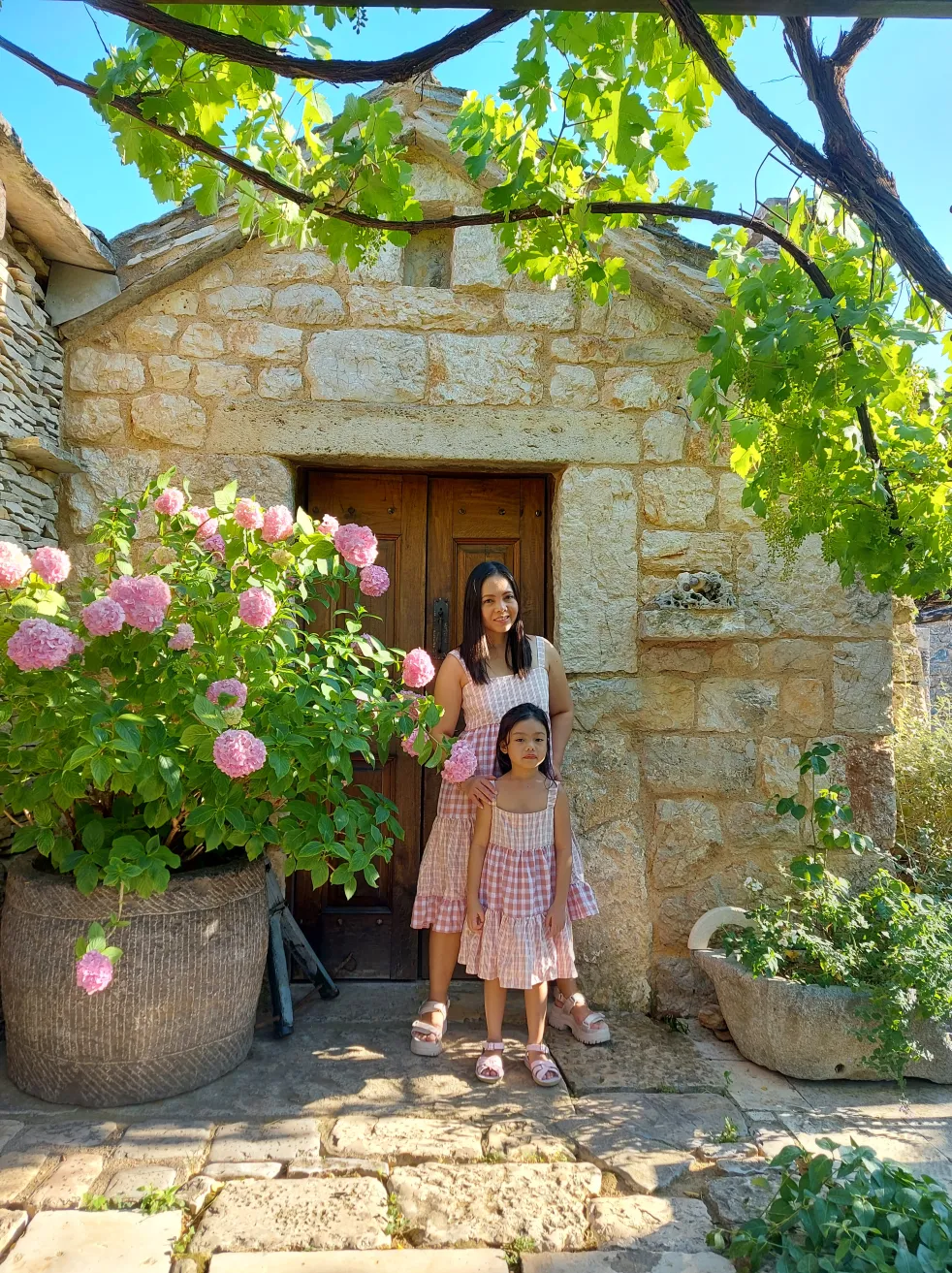
As poet and philosopher Rumi once eloquently said, “raise your words, not your voice. It is rain that grows flowers, not thunder.” Parenting is a challenging journey, and the truth is that nobody has everything figured out. One parenting style might suit others best, and some might favor other methods. However, children respond better to… Continue reading A SIMPLE GUIDE TO GENTLE PARENTING

Whether you’re a new mom to be, mom of a toddler, mom who have school-aged kids, you’re bound to have so many questions. Let's start with your baby's skin. Infant skin has unique needs; gentle care is essential to prevent damage to the skin barrier, which can lead to irritation. When caring for infant skin,… Continue reading Keeping Baby’s Diapered Skin Healthy
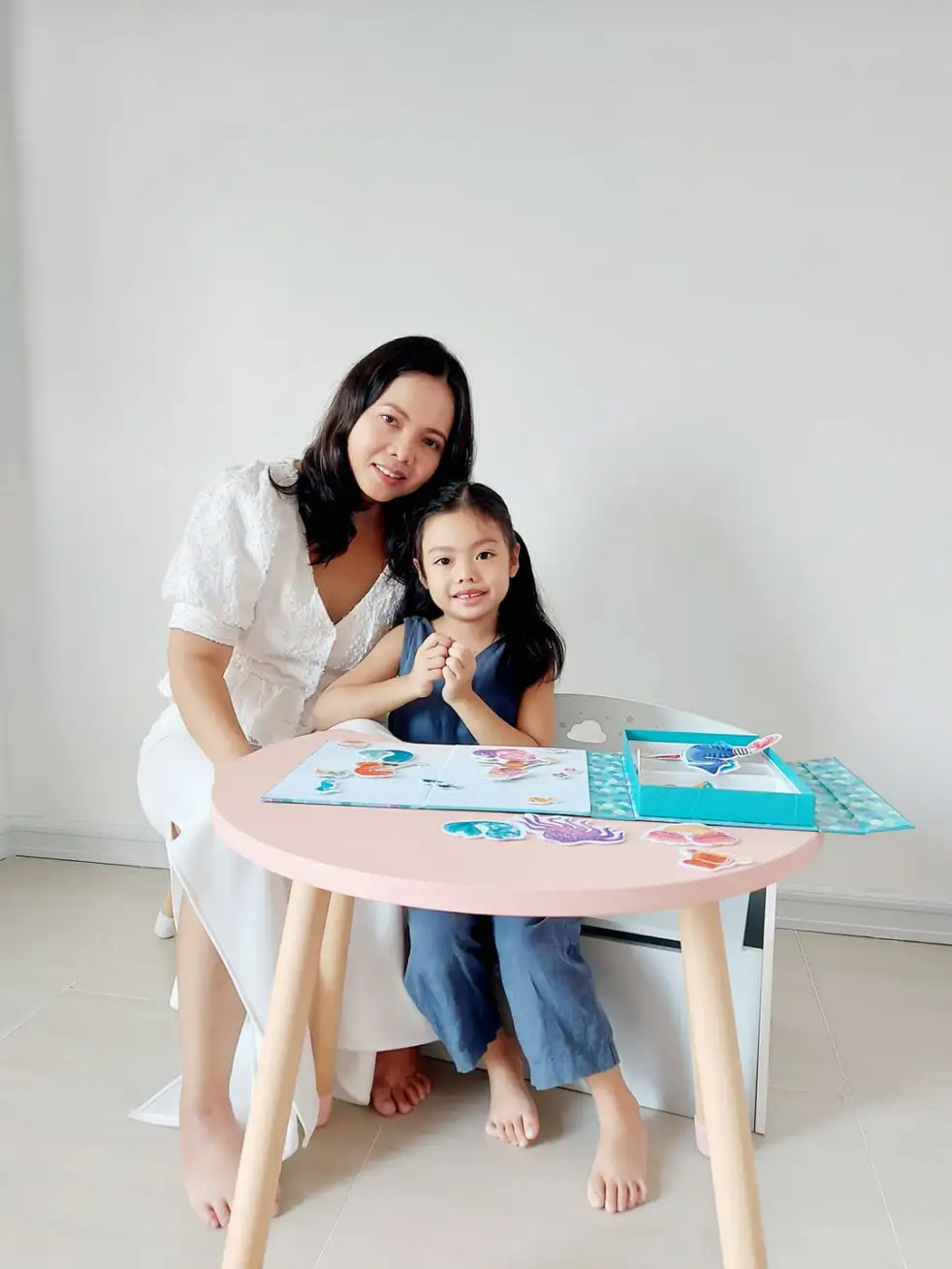
As parents, we want to give our child the best possible start in life and that begins with nurturing their intelligence. Throughout history, the notion of success has been linked to academic intelligence. However, there has been an increased awareness on the importance of emotional intelligence. This question gets at the heart of the never-ending… Continue reading IQ or EQ, which one is a better predictor of your child’s success?
 wondermomma.net