

Last August, IKEA Philippines engaged with Better World Smokey Mountain, a newly opened community center operated by the San Miguel Foundation, which shares a similar goal of improving the lives of many Filipino people. Through this partnership, IKEA Philippines provided and assembled home furnishings for the classrooms and library of Better World Smokey Mountain community… Continue reading Help Create a Better World with IKEA Soft Toys
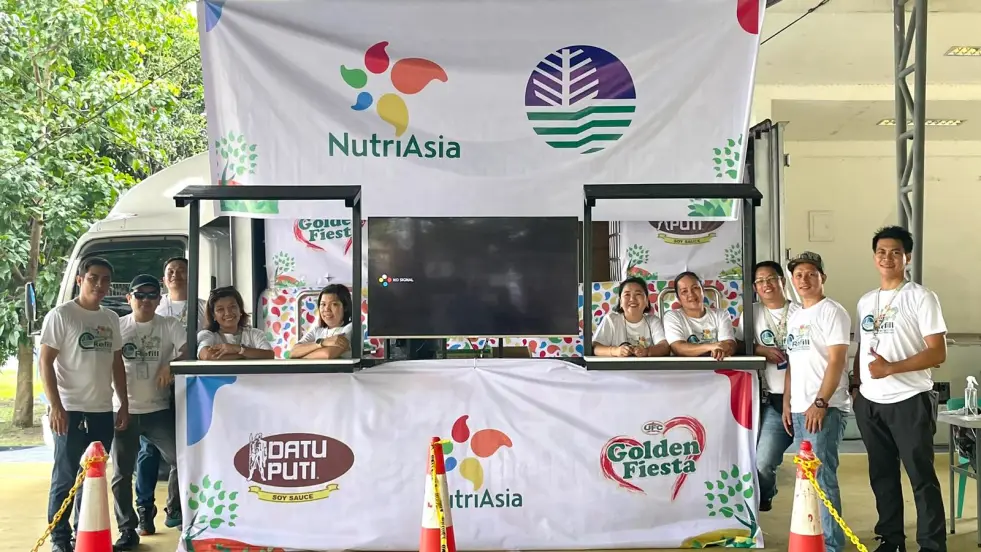
NutriAsia, the country’s top producer of condiments and sauces, continues its support of Refill Revolution; a project by the Department of Environment and Natural Resources EMB 3 that aims to help reduce Filipinos’ single-use plastics consumption. At Refill Revolution, residents get to recycle their single-use plastic bottles by reusing and filling it with their choice… Continue reading NutriAsia and DENR renews partnership for Refill Revolution

A parent's guide to potty training on hot days
Potty training during summer can be unpredictable. A child who seems ready at home may have fewer successful toilet visits when the day is hot, busy or far from a familiar bathroom. Extra warmth, thirst and changes in routine can also make wet nappies, constipation and fatigue more noticeable. The aim is not to complete training on a fixed schedule; it is to help your child feel comfortable and confident.
Summer in Australia stretches from December through February, with heatwaves affecting cities such as Sydney, Melbourne and Brisbane. Even children in cooler states can experience high indoor temperatures, while families in northern Australia may face intense humidity for much of the year. Drinks, meals and sleep may shift during school holidays, swimming lessons, family barbecues and beach outings, creating a very different toilet routine.
A gentle approach makes these changes easier to manage. Your child needs safe access to a toilet, consistent support and permission to use the toilet whenever they notice the urge. Accidental wee is part of learning for many children, and treating it calmly protects their developing independence more effectively than pressure or punishment.
Why summer heat changes the routine
Hot weather increases the need for fluids, which often leads to more frequent urination. A child may ask for water just as you settle them on the potty, or need to urinate soon after a successful attempt. Explain that drinking and using the toilet can happen at the same time rather than expecting a child to hold a full bladder until a convenient moment.
Heat can also make children tired, distracted or less interested in sitting still. These are not necessarily signs that toilet training has stalled. Offer a brief, comfortable opportunity, allow your child to leave if they are uncomfortable and try again later. Keep the room cool and ventilated, and make sure the toilet seat does not feel warm or unpleasant to touch.
Watch for dehydration, especially if toileting efforts have reduced drinking or eating. A dry mouth, very few wet nappies, dark urine, no tears, unusual tiredness or dizziness can indicate that a child needs fluids and medical advice. If your child seems unwell or you are concerned about dehydration, contact your general practitioner or Healthdirect on 1800 022 222.
Recognising readiness before the heatwave
Look for a collection of readiness signs rather than relying on age alone. Many children show interest in the toilet around their second birthday, but some are ready earlier and others later. Helpful signs include staying dry for longer periods, telling you or a caregiver that they need to wee, being able to walk and balance with support, and showing curiosity about what happens in the bathroom.
Your child should also be able to pull down training pants and climb onto a stable seat with your assistance. They do not need to complete every step independently. Interest in copying adults, understanding simple bathroom words and showing discomfort in a wet nappy can all be encouraging. A sudden refusal to use the potty may mean they are nervous, unwell or need more privacy.
Heat can temporarily hide readiness because a child may be wearing a nappy and producing less urine. Avoid beginning during a fever, digestive illness or major family change if possible. If your child is already learning, maintain a relaxed routine instead of restarting from scratch because a hot week has made progress less obvious.
Choosing a gentle training approach
There are three broad ways to approach toilet training. A child-led method follows the child's cues and keeps the process playful. A scheduled method uses regular checks, such as after waking, meals and naps. A combined approach offers planned toilet visits while still responding when your child indicates that they need to go. Flexibility is especially useful during summer because children's routines often change from day to day.
Set up a bathroom your child can use safely. A stable training seat and step stool can be purchased from Australian retailers such as Kmart, Bunnings, Target or established online stores. Check that the seat fits securely and that your child can brace their feet. A portable potty may be useful for grandparents' homes, caravan trips or courtyard play, but it should be easy to clean and comfortable.
Praise specific efforts, such as sitting on the potty or telling you before an accident. Avoid rewards that create pressure to perform. Your child needs to know that accidents will be handled without embarrassment, while successful toilet use is noticed and appreciated. Reading a short book, singing a familiar song or using a special tissue can make visits feel less clinical.
Drinks, meals, and bowel habits
Keep a water bottle within reach and offer drinks regularly throughout the day. Do not restrict fluids to produce dry nappies or create a longer toilet-training schedule; this can be uncomfortable and may increase the risk of dehydration. Water is the best everyday drink, while juice and other sugary beverages can contribute to tooth decay and should remain limited.
Build toilet visits around likely pauses rather than rigid intervals. Your child may need to go after waking, following a meal or drink, before leaving home and after a long period of play. Watch for common cues such as squirming, suddenly becoming quiet, holding their crotch or moving away mid-play. Ask a simple question, but avoid repeatedly asking when they are trying to concentrate.
Constipation can complicate potty training by making urination painful and reducing the child's interest in the bathroom. Include age-appropriate fibre, regular meals, physical activity and enough fluids. If your child has hard stools, severe pain, blood or persistent bowel changes, arrange medical advice rather than simply increasing toilet practice.
Dress for comfort and protect delicate skin
Choose breathable training underwear, loose clothing and footwear that your child can manage. Absorbent training pants can provide useful backup during outings, but they may also feel uncomfortably warm after a wee. At home, lightweight underwear can help your child notice small leaks and become familiar with the sensation of using the toilet.
Change wet clothing promptly and allow the skin to air dry before applying a fresh nappy or underwear. A fragrance-free barrier cream containing zinc oxide or dimethicone can help protect irritated skin when used according to its directions. Persistent redness, broken skin or sores require advice from your child health nurse or general practitioner.
Hot days also call for sun protection. Apply age-appropriate sunscreen, use hats and shaded clothing, and schedule lengthy outdoor play for cooler parts of the day. Keep spare underwear in a lightweight bag, especially before swimming lessons, visits to the beach or an energetic game in the park. Wet swimwear should be changed promptly, as prolonged moisture can contribute to skin irritation.
Respond to accidents with calm support
Accidents are common, particularly when a child is excited, absorbed in play or coping with unfamiliar surroundings. Clean the child and clothing without scolding, raised voices or comments about being silly. A calm response tells them that the body is still learning and that you are there to help. Afterward, ask whether they noticed any warning signs so you can recognise them next time.
Notice patterns rather than labelling your child as lazy or uncooperative. Perhaps the longest successful toilet interval happens before afternoon play, or accidents follow juice drinks. Use that information to adjust access to the toilet, drink choices and the timing of outings. Keep an accident log only if it helps you spot a pattern; constant recording can make the process feel burdensome.
Illness, teething, travel, starting childcare or the arrival of a sibling can lead to temporary setbacks. Return to the cues that previously worked, offer more reassurance and allow the pace to slow. Children may also make progress suddenly after a period of seeming stuck, so keep the bathroom routine predictable even when progress is hard to measure.
Plan for childcare, travel, and public outings
Talk with educators before toilet training begins at childcare or family day care. Share the words your child uses for the toilet, their current underwear and the response you use after accidents. Educators can schedule toilet visits, provide privacy where appropriate and contact you if the usual pattern changes. A consistent routine across home and childcare makes new skills easier to remember.
Public toilets can vary greatly between a Melbourne suburb, a Brisbane park and a busy Sydney shopping centre. Council facilities, libraries, aquatic centres and malls may offer accessible toilets, but a child-friendly toilet is not always available. Check the destination before leaving, particularly during long journeys. Pack a portable seat if needed, along with training pants, two changes of underwear, wipes, hand sanitiser and a waterproof mat.
| At-home routine | Outing or travel |
|---|---|
| Keep the training seat and step stool accessible | Check accessible toilets or carry a portable seat |
| Offer regular water drinks throughout the day | Refill the bottle and keep it out of direct sun |
| Use the toilet after waking, meals and naps | Offer a visit before leaving and after long journeys |
| Keep a change of underwear in the child's room | Carry several changes in a waterproof bag |
| Respond calmly and privately after an accident | Use a family room or suitable change area when possible |
Plan extra toilet visits around swimming lessons, beach trips and long car journeys. Give your child privacy without making the bathroom visit feel secretive or pressured. Children who are gaining confidence can use the toilet independently, yet they still benefit from reminders when cues are hidden by excitement or noise.
A flexible routine built around your child's cues is especially valuable in the heat. Keep water nearby, make the toilet comfortable, respond patiently to mistakes and recognise readiness through everyday behaviour. With calm support and realistic expectations, warm-weather toilet training can continue without turning ordinary accidents into a source of stress.

Mercato Centrale, in collaboration with Indian Women in Enterprise Philippines (I-We), is set to host "The Great Indian Fiesta" to mark 75 years of friendship between India and the Philippines. The dynamic two-day event is scheduled to take place on September 30 to October 1, 2023, at Paseo De Roxas Street, Makati City. Aiming to… Continue reading Mercato Centrale Partners with I-We to Host ‘The Great Indian Fiesta’, Commemorating 75 Years of India-Philippines Friendship

My stomach would usually start growling at 10 am even after taking a big breakfast. This is probably because I am a morning person and I move a lot throughout the day hence snacking is something that I can't avoid. This potatoes and chicken wrap recipe is easy to prepare and would keep me full… Continue reading Potato and Chicken Wrap
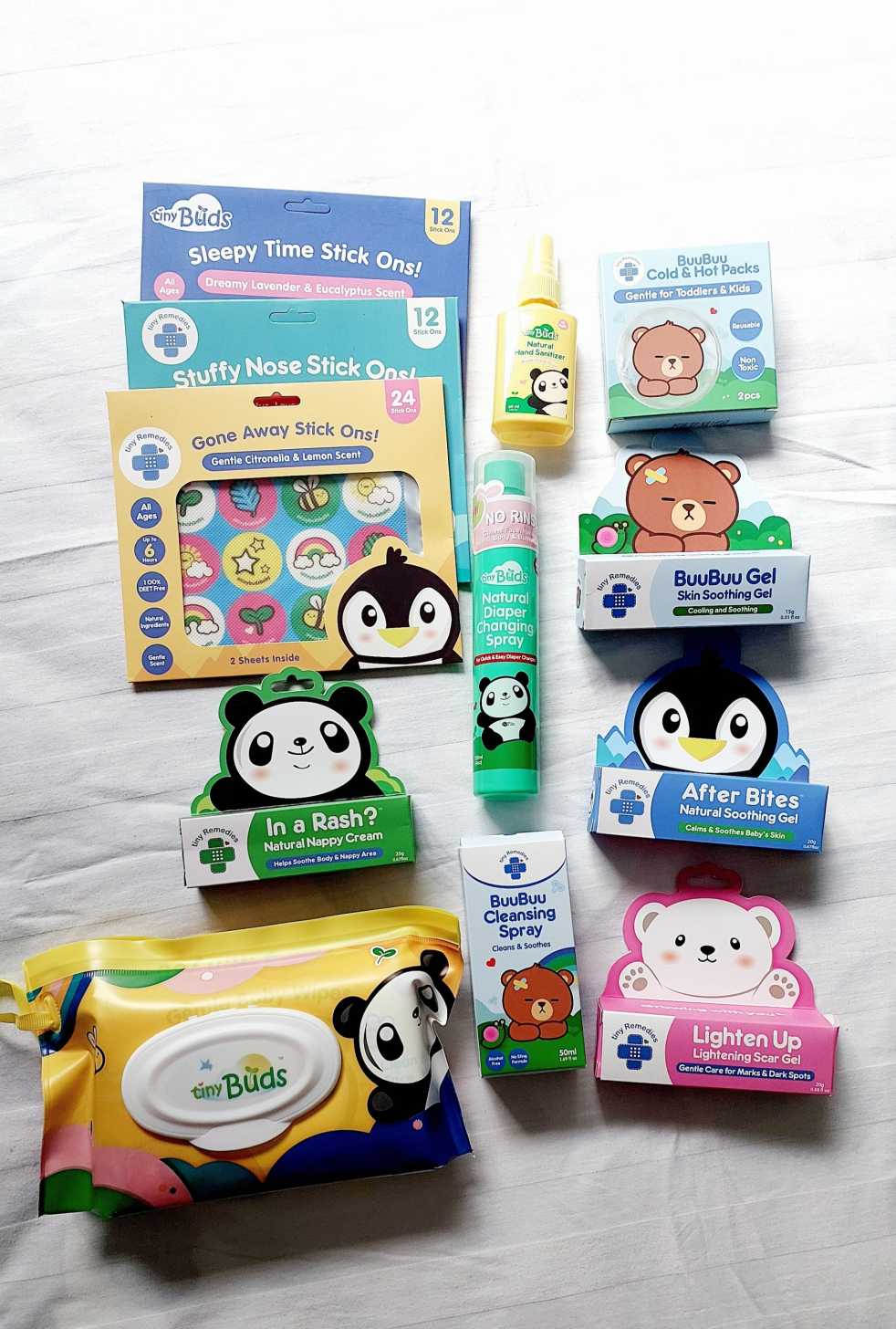
Your baby’s skin is more delicate than most, this is why you have to choose products that are designed for sensitive skin. Tiny Buds is a pioneer in integrating natural ingredients into baby care and today has over 50 innovative natural baby care essentials and is one of the Top Baby Personal Care brands. Here… Continue reading Product Review: Tiny Buds Baby Naturals Baby Essentials
Where your child goes to school is a big decision and shouldn’t be taken lightly. Given how their education can impact their future, you might be tempted to take control and decide for them. However, you might be doing more damage than helping them in the long run. Your job as parents is to support… Continue reading HOW TO CHOOSE THE BEST SCHOOL FOR YOUR CHILD
As poet and philosopher Rumi once eloquently said, “raise your words, not your voice. It is rain that grows flowers, not thunder.” Parenting is a challenging journey, and the truth is that nobody has everything figured out. One parenting style might suit others best, and some might favor other methods. However, children respond better to… Continue reading A SIMPLE GUIDE TO GENTLE PARENTING
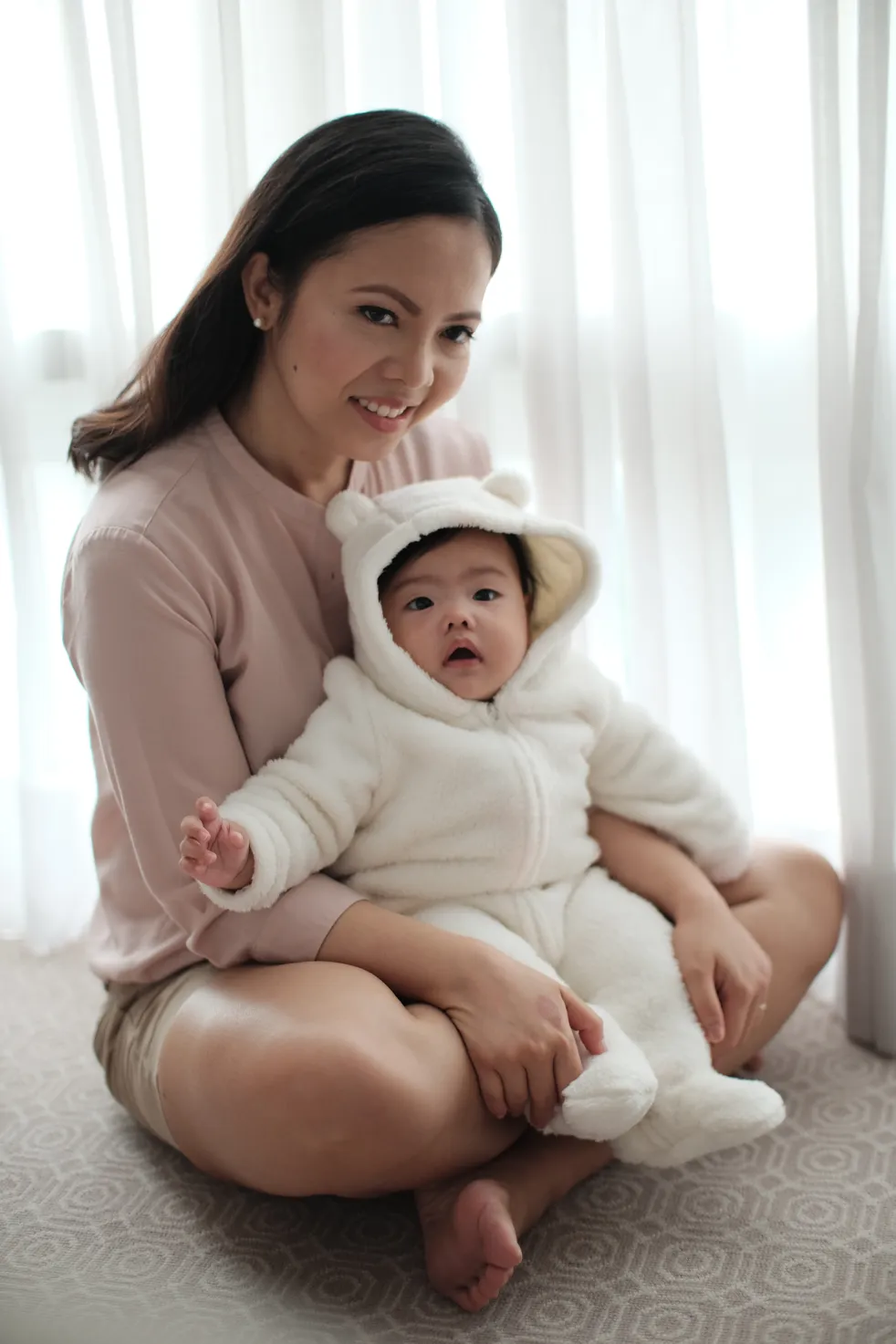
Whether you’re a new mom to be, mom of a toddler, mom who have school-aged kids, you’re bound to have so many questions. Let's start with your baby's skin. Infant skin has unique needs; gentle care is essential to prevent damage to the skin barrier, which can lead to irritation. When caring for infant skin,… Continue reading Keeping Baby’s Diapered Skin Healthy
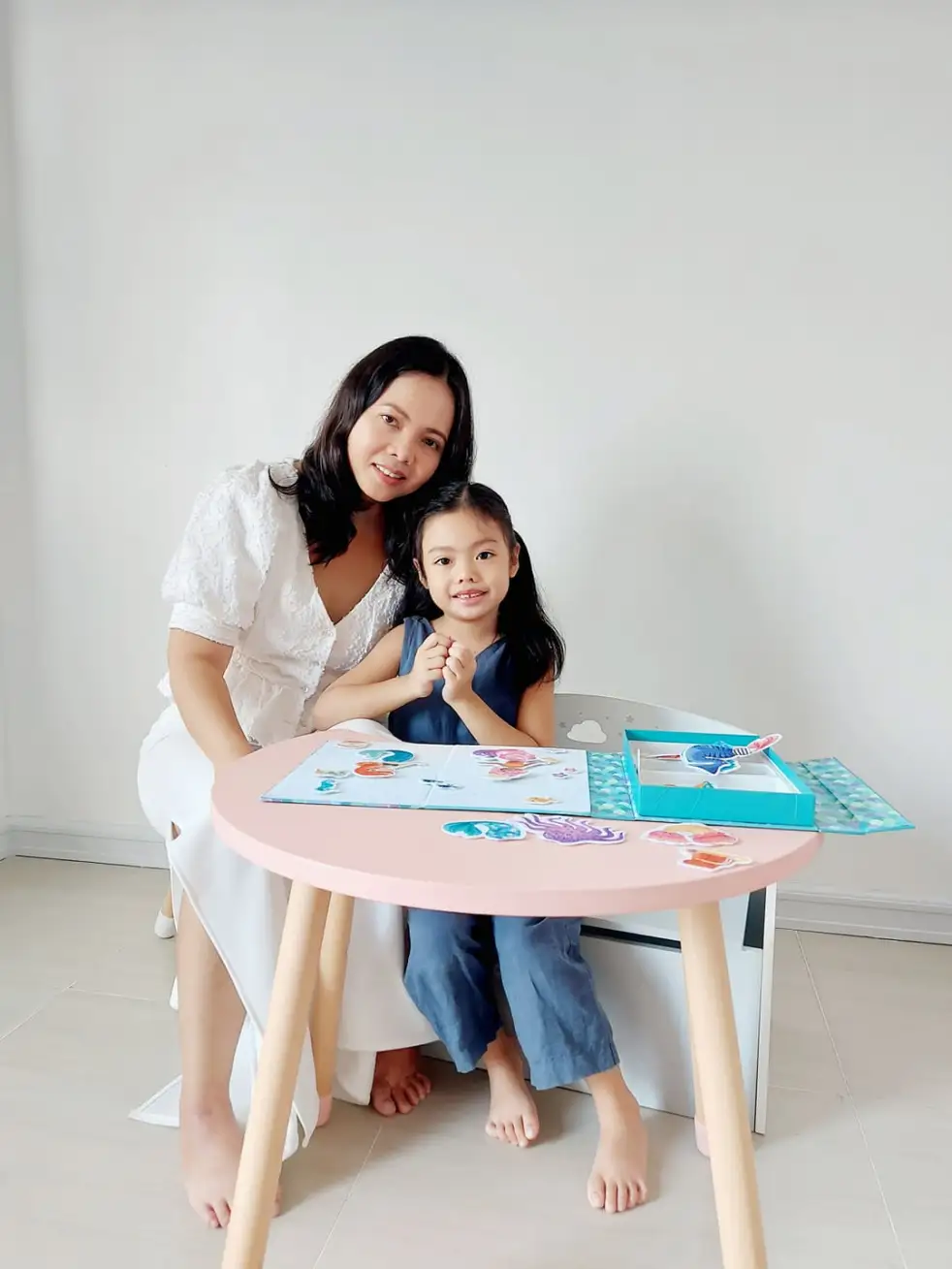
As parents, we want to give our child the best possible start in life and that begins with nurturing their intelligence. Throughout history, the notion of success has been linked to academic intelligence. However, there has been an increased awareness on the importance of emotional intelligence. This question gets at the heart of the never-ending… Continue reading IQ or EQ, which one is a better predictor of your child’s success?
 wondermomma.net