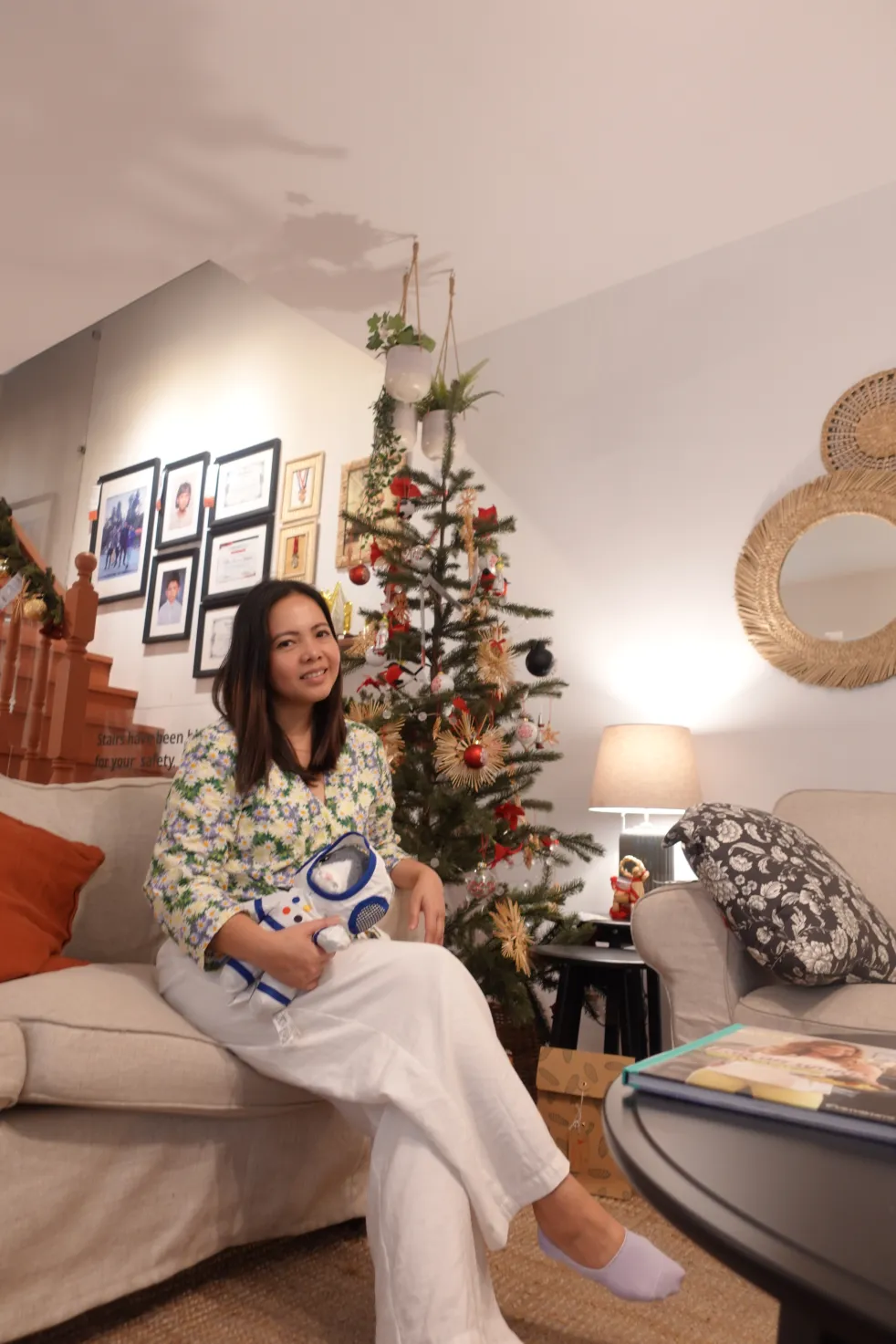
Last August, IKEA Philippines engaged with Better World Smokey Mountain, a newly opened community center operated by the San Miguel Foundation, which shares a similar goal of improving the lives of many Filipino people. Through this partnership, IKEA Philippines provided and assembled home furnishings for the classrooms and library of Better World Smokey Mountain community… Continue reading Help Create a Better World with IKEA Soft Toys
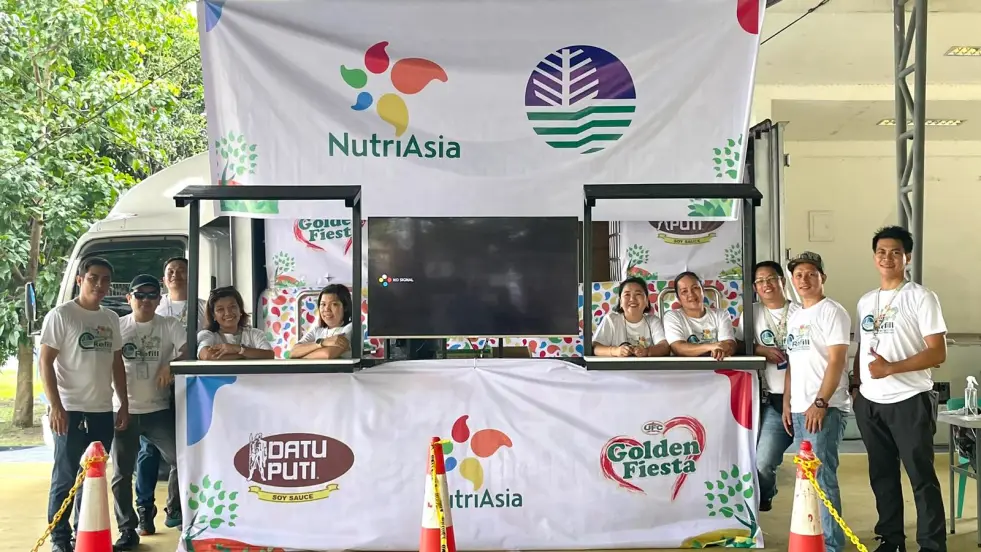
NutriAsia, the country’s top producer of condiments and sauces, continues its support of Refill Revolution; a project by the Department of Environment and Natural Resources EMB 3 that aims to help reduce Filipinos’ single-use plastics consumption. At Refill Revolution, residents get to recycle their single-use plastic bottles by reusing and filling it with their choice… Continue reading NutriAsia and DENR renews partnership for Refill Revolution
Choosing a preschool in Manila: an Australian parent's guide
Choosing a preschool in Manila means comparing playgroups, nurseries, Montessori schools and the Kindergarten classes attached to larger schools. The right option depends less on brand recognition than on your child’s age, the school’s daily rhythm, the language used at home and the distance you can manage after a long commute.
For Australian families living in, or preparing to move to, Manila, the terminology can be confusing. In Sydney, Melbourne, Brisbane and Perth, “preschool” usually refers to early childhood education before school, whereas “kindergarten” may name the first preparatory year. Manila uses some labels differently, so this guide translates the choice without assuming that every local school follows Australian rules.
Manila preschool options at a glance
Manila’s early-learning market includes public Kindergarten programs, standalone nurseries, playgroups, Montessori schools and private or international campuses. Philippine law treats kindergarten as part of basic education, so many options feel more school-like than the long-day childcare centres familiar to Australian families.
| Setting | Typical offer | Likely fit | Check first |
|---|---|---|---|
| DepEd Kindergarten | K1 or K2 classes using a play-based national curriculum, with Filipino and English instruction | A child approaching formal primary school | Admissions dates, available sessions and transition arrangements |
| Nursery or playgroup | Supervised play, social development and early learning, often with flexible attendance | A younger child or one not ready for a full school routine | Teacher-to-child ratios, staff qualifications and hours |
| Montessori school | Prepared learning environment, independence and mixed-age groups where offered | A child who responds well to self-directed activity | Direct observation of classroom practice and teacher training |
| International or bilingual school | Extensive English, possible additional languages and longer daily schedules | Australian, expatriate or multilingual families | Language support, fees, transport and continuity after preschool |
The labels overlap, especially for four- and five-year-olds. Ask each provider for the exact age range, daily hours, admissions date and curriculum. A polished name is less useful than a clear answer showing what your child will actually experience each day.
Know which stage your child is entering
Preschool may describe play-based care for toddlers, while kindergarten may be the formal K1 or K2 class offered by a public or private school. The Enhanced Early Childhood Education Act of 2017, known as Republic Act No. 10931, makes kindergarten compulsory for children aged five to six who have not enrolled in basic education. A playgroup can still be valuable, but families should clarify whether its completion prepares a child for formal Kindergarten.
Readiness matters more than a birthday alone. Look for the ability to separate comfortably, communicate needs, manage basic clothing and toilet routines, play alongside other children and recover from ordinary disappointments. A calm, curious child who tires after short sessions may settle better in a playgroup than in a demanding academic class. Conversely, a confident kindergartener may benefit from the structure of a school-based program.
Compare curriculum, language and learning style
A useful curriculum discussion should describe ordinary days rather than lists of subjects. Montessori, Reggio-inspired, play-based and faith-based settings may all value creativity and social development, but they differ in how adults guide children, document learning and introduce reading and mathematics. Ask how much time is spent outdoors, how learning is recorded and whether children can explore materials independently.
Language is equally important for an Australian family living in Manila. Find out whether English is used throughout the day or only in selected activities, how multilingual children are supported and how much Filipino children hear. English immersion helps international families, but local language exposure supports friendships and later schooling. A balanced setting should communicate that children can learn English without losing their home language or culture.
Avoid choosing from photographs and worksheets alone. The strongest evidence is a classroom where children speak, move, collaborate and ask questions. For school readiness, ask whether children learn names and sounds through songs, stories and conversation rather than repeated copying. That approach tends to build the early literacy and numeracy Australian families value without making early education resemble a crowded primary classroom.
Check the daily experience and child protection
Australian kindergartens often follow a predictable rhythm of morning drop-off, learning, outdoor play, meals, rest and collection. Manila programs vary widely: some run short morning sessions, while others provide extended care, meals and after-school options. Check toilet arrangements, rest periods, sun protection, drinking water and what happens when a child is ill. Tropical conditions make shade, hydration, hats and sunscreen especially important during outdoor play.
Safeguarding deserves direct attention. Ask about staff-to-child ratios, teacher continuity, first-aid qualifications, visitor procedures, authorized collection and the reporting of injuries or concerns. Nutrition plans should account for allergies, dietary requirements and food brought from home. Parents can also use online safety guidance to prepare questions about age-appropriate media, device use and staff supervision.
Do not assume Australian standards apply automatically in the Philippines. The National Quality Framework regulates early childhood services in Australia, but it has no jurisdiction over a Manila preschool, so ratings, ratios and qualification requirements must be checked locally. Ask how student records, photographs and health information are protected under the Philippine Data Privacy Act of 2012, and whether Australian Privacy Act obligations apply when records are handled through an Australian organisation.
Review fees, hours and travel
Fees are usually quoted in Philippine pesos and may include registration, tuition, meals, uniforms, learning materials, transport and care before or after lessons. Request an annual schedule rather than comparing headline monthly prices. Clarify deposits, refund rules, sibling discounts, notice periods, holiday charges and payment methods. It is also useful to ask how quickly fees change, as an Australian family budgeting in Australian dollars may otherwise overlook annual increases.
Allow plenty of time for the school run. Metro Manila traffic can turn a short distance into a lengthy journey, especially around school hours and during heavy rain. Many Australian families are accustomed to signed school zones with a 40 km/h limit, but Manila routes require their own risk assessment. Test the journey at the actual drop-off and collection times, including transfers, parking, traffic and the walk from the gate. Confirm whether transport is provided, supervised and included in the fees.
Visit schools and test their claims
A serious comparison should involve more than a sales presentation. Visit two or three suitable schools, ideally during ordinary operating hours, and ask whether a short observation is possible. Look at how children greet unfamiliar adults, whether teachers step in at the right moments and how calmly transitions are managed. Notice whether the room is prepared for active play or mostly arranged for display, and whether staff speak warmly without directing every interaction.
Speak with current families when the school permits it. Ask how quickly teachers respond to messages, whether children are happy to attend and what the school does when a child struggles with separation or peer conflict. Request details about teacher turnover, substitute arrangements, waiting lists and the admissions process. For a family leaving Australia, also ask how the school records learning so it can be discussed with a future kindergarten or school.
Build a shortlist and settle in well
Use these points when comparing your strongest options:
- Match the program to your child’s developmental stage, temperament and current language needs.
- Compare at least two or three settings using the same questions about curriculum, ratios, fees and daily hours.
- Verify staff qualifications, safeguarding procedures and what happens during staff absences.
- Calculate the complete yearly cost, including meals, transport, care, materials and compulsory extras.
- Trial the school journey and collection routine before relying on them during the week.
- Review enrolment policies, medical support, emergency contacts and handling of personal information.
- Ask how the school will prepare your child for the next stage and identify the first teacher or transition contact.
Once enrolled, share only essential information with staff and agree on consistent pickup and communication procedures. Keep the first weeks calm by limiting extra outings, maintaining familiar routines and checking in with teachers without expecting immediate academic progress. A good Manila preschool should feel manageable for your child, workable for your family and aligned with the kind of learning and relationships you want to encourage.

Mercato Centrale, in collaboration with Indian Women in Enterprise Philippines (I-We), is set to host "The Great Indian Fiesta" to mark 75 years of friendship between India and the Philippines. The dynamic two-day event is scheduled to take place on September 30 to October 1, 2023, at Paseo De Roxas Street, Makati City. Aiming to… Continue reading Mercato Centrale Partners with I-We to Host ‘The Great Indian Fiesta’, Commemorating 75 Years of India-Philippines Friendship

My stomach would usually start growling at 10 am even after taking a big breakfast. This is probably because I am a morning person and I move a lot throughout the day hence snacking is something that I can't avoid. This potatoes and chicken wrap recipe is easy to prepare and would keep me full… Continue reading Potato and Chicken Wrap
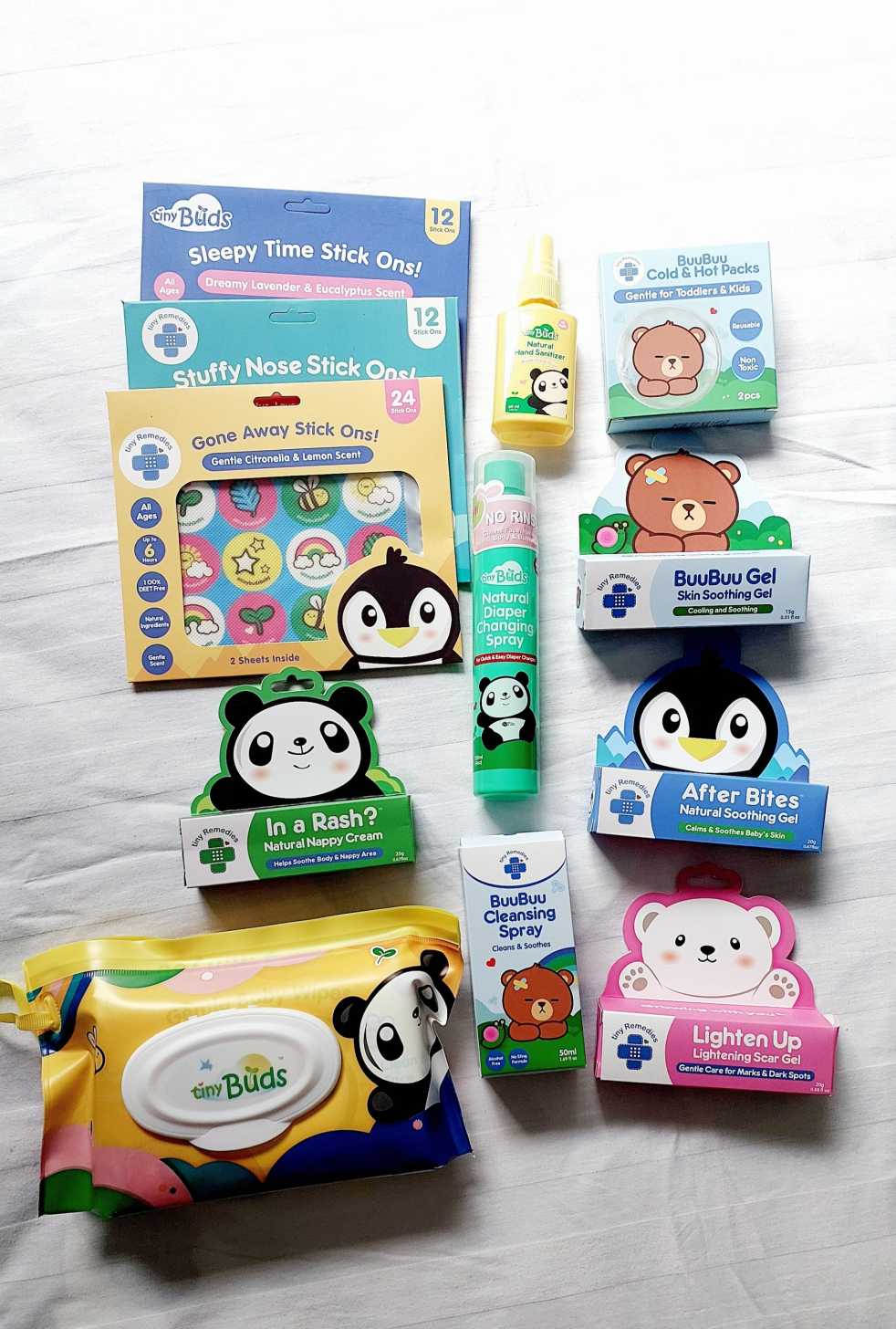
Your baby’s skin is more delicate than most, this is why you have to choose products that are designed for sensitive skin. Tiny Buds is a pioneer in integrating natural ingredients into baby care and today has over 50 innovative natural baby care essentials and is one of the Top Baby Personal Care brands. Here… Continue reading Product Review: Tiny Buds Baby Naturals Baby Essentials
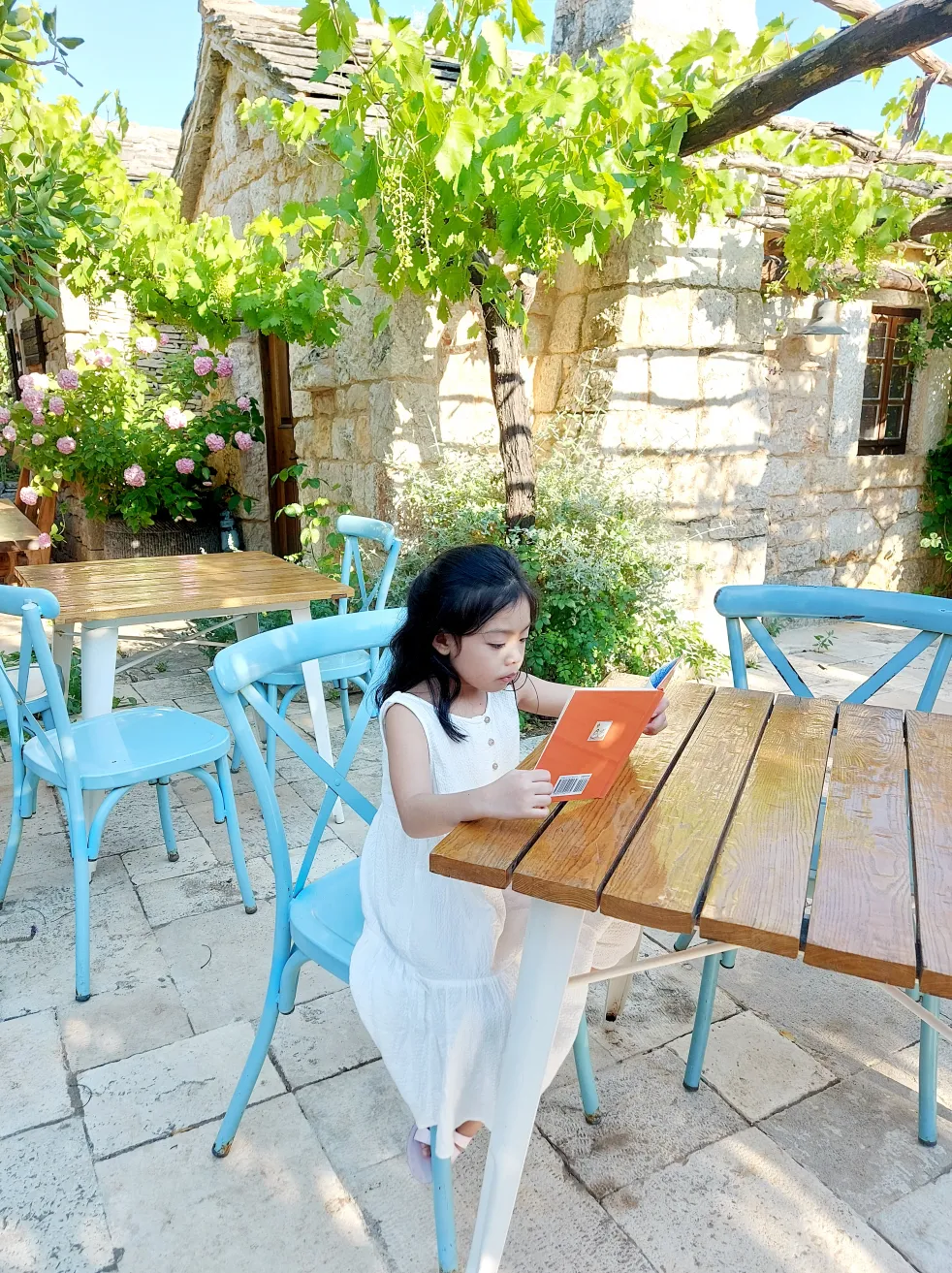
Where your child goes to school is a big decision and shouldn’t be taken lightly. Given how their education can impact their future, you might be tempted to take control and decide for them. However, you might be doing more damage than helping them in the long run. Your job as parents is to support… Continue reading HOW TO CHOOSE THE BEST SCHOOL FOR YOUR CHILD
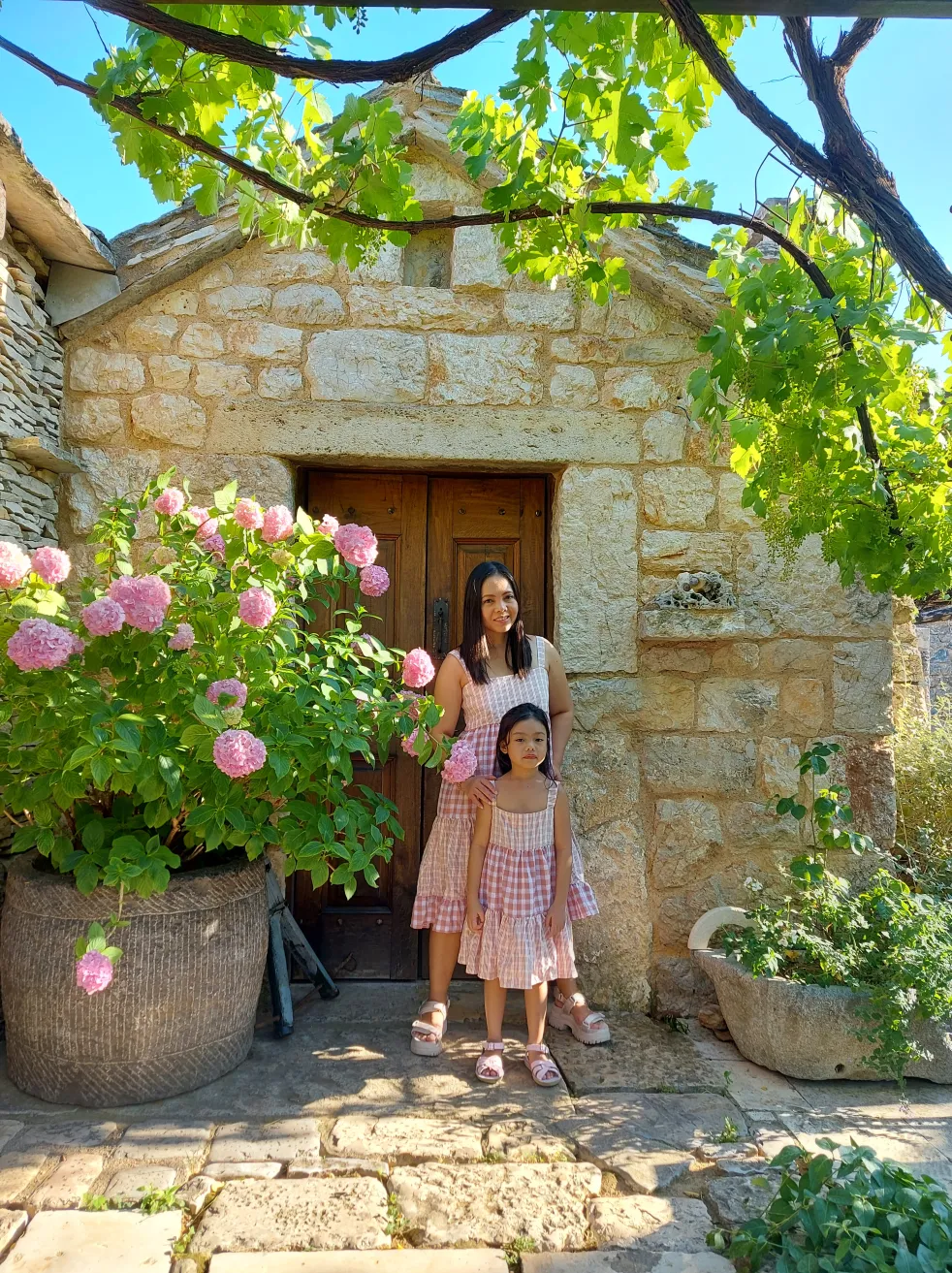
As poet and philosopher Rumi once eloquently said, “raise your words, not your voice. It is rain that grows flowers, not thunder.” Parenting is a challenging journey, and the truth is that nobody has everything figured out. One parenting style might suit others best, and some might favor other methods. However, children respond better to… Continue reading A SIMPLE GUIDE TO GENTLE PARENTING
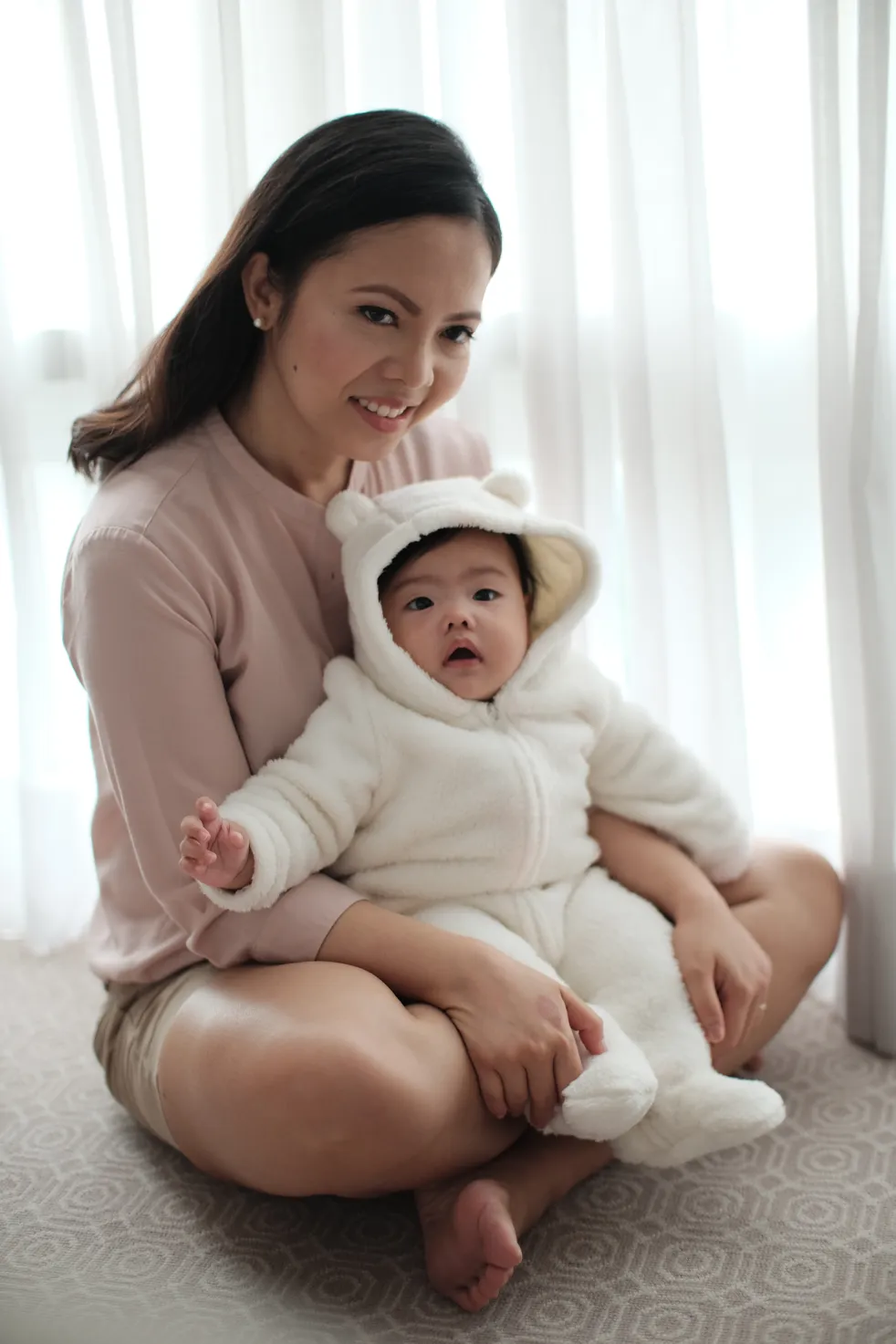
Whether you’re a new mom to be, mom of a toddler, mom who have school-aged kids, you’re bound to have so many questions. Let's start with your baby's skin. Infant skin has unique needs; gentle care is essential to prevent damage to the skin barrier, which can lead to irritation. When caring for infant skin,… Continue reading Keeping Baby’s Diapered Skin Healthy
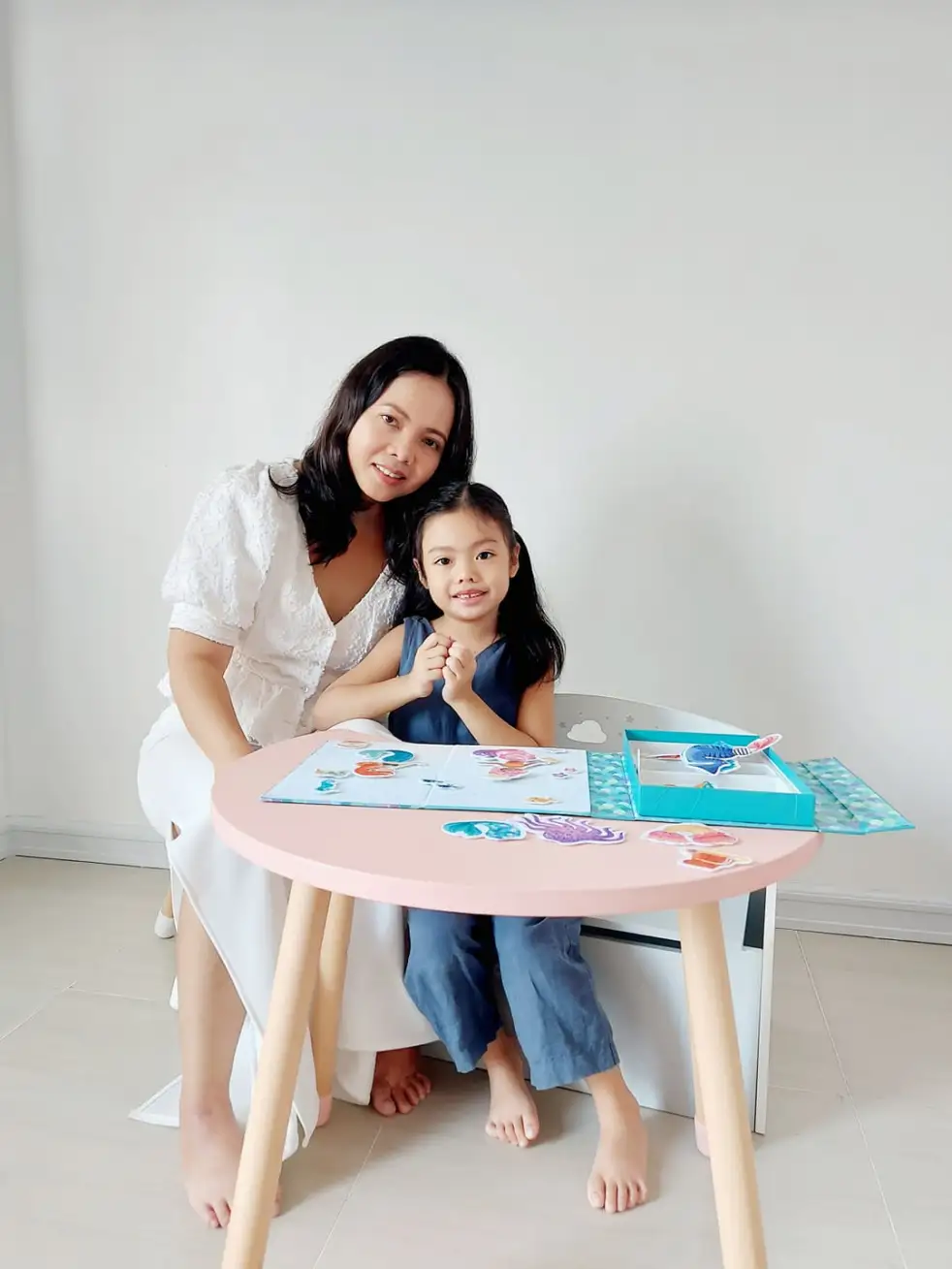
As parents, we want to give our child the best possible start in life and that begins with nurturing their intelligence. Throughout history, the notion of success has been linked to academic intelligence. However, there has been an increased awareness on the importance of emotional intelligence. This question gets at the heart of the never-ending… Continue reading IQ or EQ, which one is a better predictor of your child’s success?
 wondermomma.net