

Last August, IKEA Philippines engaged with Better World Smokey Mountain, a newly opened community center operated by the San Miguel Foundation, which shares a similar goal of improving the lives of many Filipino people. Through this partnership, IKEA Philippines provided and assembled home furnishings for the classrooms and library of Better World Smokey Mountain community… Continue reading Help Create a Better World with IKEA Soft Toys
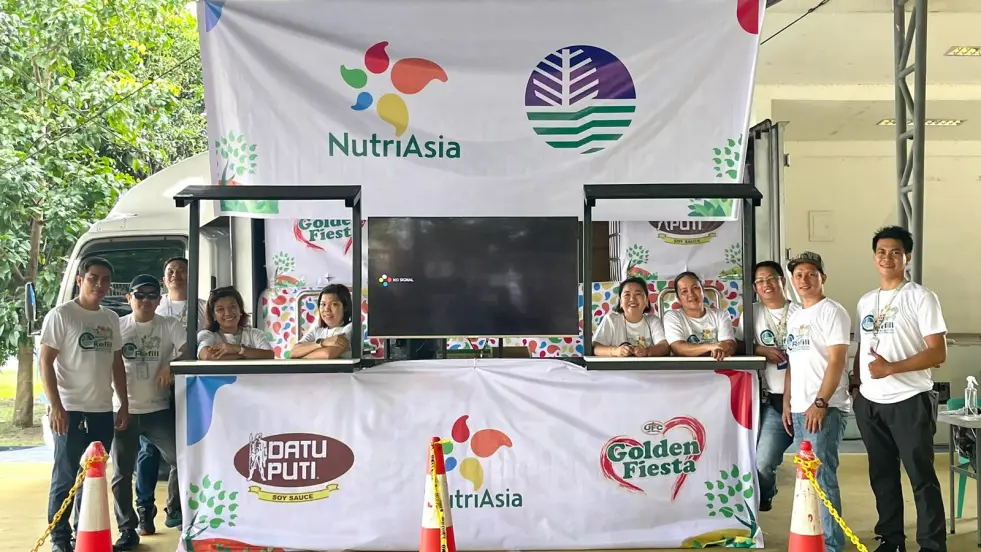
NutriAsia, the country’s top producer of condiments and sauces, continues its support of Refill Revolution; a project by the Department of Environment and Natural Resources EMB 3 that aims to help reduce Filipinos’ single-use plastics consumption. At Refill Revolution, residents get to recycle their single-use plastic bottles by reusing and filling it with their choice… Continue reading NutriAsia and DENR renews partnership for Refill Revolution

Parenting support networks Filipino-Australian families trust
Raising children thousands of kilometres away from lola, tito, and the extended clan brings its own rhythm. Filipino-Australian parents often juggle two cultural scripts at once: the communal style of child-rearing from home, and the more individualistic flow of suburban life in places like Blacktown, Marrickville, or Sunnybank where Filipino communities have settled. Somewhere between school drop-off, a quick flat white, and a late-night check on a sleeping bub, many parents crave a soft place to land.
That is where peer networks step in, both the in-person variety and the always-on digital kind. From Facebook threads debating brand-name nappies versus supermarket own-labels, to WhatsApp broadcasts about last-minute swimming lesson cancellations, parenting circles in Australia have quietly expanded over the last decade. Conversations have shifted from casual neighbourly advice to structured communities with moderators, pinned resources, and weekly Zoom catch-ups.
Many families discover useful starting points through WonderMomma, which curates family-oriented brands, baby skincare guidance, and gentle parenting tips that suit households straddling two cultures.
Why Filipino-Australian parents seek out peer networks
The decision to look for a parenting community rarely arrives at a dramatic moment. More often, it creeps up during the first round of solids, the first ear infection, or the first preschool interview in a new suburb. Australian parents are well-served by universal healthcare through Medicare and the National Immunisation Program, but the emotional texture of raising children still calls for connection. Filipino families in particular often describe the longing for a kasambahay-style helper or a tita next door who simply knows what to do when a toddler refuses to sleep.
Local rhythms shape the need. School pickup lines at state schools in western Melbourne or western Sydney tend to be multilingual affairs, with Tagalog, Cebuano, and English weaving through the carpark chatter. Parents swap tips on the best Filipino grocery in Footscray, which paediatrician bulk-bills in Parramatta, and whether Baby Bunting's price match actually works. Having a trustworthy group chat where these questions can land turns a small frustration into a shared laugh and a useful answer.
Beyond practical swaps, peer networks fill a cultural gap. Children growing up in Australia may prefer vegemite sandwiches to champorado, but parents still want them to learn Bayanihan, pakikisama, and the value of close kin. Communities that celebrate both heritages offer a kind of cultural translation that solo parenting simply cannot provide.
Facebook groups: the heart of Filipino parenting conversations
Meta's flagship platform remains the most populated gathering place for Filipino-Australian parents. Group rules are often pinned within the first week, membership is moderated, and search functions make it easy to dig up older threads about sleep training, school readiness, or finding a Filipino dentist in Brisbane. The size of these communities means a question posted at 9 pm in Perth will likely attract a thoughtful reply before breakfast.
Popular formats include buy-and-sell subgroups focused on infant carriers and pre-loved toys, pregnancy cohorts organised by due date, and regional chapters broken down by Australian state. Some groups run weekly question threads on sensitive topics like screen time or introducing allergens, with responses mixing Filipino cultural values with references to Australian guidelines from organisations such as the Royal Australian College of General Practitioners.
The trade-off is noise. Long threads, repeated questions, and the occasional sharp comment can make Facebook groups feel overwhelming. Parents who prefer gentler pacing sometimes use the "following" feature to receive only important posts from favourite groups, or simply mute notifications during work hours and check in once a day with a thermos of coffee nearby.
WhatsApp and Viber circles for daily parenting wins
If Facebook is the town hall, WhatsApp and Viber are the kitchen table. Many Filipino-Australian families already use these apps to stay in touch with relatives in Manila, Cebu, or Davao, so adding a parenting circle feels like a natural extension. Group chats usually cap at smaller numbers than Facebook, which makes the tone more conversational and less performative.
Common formats include neighbourhood circles organised around a specific suburb, such as a group for new parents in Cabramatta or another for those raising toddlers in Adelaide's northern suburbs. Other chats centre on shared interests like breastfeeding, cloth nappies, or raising bilingual children. Because messages arrive in real time, parents often rely on these circles for quick answers about which chemist stocks a particular formula, whether the local council still offers free first-aid courses for new parents, or which swimming school has weekend slots available.
Privacy matters. Savvy parents enable two-step verification, avoid sharing photos that include school uniforms or identifying details, and keep separate chats for family-only updates and broader parenting discussions. Done well, these small digital circles can feel like an extension of the barangay back home, offering warmth without pressure.
Dedicated platforms and apps worth bookmarking
Beyond the major social networks, a quieter layer of dedicated platforms caters to parents seeking structured guidance. Some Australian-focused apps combine expert-reviewed content with peer forums, allowing members to track milestones, ask paediatricians questions, and join themed challenges around toddler nutrition or positive discipline. These tend to work well for parents who want research-backed answers alongside lived experience.
International platforms with strong Filipino communities also deserve a mention. Apps centred on breastfeeding, baby-led weaning, or gentle sleep approaches often host active forums where Filipino-Australian parents compare notes on everything from humidifier brands suited to Brisbane's subtropical summers to layering clothes for a Melbourne winter. Some platforms offer free tiers with limited content and premium tiers with video courses, downloadable guides, and live Q&A sessions with child development specialists.
When trialling any new platform, parents are wise to check the privacy policy, confirm whether moderators are credentialed, and look for transparency about sponsored content. Australian Consumer Law requires clear advertising disclosure, so reputable platforms will label sponsored posts plainly.
In-person meetups across Australian capital cities
Digital connection thrives, but there is no substitute for a real face-to-face chat in the park. Across Australia's state capitals, Filipino-Australian parenting meetups have grown into a familiar weekend fixture. Sydney's community often gathers in places like Fairfield, Parramatta, and the Hills District, where weekend markets double as meeting grounds for new parents seeking recommendations for paediatricians, lactation consultants, and family-friendly dining spots.
In Melbourne, meetups cluster around hubs such as Footscray, Springvale, and the inner north, with library-run new-parent groups sometimes partnering with Filipino cultural associations to offer bilingual storytime sessions. Brisbane parents often head to parks in Sunnybank, Calamvale, and surrounding suburbs, where shaded play areas and accessible parking make logistics easier for parents juggling prams and picnic blankets. Perth, Adelaide, and even Darwin have smaller but equally active circles, often coordinated through community centres, churches, or independent cafés that welcome prams.
These meetups serve multiple purposes at once. Children practise social skills, parents exchange tips about navigating Australian workplaces under the Fair Work Act's parental leave entitlements, and the whole group occasionally pools a community fund for someone in need. Many attendees describe these gatherings as the closest local equivalent to a Filipino fiesta, complete with shared snacks and laughter that carries across the playground.
Choosing a community that matches your parenting style
Not every community will suit every parent, and that is completely fine. The best starting point is a quiet self-check: do you want a structured environment with weekly themes, or a loose group that simply gathers for coffee? Are you drawn to evidence-based content from organisations like the Australian Breastfeeding Association, or do you prefer the warmth of intergenerational wisdom shared by titas and nanays? Honest answers make it easier to filter out the noise.
Practical filters help too. Look for groups with active moderators, clear posting rules, and a mix of long-time members alongside newer ones. A healthy community welcomes newcomers, gently corrects misinformation, and respects differences in parenting approaches such as attachment parenting, gentle parenting, or more traditional Filipino child-rearing values. Avoid spaces that shame parents for working outside the home, for using formula, or for making decisions aligned with Australian paediatric guidance rather than overseas trends.
Finally, remember that you can belong to several communities at once without losing yourself in any of them. A small WhatsApp circle for your closest mum friends, a larger Facebook group for crowd-sourced answers, and a monthly park meetup for real hugs and shared snacks often combine into a balanced web of support. The goal is not to find a single perfect group, but to weave a circle that holds you on the tiring days and celebrates you on the joyful ones.
| Community type | Best for | Typical size | Time commitment | Privacy level |
|---|---|---|---|---|
| Facebook groups | Wide-ranging Q&A, buy-and-sell, regional chapters | 5,000 to 100,000+ | Low to moderate, browse when convenient | Public or private, members visible |
| WhatsApp and Viber circles | Real-time advice, neighbourhood catch-ups | 10 to 80 | High, near-daily check-ins | Private, invite-only |
| Dedicated parenting apps | Structured milestones, expert content, themed challenges | Platform-wide | Moderate, weekly engagement | Account-based, varies by app |
| In-person meetups | Face-to-face connection, family outings | 5 to 30 per gathering | Low to moderate, monthly | High, local and informal |
| Hybrid communities | Online threads plus regular park or café meetups | 50 to 500 | Moderate, flexible | Mixed, depends on platform |
| Forums and message boards | Long-form discussions, niche topics | Variable | Low, post when relevant | Often pseudonymous |
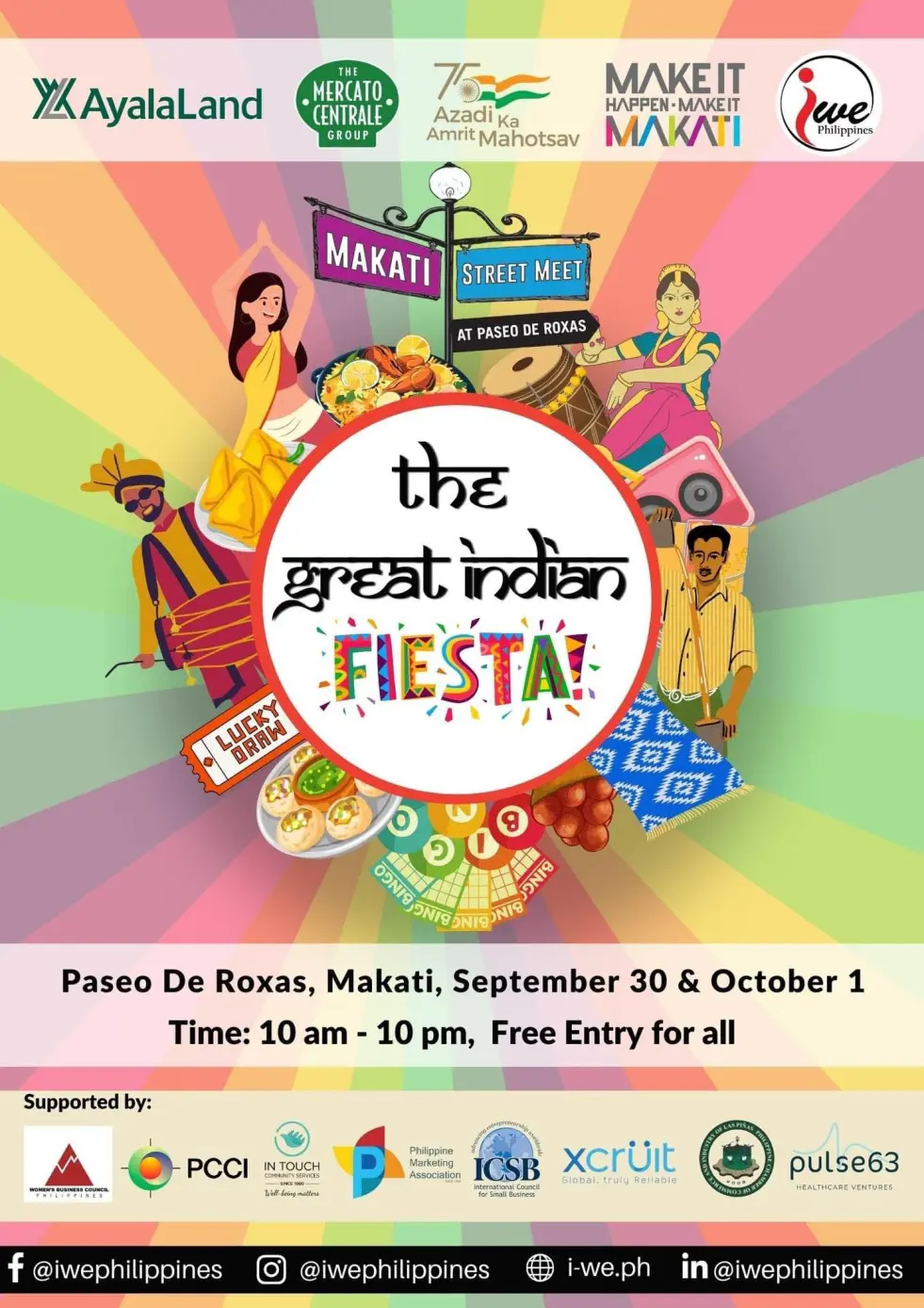
Mercato Centrale, in collaboration with Indian Women in Enterprise Philippines (I-We), is set to host "The Great Indian Fiesta" to mark 75 years of friendship between India and the Philippines. The dynamic two-day event is scheduled to take place on September 30 to October 1, 2023, at Paseo De Roxas Street, Makati City. Aiming to… Continue reading Mercato Centrale Partners with I-We to Host ‘The Great Indian Fiesta’, Commemorating 75 Years of India-Philippines Friendship

My stomach would usually start growling at 10 am even after taking a big breakfast. This is probably because I am a morning person and I move a lot throughout the day hence snacking is something that I can't avoid. This potatoes and chicken wrap recipe is easy to prepare and would keep me full… Continue reading Potato and Chicken Wrap
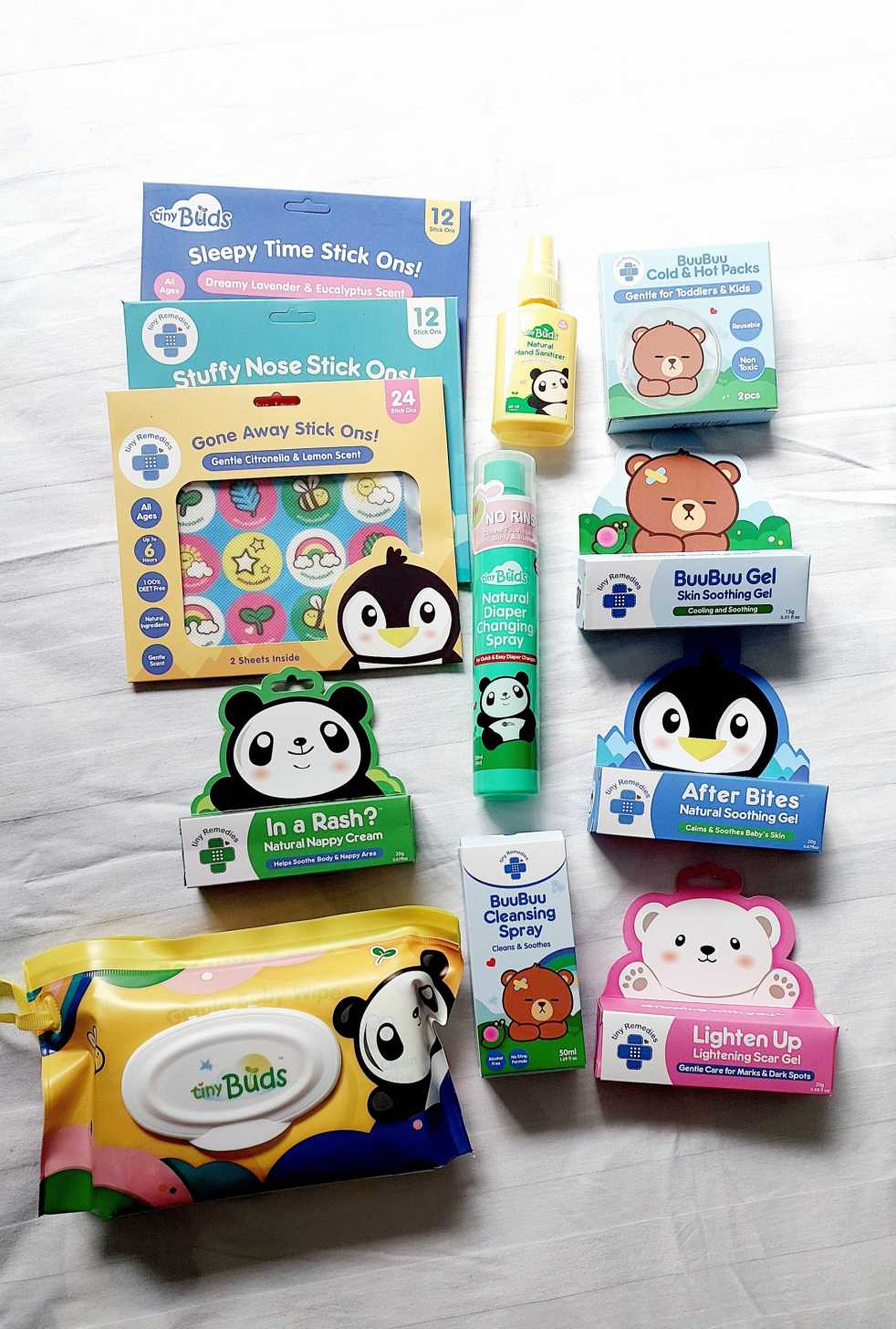
Your baby’s skin is more delicate than most, this is why you have to choose products that are designed for sensitive skin. Tiny Buds is a pioneer in integrating natural ingredients into baby care and today has over 50 innovative natural baby care essentials and is one of the Top Baby Personal Care brands. Here… Continue reading Product Review: Tiny Buds Baby Naturals Baby Essentials
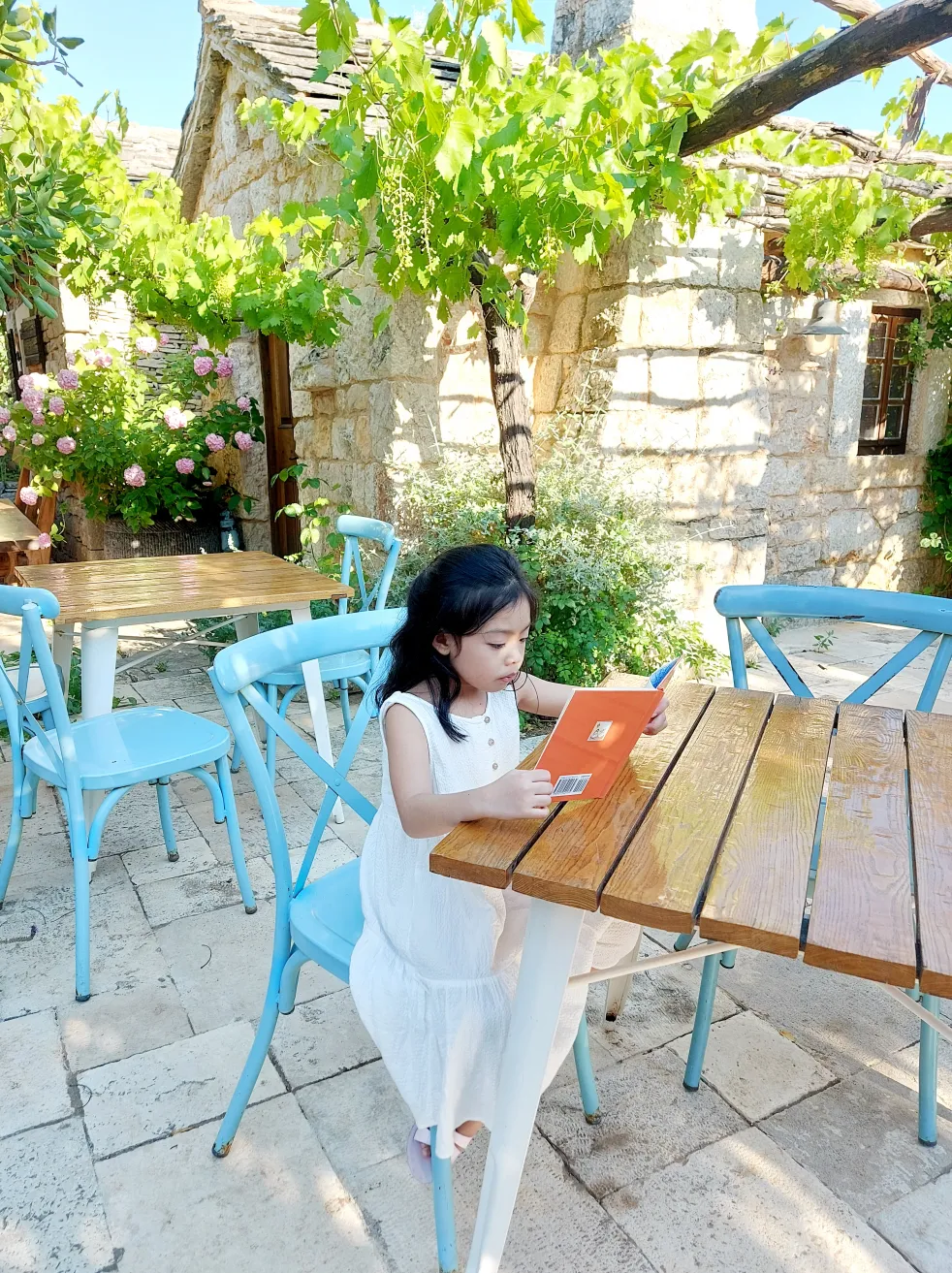
Where your child goes to school is a big decision and shouldn’t be taken lightly. Given how their education can impact their future, you might be tempted to take control and decide for them. However, you might be doing more damage than helping them in the long run. Your job as parents is to support… Continue reading HOW TO CHOOSE THE BEST SCHOOL FOR YOUR CHILD
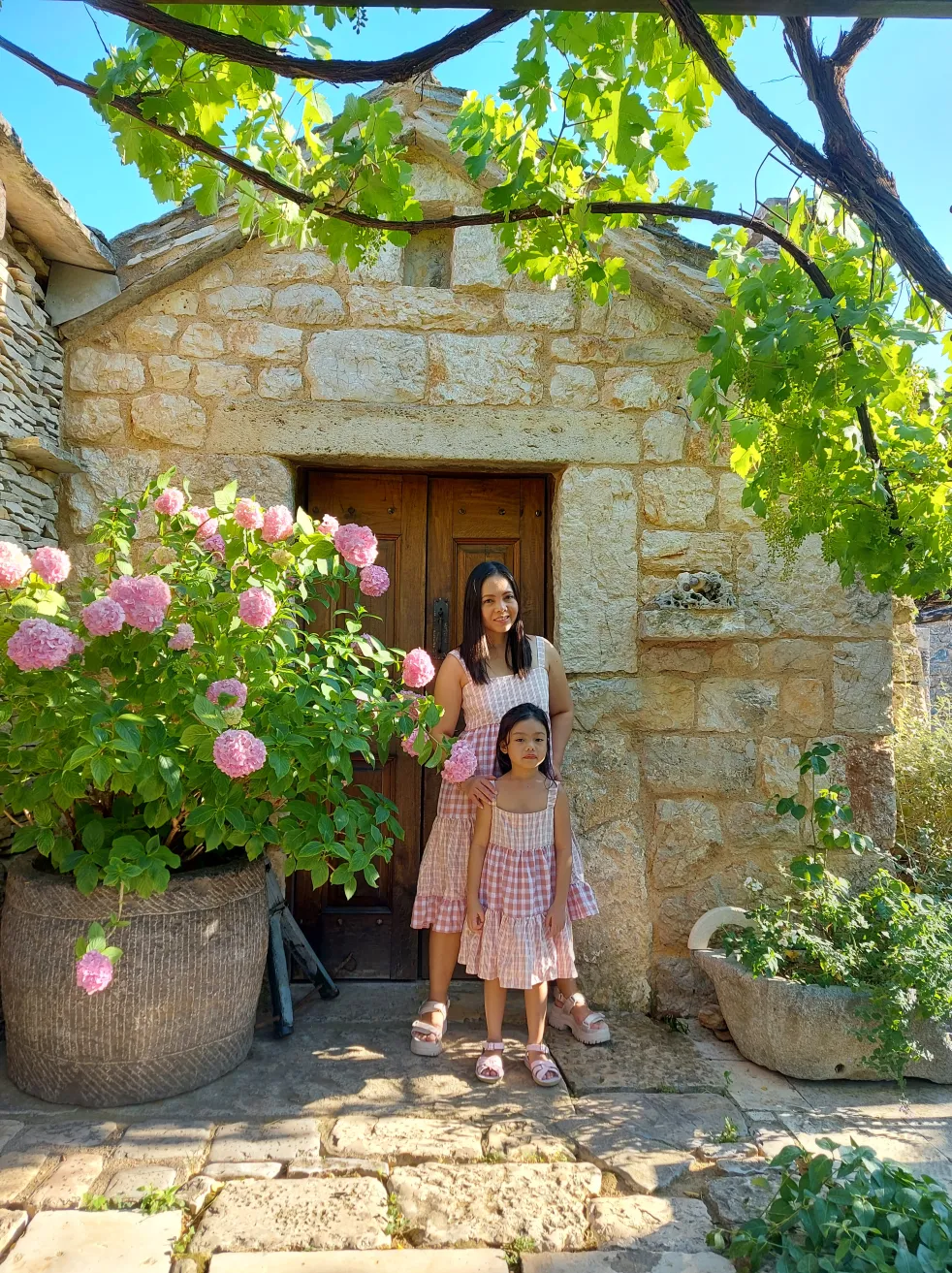
As poet and philosopher Rumi once eloquently said, “raise your words, not your voice. It is rain that grows flowers, not thunder.” Parenting is a challenging journey, and the truth is that nobody has everything figured out. One parenting style might suit others best, and some might favor other methods. However, children respond better to… Continue reading A SIMPLE GUIDE TO GENTLE PARENTING
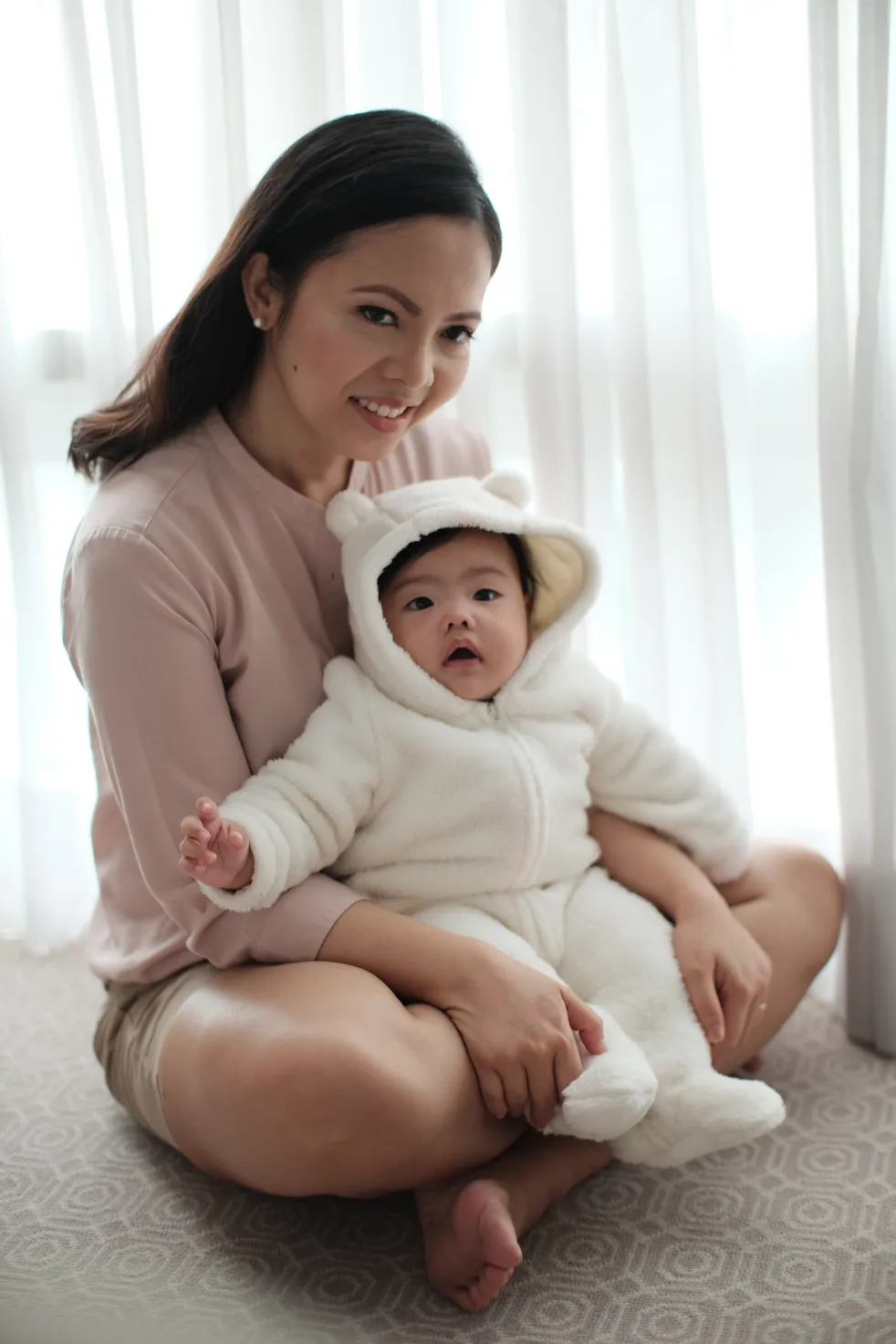
Whether you’re a new mom to be, mom of a toddler, mom who have school-aged kids, you’re bound to have so many questions. Let's start with your baby's skin. Infant skin has unique needs; gentle care is essential to prevent damage to the skin barrier, which can lead to irritation. When caring for infant skin,… Continue reading Keeping Baby’s Diapered Skin Healthy
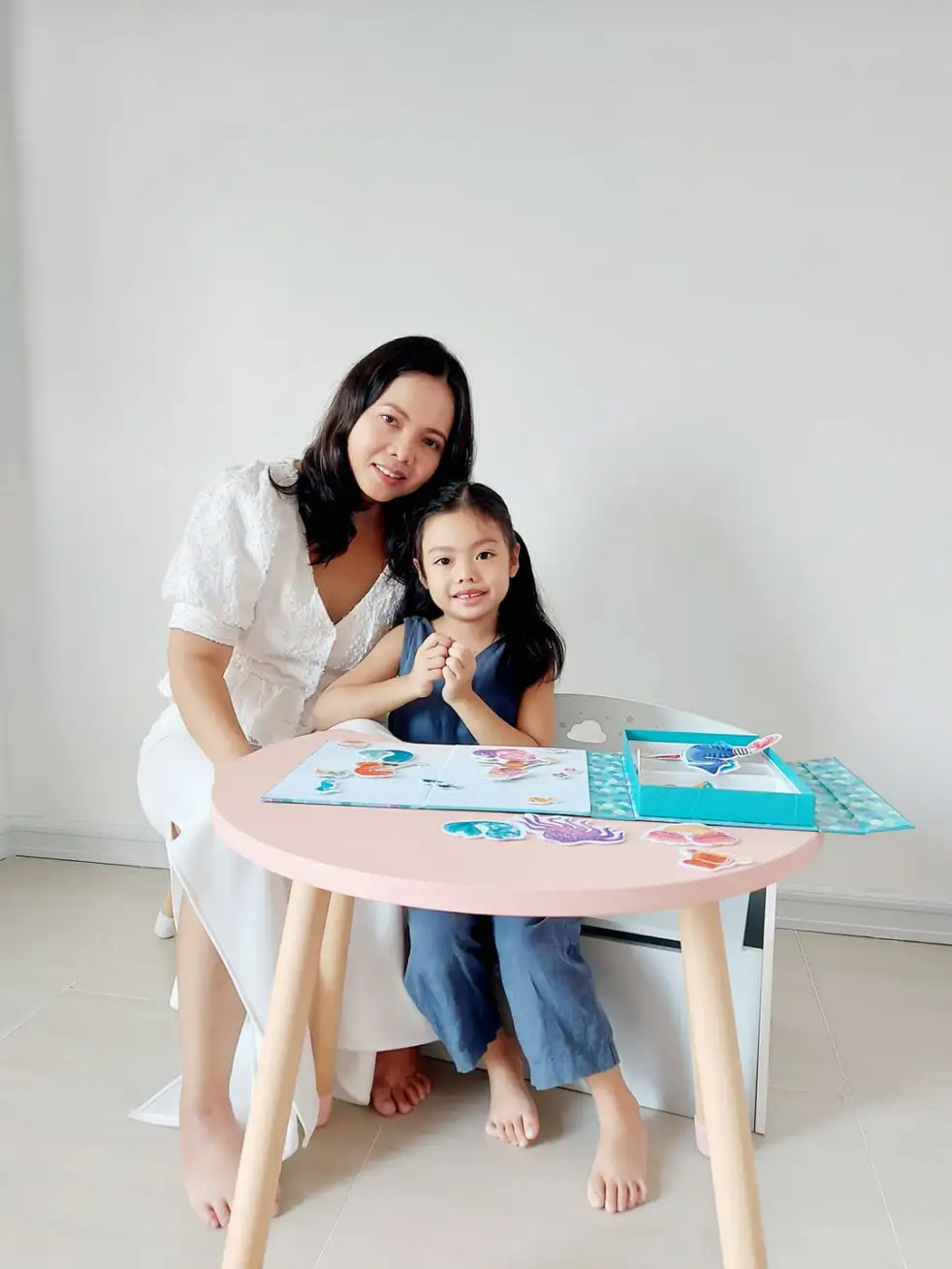
As parents, we want to give our child the best possible start in life and that begins with nurturing their intelligence. Throughout history, the notion of success has been linked to academic intelligence. However, there has been an increased awareness on the importance of emotional intelligence. This question gets at the heart of the never-ending… Continue reading IQ or EQ, which one is a better predictor of your child’s success?
 wondermomma.net