

Last August, IKEA Philippines engaged with Better World Smokey Mountain, a newly opened community center operated by the San Miguel Foundation, which shares a similar goal of improving the lives of many Filipino people. Through this partnership, IKEA Philippines provided and assembled home furnishings for the classrooms and library of Better World Smokey Mountain community… Continue reading Help Create a Better World with IKEA Soft Toys

NutriAsia, the country’s top producer of condiments and sauces, continues its support of Refill Revolution; a project by the Department of Environment and Natural Resources EMB 3 that aims to help reduce Filipinos’ single-use plastics consumption. At Refill Revolution, residents get to recycle their single-use plastic bottles by reusing and filling it with their choice… Continue reading NutriAsia and DENR renews partnership for Refill Revolution

A Filipino Mom’s Guide to Babywearing in Tropical Weather
Babywearing can make everyday life with an infant easier, especially when you are navigating crowded markets, public transport, uneven sidewalks, or a quick trip to the sari-sari store. A well-fitted carrier keeps your baby close while leaving your hands free for a bag, an older child, or household tasks.
In the Philippines, warm temperatures and high humidity require a little more planning. Heat can build quickly between a parent’s body and the baby’s body, while sudden rain may turn a comfortable outing into a damp and uncomfortable one. The right carrier, clothing, and routine can help make the experience safer and more pleasant.
Babywearing should support your family’s rhythm rather than create another source of pressure. Parents can begin with short indoor sessions, observe their baby’s cues, and gradually build confidence. Practical guidance from WonderMomma’s parenting resources can also complement advice from your pediatrician or a trained babywearing educator.
Choosing A Carrier For Hot, Humid Days
Breathable fabric is one of the most important features for tropical babywearing. Lightweight cotton, linen blends, mesh panels, and moisture-wicking materials can allow more airflow than thick padded carriers. However, “breathable” should not mean loosely woven or poorly supportive. The carrier still needs strong seams, secure buckles or knots, and a stable seat.
A soft structured carrier may be convenient for errands because it is quick to put on and take off. A woven wrap can be adjusted closely to the baby’s body and may feel cooler when tied in a single layer. Ring slings are useful for short trips and quick changes, although they may place more weight on one shoulder. Every option has advantages, so comfort for both wearer and baby matters more than popularity.
Look for a carrier that allows your baby’s knees to sit higher than the bottom, creating an “M” position. The fabric should support the thighs from knee to knee without forcing the legs straight. A newborn may need an appropriate insert or a carrier designed for small babies, while an older infant may need more head and back support as they develop.
Keeping Baby Cool And Comfortable
Your baby usually needs one fewer clothing layer than you might expect when placed inside a carrier. The carrier itself adds fabric, and your body provides additional warmth. A lightweight cotton romper, thin shirt, and diaper may be enough for many daytime outings. Avoid thick jackets, fleece, and padded clothing in hot weather because they can interfere with a snug fit and trap heat.
A wide-brimmed hat can protect the baby’s face from direct sunlight, but avoid covering the carrier with a blanket or scarf. Even a thin cover can reduce ventilation and make it difficult to monitor breathing. Use shade from trees, awnings, or an umbrella held away from the baby’s face, and choose air-conditioned or indoor routes when the heat index is high.
Check your baby regularly by feeling the back of the neck or upper chest. Warm skin is expected, but sweaty hair, damp clothing, flushed skin, unusual sleepiness, rapid breathing, or hot skin can signal overheating. Move to a cooler area, remove extra layers, offer feeding as appropriate, and seek medical help if symptoms are severe or do not improve.
Safe Positioning In A Front Carry
For young babies, a front inward-facing carry is often the easiest position to monitor. The baby should be high enough for you to kiss the top of the head without bending far forward. Their chin must remain lifted away from the chest, with the airway visible and the nose and mouth uncovered by fabric or your clothing.
The baby’s back should be supported in a natural, gently rounded position. The carrier should be snug enough that the baby does not slump, but not so tight that breathing or hip movement is restricted. Keep the face turned to one side and check it frequently, especially during naps or when walking over uneven ground.
Newborns and babies with medical needs require extra care. Follow the carrier manufacturer’s minimum weight and age guidance, and ask a pediatrician about hip, breathing, or muscle concerns. A baby should never be carried in a curled position with the chin pressed down, in a loose pouch, or in a carrier that allows the body to slide below the caregiver’s chest.
Moving Safely Through Philippine Heat
Plan outdoor errands around the cooler parts of the day when possible. Early morning and late afternoon are often more comfortable than midday, but humidity can still be high. Carry water for yourself, since dehydration may affect energy and milk supply, and bring a clean cloth to wipe sweat from your baby’s neck and your own skin.
Tropical weather can shift quickly, so a small waterproof bag is useful for diapers, a spare onesie, muslin cloths, and a dry carrier cover. If rain begins, move indoors instead of wrapping the baby tightly under a poncho or large umbrella. Wet fabric against the baby’s skin can cause chafing, and a soaked carrier may lose comfort and support until it is fully dry.
Be mindful of surfaces and surroundings. Avoid carrying a baby while cooking over an open flame, handling hot drinks, climbing unstable stools, or riding a motorcycle. On public transport, keep the baby secure and positioned away from doors, handrails, and crowded areas where the head may be bumped. If you feel dizzy, overheated, or unsteady, sit down and remove the carrier safely.
| Babywearing situation | Practical choice | Heat and safety check |
|---|---|---|
| Short indoor errand | Lightweight ring sling or soft carrier | Keep the baby upright and check the airway often |
| Longer walk | Breathable structured carrier or single-layer woven wrap | Take cooling breaks and monitor the neck and chest |
| Newborn carry | Newborn-rated carrier with firm head support | Confirm the minimum weight and maintain a visible face |
| Rainy commute | Waterproof bag for supplies and a dry change of clothes | Move under shelter instead of covering the carrier tightly |
| Older infant | Supportive carrier with an appropriate back or front position | Follow weight limits and keep the child’s legs supported |
Cleaning And Skin Care In Humid Weather
Sweat can collect under the baby’s chin, behind the knees, between the thighs, and along the carrier’s edges. Before and after wearing, gently wipe these areas with clean water or a soft damp cloth, then pat them dry. Frequent bathing is not always necessary, and harsh soap may worsen dryness or irritation.
Inspect the skin for red patches, small bumps, chafing, or damp folds. A well-fitting carrier should distribute pressure without rubbing the same area repeatedly. If your baby has sensitive skin, use breathable natural-fiber clothing and wash the carrier according to its care instructions. Fragrance-free detergent may be preferable when irritation is a concern.
Allow the carrier to dry completely after a sweaty outing or unexpected rain. Do not store it while damp, since tropical humidity encourages odor and mold. Washable drool pads can reduce the need to clean the entire carrier, particularly during teething. For persistent rashes, broken skin, fever, or signs of infection, consult a healthcare professional rather than relying on home remedies.
Building Confidence With Your Baby
Start at home when both of you are calm. Put the carrier on according to the instructions, secure the baby, and walk around for a few minutes. A mirror can help you check the baby’s position, while another adult can inspect the straps, buckles, and airway. Some babies need time to become comfortable with the close contact and movement.
Once the fit feels reliable, try a brief trip to the mailbox, a quiet store, or a shaded outdoor area. Pay attention to your baby’s signals: relaxed hands, steady breathing, and a calm body usually suggest comfort. Fussing may mean hunger, tiredness, heat, a wet diaper, or an uncomfortable position rather than dislike of babywearing itself.
These small routines can make babywearing a practical part of Filipino family life. Consider the following habits:
- Practice putting on and removing the carrier before carrying the baby outdoors.
- Check the baby’s face, chin, back, legs, and temperature every few minutes in hot weather.
- Keep a spare cloth diaper or muslin towel nearby for sweat, spit-up, and sudden rain.
- Choose shaded routes and schedule longer outings during cooler hours.
- Stop immediately if the baby appears overheated, slumped, distressed, or difficult to rouse.
Making Babywearing Work For Your Family
There is no single ideal carrier or carrying position for every parent and baby. A petite caregiver may prefer a compact sling, while another parent may want padded waist support for longer walks. A baby who dislikes being inward-facing at one stage may enjoy a different position later, provided the carrier’s instructions and developmental requirements are followed.
Families can also share the responsibility. A partner, grandparent, or trusted caregiver should learn the same safety checks rather than relying on the primary wearer to adjust the carrier every time. When buying secondhand, inspect buckles, stitching, fabric strength, and recalled models before use. Instructions should be available, and the carrier should fit the baby’s current age and weight.
Treat babywearing as a tool for connection and mobility, not a test of parenting skill. With breathable layers, careful positioning, regular cooling breaks, and attention to local weather, parents can enjoy closeness while moving through daily life. Choose a safe carrier, practice indoors, and make your next short outing a comfortable step toward confident tropical babywearing.

Mercato Centrale, in collaboration with Indian Women in Enterprise Philippines (I-We), is set to host "The Great Indian Fiesta" to mark 75 years of friendship between India and the Philippines. The dynamic two-day event is scheduled to take place on September 30 to October 1, 2023, at Paseo De Roxas Street, Makati City. Aiming to… Continue reading Mercato Centrale Partners with I-We to Host ‘The Great Indian Fiesta’, Commemorating 75 Years of India-Philippines Friendship

My stomach would usually start growling at 10 am even after taking a big breakfast. This is probably because I am a morning person and I move a lot throughout the day hence snacking is something that I can't avoid. This potatoes and chicken wrap recipe is easy to prepare and would keep me full… Continue reading Potato and Chicken Wrap
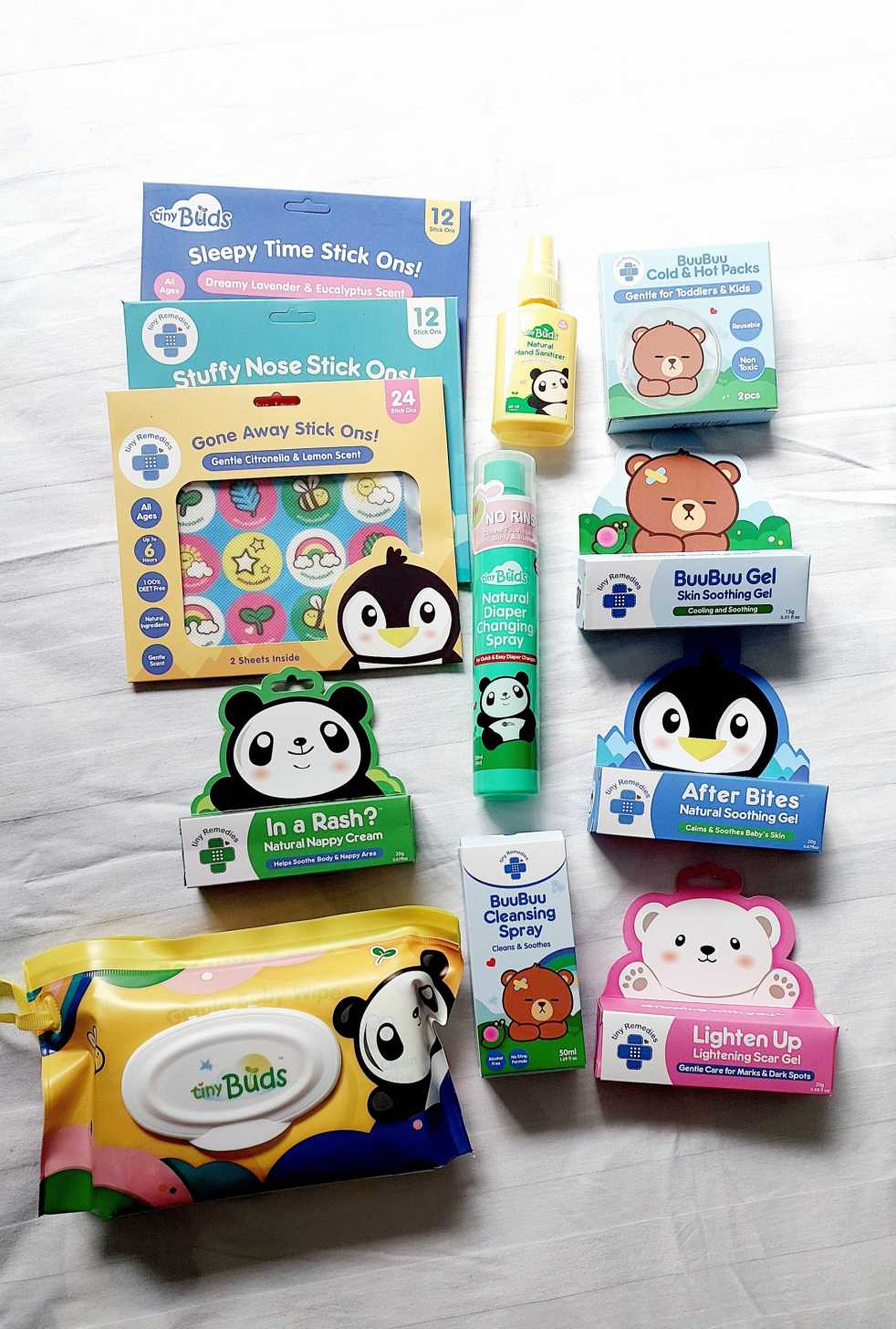
Your baby’s skin is more delicate than most, this is why you have to choose products that are designed for sensitive skin. Tiny Buds is a pioneer in integrating natural ingredients into baby care and today has over 50 innovative natural baby care essentials and is one of the Top Baby Personal Care brands. Here… Continue reading Product Review: Tiny Buds Baby Naturals Baby Essentials
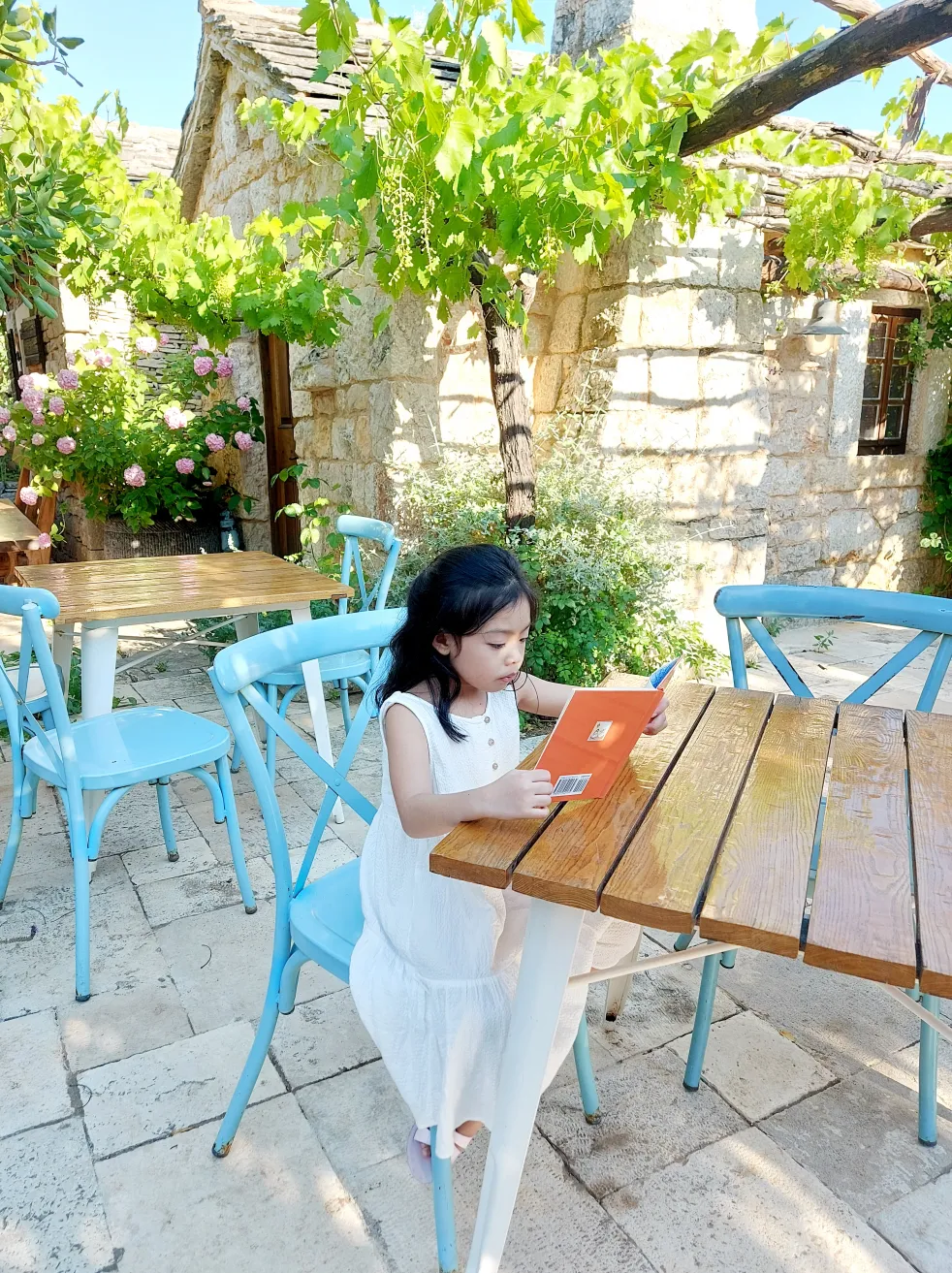
Where your child goes to school is a big decision and shouldn’t be taken lightly. Given how their education can impact their future, you might be tempted to take control and decide for them. However, you might be doing more damage than helping them in the long run. Your job as parents is to support… Continue reading HOW TO CHOOSE THE BEST SCHOOL FOR YOUR CHILD
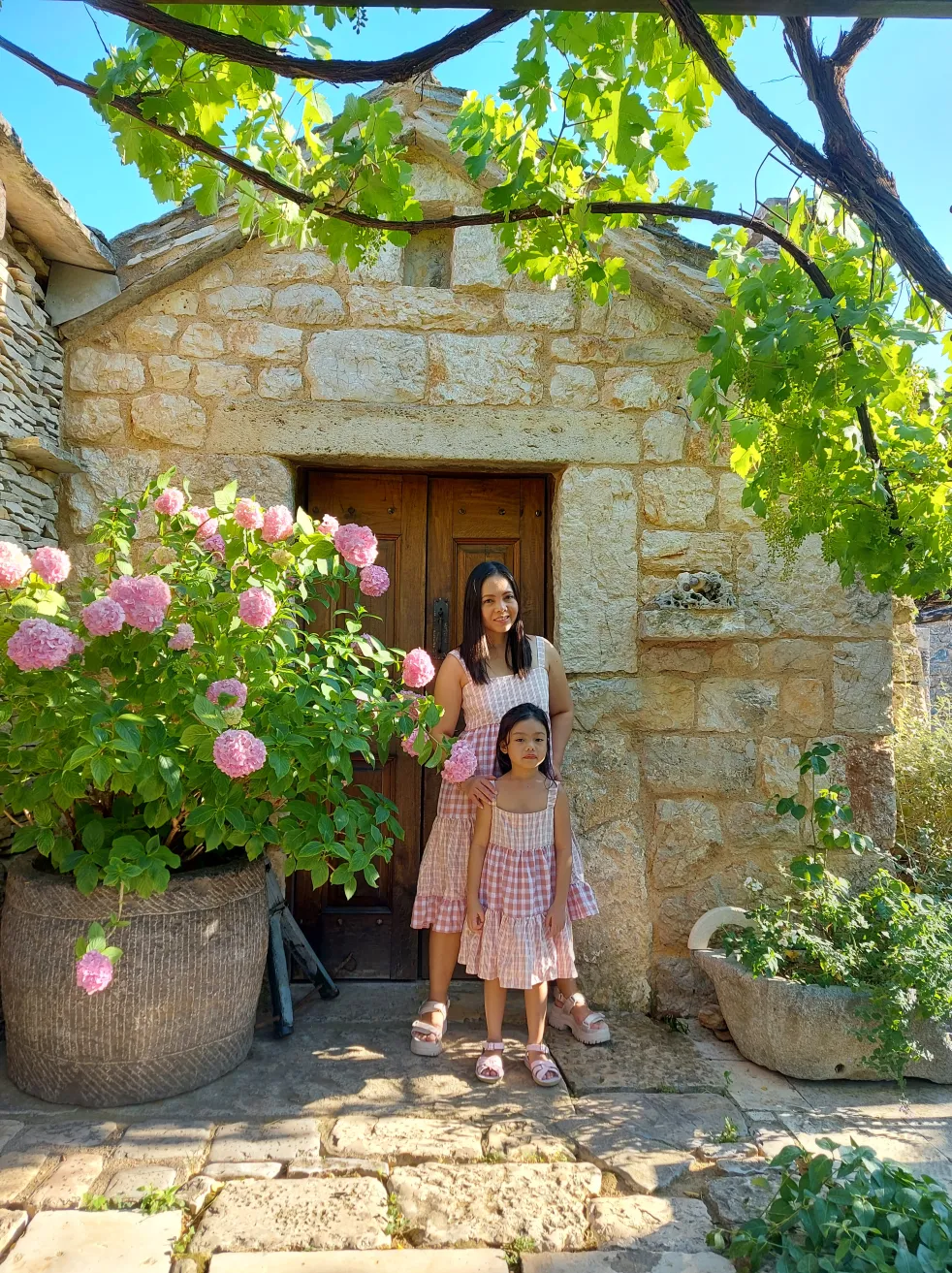
As poet and philosopher Rumi once eloquently said, “raise your words, not your voice. It is rain that grows flowers, not thunder.” Parenting is a challenging journey, and the truth is that nobody has everything figured out. One parenting style might suit others best, and some might favor other methods. However, children respond better to… Continue reading A SIMPLE GUIDE TO GENTLE PARENTING
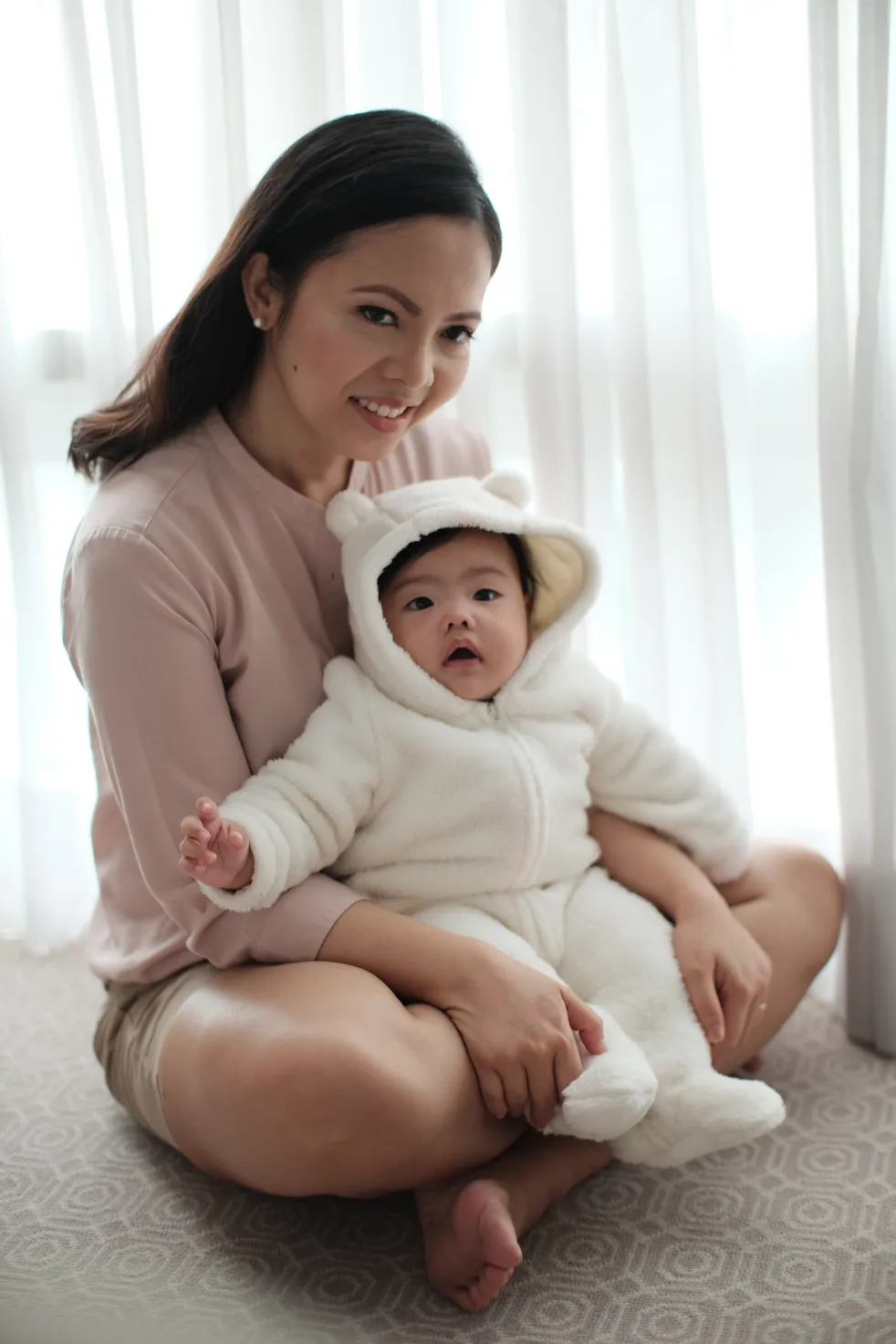
Whether you’re a new mom to be, mom of a toddler, mom who have school-aged kids, you’re bound to have so many questions. Let's start with your baby's skin. Infant skin has unique needs; gentle care is essential to prevent damage to the skin barrier, which can lead to irritation. When caring for infant skin,… Continue reading Keeping Baby’s Diapered Skin Healthy
As parents, we want to give our child the best possible start in life and that begins with nurturing their intelligence. Throughout history, the notion of success has been linked to academic intelligence. However, there has been an increased awareness on the importance of emotional intelligence. This question gets at the heart of the never-ending… Continue reading IQ or EQ, which one is a better predictor of your child’s success?
 wondermomma.net