

Last August, IKEA Philippines engaged with Better World Smokey Mountain, a newly opened community center operated by the San Miguel Foundation, which shares a similar goal of improving the lives of many Filipino people. Through this partnership, IKEA Philippines provided and assembled home furnishings for the classrooms and library of Better World Smokey Mountain community… Continue reading Help Create a Better World with IKEA Soft Toys

NutriAsia, the country’s top producer of condiments and sauces, continues its support of Refill Revolution; a project by the Department of Environment and Natural Resources EMB 3 that aims to help reduce Filipinos’ single-use plastics consumption. At Refill Revolution, residents get to recycle their single-use plastic bottles by reusing and filling it with their choice… Continue reading NutriAsia and DENR renews partnership for Refill Revolution

A complete guide to baby teething symptoms and remedies
Teething is a normal stage of infant development, but it can make ordinary days feel unusually difficult. A baby who is usually content may begin chewing everything, waking more often, or crying during feeds. These changes can be worrying, especially when several symptoms appear at once.
Most babies get their first tooth at around six months, although some begin earlier and others later. The lower front teeth commonly appear first, followed by the upper front teeth. Teething continues in stages until most children have 20 primary teeth by about age three.
Knowing which signs are expected, how to soothe sore gums, and when to contact a healthcare professional can help parents respond calmly. The guidance below is designed for everyday family care, while recognizing that a doctor or dentist should assess symptoms that seem severe or unusual.
When teething usually begins
Teething can start anywhere from about four to twelve months. Family patterns may influence timing, so a baby who has no teeth at six months is not necessarily delayed. Teeth often arrive in pairs, and the process may continue intermittently for several months.
Before a tooth breaks through, the gum over it may look red, swollen, or slightly raised. You may feel a hard edge beneath the gum. Some babies show clear discomfort for a few days, while others have almost no symptoms.
The central lower incisors are often first, followed by the central upper incisors. Later, lateral incisors, first molars, canines, and second molars appear. Each stage may bring a new period of gum sensitivity, chewing, and disrupted sleep.
Common baby teething symptoms
The most recognizable sign is an increased need to bite or chew. Pressure against the gums can feel comforting, so babies may gnaw on toys, fingers, clothing, or the edge of a cot. Extra drooling is also common and may cause a damp chin or a mild rash around the mouth.
Other possible signs include tender gums, mild irritability, shorter naps, night waking, and temporary changes in feeding. Some babies pull at their cheeks or ears because discomfort from the mouth can seem to spread toward the face. A cool teething ring may bring brief relief.
A small rise in temperature can occur, but true fever is not considered a normal teething symptom. Diarrhea, vomiting, persistent cough, congestion, or a widespread rash should not automatically be blamed on emerging teeth. These may signal an infection or another condition that deserves medical advice.
Telling teething apart from illness
Teething discomfort is usually mild and comes with a baby who remains reasonably alert between difficult periods. The child may still drink, produce wet nappies, and respond normally to familiar voices and cuddling. Symptoms often improve temporarily after gum pressure is relieved.
A temperature of 38°C or higher, repeated vomiting, frequent watery stools, breathing difficulty, unusual sleepiness, or refusal to drink needs a closer look. Babies can become ill while teething simply because both events happen during the same developmental period. Teething should never delay care for a potentially serious illness.
Seek prompt medical help if your baby has signs of dehydration, such as fewer wet nappies, a dry mouth, no tears when crying, or marked weakness. In a young infant, any fever should be discussed urgently with a healthcare professional. Trust your observations if your baby seems significantly different from usual.
Safe ways to soothe sore gums
A clean finger can gently massage the gums for a minute or two. Wash your hands first, then use light pressure rather than rubbing vigorously. A chilled, solid rubber teether or a damp washcloth cooled in the refrigerator may also help. Avoid freezing teethers, since very hard surfaces can injure delicate gums.
For babies who have started solids, chilled soft foods may provide comfort when offered in an age-appropriate form. Always supervise eating, and avoid hard pieces that can break off or create a choking hazard. Breastfeeding, bottle-feeding, cuddling, rocking, and quiet skin-to-skin contact can provide reassurance when pain makes settling difficult.
Medication should be used carefully. Ask a doctor or pharmacist about the correct dose of infant paracetamol based on your baby’s age and weight. Ibuprofen may be suitable for some babies over six months, but it is not appropriate for every child, especially during dehydration or certain illnesses. Never give aspirin to a child.
Avoid numbing gels containing benzocaine or lidocaine unless a qualified clinician specifically advises their use. These products can cause serious side effects in infants and may numb the throat, making swallowing less safe. Amber teething necklaces, bracelets, and anklets also pose strangulation and choking risks and do not have reliable evidence of benefit.
Everyday oral care from the first tooth
Begin brushing as soon as the first tooth appears. Use a small, soft-bristled toothbrush and a smear of fluoride toothpaste, roughly the size of a grain of rice. An adult should perform or closely supervise brushing twice daily, including before bed. Babies do not need to rinse and spit as older children do.
Frequent exposure to sweet drinks and sticky snacks increases the risk of early childhood tooth decay. Offer water between meals when appropriate, and avoid putting a baby to sleep with a bottle containing milk, juice, or a sweetened drink. Milk feeds remain important, but teeth should be cleaned regularly once they erupt.
A first dental visit by the first birthday helps identify early concerns and gives parents practical advice about fluoride, brushing, feeding, and tooth development. Families looking for broader parenting resources can also find support for routines, baby care, and healthy family habits.
| What you notice | Often consistent with teething | When to seek medical advice |
|---|---|---|
| Drooling and a damp chin | Very common, especially with chewing | A spreading, blistered, or infected-looking rash |
| Swollen or tender gums | Common before a tooth appears | Severe swelling, pus, or bleeding that does not stop |
| Fussiness and poor sleep | Can happen for several days | Extreme drowsiness, inconsolable crying, or sudden behavior change |
| Warm forehead | A slight temperature change may occur | Fever of 38°C or higher, particularly in a young infant |
| Chewing fingers and toys | A typical comfort behavior | Difficulty swallowing or breathing |
| Less interest in food | Temporary and mild changes can occur | Refusal of fluids, repeated vomiting, or fewer wet nappies |
Feeding and sleep during teething
Sore gums can make sucking uncomfortable because the pressure of feeding may irritate tender areas. Some babies prefer shorter, more frequent feeds, while others accept cool milk more readily. Continue offering breast milk or formula regularly, and monitor wet nappies rather than focusing on how much is taken in during one feed.
If solids are already part of your baby’s routine, soft textures may be easier than crunchy or acidic foods. Cool mashed fruit, yoghurt without added sugar, or other suitable foods can be offered according to your child’s developmental stage. Keep the baby upright and supervise every bite.
Night waking may increase for a short period. A predictable bedtime routine, dim lighting, gentle rocking, and a clean chilled teether before sleep can help. Do not place a teething object, food, medication, or necklace in the cot. Once comfort is provided, give your baby an opportunity to settle safely.
A gentle plan for sore-gum days
Practical preparation makes teething episodes easier to manage. Keep a few washable teethers available, carry a clean cloth for drool, and check the skin under the chin and around the mouth several times a day. Pat rather than rub irritated skin, and use a baby-safe barrier product if recommended by your healthcare provider.
These steps can support comfort without relying on risky products:
- Offer a chilled, solid teething ring or clean damp washcloth under close supervision.
- Massage the gums gently with a clean finger for short periods.
- Give regular breast milk, formula, or suitable fluids and watch for wet nappies.
- Use only age- and weight-appropriate pain relief after professional dosing guidance.
- Brush erupted teeth twice daily with a soft brush and a rice-sized smear of fluoride toothpaste.
Teething can also affect a parent’s sleep and patience. Sharing soothing duties with another trusted adult, lowering expectations for a few days, and keeping a simple symptom record can make the period more manageable. Note the temperature, feeding, wet nappies, sleep, and any medicine given so that changes are easier to explain to a clinician.
Knowing when to call a professional
Contact your baby’s doctor when symptoms are intense, last longer than expected, or do not improve with simple comfort measures. Medical advice is especially important for a high fever, persistent diarrhea, repeated vomiting, dehydration, breathing problems, or a baby who is difficult to wake.
A dentist can assess teeth that appear discolored, damaged, unusually positioned, or slow to emerge alongside other developmental concerns. The dental visit is also a chance to discuss fluoride levels in local water, bottle habits, thumb-sucking, and family routines that protect new teeth.
Teething is temporary, even when several difficult nights make it feel endless. Gentle gum care, safe pain relief, appropriate oral hygiene, and careful attention to warning signs allow parents to support their baby with confidence. Save this guide for the next tooth, share it with your child’s caregivers, and arrange professional care whenever symptoms fall outside the usual pattern.

Mercato Centrale, in collaboration with Indian Women in Enterprise Philippines (I-We), is set to host "The Great Indian Fiesta" to mark 75 years of friendship between India and the Philippines. The dynamic two-day event is scheduled to take place on September 30 to October 1, 2023, at Paseo De Roxas Street, Makati City. Aiming to… Continue reading Mercato Centrale Partners with I-We to Host ‘The Great Indian Fiesta’, Commemorating 75 Years of India-Philippines Friendship

My stomach would usually start growling at 10 am even after taking a big breakfast. This is probably because I am a morning person and I move a lot throughout the day hence snacking is something that I can't avoid. This potatoes and chicken wrap recipe is easy to prepare and would keep me full… Continue reading Potato and Chicken Wrap
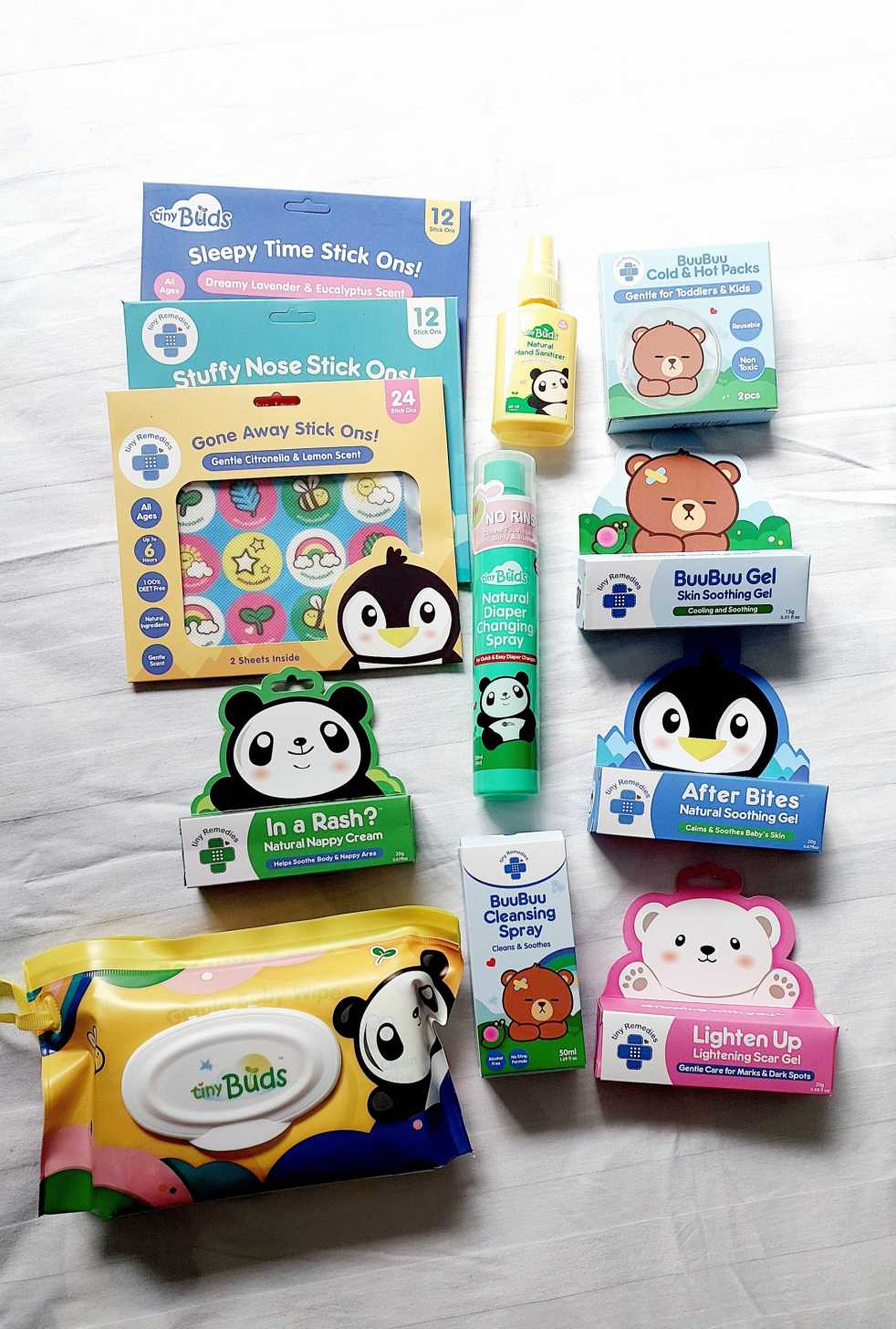
Your baby’s skin is more delicate than most, this is why you have to choose products that are designed for sensitive skin. Tiny Buds is a pioneer in integrating natural ingredients into baby care and today has over 50 innovative natural baby care essentials and is one of the Top Baby Personal Care brands. Here… Continue reading Product Review: Tiny Buds Baby Naturals Baby Essentials

Where your child goes to school is a big decision and shouldn’t be taken lightly. Given how their education can impact their future, you might be tempted to take control and decide for them. However, you might be doing more damage than helping them in the long run. Your job as parents is to support… Continue reading HOW TO CHOOSE THE BEST SCHOOL FOR YOUR CHILD

As poet and philosopher Rumi once eloquently said, “raise your words, not your voice. It is rain that grows flowers, not thunder.” Parenting is a challenging journey, and the truth is that nobody has everything figured out. One parenting style might suit others best, and some might favor other methods. However, children respond better to… Continue reading A SIMPLE GUIDE TO GENTLE PARENTING

Whether you’re a new mom to be, mom of a toddler, mom who have school-aged kids, you’re bound to have so many questions. Let's start with your baby's skin. Infant skin has unique needs; gentle care is essential to prevent damage to the skin barrier, which can lead to irritation. When caring for infant skin,… Continue reading Keeping Baby’s Diapered Skin Healthy

As parents, we want to give our child the best possible start in life and that begins with nurturing their intelligence. Throughout history, the notion of success has been linked to academic intelligence. However, there has been an increased awareness on the importance of emotional intelligence. This question gets at the heart of the never-ending… Continue reading IQ or EQ, which one is a better predictor of your child’s success?
 wondermomma.net