
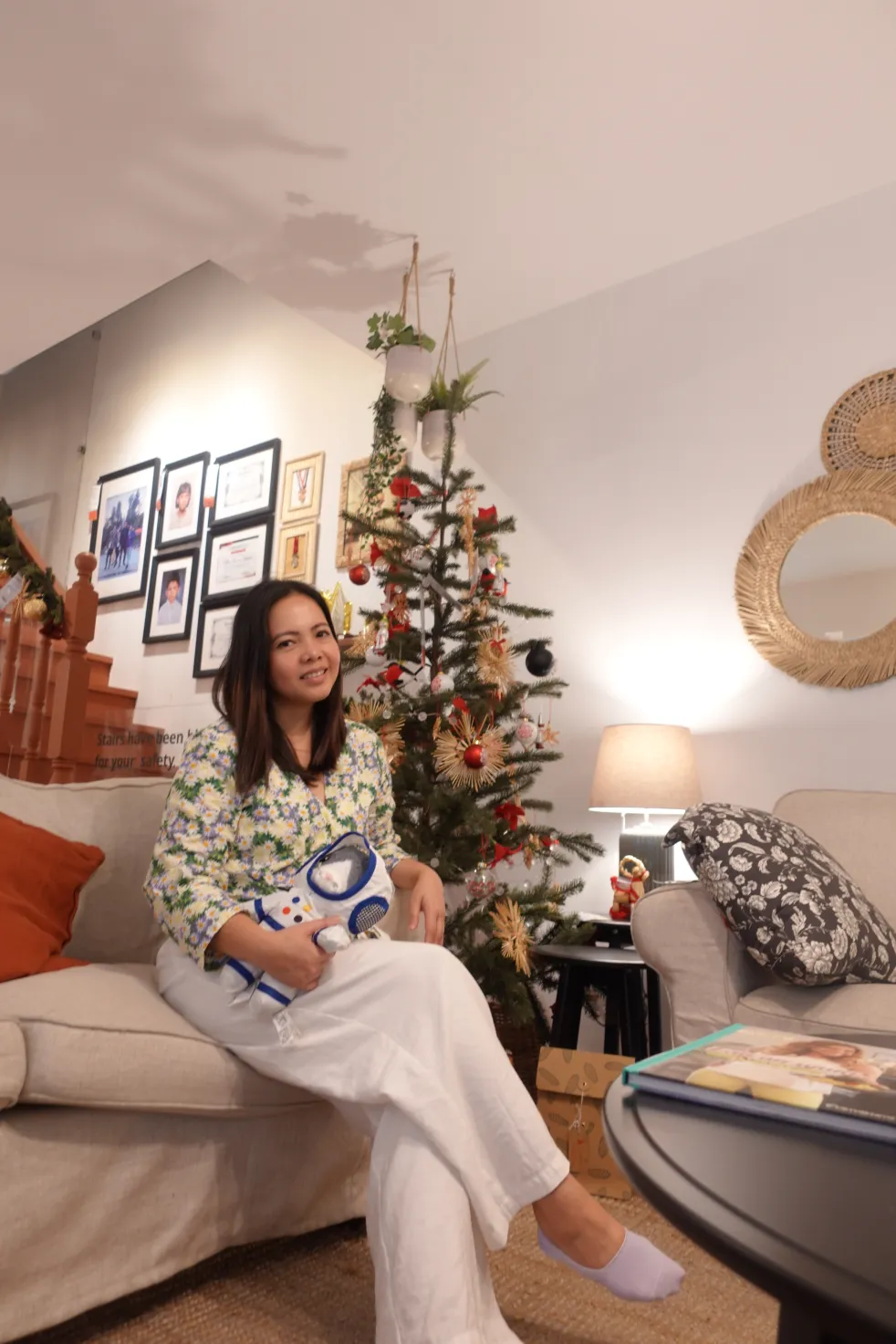
Last August, IKEA Philippines engaged with Better World Smokey Mountain, a newly opened community center operated by the San Miguel Foundation, which shares a similar goal of improving the lives of many Filipino people. Through this partnership, IKEA Philippines provided and assembled home furnishings for the classrooms and library of Better World Smokey Mountain community… Continue reading Help Create a Better World with IKEA Soft Toys

NutriAsia, the country’s top producer of condiments and sauces, continues its support of Refill Revolution; a project by the Department of Environment and Natural Resources EMB 3 that aims to help reduce Filipinos’ single-use plastics consumption. At Refill Revolution, residents get to recycle their single-use plastic bottles by reusing and filling it with their choice… Continue reading NutriAsia and DENR renews partnership for Refill Revolution

5 educational toys that boost fine motor skills
Fine motor skills involve the small movements children make with their hands, fingers, and wrists. These abilities help children button clothes, hold a pencil, use utensils, turn pages, and manage many everyday tasks with growing independence.
Young children develop these skills through repeated, enjoyable practice. Educational toys can make that practice feel like play, giving children opportunities to grasp, pinch, twist, stack, thread, press, and manipulate objects at their own pace.
The best choices do not have to be expensive or complicated. A simple puzzle, a tub of modeling dough, or a set of large beads can encourage hand-eye coordination while also supporting concentration, problem-solving, and imaginative play. Families looking for practical ideas can find more parenting resources to complement play-based learning at home.
Why fine motor play matters
Fine motor development supports much more than neat handwriting. Children use these skills when they feed themselves, open containers, zip jackets, wash their hands, and handle classroom materials. Strong hand and finger control can make daily routines less frustrating and help children feel capable.
These activities also strengthen visual-motor coordination, which is the ability to guide hand movements using information from the eyes. When a child places a piece into a puzzle, clips a peg, or threads a bead, the brain is learning to judge distance, direction, pressure, and position.
Play should remain relaxed and age-appropriate. Children may use toys differently from the instructions, and that exploration is valuable. Adults can demonstrate a simple action, offer encouragement, and allow the child enough time to experiment without taking over.
Building blocks and construction sets
Blocks are versatile tools for developing grasping, releasing, and precise placement. Children pick up pieces, turn them to find the right position, balance them, and take structures apart. These repeated movements build finger strength and improve hand-eye coordination.
Large wooden blocks or chunky interlocking bricks are suitable for toddlers because they are easier to hold and less likely to become a choking hazard. As children grow, smaller construction pieces can introduce more detailed manipulation. Building a tower, bridge, house, or vehicle also encourages planning and spatial reasoning.
Parents can add simple challenges without making play feel like a test. Ask a child to build something taller than a cup, create a home for a toy animal, or copy a basic structure. Open-ended construction allows children to practise precision while developing creativity and early engineering concepts.
Lacing cards, beads, and threading toys
Threading activities require children to hold one object steady while guiding another through a small opening. This develops bilateral coordination, since both hands must work together. The movements involved also strengthen the pincer grasp used for picking up small objects and later holding pencils.
Lacing cards with thick strings are a good starting point for preschoolers. Large wooden beads and sturdy cords can provide a similar experience, while older children may enjoy pattern-based bead sets. Choose pieces that match the child’s ability and supervise closely whenever small parts are present.
Threading toys can also support early mathematics and language. Children may sort beads by color or shape, count how many they have used, or create a repeating pattern. Describing actions with words such as “through,” “beside,” “under,” and “next” adds communication practice to the hands-on activity.
Comparing popular fine motor toys
| Educational toy | Main hand skills | Other abilities supported | Suitable play ideas |
|---|---|---|---|
| Building blocks | Grasping, releasing, stacking, rotating | Spatial reasoning, creativity, planning | Build towers, bridges, or pretend homes |
| Lacing cards | Pinching, pulling, bilateral coordination | Concentration, sequencing, vocabulary | Lace around shapes and describe directions |
| Chunky puzzles | Turning, pressing, controlled placement | Problem-solving, visual discrimination | Match pictures, colors, or simple scenes |
| Modeling dough | Rolling, squeezing, pinching, flattening | Imagination, strength, sensory exploration | Make food, animals, letters, or faces |
| Peg boards and clips | Pincer grasp, pushing, squeezing | Counting, color recognition, patterning | Copy designs or sort pieces by color |
Chunky puzzles and shape sorters
Puzzles encourage children to rotate and position pieces with care. A child may try several angles before finding the correct fit, strengthening visual tracking and hand control in the process. Chunky wooden puzzles are especially useful for younger children because the pieces are easy to grasp and often include knobs.
Shape sorters provide similar benefits while adding a lesson in matching and classification. Children learn to compare a piece with an opening, adjust their approach, and try again when it does not fit. This kind of persistence supports early problem-solving without requiring worksheets or direct instruction.
Choose puzzles with a manageable number of pieces. If a child becomes discouraged, begin with a familiar picture or offer one gentle clue, such as turning a piece or looking for a matching color. Completing a puzzle should feel satisfying rather than rushed.
Modeling dough for strength and creativity
Modeling dough is a sensory-rich way to exercise the hands. Squeezing, rolling, pinching, twisting, and flattening the dough work different finger and palm muscles. These movements can prepare children for tasks that require controlled pressure, including drawing, cutting, and using classroom tools.
Dough play also gives children freedom to create. They can make pretend meals, animals, flowers, faces, or simple letters. Adding child-safe tools such as rollers, plastic cutters, and blunt stampers introduces more ways to press and manipulate the material.
For younger children, use a non-toxic dough and supervise play to prevent mouthing. Keep the activity simple if a child is sensitive to textures. Offering a tool, cloth, or small tray can help children participate without needing to touch the dough directly at first.
Peg boards, clips, and practical manipulatives
Peg boards invite children to push pegs into holes, remove them, and arrange them in patterns. The repeated pressure strengthens fingers while the visual arrangement supports color recognition and early planning. Some children enjoy making pictures, while others prefer sorting or filling every space.
Clothespins and child-safe clips offer another useful form of hand exercise. Squeezing a clip requires controlled finger strength, and attaching clips around a container or card can become a simple matching game. Adults can write colors, numbers, or letters on cards for children to pair with the correct clip.
Everyday objects can extend this type of play. Moving large pom-poms with kitchen tongs, opening reusable containers, placing coins in a slot, or transferring dry cereal with a spoon can all encourage careful hand movements. Use age-appropriate materials and close supervision, particularly with small items.
Choosing toys for meaningful practice
A good fine motor toy should be safe, durable, and interesting enough to invite repeated use. Look for smooth edges, secure construction, washable materials, and age guidance that fits the child. Toys with several possible activities often remain engaging longer than products designed for one fixed response.
Consider the child’s current abilities rather than choosing the most advanced option. A toddler who is still developing a pincer grasp may benefit from large knobs and chunky pieces, while a preschooler may be ready for lacing patterns, smaller construction parts, or more complex puzzles.
Use these simple principles when selecting and presenting toys:
- Offer one new challenge at a time so the child can focus on the movement.
- Choose pieces that are large enough for the child’s age and always supervise small-part play.
- Rotate toys every few days to renew interest without overcrowding the play area.
- Follow the child’s interests by using favorite animals, colors, stories, or pretend scenarios.
- Praise persistence and effort instead of expecting perfect results.
Turning toy time into everyday learning
Fine motor activities work best when they are part of a regular routine rather than a formal lesson. Five or ten minutes of focused play can be enough, especially when a child is young or easily tired. Repeating a favorite activity on different days helps movements become smoother and more controlled.
Parents can connect toys with real-life tasks. Invite children to peel a banana, stir batter, place stickers on a card, turn pages during story time, or help fold small towels. These experiences give fine motor practice a practical purpose and help children see their abilities in daily life.
Watch for enjoyment, effort, and gradual progress. Some children will stack blocks for a long time, while others prefer dough or puzzles. By providing varied educational toys and allowing children to choose, families can support hand strength, coordination, concentration, and independence through playful learning.
Bring one suitable toy into your child’s next play session, follow their curiosity, and make time for regular hands-on practice. Small, cheerful activities can build the skills children need for dressing, drawing, learning, and managing everyday life.

Mercato Centrale, in collaboration with Indian Women in Enterprise Philippines (I-We), is set to host "The Great Indian Fiesta" to mark 75 years of friendship between India and the Philippines. The dynamic two-day event is scheduled to take place on September 30 to October 1, 2023, at Paseo De Roxas Street, Makati City. Aiming to… Continue reading Mercato Centrale Partners with I-We to Host ‘The Great Indian Fiesta’, Commemorating 75 Years of India-Philippines Friendship

My stomach would usually start growling at 10 am even after taking a big breakfast. This is probably because I am a morning person and I move a lot throughout the day hence snacking is something that I can't avoid. This potatoes and chicken wrap recipe is easy to prepare and would keep me full… Continue reading Potato and Chicken Wrap
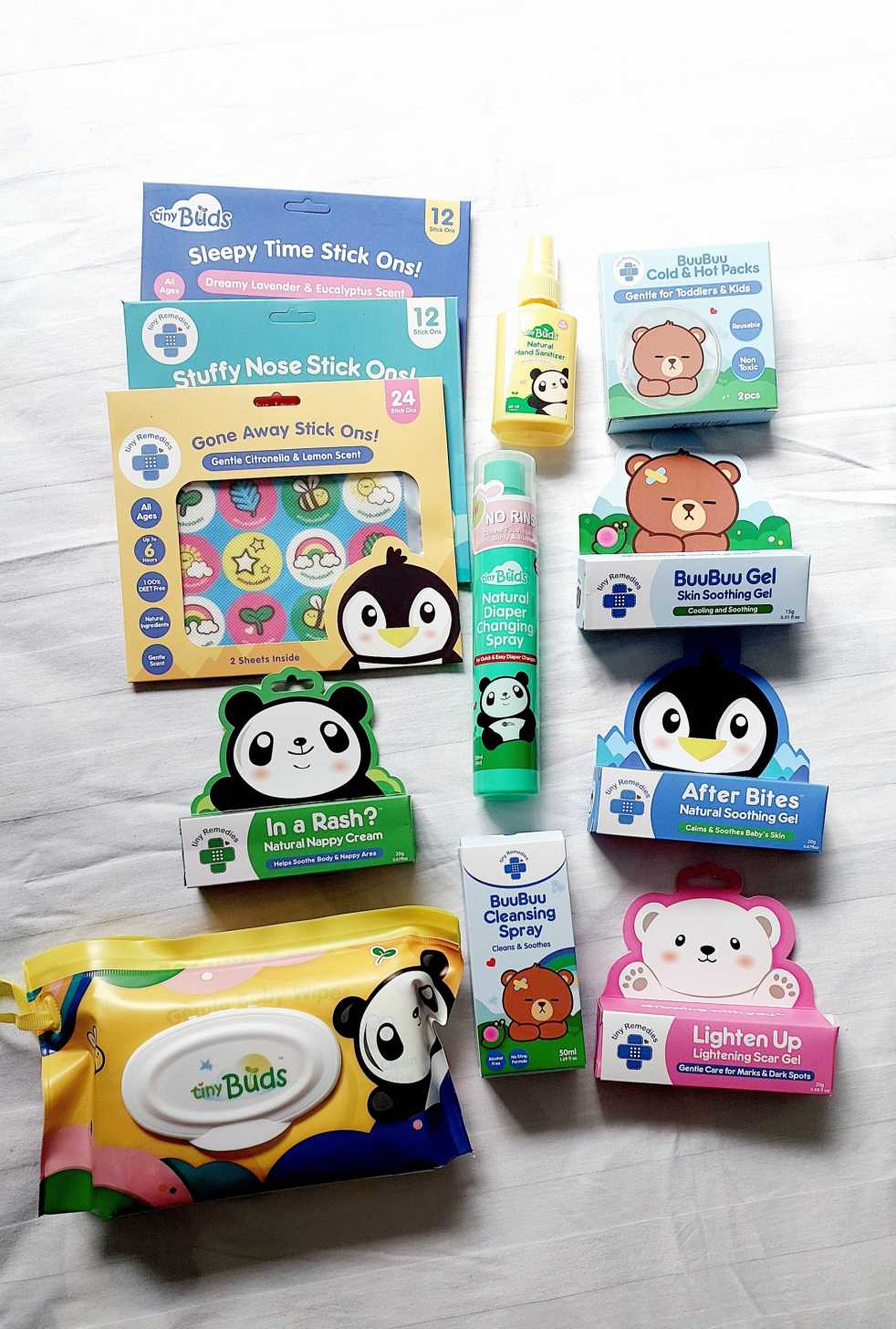
Your baby’s skin is more delicate than most, this is why you have to choose products that are designed for sensitive skin. Tiny Buds is a pioneer in integrating natural ingredients into baby care and today has over 50 innovative natural baby care essentials and is one of the Top Baby Personal Care brands. Here… Continue reading Product Review: Tiny Buds Baby Naturals Baby Essentials
Where your child goes to school is a big decision and shouldn’t be taken lightly. Given how their education can impact their future, you might be tempted to take control and decide for them. However, you might be doing more damage than helping them in the long run. Your job as parents is to support… Continue reading HOW TO CHOOSE THE BEST SCHOOL FOR YOUR CHILD
As poet and philosopher Rumi once eloquently said, “raise your words, not your voice. It is rain that grows flowers, not thunder.” Parenting is a challenging journey, and the truth is that nobody has everything figured out. One parenting style might suit others best, and some might favor other methods. However, children respond better to… Continue reading A SIMPLE GUIDE TO GENTLE PARENTING
Whether you’re a new mom to be, mom of a toddler, mom who have school-aged kids, you’re bound to have so many questions. Let's start with your baby's skin. Infant skin has unique needs; gentle care is essential to prevent damage to the skin barrier, which can lead to irritation. When caring for infant skin,… Continue reading Keeping Baby’s Diapered Skin Healthy
As parents, we want to give our child the best possible start in life and that begins with nurturing their intelligence. Throughout history, the notion of success has been linked to academic intelligence. However, there has been an increased awareness on the importance of emotional intelligence. This question gets at the heart of the never-ending… Continue reading IQ or EQ, which one is a better predictor of your child’s success?
 wondermomma.net