
Last August, IKEA Philippines engaged with Better World Smokey Mountain, a newly opened community center operated by the San Miguel Foundation, which shares a similar goal of improving the lives of many Filipino people. Through this partnership, IKEA Philippines provided and assembled home furnishings for the classrooms and library of Better World Smokey Mountain community… Continue reading Help Create a Better World with IKEA Soft Toys
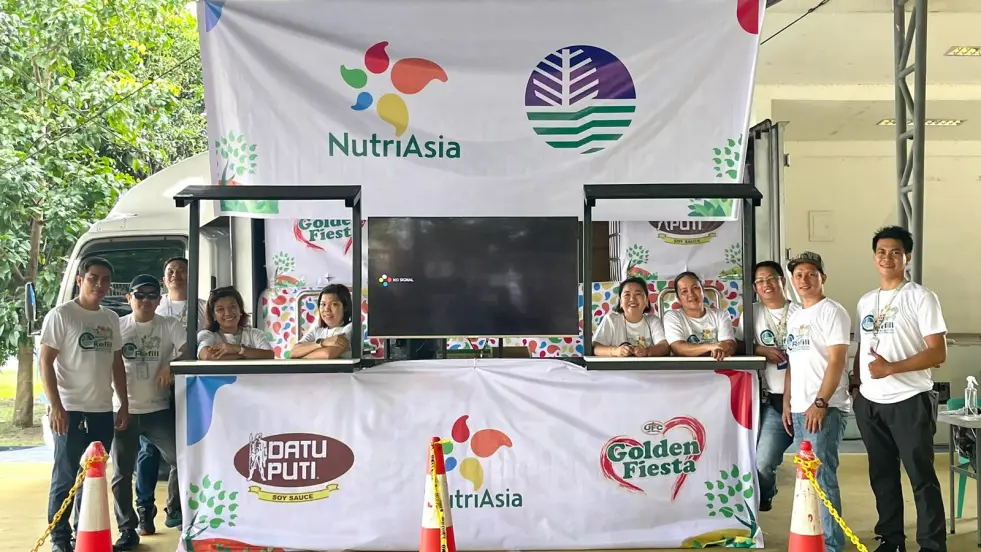
NutriAsia, the country’s top producer of condiments and sauces, continues its support of Refill Revolution; a project by the Department of Environment and Natural Resources EMB 3 that aims to help reduce Filipinos’ single-use plastics consumption. At Refill Revolution, residents get to recycle their single-use plastic bottles by reusing and filling it with their choice… Continue reading NutriAsia and DENR renews partnership for Refill Revolution

Small Kindness, Big Lessons for Preschoolers
Kindness is a skill young children can practice in simple, visible ways. A preschooler may not understand every social problem around them, but they can learn to notice when someone needs help, offer what they have, and use caring words. These small experiences build empathy, confidence, responsibility, and a stronger sense of belonging.
Acts of kindness with a preschooler do not need to involve money, elaborate crafts, or a large volunteer project. Everyday family routines can become opportunities for generosity. Folding a sibling’s blanket, sharing merienda, watering a neighbor’s plant, or saying thank you to a hardworking delivery rider can all help children see that their actions affect other people.
Parents can guide the activity without taking over. Explain what you are doing, give your child a manageable role, and allow them to see the recipient’s response. The goal is to encourage genuine care rather than force a performance or expect praise.
Why Kindness Belongs In Early Childhood
Preschoolers are still developing emotional regulation and perspective-taking. They may understand that another person is sad or tired, yet struggle to decide what to do next. A practical kindness activity gives them a clear bridge between recognizing a feeling and responding thoughtfully.
Keep the language concrete. Instead of saying, “Be more considerate,” try, “Lola is carrying many bags. Shall we hold one small bag with her?” This approach turns an abstract value into an action a three- or four-year-old can understand.
It is also helpful to praise the process rather than label a child as “good.” Say, “You noticed your brother was upset and brought him his stuffed toy,” or “You waited while your friend finished speaking.” Specific encouragement helps children understand which behavior made a difference.
Start With Kindness At Home
Begin with acts that feel familiar and safe. Invite your preschooler to make a thank-you drawing for a family member, teacher, security guard, driver, or another person who regularly helps your household. The child can draw flowers, write a name with assistance, or dictate a short message while an adult writes it down.
Deliver the note together when appropriate, or place it somewhere the recipient will find it. Talk briefly about the effort behind the person’s work. For example, a thank-you message for a building guard can help your child notice how someone keeps the community safe, while a note to a teacher highlights the care involved in helping children learn.
A second idea is to create a family kindness basket. Place clean, useful items inside, such as unopened snacks, toiletries, children’s books, or school supplies. Your preschooler can help select items and decorate the basket. Explain that the family is sharing things in good condition with someone who may need them, rather than giving away broken or unwanted objects.
Share Care Beyond The Front Door
A neighborhood walk can become a gentle community service activity. Bring a small bag and let your child help collect safe litter from a designated area, such as your garden, a quiet sidewalk, or a shared playground. Adults should handle sharp, dirty, or unfamiliar objects, while children can pick up paper using gloves or tongs.
Use the activity to teach respect for shared spaces. Avoid turning it into a scolding session about people who litter. A simple message works better: “This place belongs to many families, so we can help keep it pleasant.” Wash hands thoroughly afterward and make the activity short enough to remain enjoyable.
Children can also help care for nature by watering plants, placing food and water for a family pet, or making a small bird-friendly corner with adult supervision. These tasks teach that kindness includes living things. Explain that animals need gentle hands and that children must never approach unfamiliar pets or wildlife without an adult.
| Kindness activity | Preschooler’s role | Adult’s role | Lesson developed |
|---|---|---|---|
| Thank-you drawing | Draw, decorate, or dictate a message | Help write and deliver it | Gratitude |
| Sharing a snack | Choose and offer an allergy-safe portion | Check ingredients and permission | Generosity |
| Playground clean-up | Collect safe paper and wrappers | Inspect the area and handle hazards | Community responsibility |
| Caring for a plant | Water with a small container | Set limits and prevent overwatering | Nurturing |
| Book donation | Select clean, age-appropriate books | Organize and transport donations | Sharing resources |
Make Generosity Easy To Understand
Sharing food can be a meaningful kindness activity when it is planned carefully. Your child might help pack extra bread, fruit, or sealed snacks for a community pantry, a school drive, or a family friend. Check with the receiving organization first, and be mindful of allergies, cultural preferences, food safety, and the dignity of the person receiving the food.
A preschooler can also prepare a simple care package for someone who is sick or having a difficult week. Let the child choose a drawing, a small book, or a cheerful sticker to include. If the recipient is a neighbor or relative, the child can help place the items in a bag and offer it with a short greeting.
Explain that kindness is not a way to make someone feel small. Avoid describing the recipient as helpless or making your child feel superior. Use respectful language such as, “We have something useful to share,” or, “This may help make their day easier.” This models compassion without pity.
Practice Welcome And Inclusion
Preschool classrooms and playgroups are excellent places to practice inclusion. Encourage your child to invite a classmate into a game, show a new child where the blocks are, or make room on a mat. Role-play at home first with dolls or stuffed animals so your preschooler has words ready when the moment arrives.
Teach that an invitation should be warm but not demanding. A child can say, “Would you like to build with us?” If the other child says no, your preschooler can accept the answer and continue playing kindly. This supports both inclusion and respect for personal boundaries.
Another simple act is helping someone who is having difficulty with a routine task. Your child may pass a crayon, hold a door with an adult, return a toy to its shelf, or help a younger sibling find a shoe. Make sure the task is safe and appropriate. Kindness should never require a child to give up a comfort item, tolerate rough behavior, or ignore their own need for help.
Use Stories, Play, And Daily Routines
Books provide a safe way to explore feelings and choices. After reading a story, pause to notice what a character did for another person. Ask an open-ended question such as, “What could help this character feel less alone?” Your preschooler may offer imaginative answers, and there is no need to correct every response.
Pretend play can rehearse real-life kindness. Use stuffed animals to act out welcoming a new friend, comforting someone after a fall, or sharing art supplies. Let your child take different roles, including the person who needs help. This encourages emotional vocabulary such as worried, frustrated, proud, thankful, and comfortable.
Daily routines offer repeated practice. Invite your child to carry napkins to the table, put a sibling’s cup in its place, or help prepare a thank-you message after receiving a gift. These actions should remain small and voluntary enough for the child’s developmental level. A tired or overwhelmed preschooler may need connection and rest before they can participate generously.
Keep Kindness Safe And Sustainable
- Choose activities that match your child’s age, attention span, and comfort level.
- Ask permission before giving away a child’s belongings, offering food, or touching another person.
- Supervise contact with strangers, animals, roads, cleaning materials, and public spaces.
- Avoid using kindness to pressure a child into hugs, sharing a favorite object, or accepting unwanted contact.
- Celebrate quiet helpfulness instead of expecting thanks, applause, or a photograph.
A parent’s example remains one of the strongest lessons. Children notice when adults thank service workers, speak respectfully about neighbors, apologize after mistakes, and help without making a show of it. Narrate these moments naturally: “I’m moving my bag so someone else can sit,” or, “The cashier helped us, so I’ll say thank you.”
Kindness also needs boundaries. A preschooler can be generous while still saying no, keeping a treasured toy, asking an adult for help, and moving away from unsafe behavior. Teaching both compassion and self-protection gives children a healthier understanding of caring relationships.
Turn Small Acts Into A Family Habit
Create a weekly kindness moment rather than treating generosity as a special event. On one day, your child might help at home; on another, they might send a note, care for a plant, or include someone in play. Let the activities change according to your family’s schedule, budget, energy, and local opportunities in the Philippines.
A simple kindness jar can help children remember what they have noticed. Add a paper heart whenever someone in the family performs a helpful act or receives one. Read a few examples together at the end of the week. The purpose is reflection, not competition, so avoid counting who contributed the most.
With patience and repetition, these experiences become part of a child’s natural approach to family and community life. Choose one small act this week, do it together, and talk about how it helped someone feel cared for. Then make room for your preschooler to lead the next kind gesture.

Mercato Centrale, in collaboration with Indian Women in Enterprise Philippines (I-We), is set to host "The Great Indian Fiesta" to mark 75 years of friendship between India and the Philippines. The dynamic two-day event is scheduled to take place on September 30 to October 1, 2023, at Paseo De Roxas Street, Makati City. Aiming to… Continue reading Mercato Centrale Partners with I-We to Host ‘The Great Indian Fiesta’, Commemorating 75 Years of India-Philippines Friendship

My stomach would usually start growling at 10 am even after taking a big breakfast. This is probably because I am a morning person and I move a lot throughout the day hence snacking is something that I can't avoid. This potatoes and chicken wrap recipe is easy to prepare and would keep me full… Continue reading Potato and Chicken Wrap
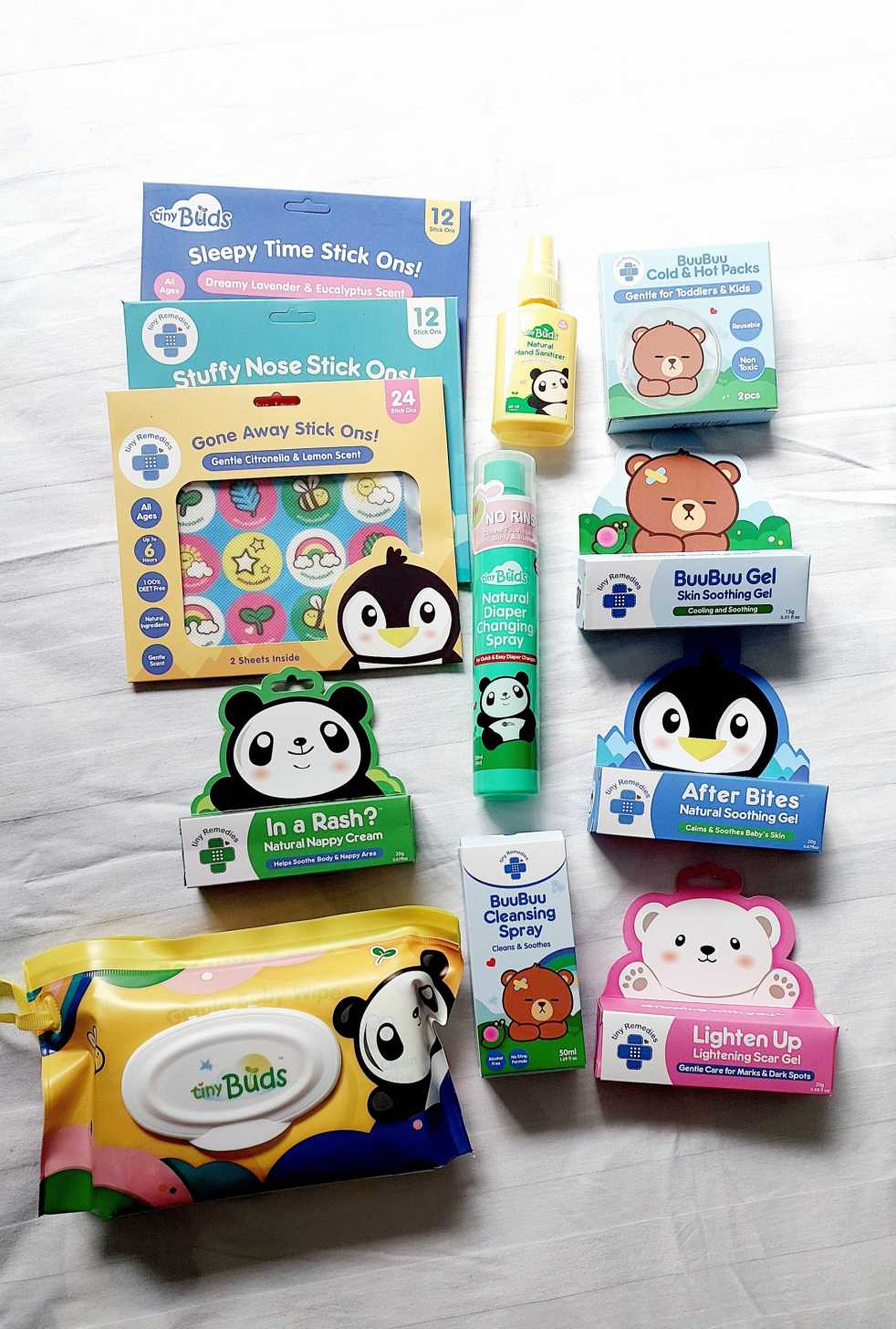
Your baby’s skin is more delicate than most, this is why you have to choose products that are designed for sensitive skin. Tiny Buds is a pioneer in integrating natural ingredients into baby care and today has over 50 innovative natural baby care essentials and is one of the Top Baby Personal Care brands. Here… Continue reading Product Review: Tiny Buds Baby Naturals Baby Essentials
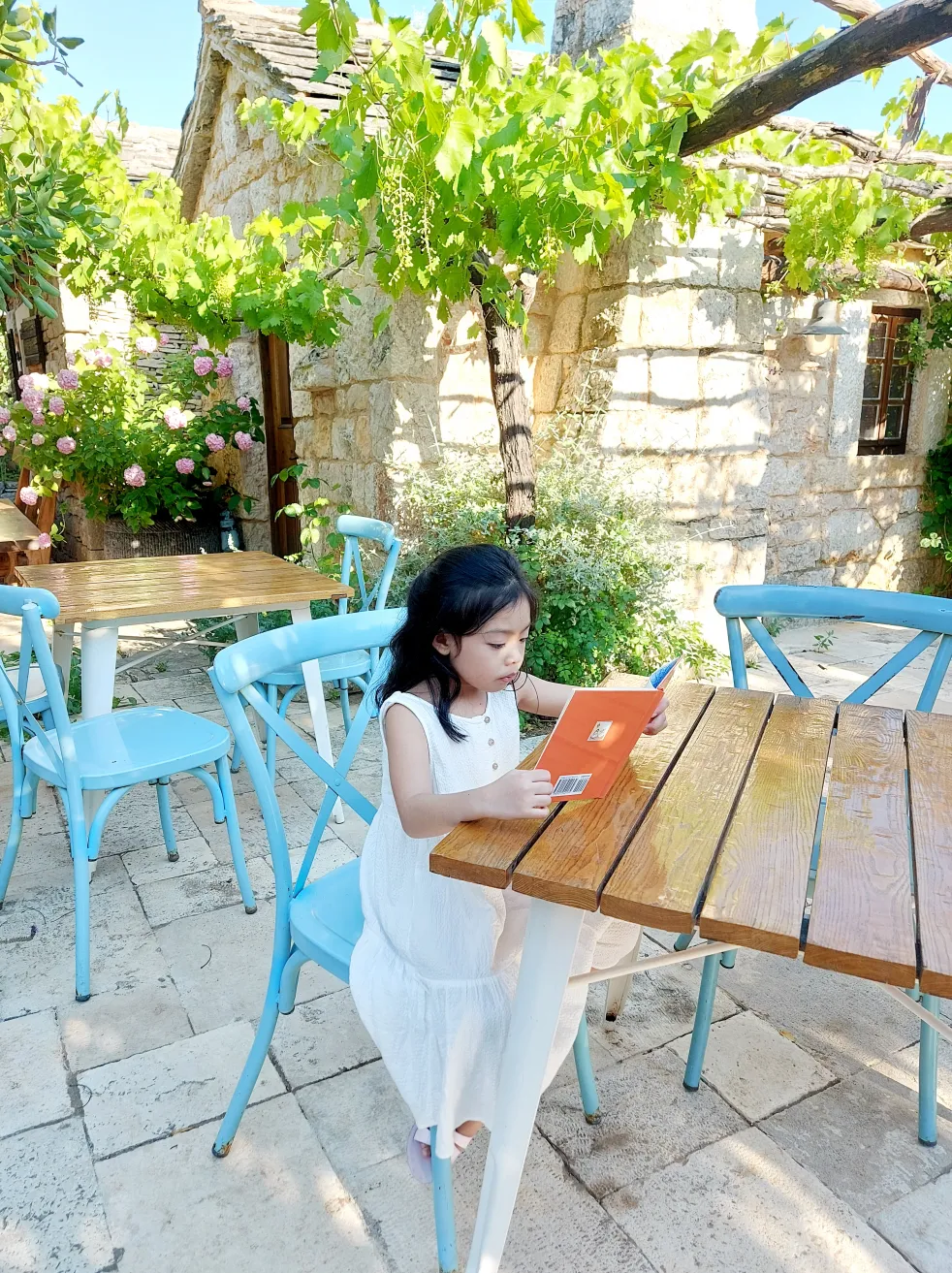
Where your child goes to school is a big decision and shouldn’t be taken lightly. Given how their education can impact their future, you might be tempted to take control and decide for them. However, you might be doing more damage than helping them in the long run. Your job as parents is to support… Continue reading HOW TO CHOOSE THE BEST SCHOOL FOR YOUR CHILD
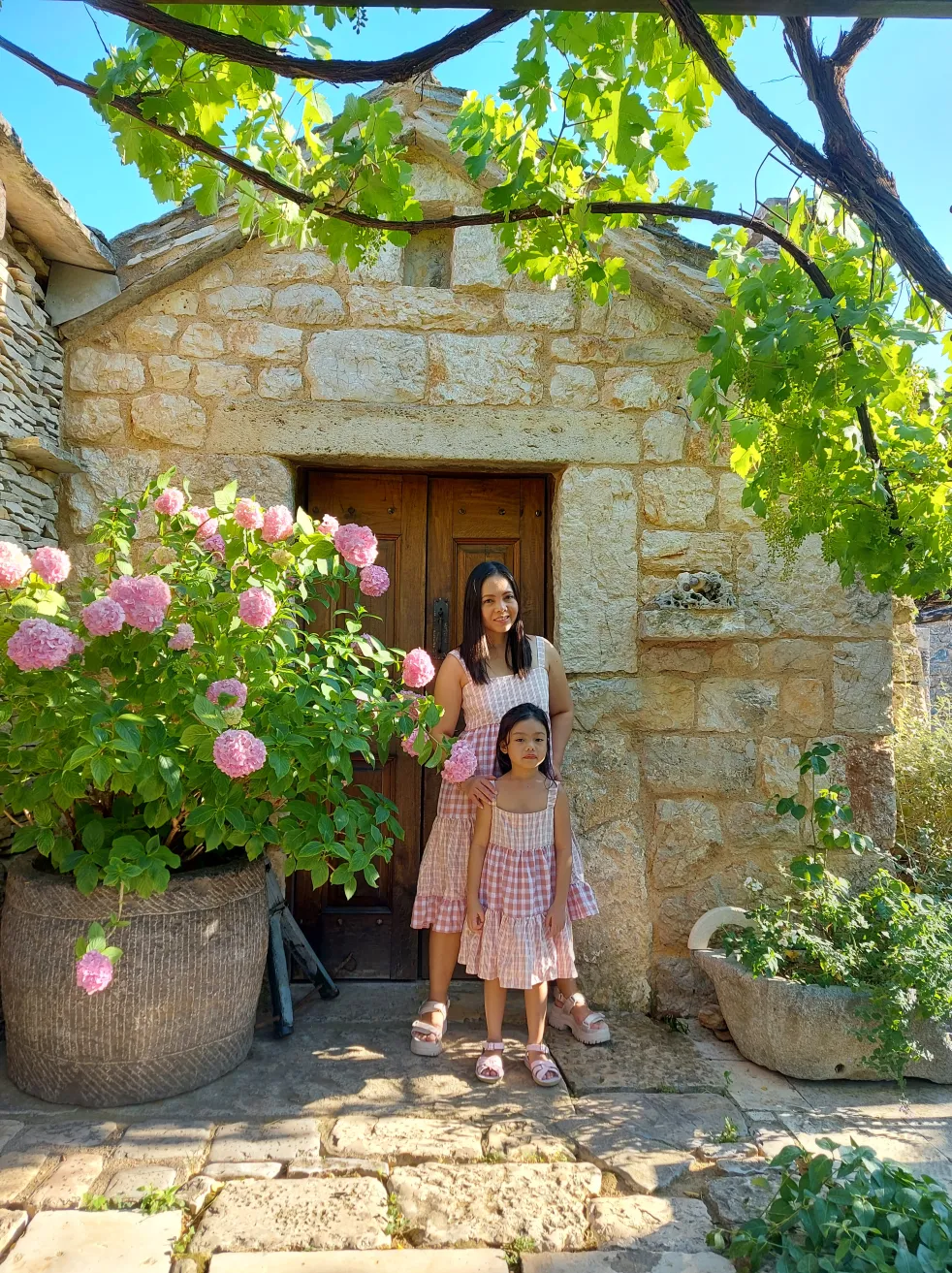
As poet and philosopher Rumi once eloquently said, “raise your words, not your voice. It is rain that grows flowers, not thunder.” Parenting is a challenging journey, and the truth is that nobody has everything figured out. One parenting style might suit others best, and some might favor other methods. However, children respond better to… Continue reading A SIMPLE GUIDE TO GENTLE PARENTING
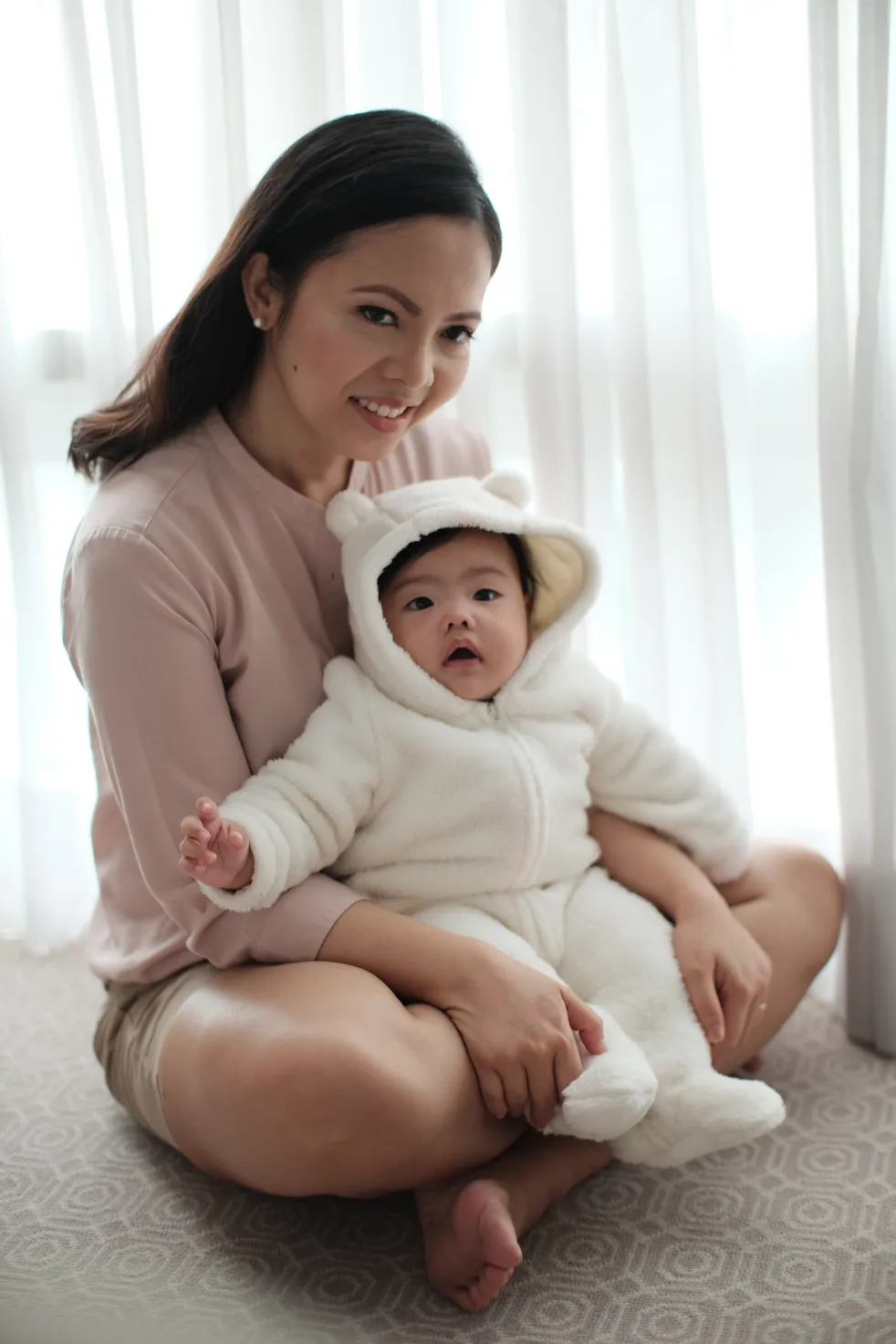
Whether you’re a new mom to be, mom of a toddler, mom who have school-aged kids, you’re bound to have so many questions. Let's start with your baby's skin. Infant skin has unique needs; gentle care is essential to prevent damage to the skin barrier, which can lead to irritation. When caring for infant skin,… Continue reading Keeping Baby’s Diapered Skin Healthy
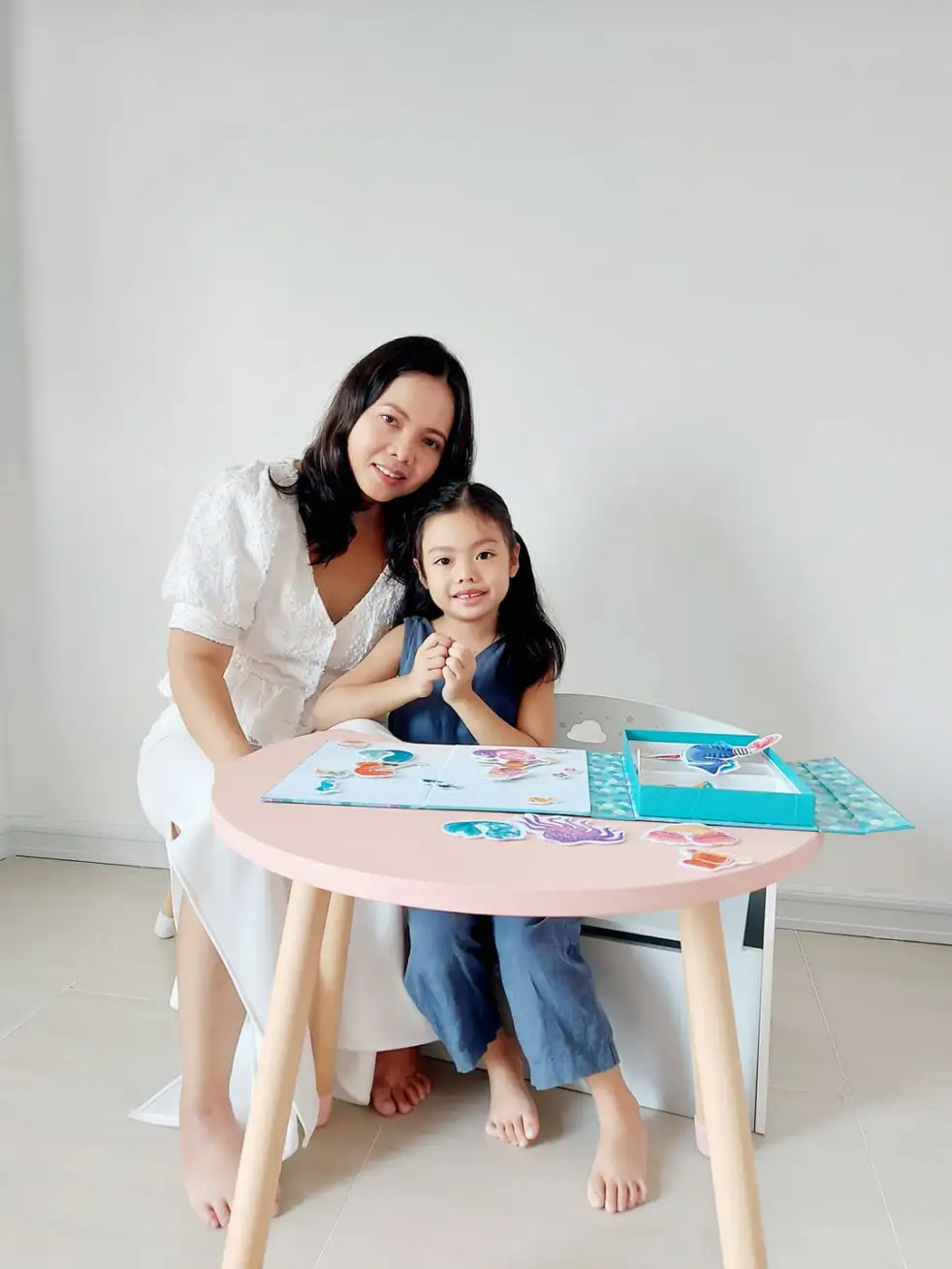
As parents, we want to give our child the best possible start in life and that begins with nurturing their intelligence. Throughout history, the notion of success has been linked to academic intelligence. However, there has been an increased awareness on the importance of emotional intelligence. This question gets at the heart of the never-ending… Continue reading IQ or EQ, which one is a better predictor of your child’s success?
 wondermomma.net